Ice Drug in Pakistan: Effects, Addiction, and How to Get Help
Author: Dr. Obaid Ullah Khan, Consultant Psychiatrist, Federal City Rehab Clinic. Specialist in psychiatric assessment and treatment of depression, anxiety disorders, bipolar disorder, schizophrenia, PTSD, OCD, and dual diagnosis presentations.
Ice drugs are not new. But in Pakistan, it is a rapidly growing one. Over the past several years, it has moved from an obscure substance associated with foreign cities into a drug that is increasingly present in Islamabad, Rawalpindi, Lahore, and Karachi, reaching communities and families that had little reason to be aware of it before.
Families often encounter it first as a mystery. A person they know has changed dramatically and in ways that do not fit the patterns of other drugs they recognise. The behaviour is erratic. The physical deterioration is fast. And the addiction, when it takes hold, is among the most severe of any substance.
Understanding what an ice drug is, what it does, and why it is so difficult to stop are the starting points for getting the right help.
What is the ice drug?
Ice is the street name for crystal methamphetamine, a highly potent synthetic stimulant that belongs to the amphetamine family of drugs. It is also known internationally as meth, crystal, glass, and shabu, though in Pakistan the term ice is most commonly used.
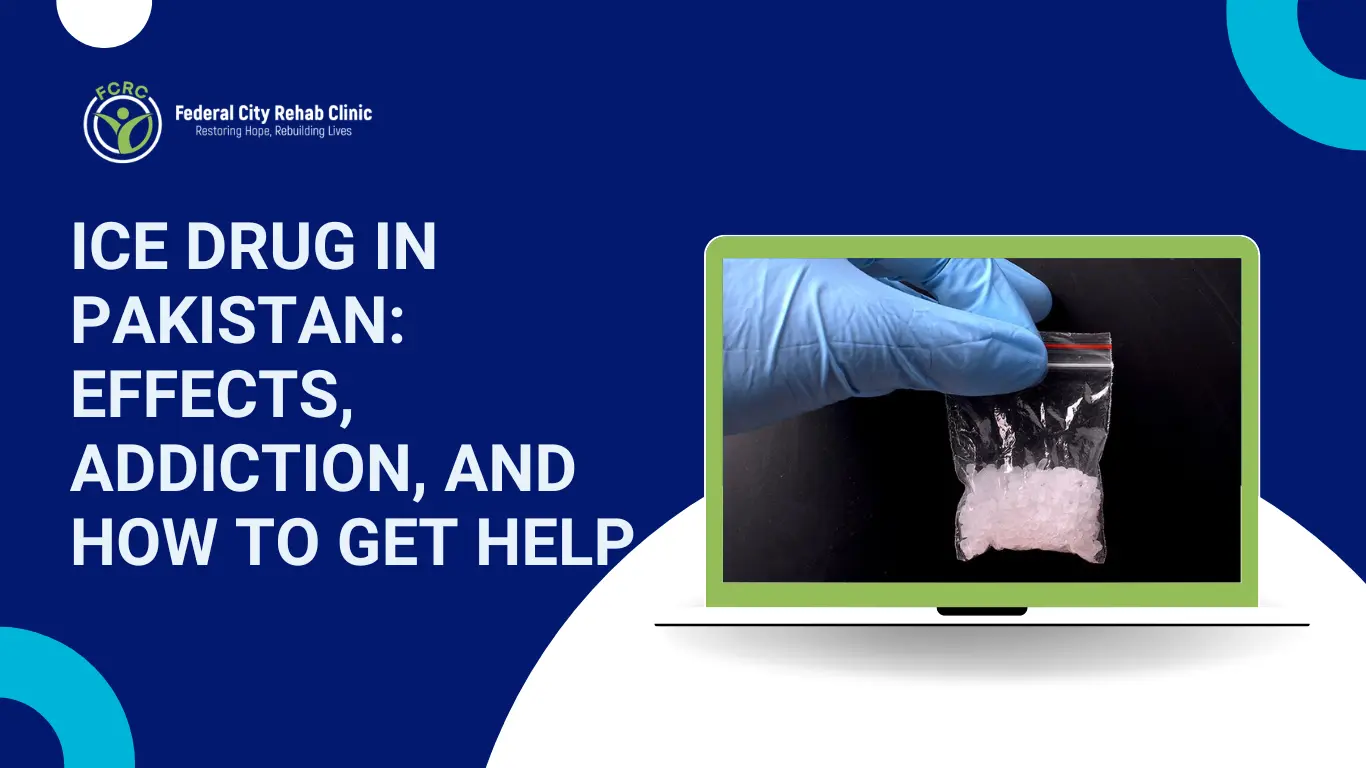
It typically appears as clear or bluish-white crystals that resemble fragments of glass or rock salt. It is most commonly smoked using a glass pipe, though it can also be injected, snorted, or swallowed. Smoking is the most common method among Pakistani users because it produces the fastest and most intense effect.
Chemically, the substance is methamphetamine hydrochloride. The question people search for about the “ice drug formula” reflects genuine curiosity about what the drug actually is. The answer is that it is a fully synthetic compound produced in clandestine laboratories, with no legitimate medical use in the form sold on the street. It is manufactured primarily in Southeast Asia and enters Pakistan through trafficking networks along the same routes used for other contraband substances, as documented in the UNODC World Drug Report.
It is important to be clear about one thing. Ice is not a softer or cleaner drug than heroin or other substances commonly associated with serious addiction. It is among the most addictive substances known. The neurological impact is severe, the addiction develops quickly, and recovery requires intensive support.
How ice affects the brain
Ice works by flooding the brain with dopamine, the neurotransmitter associated with reward, pleasure, and motivation. It does this not by gently stimulating dopamine release the way natural rewards do, but by forcing a massive, unnatural surge. The amount of dopamine released by a single use of ice is many times greater than anything the brain produces in response to food, sex, or other natural rewards.
The initial effect is intense and short-lived: a rush of euphoria, heightened energy, extreme confidence, and a feeling of power and clarity. This peak fades within minutes to a few hours depending on how the drug is taken. What follows is the comedown, a prolonged period of exhaustion, depression, anxiety, and craving that can last for days.
With repeated use, the brain adapts to the flood of artificial dopamine. It reduces its own production of dopamine and decreases the number of dopamine receptors available. This is why long-term users of ice often describe feeling flat, joyless, and incapable of pleasure from anything other than the drug. The clinical term for this is anhedonia, the inability to feel pleasure, and it is one of the most significant and distressing effects of sustained ice use.
The prefrontal cortex, the part of the brain responsible for decision-making, impulse control, and the ability to foresee consequences, is particularly damaged by prolonged ice use. This explains why users often make choices that seem completely irrational to those around them. The capacity for rational judgement has been chemically compromised. Research published by the National Institute on Drug Abuse confirms that these changes in brain structure and function can persist long after a person stops using the drug.
Side effects of ice drug use
The side effects of ice are wide-ranging and affect virtually every system in the body. They differ depending on whether use is recent or sustained.
Immediate side effects during use:
- Rapid and irregular heartbeat
- Elevated blood pressure
- Dramatically reduced appetite
- Dilated pupils
- Hyperthermia (dangerously elevated body temperature)
- Hyperactivity and inability to rest or sleep
- Intense anxiety, paranoia, or aggression in some users
- Compulsive, repetitive behaviour such as cleaning, taking apart objects, or pacing without purpose
Effects during the comedown:
- Extreme fatigue and the need to sleep for extended periods
- Deep depression and emotional emptiness
- Intense cravings for the drug
- Irritability and agitation
- Cognitive fog and difficulty concentrating
Effects of long-term or heavy use:
The long-term side effects of ice drug use are among the most visible and severe of any substance. They include:
Severe weight loss. The appetite suppression caused by ice is extreme. Long-term users often lose significant body weight over a short period, to the point of visible malnutrition.
Dental destruction. Severe tooth decay and loss, commonly called “meth mouth,” is caused by a combination of dry mouth, bruxism (teeth grinding), poor nutrition, and neglect of basic hygiene during use.
Skin damage. A common effect of ice use is a sensation of insects crawling under the skin, a tactile hallucination called formication. Users scratch and pick at their skin compulsively, leaving visible sores and scars.
Cardiovascular damage. Long-term use causes structural damage to the heart and blood vessels. The risk of heart attack, stroke, and cardiac arrhythmia is significantly elevated among heavy ice users, including in young adults with no previous heart conditions.
Neurological damage. Sustained use causes damage to the dopamine-producing neurons themselves. Imaging studies show that the brains of long-term methamphetamine users have measurably fewer dopamine receptors than non-users, damage that can be slow to reverse even with extended abstinence.
Psychosis. Ice-induced psychosis is a well-documented consequence of heavy use. It includes paranoid delusions, auditory and visual hallucinations, and extreme aggression or fear. In some cases, psychosis occurs even after a single use in vulnerable individuals. For sustained users, psychotic symptoms can persist long after the drug has been stopped and may indicate an underlying psychiatric condition that has been unmasked or triggered by the substance.
What is ice addiction?
Ice addiction, clinically known as methamphetamine use disorder, is a condition in which a person loses control over their use of the drug despite experiencing serious negative consequences. It is characterised by compulsive seeking and use of ice, an inability to stop despite wanting to, and the continuation of use even as it destroys relationships, health, finances, and functioning.
The addiction develops faster with ice than with almost any other substance. Some individuals report feeling dependent after only a handful of uses. This is not a weakness. It is a direct consequence of the severity of the neurochemical changes the drug causes.
Key signs that ice use has become an addiction:
Inability to stop. The person has tried to quit or cut down and has been unable to sustain this beyond a few days. The cravings become overwhelming.
Binge and crash cycles. A common pattern with ice addiction is extended binges, using continuously for days without sleeping, followed by prolonged crashes during which the person sleeps for many hours and is severely depressed. This cycle repeats and escalates over time.
Escalating use. The amount needed to feel the drug’s effects increases over time as tolerance builds. The person uses it more frequently and in larger quantities.
Paranoia and aggression. Family members and people close to the users are often the first to notice extreme suspiciousness, accusations without basis, and episodes of aggression or rage that are out of character.
Neglect of basic functioning. The person stops eating properly, stops attending to basic hygiene, stops fulfilling work or family responsibilities. The drug becomes the entire focus of daily life.
Financial collapse. Ice is an expensive habit. Money disappears rapidly, often through theft from family members, borrowing that is never repaid, or the sale of household items.
Social isolation. The person withdraws from family and retreats into a world centred entirely around obtaining and using the drug.
Ice addiction in the Pakistani context
Pakistan’s exposure to ice as a drug of abuse is more recent than its exposure to heroin, charas, or alcohol, but the growth curve has been steep. Law enforcement seizures of methamphetamine have increased substantially year on year, and treatment centres are reporting a growing proportion of admissions related to ice and other synthetic stimulants.
The drug’s profile in Pakistan follows patterns seen elsewhere in Asia, where ice has caused significant public health crises. It tends to appear first in urban centres among younger adults with disposable income and then spreads through social networks. It is associated with nightlife and party environments in its early phases, but addiction quickly moves beyond that demographic.
One of the challenges specific to the Pakistani context is that the family, which is typically the primary support system and the first to notice a problem, often does not recognise what they are seeing. The behaviour changes associated with ice addiction are so extreme and so different from other drug use that families may not connect them to substance use at all. Mental health explanations are often pursued first, which delays appropriate treatment.
Early recognition is important. If a family member is displaying rapidly escalating erratic behaviour, extreme weight loss, paranoia, aggression, and a severely disrupted relationship with sleep, ice should be considered and a clinical assessment sought promptly.
Why ice is among the hardest addictions to recover from
Ice addiction is difficult to treat for several reasons rooted in the neuroscience of the drug.
First, the neurological damage to the dopamine system means that in early recovery, a person is genuinely unable to feel pleasure from ordinary life. The depression, flatness, and anhedonia of early ice recovery are not minor discomforts. They are a direct consequence of brain damage that takes months to begin reversing. This is the period when relapse risk is highest, because returning to the drug is the only way the person knows how to feel anything at all.
Second, there is currently no approved medication that treats methamphetamine addiction the way methadone or buprenorphine treat opioid addiction. Treatment is primarily psychological, which means sustained engagement with therapy is essential.
Third, the cravings associated with ice are intense, intrusive, and long-lasting. Environmental cues including places, people, and times of day can trigger powerful cravings months or years into recovery. Managing these cues requires deliberate, sustained effort.
None of this means recovery is impossible. It means recovery requires the right environment, the right support, and enough time for the brain to begin healing.
Treatment for ice addiction
Effective treatment for ice addiction combines medical management of the acute phase with sustained psychological intervention and a structured recovery environment.
Medical detoxification is the critical first step. The crash that follows stopping ice, characterised by severe depression, fatigue, and psychological distress, can be dangerous if unmanaged. Medical supervision during detoxification ensures the person is kept safe, that psychiatric symptoms including psychosis are identified and treated promptly, and that the early days of withdrawal are as supported as possible. Our Medical Detoxification Programme is conducted by qualified physicians and psychiatric staff around the clock.
Residential rehabilitation provides the structured, drug-free environment that ice recovery requires. The temptation to return to use in the first weeks of recovery is extreme, and access to ice in an uncontrolled environment makes sustained recovery very difficult without a period of residential care. Our Drug Addiction Treatment Programme runs for 30, 60, or 90 days. For ice addiction, the 90-day programme is strongly recommended. The severity of the neurological changes means that shorter programmes are rarely sufficient to establish the foundations of sustained recovery.
Cognitive Behavioural Therapy (CBT) is the most evidence-supported psychological treatment for methamphetamine use disorder. It addresses the thought patterns and behavioural habits that drive use, builds skills for managing cravings and high-risk situations, and works to identify and change the underlying emotional and environmental triggers.
Dual Diagnosis treatment is relevant for a significant proportion of ice users, because the drug commonly unmasks or worsens underlying psychiatric conditions including depression, anxiety disorders, and psychosis. Treating the addiction without addressing the co-occurring mental health condition leaves a major driver of use unaddressed. Our Dual Diagnosis Programme integrates psychiatric assessment and treatment with the rehabilitation process, rather than treating them as separate concerns.
Family therapy and education is essential. Ice addiction causes enormous harm to family systems through the behavioural changes, the financial damage, the fear, and the mistrust it generates. Family members need both to understand addiction as a medical condition and to develop the skills to support recovery without inadvertently enabling continued use. Our Family Support Programme provides structured guidance throughout.
Relapse prevention is built into every stage of treatment and remains an ongoing focus in aftercare. Identifying triggers, planning responses to cravings, and building a life that supports rather than undermines sobriety are the foundations of sustained recovery.
When to seek help
Ice addiction escalates faster than most other substance use disorders. Waiting to see if the situation improves on its own is rarely productive. The nature of the addiction is that it gets worse, not better, without intervention.
If you are concerned about your own use or that of someone close to you, a confidential clinical assessment is the right first step. There is no commitment involved in making contact, and no judgement. Our team will help you understand what is happening and what the appropriate level of support would be.
The sooner treatment begins, the less ground needs to be recovered. The neurological damage caused by ice is real but it is also, with time and abstinence, partially reversible. Recovery is possible, and people with severe ice addictions do recover. What they consistently needed was professional support, the right environment, and enough time.
Contact us today for a confidential assessment, WhatsApp us if you prefer to reach out privately, or call us to speak directly with a member of our clinical team.
Frequently Asked Questions
What does the ice drug look like?
Ice appears as clear or bluish-white crystals, resembling chips of glass or rock salt. It is typically smoked using a glass pipe. It can also be injected, snorted, or swallowed, though smoking is the most common method in Pakistan.
What is the ice drug made from?
Ice is synthetic methamphetamine hydrochloride, produced in clandestine laboratories using chemical precursors. It is not derived from any plant. It is important to understand that ice is a manufactured chemical substance, not a natural product.
How quickly does ice addiction develop?
Ice addiction can develop very quickly, in some cases after only a few uses. This makes it more dangerous than many other substances in terms of the speed at which dependency forms. The powerful dopamine surge produced by the drug creates a strong neurological drive to use again, even before formal dependency has established itself.
Can ice-induced psychosis be treated?
Yes. Ice-induced psychosis is treated with antipsychotic medications under psychiatric supervision. In many cases, psychotic symptoms resolve once the drug is stopped and the brain begins to stabilize, but this process takes time and requires medical management. In some individuals, sustained psychosis may indicate an underlying psychiatric condition that needs ongoing treatment independent of the addiction.
Is ice addiction treatable?
Yes. Ice addiction is a medical condition and it responds to treatment. Recovery requires intensive and sustained support, typically residential rehabilitation followed by ongoing outpatient care, and it takes time for the brain to recover. People with severe ice addictions do achieve sustained recovery. The key is beginning treatment as early as possible and committing to the full recommended programme.
Where can I get help for ice addiction in Pakistan?
We offer medically supervised detoxification and residential rehabilitation for ice addiction in Islamabad, with programmes of 30, 60, and 90 days. Our clinical team includes consultant psychiatrists experienced in stimulant use disorder and co-occurring mental health conditions. Contact us, WhatsApp us, or call us to arrange a confidential assessment.