Dual Diagnosis Treatment in Islamabad, Pakistan. Addiction and Mental Health, Together
Because treating only one condition rarely produces lasting recovery.
نشہ اور ذہنی صحت — ایک ساتھ، ایک علاج۔
client feedbacks
Stories of Recovery
Real Lives, Real Results
Every patient who walks through our doors carries a story. These are a few of the stories that walked back out, rebuilt, restored, and renewed. Names and details shared with full consent.
 Posted on Google
 Hidayat King
Trustindex verifies that the original source of the review is Google.
Highly recommended for excellent treatment, caring staff, and quality patient care.Posted on Google Muhammad IlyasI have such great experiences here ! Very professional and authentic approach towards patient and families. Recommended for addictions and psychological treatmentPosted on Google
 Hidayat KingI had a very positive experience with this rehabilitation center. The staff are caring, respectful, and available whenever patients need support. The doctors, psychologists, and medical team are highly professional and genuinely dedicated to helping people recover. The environment is clean, safe, and peaceful. Patients receive their medications on time, nutritious meals are provided regularly, and daily therapy and activities are well organized. I highly recommend this rehabilitation center to anyone looking for quality care and a supportive recovery environment.Posted on Google
 Hidayat Kingمیرا ذاتی تجربہ میرے ذاتی تجربے کے مطابق یہ ریہیب بہت اچھا ادارہ ہے۔ یہاں مریضوں کی بہت اچھی دیکھ بھال کی جاتی ہے۔ ادویات اور کھانا وقت پر دیا جاتا ہے، روزانہ باقاعدہ ایکسرسائز کروائی جاتی ہے، اور مریضوں کی صحت پر خصوصی توجہ دی جاتی ہے۔ یہاں کے سائیکاٹرسٹس، سائیکالوجسٹس اور میڈیکل آفیسرز پیشہ ور، مہربان اور 24 گھنٹے دستیاب رہتے ہیں۔ اسٹاف بھی نہایت ذمہ داری، تعاون اور خلوص کے ساتھ مریضوں کی خدمت کرتا ہے۔ میرے تجربے کے مطابق، یہ علاج اور بحالی کے لیے ایک بہترین جگہ ہے۔Posted on Google
 Shayan ShahWhat sets this rehab center apart is the way they combine expert medical care with genuine human kindness. The team creates a safe, peaceful, and motivating environment where recovery feels possible. Every staff member, from therapists to support staff, treats patients with dignity and encouragement. The personalized treatment plans, daily activities, and counseling sessions helped rebuild strength, confidence, and independence. It’s a place where healing happens with both science and heart.Posted on Google
 Yasir SaeedGreat rehab services, the client I referred showed exceptional improvements in behavior.Posted on Google
 Mujahid iqbalI had a very positive experience with Federal City Rehab Clinic. The staff is professional, caring, and respectful. The doctors and counselors provide excellent support, and the environment is clean, peaceful, and well-managed. They truly care about their patients and their recovery. I highly recommend this clinic to anyone seeking quality rehabilitation and mental health services.Posted on Google
 Sanaullah FaizI had a family member admitted to this rehab center, and our experience was very positive. The environment was clean, peaceful, and supportive, which made us feel comfortable during a difficult time. The staff was caring and respectful, and they created a positive atmosphere for patients and families. We truly appreciated the care and attention provided.Posted on Google
 hazrat aliProfessional services and a peaceful environment. I appreciate the dedication of the team.Verified by TrustindexTrustindex verified badge is the Universal Symbol of Trust. Only the greatest companies can get the verified badge who has a review score above 4.5, based on customer reviews over the past 12 months. Read more
Service List
Therapist Detail
Dr. Obaid Ullah Khan Consultant Psychiatrist
Need Any Help ?
0330 1454321
Most people who struggle with addiction are not struggling with addiction alone.
Behind the substance use, there is frequently something else. An anxiety disorder that has never been diagnosed. A depression that has been managed with alcohol for years. A trauma that nobody has ever helped process safely. A bipolar condition that was driving erratic behaviour long before the drug use began.
This combination, addiction and a co occurring mental health condition is known clinically as dual diagnosis. And it is far more common than most people realise.
At Federal City Rehab Clinic, dual diagnosis treatment is not a specialised add on. It is fundamental to how we work. We believe and the clinical evidence strongly supports that understanding the full picture of a patient’s condition is the only foundation on which genuine, lasting recovery can be built.
If you have been through treatment before without lasting success, an unidentified or untreated mental health condition may be part of the reason. FCRC’s dual diagnosis programme is designed to find that missing piece and address it directly.
What is Dual Diagnosis?
Dual diagnosis refers to the co occurrence of a substance use disorder and one or more mental health conditions in the same individual. The two conditions exist simultaneously, influence each other profoundly, and must be treated together for either to be effectively managed.
According to the Substance Abuse and Mental Health Services Administration (SAMHSA), approximately half of all people with a serious mental illness also have a co occurring substance use disorder, and vice versa. These are not rare edge cases. They represent the majority of patients presenting at serious addiction treatment facilities.
In Pakistan, the dual diagnosis reality is compounded by the country’s significant mental health treatment gap. According to the World Health Organization, more than 75 percent of people with mental health conditions in low and middle income countries receive no treatment at all. This means that millions of Pakistanis are managing undiagnosed and untreated mental health conditions, and a significant proportion are using substances to cope with those conditions without ever understanding the connection.
The Relationship Between Addiction and Mental Health
The relationship between substance abuse and mental health is not a simple one way street. It operates in multiple directions, and understanding this complexity is essential for effective treatment.
Mental Health Conditions Drive Substance Use
Many people begin using substances as a form of self medication. A person with severe anxiety discovers that alcohol quiets the noise in their head. Someone with undiagnosed PTSD finds that heroin is the only thing that makes the memories bearable. A young man whose depression has gone untreated for years discovers that ICE temporarily restores the motivation and energy he has been missing.
These patterns make complete psychological sense. The problem is that self medication through substance use creates a dependency that compounds the original mental health condition over time. The temporary relief becomes a trap.
Substance Use Causes Mental Health Conditions
The reverse relationship is equally significant. Prolonged substance abuse causes direct neurological damage that produces depression, anxiety, paranoia, and in severe cases, psychosis. ICE induced psychosis can persist for months after cessation of use. Long term heavy cannabis use increases the risk of psychotic disorders substantially. Alcohol dependency is strongly associated with the development of depressive and anxiety disorders.
In these cases, the mental health condition is a consequence of the substance use rather than its cause. But it must still be identified and treated alongside the addiction, or recovery from either condition is unlikely to be sustained.
The Vicious Cycle
In many patients, both dynamics operate simultaneously. A pre existing mental health vulnerability drives initial substance use. The substance use then worsens the mental health condition neurologically. The worsened mental health condition intensifies the drive to use. The two conditions lock together in a cycle that becomes progressively harder to escape without professional intervention.
Breaking this cycle requires treating both conditions simultaneously, with equal clinical rigour and within a single coordinated treatment plan. This is precisely what FCRC’s dual diagnosis programme delivers.
Mental Health Conditions We Treat Alongside Addiction
FCRC’s dual diagnosis programme addresses the full range of co occurring mental health conditions.
Depression is the most commonly co occurring mental health condition in patients with substance use disorders. According to the National Institute on Drug Abuse, people with depression are twice as likely to develop a substance use disorder as those without. At FCRC, depression is identified, accurately diagnosed, and treated with a combination of psychiatric medication management and evidence based psychological therapy alongside the addiction treatment programme.
Anxiety disorders including generalised anxiety disorder, panic disorder, social anxiety, and health anxiety are extremely prevalent in patients with addiction. Many patients use substances specifically to manage anxiety symptoms that have never been professionally treated. FCRC’s mental health and psychiatric services provide comprehensive anxiety assessment and treatment within the dual diagnosis framework.
Post Traumatic Stress Disorder (PTSD) is one of the most significant and most underrecognised drivers of substance abuse in Pakistan. Trauma, including domestic abuse, sexual violence, bereavement, and other adverse experiences, creates a level of psychological pain that substances temporarily relieve. At FCRC, trauma informed therapy is a core component of dual diagnosis treatment for patients with PTSD.
Bipolar disorder significantly increases the risk of substance abuse. The impulsivity of manic episodes and the despair of depressive episodes both create powerful vulnerability to substance use. Accurate diagnosis of bipolar disorder is essential, as it requires a specific treatment approach that differs significantly from the management of unipolar depression.
Schizophrenia and psychotic disorders frequently co occur with substance abuse, particularly cannabis and stimulant use. ICE addiction in particular produces psychotic symptoms that can closely resemble schizophrenia, making accurate differential diagnosis a critical clinical task. FCRC’s consultant psychiatrists have extensive experience making this distinction and managing both presentations appropriately.
Obsessive Compulsive Disorder (OCD) and personality disorders, particularly borderline personality disorder, are also commonly encountered in dual diagnosis presentations. FCRC’s clinical team is trained and experienced in managing these complex presentations within an integrated treatment framework.
Why Choose FCRC for Dual Diagnosis Treatment in Islamabad, Pakistan?
Because trust, experience, and results matter most. (اس لیے کہ اعتماد، تجربہ اور نتائج سب سے اہم ہیں۔)
- Consultant Psychiatrists with FCPS Qualifications
- Integrated Addiction and Mental Health Treatment
- Safe, Private and Completely Confidential Environment

15+ Years
Expert Care
500+
Patients Treated
24/7
Always Available
The Environment
Bani Gala’s clean air and mountain calm create a recovery setting that no urban facility can match.
The Clinical Team
Board certified psychiatrists and clinical psychologists, decades of expertise, one purpose.
Confidentiality
Nothing shared without your consent. Your secret is safe here. آپ کی رازداری ہمارے لیے مقدس ہے۔
Safety
Round the clock medical and psychiatric monitoring from admission to discharge.
our facility
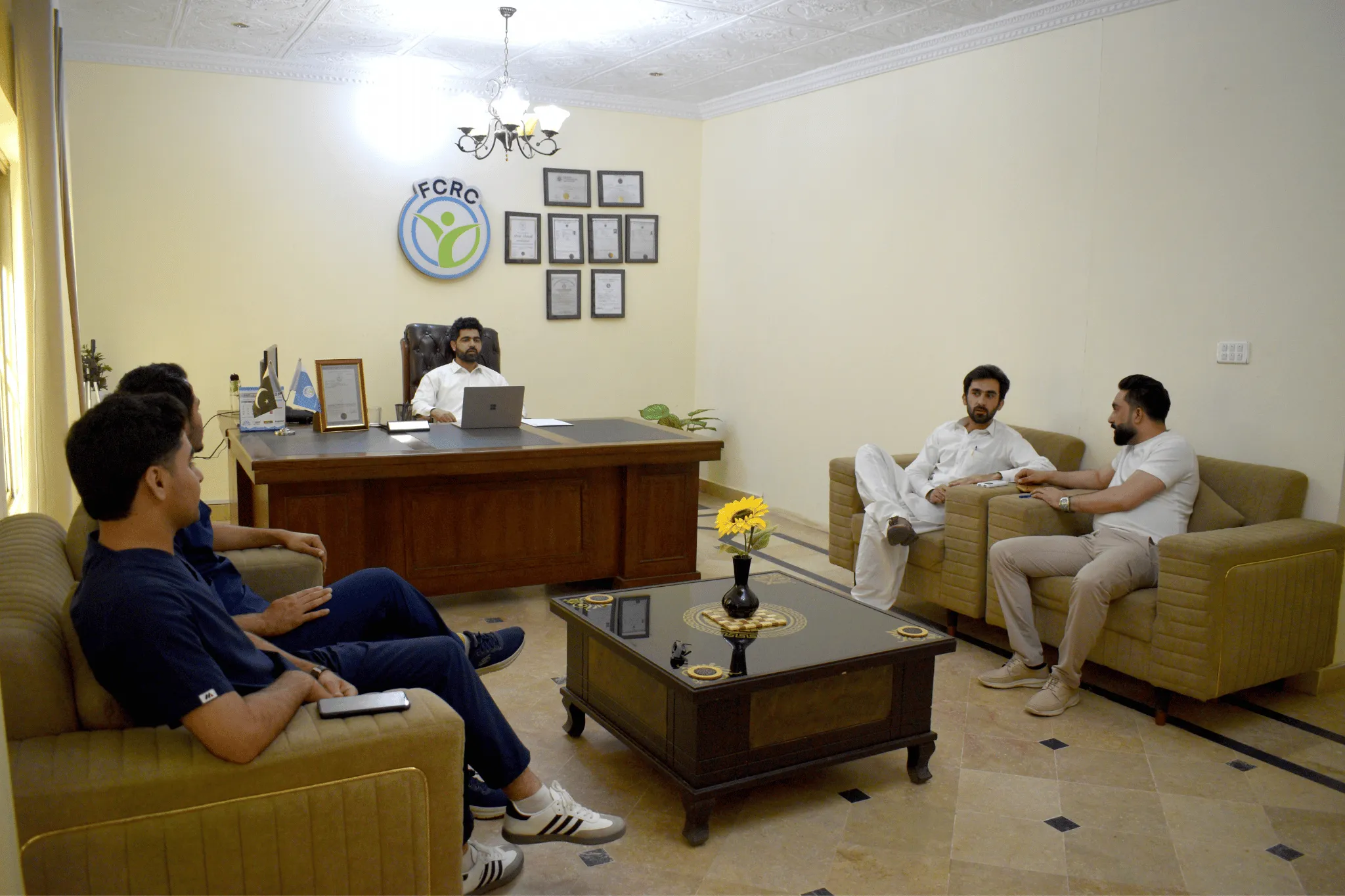
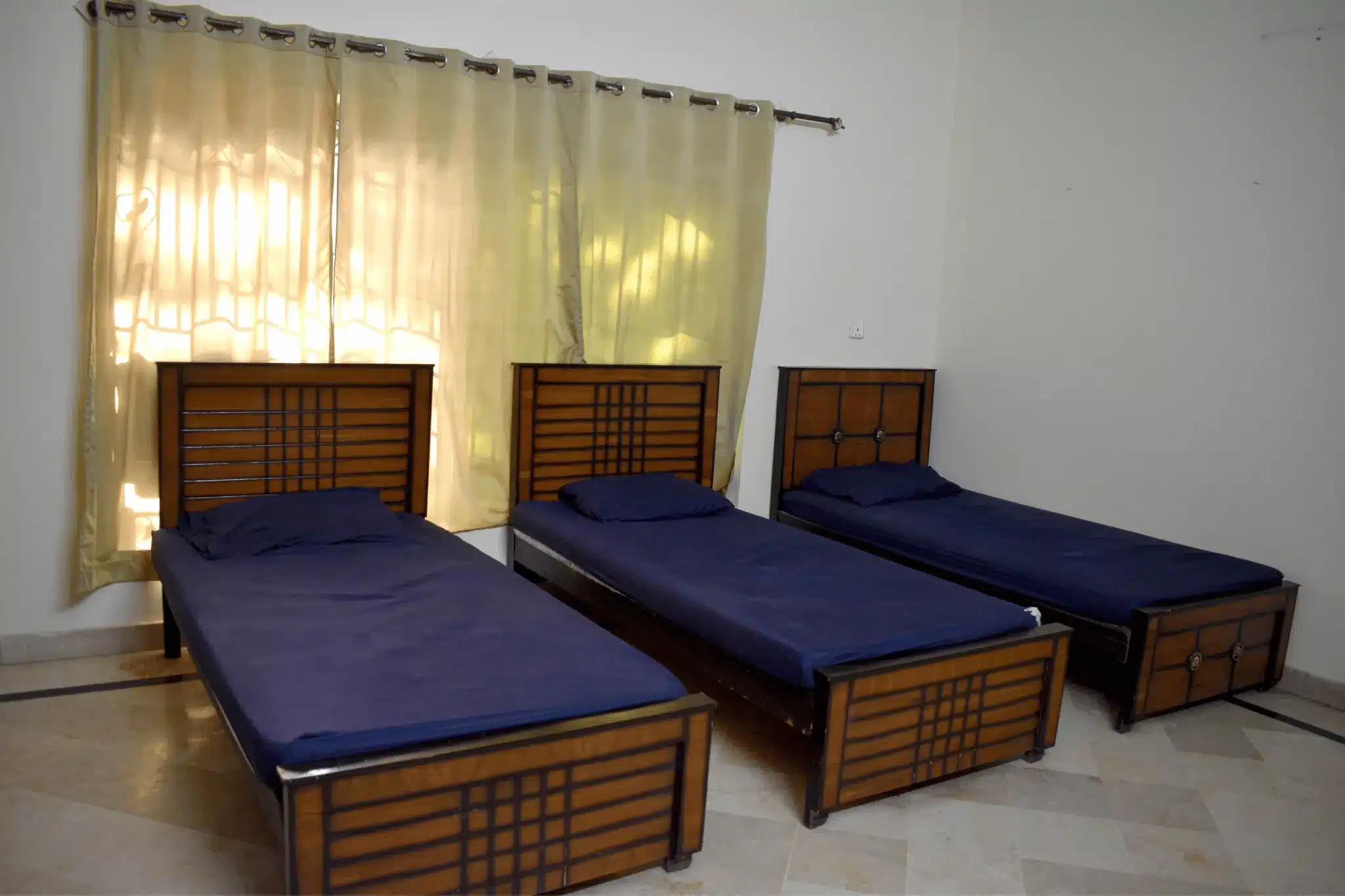
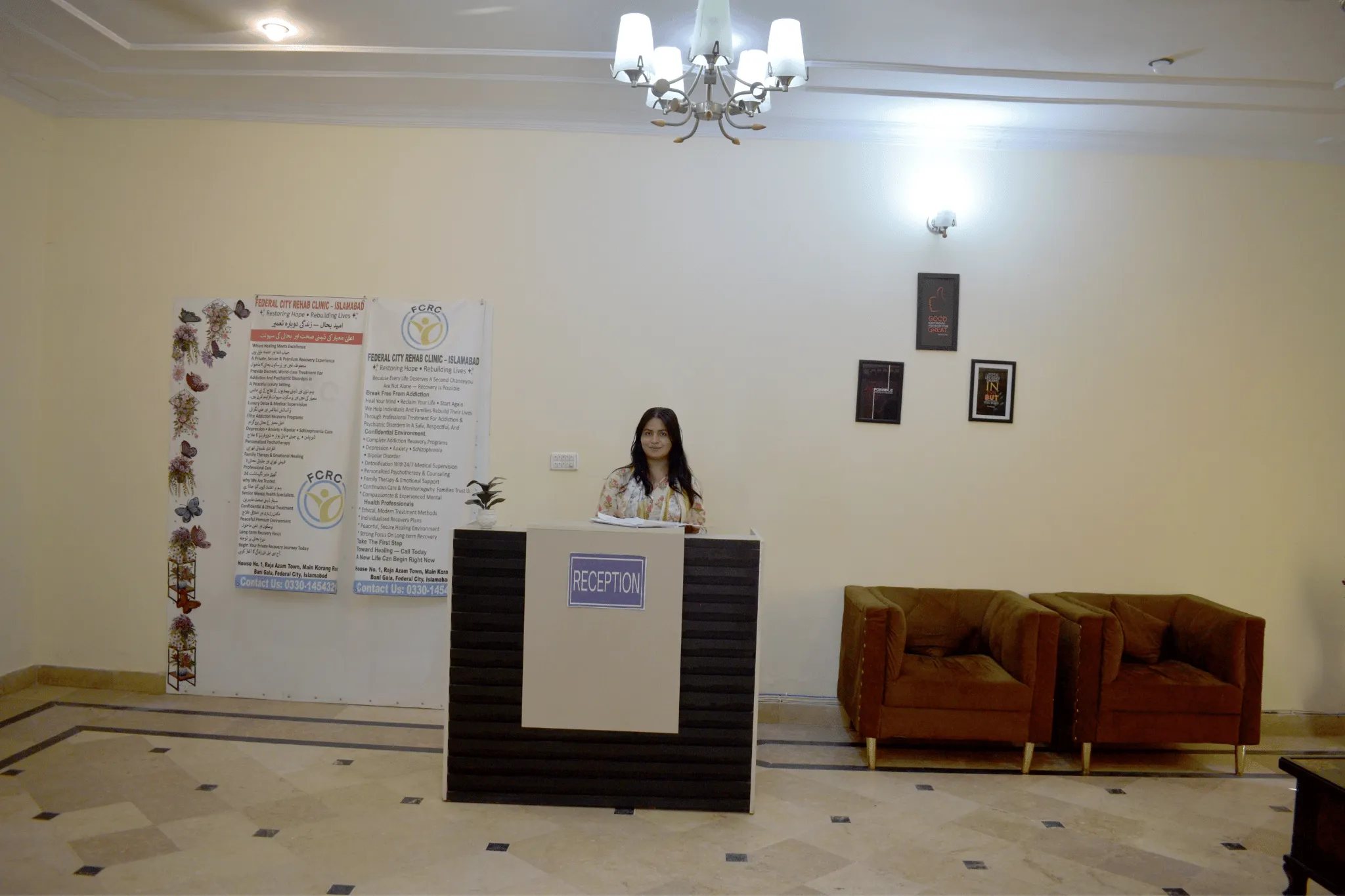
A Place Built for Healing



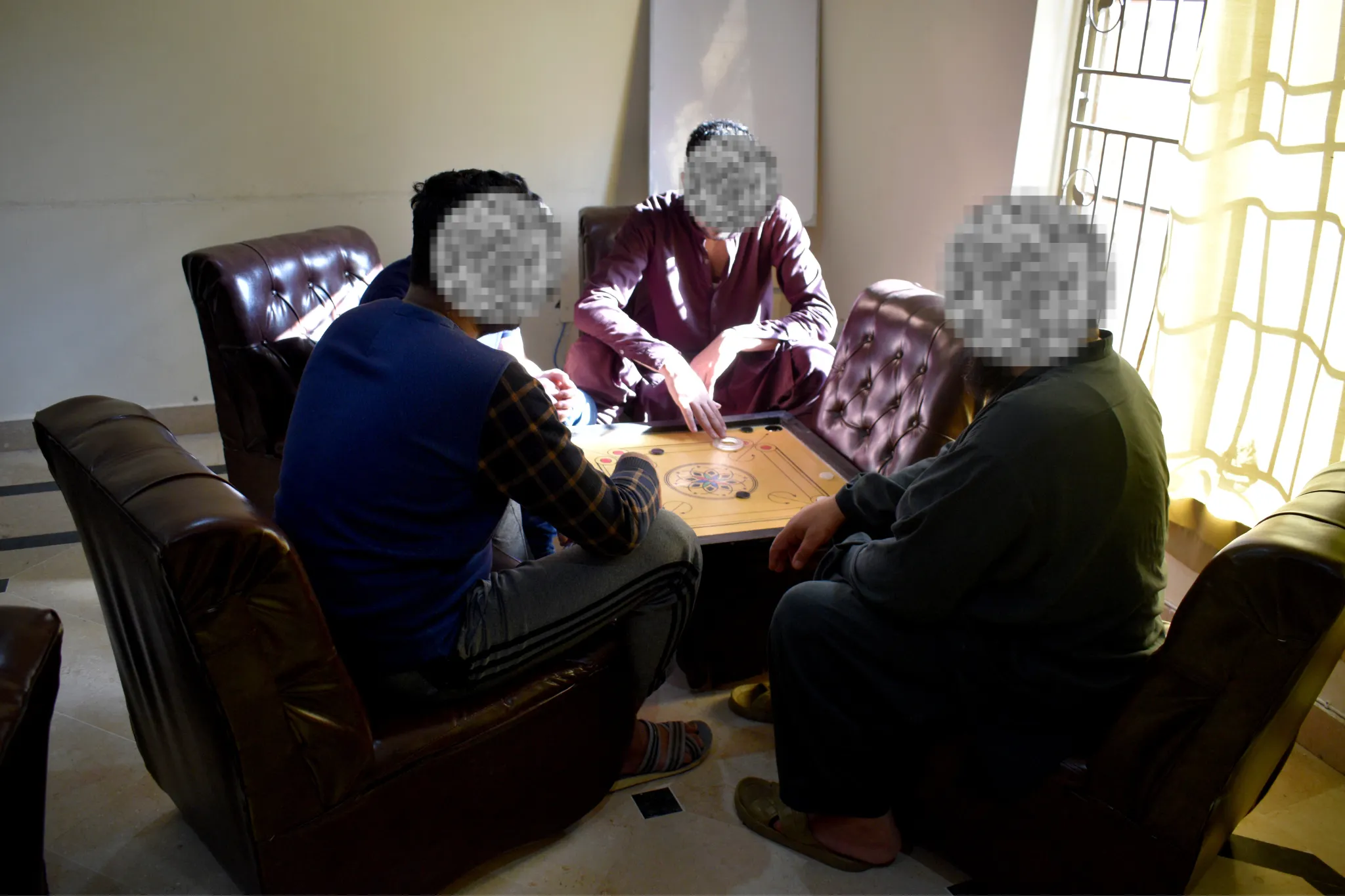

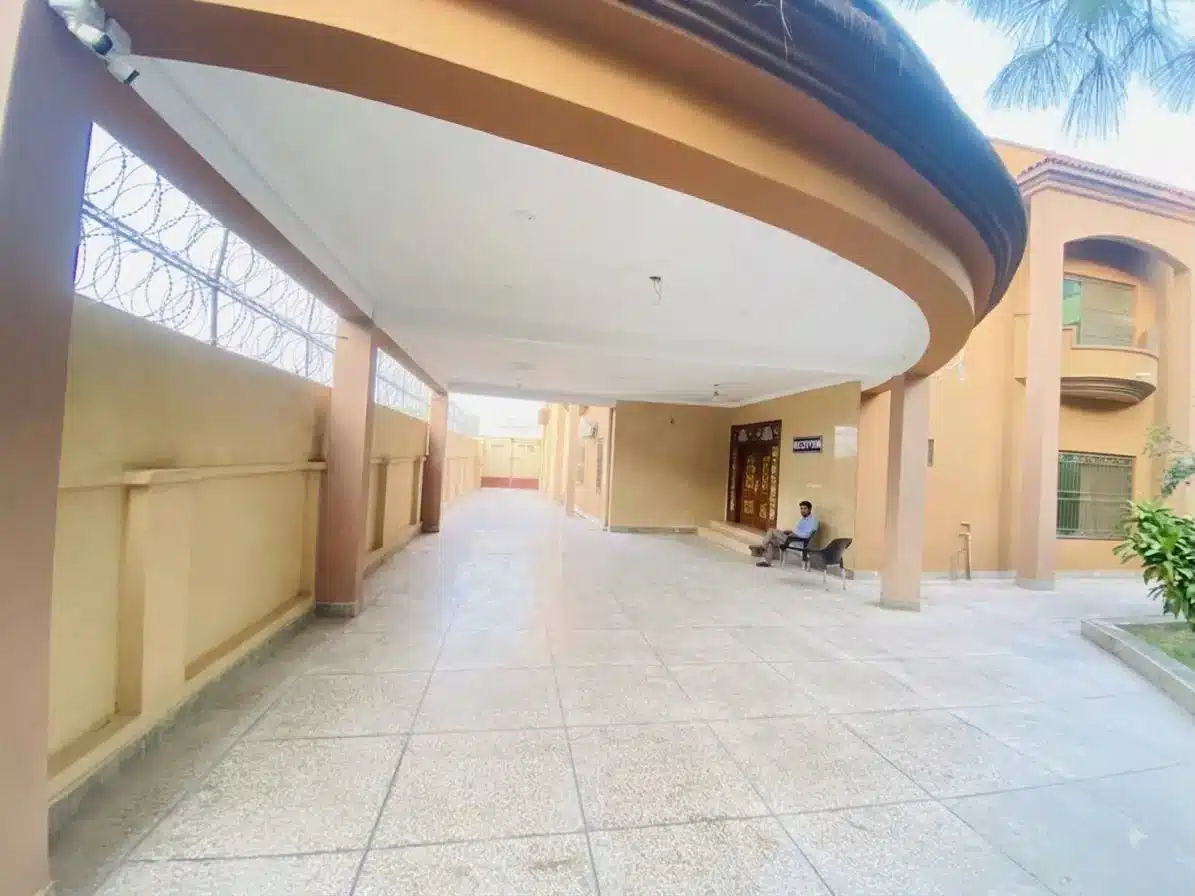

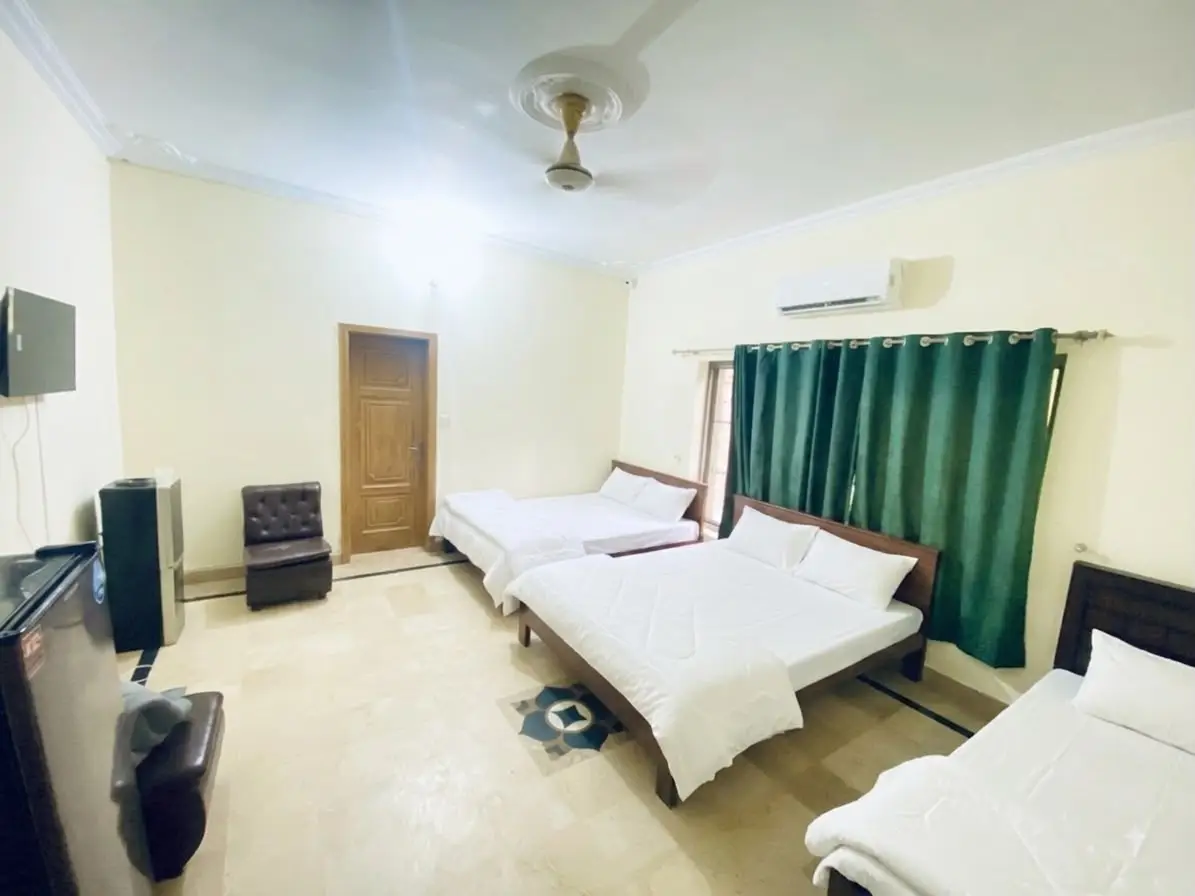

Who We Serve
FCRC provides dual diagnosis treatment for patients from across Pakistan. We regularly admit patients from Islamabad, Rawalpindi, Peshawar, Lahore, Multan, Karachi, Swat, and all other major cities. For out of city patients, our admissions team provides full transport coordination and a discreet, professionally managed arrival process.
We operate a dedicated female rehabilitation programme for women requiring a gender specific care environment, with full dual diagnosis capability within that programme.
how we work ?
Our Dual Diagnosis Treatment Program in Islamabad, Pakistan
FCRC’s dual diagnosis treatment programme is built around a clear, clinically proven framework, personalised to the individual needs of every patient.
01
Comprehensive Psychiatric Assessment
Dual diagnosis treatment begins with the most thorough clinical assessment available. Every patient at FCRC receives a comprehensive psychiatric evaluation conducted by our consultant psychiatrists, covering the full history of substance use, mental health symptoms, trauma history, family psychiatric history, and current functioning across all life domains.
This assessment is the foundation of the entire treatment plan. It is what distinguishes FCRC’s approach from facilities that treat addiction without adequately investigating the mental health picture. Accurate dual diagnosis requires clinical expertise, adequate time, and a genuine commitment to understanding the whole person. At FCRC, these are non negotiable standards.
02
Integrated Treatment Planning
Following assessment, our multidisciplinary team develops a fully integrated treatment plan that addresses both the addiction and the mental health condition within a single coordinated programme. This is the essential distinction of dual diagnosis treatment. The two conditions are not managed separately by different clinicians working in parallel. They are treated together, by a coordinated team, within a treatment framework that recognises their interaction and responds to it clinically.
The plan specifies the combination of psychiatric medication management, psychological therapy, addiction treatment, and support services most appropriate for the individual patient’s presentation. It is reviewed regularly and adjusted in response to progress.
03
Medically Supervised Detoxification
Where detoxification is required, it is managed under 24/7 medical and psychiatric supervision. For dual diagnosis patients, detox carries additional psychiatric complexity. The withdrawal period can precipitate or exacerbate mental health symptoms, including severe depression, psychosis, and anxiety, that require active psychiatric management alongside the medical management of withdrawal.
FCRC’s medical detoxification programme is staffed by both medical and psychiatric professionals, ensuring that the psychiatric dimension of withdrawal is managed with the same rigour as the physical dimension.
04
Psychiatric Medication Management
Where medication is clinically indicated for the mental health condition, FCRC’s consultant psychiatrists manage it with precision and ongoing review. Antidepressants, mood stabilisers, antipsychotics, and other psychiatric medications are prescribed and monitored carefully, with regular assessment of therapeutic response and side effects.
For dual diagnosis patients, medication management is particularly nuanced. Some medications commonly used in psychiatric practice carry their own risk of dependency or interaction with substances. FCRC’s psychiatrists are experienced in navigating these complexities safely and effectively.
05
Evidence Based Psychological Therapy
Alongside psychiatric management, FCRC’s clinical psychologists and therapists deliver the evidence based psychological therapies most effective for dual diagnosis presentations.
Cognitive Behavioural Therapy addresses the thought patterns, emotional responses, and behavioural habits that sustain both the addiction and the mental health condition. Dialectical Behaviour Therapy is particularly effective for patients with emotional dysregulation, self harm, and borderline personality disorder presentations. Trauma informed therapy provides a safe, carefully paced therapeutic space for patients whose mental health condition is rooted in traumatic experience. Motivational Interviewing builds the patient’s own internal commitment to recovery, working honestly with ambivalence rather than suppressing it. Group therapy provides peer connection and shared accountability within a facilitated, safe environment.
All therapeutic work at FCRC is tailored to the individual patient. No two dual diagnosis presentations are identical, and the therapy must reflect that reality.
06
Family Therapy and Psychoeducation
Dual diagnosis conditions place enormous strain on families. Loved ones frequently struggle to understand the combination of addiction and mental illness they are witnessing, and their responses, however well intentioned, can sometimes inadvertently sustain harmful patterns.
FCRC’s family therapy programme helps family members understand the nature of dual diagnosis, process their own emotional responses, and develop the communication skills and boundaries needed to support recovery effectively. Psychoeducation sessions provide clear, accessible information about the patient’s specific conditions and what recovery realistically involves.
07
Relapse Prevention and Aftercare
Dual diagnosis patients face a higher relapse risk than those with addiction alone, precisely because the mental health condition remains a potential driver of substance use after discharge. FCRC’s relapse prevention programme accounts for this reality explicitly, building the patient’s awareness of how their mental health condition interacts with their substance use, and developing specific strategies for managing mental health symptoms without turning to substances.
Every patient leaves FCRC with a personalised written aftercare plan that includes both addiction relapse prevention and ongoing mental health management. Our team remains available for follow up support, guidance, and re-assessment after discharge.
Outpatient Treatment
is available for patients with lower severity presentations and stable home environments, or as a step down pathway following residential treatment. Our clinical team determines the most appropriate format following assessment. For dual diagnosis patients stepping down from residential care, continued outpatient psychiatric management is typically a core component of the aftercare plan.
Inpatient and Outpatient Options
FCRC offers dual diagnosis treatment through both residential inpatient and structured outpatient formats.
Inpatient Residential Treatment
is strongly recommended for most dual diagnosis patients. The complexity of managing two co occurring conditions simultaneously, combined with the vulnerability of the detox and early recovery period, means that the 24/7 clinical support of a residential setting is often essential. Patients live within FCRC’s Bani Gala facility for 30, 60, or 90 days, in a structured, controlled, and therapeutically designed environment that supports recovery at every level.
Book Consultation
Take the First Step Today
You do not need to have everything figured out before reaching out. You do not need to be certain. You do not need to have made a final decision.
You simply need to take one step, a conversation with our admissions team. From there, we will guide you through everything at whatever pace feels right for you.
FCRC’s admissions team is available 24 hours a day, 7 days a week, 365 days a year. There is no pressure, no judgement, and no obligation.
0330 1454321
federalcityrehabclinc@gmail.com
Our location
House No. 1, Raja Azam Town, Main Korang Road, Bani Gala, Islamabad
What is dual diagnosis?
Dual diagnosis refers to the co occurrence of a substance use disorder and one or more mental health conditions in the same person. Both conditions must be treated simultaneously for either to be effectively managed. FCRC’s dual diagnosis programme delivers exactly this, within a single integrated clinical framework.
How common is dual diagnosis?
Very common. According to SAMHSA, approximately half of all people with serious mental illness also have a co occurring substance use disorder. In clinical addiction settings, dual diagnosis presentations are the norm rather than the exception.
Why does treating addiction alone often fail?
When an untreated mental health condition is driving or sustaining substance use, treating the addiction without addressing the mental health condition leaves the underlying driver intact. The patient recovers from the substance use temporarily, but the mental health condition pulls them back. This is one of the most common reasons for relapse after treatment. FCRC’s integrated approach prevents this by addressing both conditions from the start.
How is dual diagnosis treated at FCRC?
Through a fully integrated programme combining comprehensive psychiatric assessment, medication management where indicated, evidence based psychological therapy, medically supervised detoxification, family involvement, and a thorough relapse prevention and aftercare plan that accounts for both conditions.
Is dual diagnosis treatment confidential at FCRC?
Completely and unconditionally. Nothing is ever shared without explicit written consent.
Does FCRC have a female dual diagnosis programme?
Yes. FCRC’s dedicated female rehabilitation programme includes full dual diagnosis capability, delivered by female clinical staff in a completely private, gender specific environment.