Medically supervised. Professionally delivered. Completely private.
طبی نگرانی میں پیشہ ورانہ علاج، مکمل رازداری کے ساتھ۔
Every patient who walks through our doors carries a story. These are a few of the stories that walked back out, rebuilt, restored, and renewed. Names and details shared with full consent.
 Posted on Google

 Muhammad Umer
Trustindex verifies that the original source of the review is Google.
One the best rehab center in the peace of bani gala, Islamabad. 10/10Posted on Google Muhammad Ibrahim AfzalThe best addiction center in Islamabad. A friend of mine was admitted here and they provided the service.Posted on Google
 MALANG BROTHERSThe staff was professional, supportive, and respectful. The environment was comfortable and the overall experience was very good. I appreciate the team’s dedication and carePosted on Google
 Khan KhanBest facility for drug addiction treatmentPosted on Google
 Fozia Fozia khanMy experience at Federal City Rehab Clinic has been genuinely positive. The therapeutic environment is calm and well-suited to patient recovery, promoting both psychological and physical wellbeing. The clinical staff demonstrate a high level of professionalism, with consistent, patient-centered care. Medication administration and treatment protocols are followed with appropriate diligence, ensuring timely and accurate delivery of prescribed care. Hygiene and sanitation standards are well maintained throughout the facility, reflecting strong infection-control practices. Nutritional care is also handled thoughtfully, with meals catering appropriately to patient requirements. Overall, FCRC operates as a well-managed, clinically sound rehabilitation facility. Highly recommended.Posted on Google
 Malang JanExcellent rehabilitation center with professional staff, quality treatment, and compassionate care.Posted on Google
 M JHighly recommended for excellent treatment, caring staff, and quality patient care.Posted on Google
 Muhammad IlyasI have such great experiences here ! Very professional and authentic approach towards patient and families. Recommended for addictions and psychological treatmentPosted on Google
 Hidayat KingI had a very positive experience with this rehabilitation center. The staff are caring, respectful, and available whenever patients need support. The doctors, psychologists, and medical team are highly professional and genuinely dedicated to helping people recover. The environment is clean, safe, and peaceful. Patients receive their medications on time, nutritious meals are provided regularly, and daily therapy and activities are well organized. I highly recommend this rehabilitation center to anyone looking for quality care and a supportive recovery environment.Verified by TrustindexTrustindex verified badge is the Universal Symbol of Trust. Only the greatest companies can get the verified badge who has a review score above 4.5, based on customer reviews over the past 12 months. Read more
Abrar Ahmad
CEO | Consultant Clinical Psychologist | Addiction Therapist
0330 1454321
Drug addiction is not a choice, and it is not a moral failure. It is a medical condition that changes brain chemistry, strains families and slowly takes more than most people realise, often until the damage is already deep.
If you are reading this page, you are already doing something right. You are looking for help for yourself or for someone you love. That decision, however uncertain it feels today, is the most important one you will make.
At Federal City Rehab Clinic, we provide medically supervised drug addiction treatment in Islamabad. Our multidisciplinary clinical team treats addiction and mental health together, in a confidential setting in the quiet hills of Bani Gala. We have treated patients from Islamabad, Rawalpindi, Peshawar, Lahore, Karachi and across Pakistan.
Whatever the substance. Whatever the duration. Whatever has happened before. Recovery is possible, and FCRC is here to help make it real.
Addiction, which clinicians call substance use disorder, is a condition in which repeated drug use changes how the brain handles reward, motivation, stress and decision making. Over time the brain adapts to the drug. The person needs more to feel the same effect, feels unwell without it, and keeps using even when it harms their health, work, money and family.
That is why willpower and pressure alone rarely work, and why shame makes things worse. Addiction responds to proper medical and psychological treatment, delivered by trained people for long enough to matter.
You do not need to be at a crisis point to ask for a clinical opinion. These are common signs:
If several of these sound familiar, an assessment is the right next step. Call or WhatsApp us today!
Drug addiction takes many forms in Pakistan. FCRC’s clinical team treats dependence on all of the following, and on combinations of them.
Alcohol withdrawal can be life threatening without supervision. We provide supervised alcohol detox and treatment. Read our guide to alcohol addiction treatment in Islamabad.
Physical dependence on heroin develops quickly and withdrawal is medically demanding. Treatment combines supervised withdrawal management, medication assistance where clinically indicated, and sustained psychological support. See our guide to heroin addiction in Pakistan.
Opium use is often long standing and normalised in families and communities, which can delay treatment for years. It is treated with the same careful withdrawal management and therapy as other opioids. Read more in our guide to opium in Pakistan.
Dependence can begin with a legitimate prescription or an over the counter product. We treat sleeping pill dependency, codeine and cough syrup addiction and Nalbin (nalbuphine) addiction, each with its own withdrawal and risk profile.
We also treat dependence on ketamine, LSD, MDMA and other synthetic or novel substances. See our guides on ketamine addiction and LSD, Molly and MDMA.
ICE can cause severe psychiatric effects, including paranoia, psychosis, depression and rapid physical decline, and it can quickly damage family life. Withdrawal is mainly a psychiatric emergency, so consultant psychiatrists are involved from the first day. Read the full program on our ICE addiction treatment page.
Cannabis is widely seen as harmless, but heavy long term use can cause real dependence, loss of motivation, memory and concentration problems and mood disorders. Withdrawal is not medically dangerous but is uncomfortable. See our guides on cannabis addiction, charas addiction and ganja addiction.
Glue and solvent abuse, especially among young people, is treated within our youth and adolescent treatment program. Read about inhalant and solvent abuse in Pakistan.
Cocaine and crack create intense cravings, severe mood swings and progressive neurological effects. Treatment relies on structured therapy, psychiatric support and close monitoring in early recovery.
Many patients become dependent on prescribed or easily available medicines without ever intending to. Stopping suddenly is dangerous for benzodiazepines such as Xanax, and very hard for tramadol and pregabalin. Treatment uses supervised, gradual tapering and supportive care. See our Xanax and tramadol addiction treatment page and our guides on benzodiazepine addiction and pregabalin addiction.
If the substance you are worried about is not listed, please call. Many patients use more than one drug, and the assessment is designed for that.
FCRC’s program follows a clear clinical framework and is personalised for every patient.
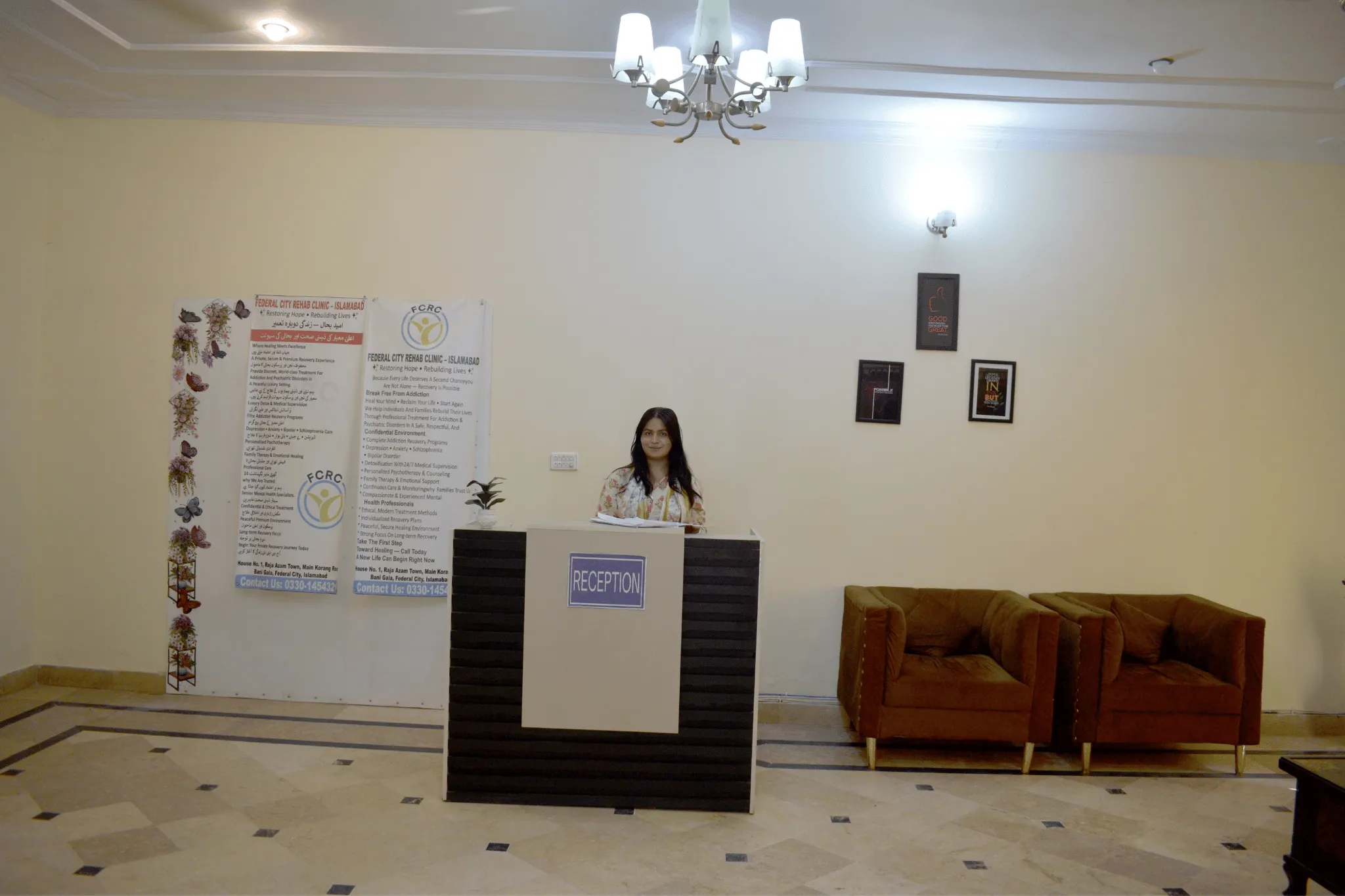
Everything starts with a conversation. The admissions team is available 24 hours a day, every day of the year. You can enquire anonymously, ask any question and decide at your own pace. If the family decides to go ahead, the team plans the arrival and arranges transport if it is needed.
The important decisions are made on the day of admission. Complete documentation is done and all the tests the clinical team requires are carried out. Substance use history, physical health, mental health, family situation and personal goals are reviewed together. From this, the team decides the detox plan, medication, the type of program, the expected length of stay and the level of care. The family is told the plan clearly.
For most patients, detox is the first phase. Doctors and nurses monitor the patient around the clock, manage withdrawal symptoms, give medication where it is clinically indicated, and watch for complications. Detox is the safest and most effective way to begin, and for some substances it is a medical necessity. See how it works on our medical detox program page.
After stabilisation, the patient begins the core therapeutic program, delivered by clinical psychologists and therapists. Consultant psychiatrists assess every patient and treat any co occurring condition at the same time as the addiction. Details are in the next two sections.
Recovery does not happen in isolation. Structured family sessions help relatives understand addiction as a medical condition and learn how to support recovery without enabling it. Family members can visit by coordinating with the team in advance.
Before discharge, every patient completes a relapse prevention plan and leaves with a personal written aftercare plan. The FCRC team stays available to former patients for follow up, guidance and reassessment.
Therapy is where lasting change is built, so it is delivered by trained clinicians and tailored to each patient. The program draws on:
Our service page on Cognitive Behavioral Therapy explains how this works in practice.
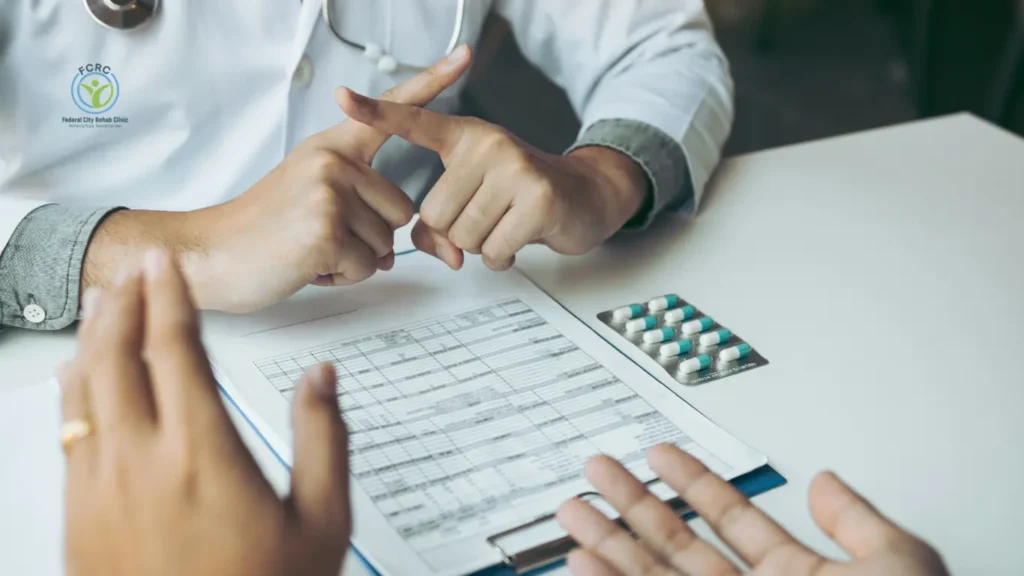
Where it is clinically indicated, medication is part of the plan. It may be used to make withdrawal safer, to protect against seizures in alcohol or benzodiazepine withdrawal, to ease opioid withdrawal symptoms, to treat sleep, anxiety or low mood, or to support recovery after detox.
Every medication is prescribed after assessment, adjusted by the clinical team and given under supervision. It is never given by default and never a replacement for therapy. Patients and families are told what is being used and why.
Many people with serious addiction also live with depression, anxiety, trauma, bipolar disorder or another condition. Sometimes the mental illness came first and drove the substance use. Sometimes long term use caused or worsened it. Treating only the drug use leaves the other half in place and raises the risk of relapse.
At FCRC, consultant psychiatrists assess every patient and treat both conditions in one integrated plan. Our guide to dual diagnosis treatment in Pakistan explains the approach, and our mental health and psychiatry page covers psychiatric care in full.
is offered for patients with lower severity addiction and a supportive home, for those who cannot be admitted, and as a step down after a residential stay. Patients attend scheduled therapy, medical reviews and counselling while living at home. See our outpatient program page.
The clinical team recommends the right format after assessment.
is the most comprehensive option for moderate to severe addiction. Patients stay at the Bani Gala facility with a structured daily schedule of therapy, medical care and wellness activities. Residential care removes the patient from the triggers and pressures that keep addiction going. Read more on our inpatient rehabilitation page.
Every patient is different, so the length is set by the clinical team after assessment and reviewed as treatment progresses. Stays at FCRC usually start at 30 days, with 60 days, 90 days and longer recommended where the assessment shows they are needed.
This matters because short treatment rarely holds. The National Institute on Drug Abuse describes medically assisted detox as only the first stage of treatment, and notes that most people need at least three months in treatment to make a lasting change. Longer engagement, including aftercare, tends to bring better results.
Families often ask what daily life is like. It is calmer and more structured than most people expect.
The day starts with a regular morning routine, breakfast and time for prayer or quiet reflection. Therapy follows: individual sessions, group work, psychiatric review where needed and, on scheduled days, family sessions. Meals are prepared on site with attention to nutrition, since many patients arrive undernourished. There is time for gentle exercise, fresh air and rest, because early recovery is tiring and sleep matters.
Medication is given on schedule under supervision, and the Bani Gala setting helps patients settle. The aim is to show patients what an ordinary day looks like when it is not organised around a drug.
Addiction affects the whole family, and families need support too. At FCRC:
If you are not sure how to start the conversation with someone who needs help, read our guide on how to talk to a family member about getting addiction help.
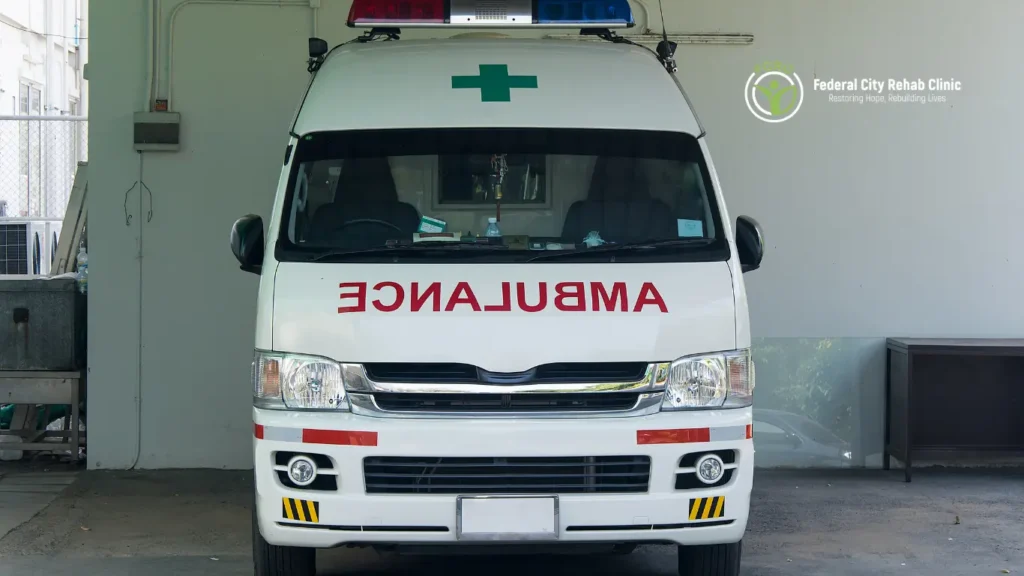
Getting a reluctant or unwell person to a facility is often the hardest step. FCRC provides transport for anyone who needs it, and the admissions team arranges a discreet, professionally managed arrival. For patients coming from other cities, full transport coordination is available.
We provide drug addiction treatment for men and women of all ages and backgrounds, from Islamabad, Rawalpindi, Peshawar, Lahore, Multan, Karachi, Swat and other major cities.
Nothing about a patient is shared with any person or institution without explicit written consent. All staff are bound by strict confidentiality, and you can make your first enquiry anonymously. FCRC is accredited by the Islamabad Healthcare Regulatory Authority (IHRA).
Your privacy is sacred to us
آپ کی رازداری ہمارے لیے مقدس ہے۔


We do not publish a fixed price, because two patients with the same drug can have very different needs. The cost is set individually after assessment and depends on a small number of clear factors:
The admissions team will give you a clear, personalised answer in a confidential call, with no obligation.
Leaving treatment is a vulnerable time. A good aftercare plan names the patient’s personal triggers, sets out coping strategies for each, schedules follow up and says who to contact if things become difficult. Every FCRC patient leaves with a written plan, and the team remains available afterwards. Outpatient sessions can continue support once the patient is home.
Many families ask whether to look at a government or a private drug rehabilitation center. Both exist in Pakistan. Public options include treatment centers run by the Anti Narcotics Force and psychiatry departments in government hospitals. Private centers, including FCRC, are run independently.
They can differ in eligibility, capacity, waiting times, length of stay, available therapies, psychiatric input, privacy arrangements and cost, and this varies from one facility to another. So the useful approach is to ask each place the same questions rather than assume:
Because trust, experience and results matter most.
(اس لیے کہ اعتماد، تجربہ اور نتائج سب سے اہم ہیں۔)
Qualified Psychiatrists and Addiction Specialists. Holistic, Evidence Based Treatment. Safe, Private and Confidential Environment.
Patients Treated
Expert Care
Always Available
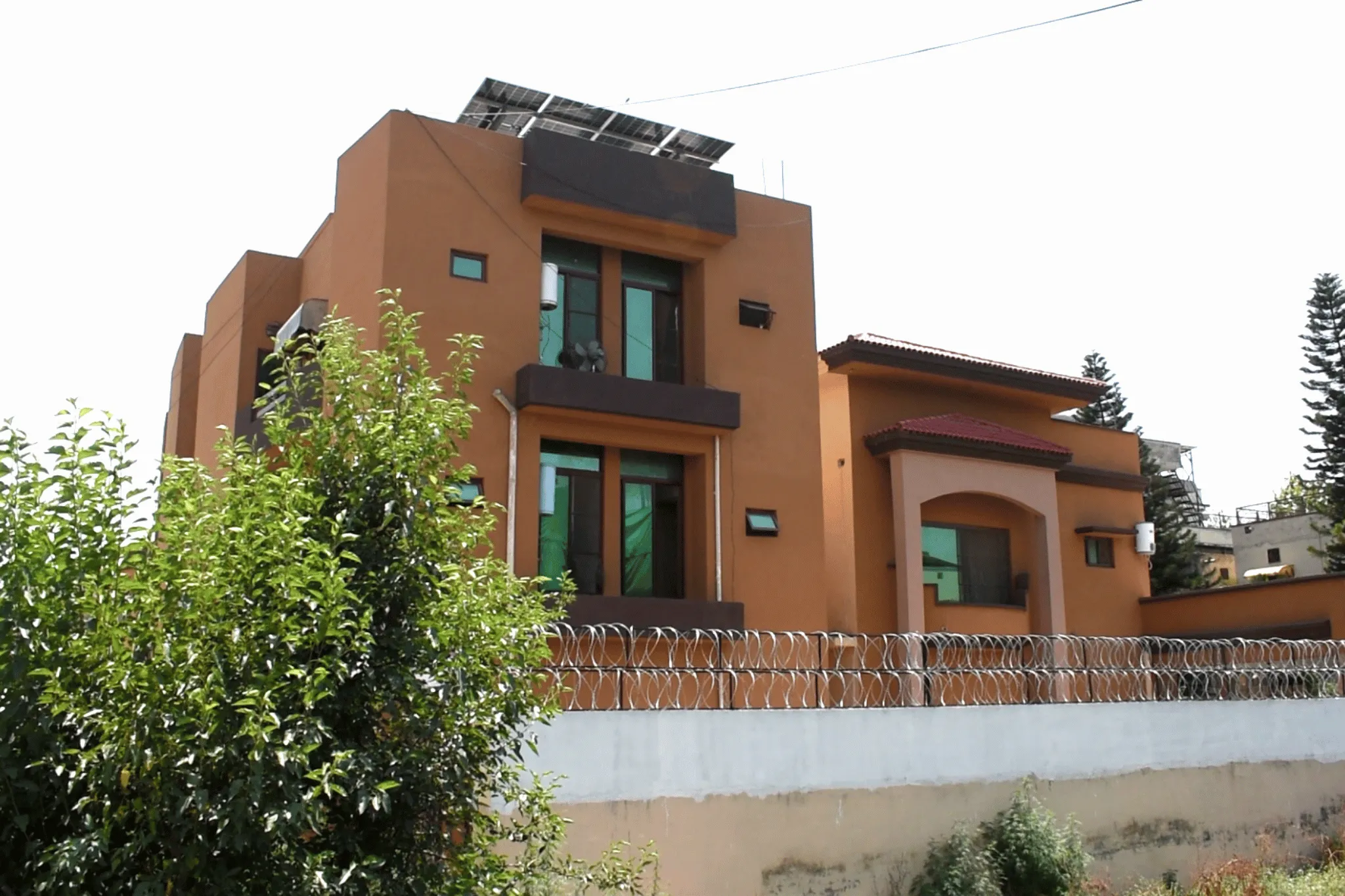
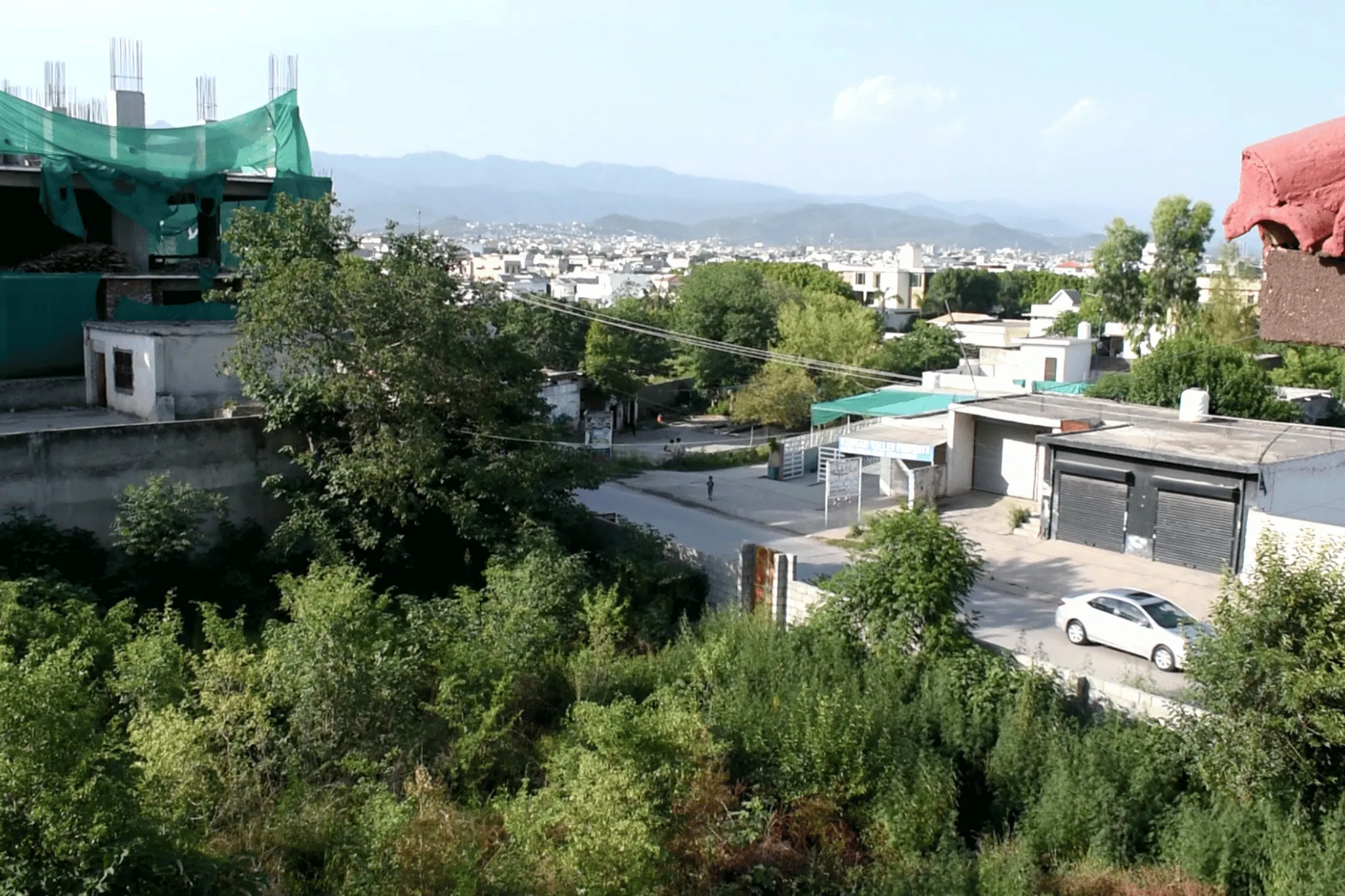
FCRC is in Bani Gala, a quiet hillside neighbourhood of Islamabad. Clean air, green hills and calm surroundings give patients space to rest and focus on therapy, away from the noise and triggers of daily city life.
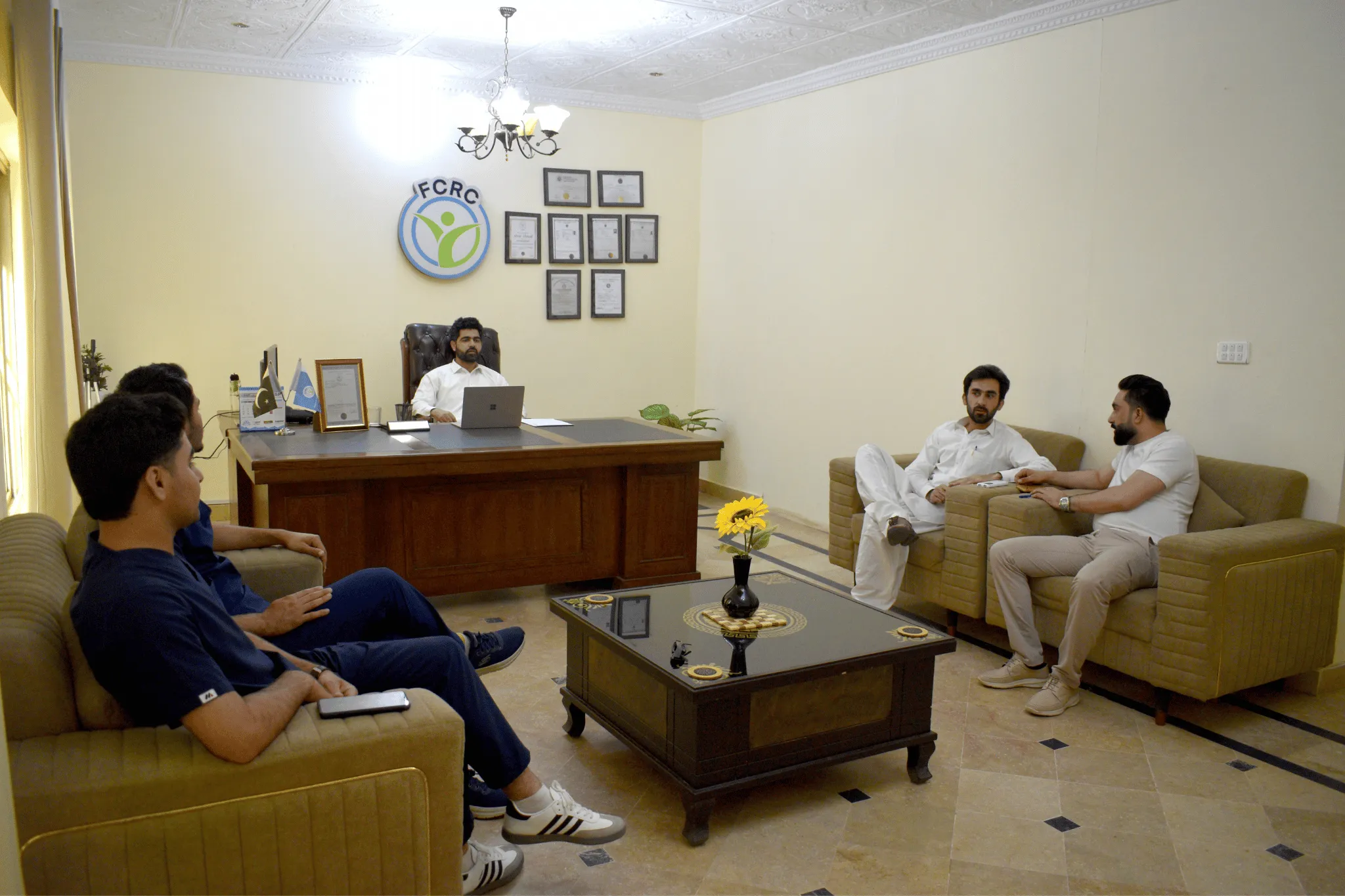
Our team includes consultant psychiatrists with FCPS qualifications, clinical psychologists with M.Phil and doctoral training, addiction medicine specialists, licensed therapists, and medical and nursing staff on duty around the clock.
Nothing is shared without your written consent, and your first enquiry can be anonymous.
Round the clock medical monitoring, a secure facility and clear clinical protocols protect patients from admission to discharge.
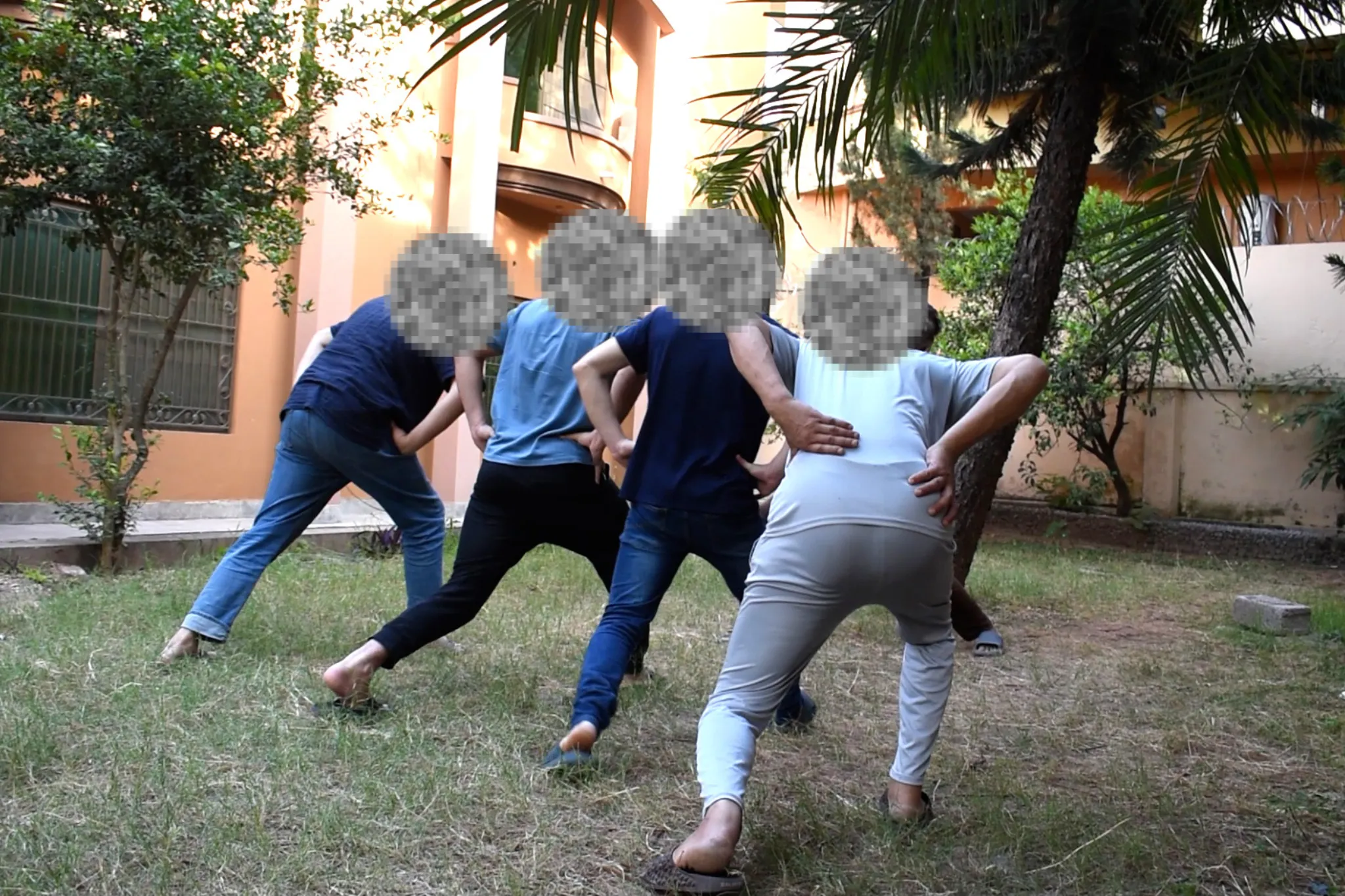
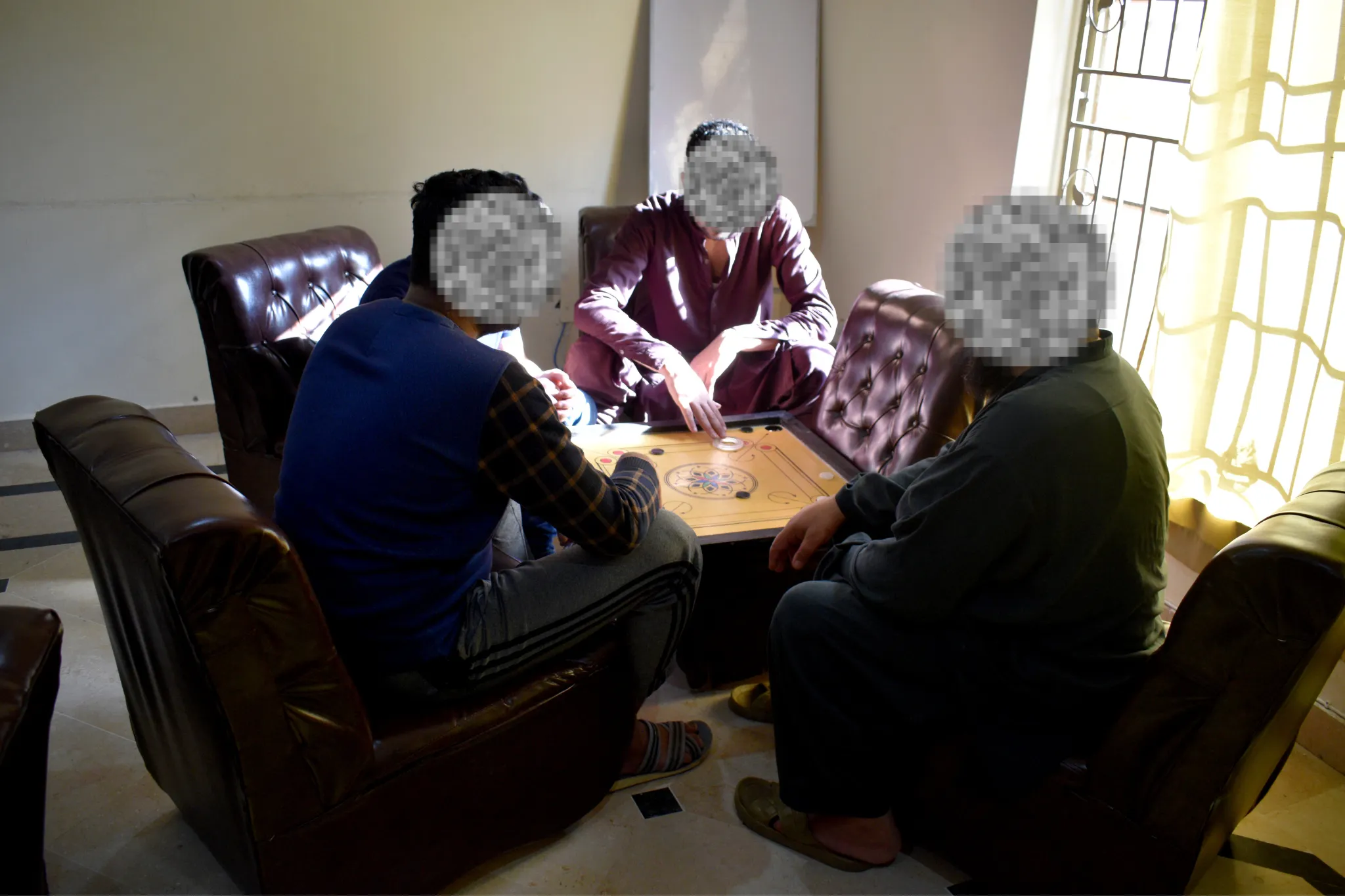
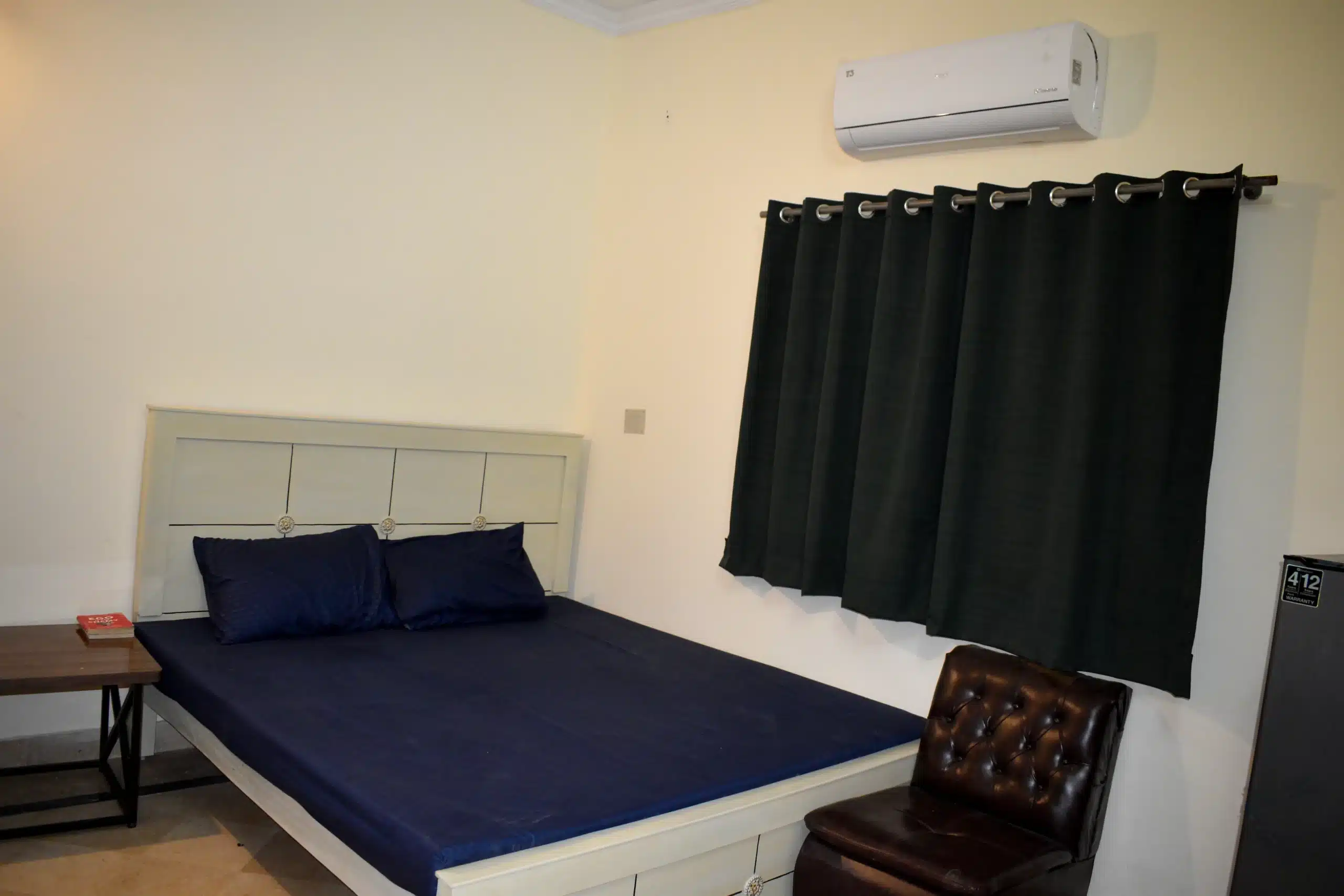
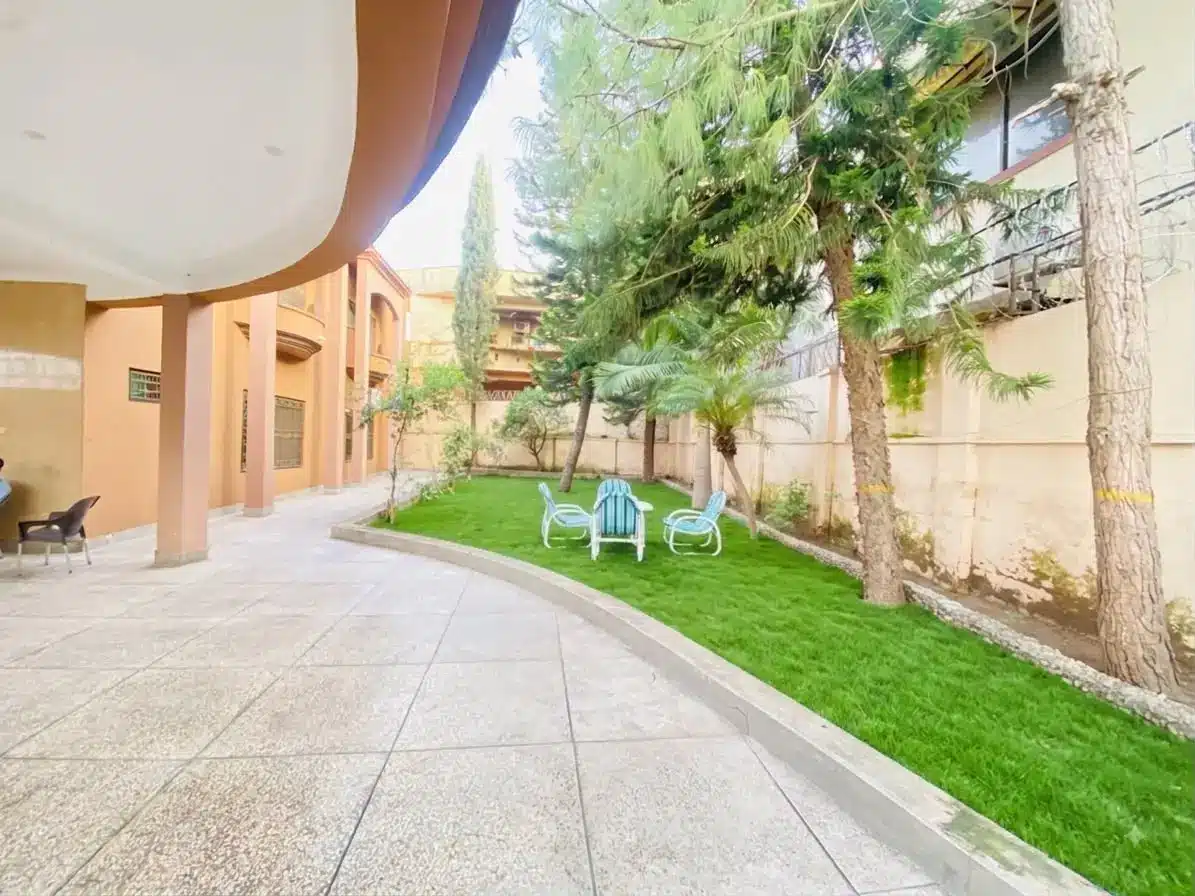
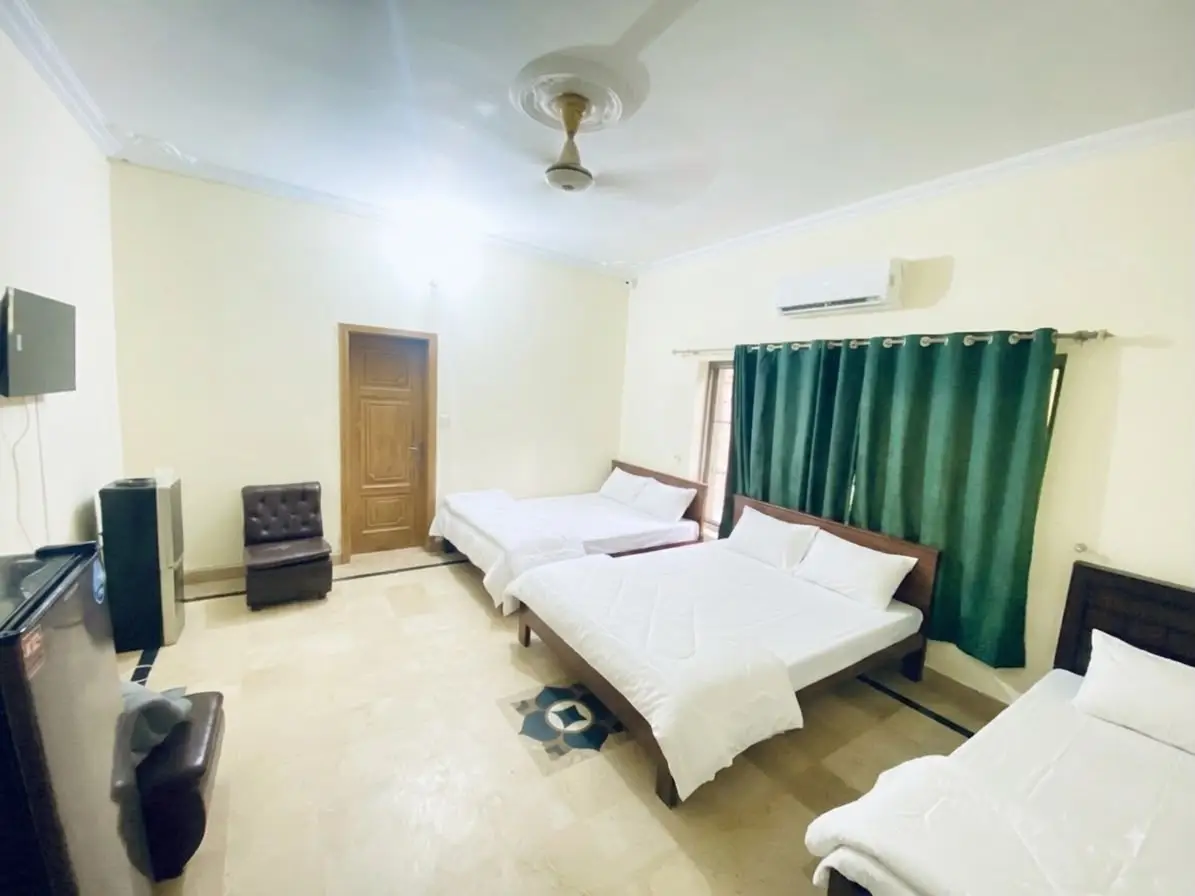
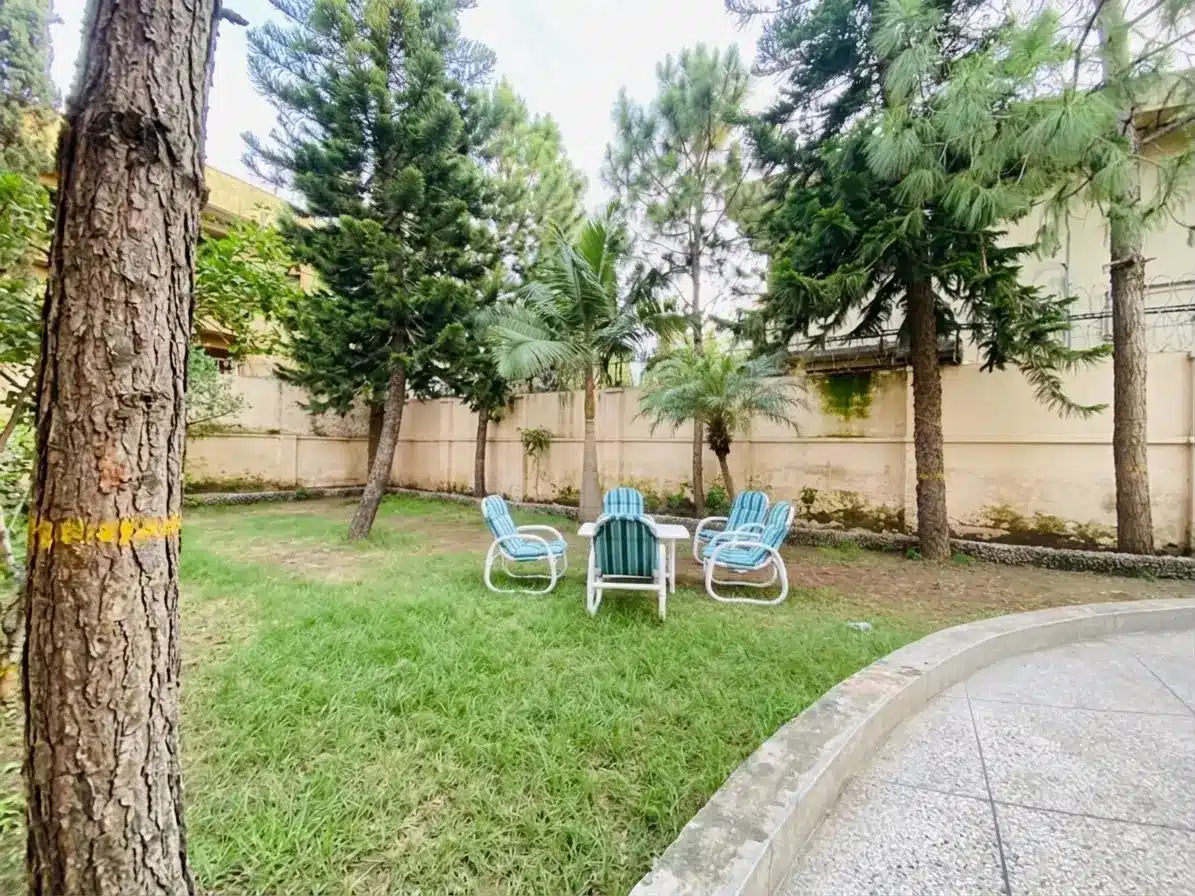
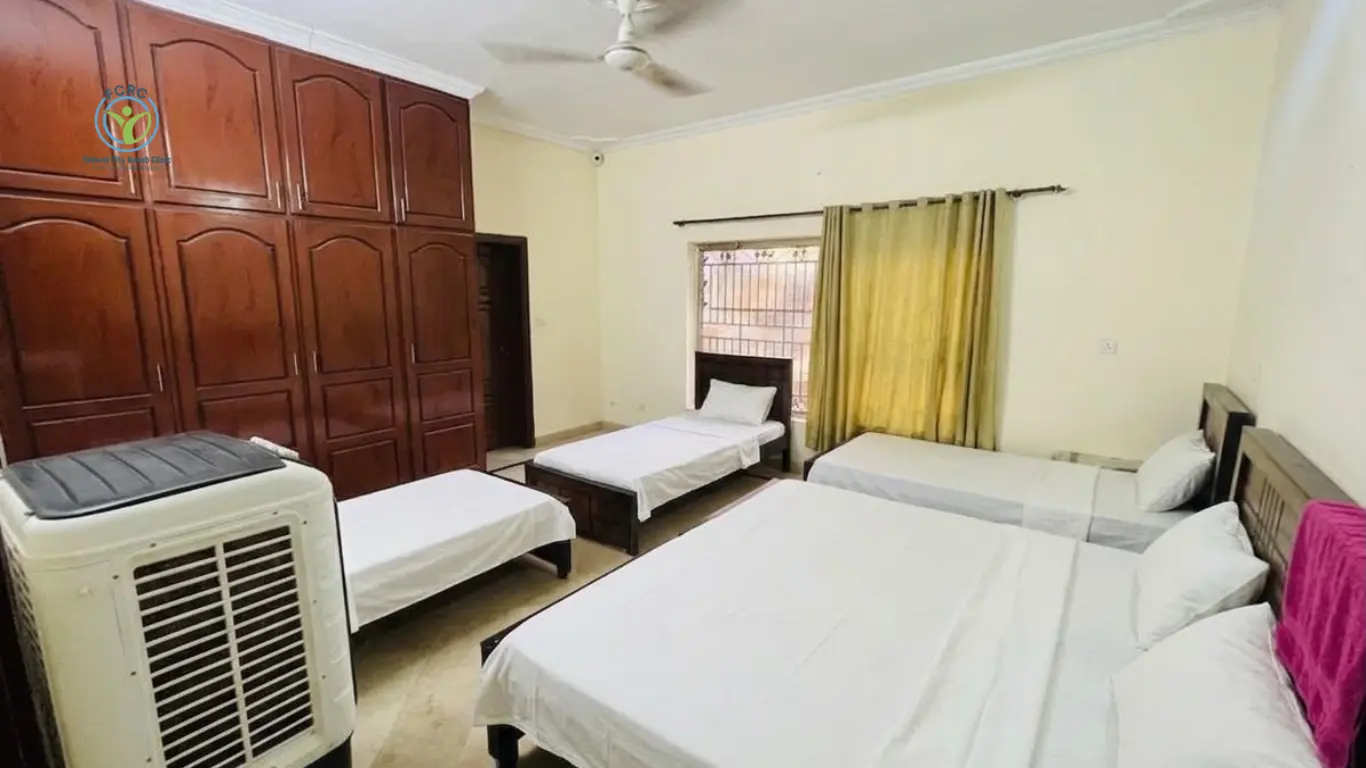
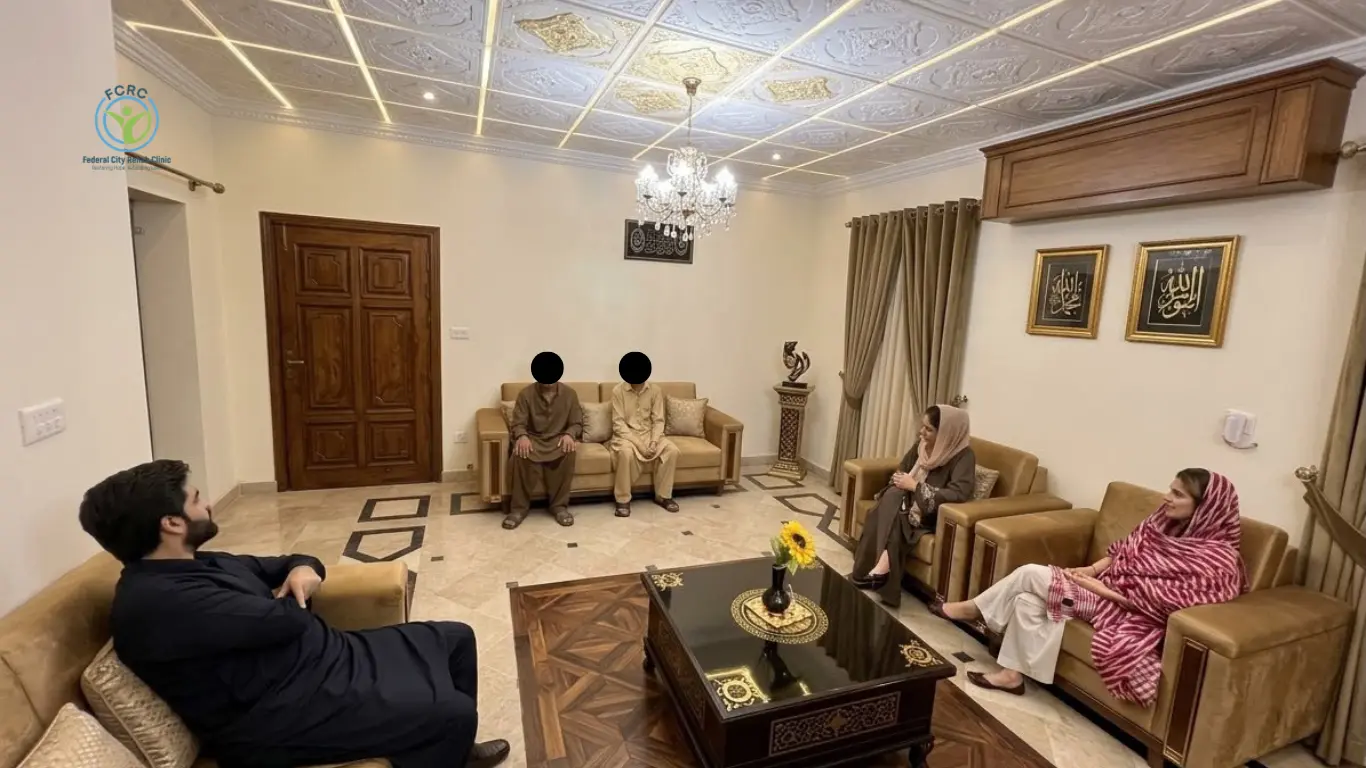
There is no single treatment that fits everyone. The approach with the strongest evidence combines medically supervised detox where needed, medication where indicated, evidence based therapy, treatment of any mental health condition, family involvement and aftercare, delivered for long enough. FCRC builds each plan around the patient’s assessment.
It starts with a confidential enquiry. On the day of admission, documentation and tests are completed and the clinical team decides the detox plan, medication, program type and length of stay. Patients then move through detox, therapy, psychiatric care, family sessions and relapse prevention, and leave with a written aftercare plan.
Stays usually start at 30 days, with 60 and 90 days and longer where the assessment recommends them. Research suggests most people need at least three months of treatment to make a lasting change. The clinical team sets and reviews the length for each patient.
For many substances, yes. Alcohol, benzodiazepines, opioids and ICE all need careful withdrawal management, and for some it is a medical necessity. Detox is the first phase of treatment, not the whole of it. See our medical detox program page.
Yes, where clinically indicated. This can include medication to make withdrawal safer, treat sleep, anxiety or low mood, or support recovery. All medication is prescribed and supervised by the clinical team.
Yes, for patients with lower severity addiction and a supportive home, and as a step down after residential care. The clinical team will tell you plainly if inpatient care is the safer choice.
Yes. Visits are arranged by coordinating with the team in advance, so they fit the patient’s clinical stage. Family therapy sessions are part of the program, and video consultations are available for families who cannot travel.
Yes, for anyone who needs it, including full coordination for patients travelling from other cities.
The cost is set individually after assessment and depends on the substance and severity, the length of stay, inpatient or outpatient care, medication and monitoring, any co occurring condition, room category and transport. We do not publish a fixed price. The admissions team gives a clear, personalised answer with no obligation.
Yes. Nothing is shared with anyone without explicit written consent, and you can enquire anonymously.
Yes. Consultant psychiatrists assess every patient and treat conditions such as depression, anxiety, trauma and bipolar disorder together with the addiction.
Yes. We have a dedicated female rehabilitation program and a youth and adolescent treatment program.
Yes. Patients regularly come from other cities and from overseas, and the admissions team coordinates transport and arrival.
Call the admissions team. A confidential conversation and, if you wish, an assessment will help you decide. You do not need certainty before reaching out.
Ask who is on the clinical team, whether doctors and nurses are present around the clock, whether a psychiatrist is involved, how privacy is protected and what happens after discharge. Our guide on how to find a safe rehab in Pakistan has a full checklist.
You do not need to have everything figured out. You do not need to be certain. You only need to take one step, a conversation with our admissions team, and we will guide you from there at whatever pace feels right.
The team is available 24 hours a day, 7 days a week, 365 days a year. There is no pressure, no judgement and no obligation.
مدد مانگنا کمزوری نہیں، پہلا قدم ہے۔
0330 1454321
federalcityrehabclinc@gmail.com
Our location
House No. 1, Raja Azam Town, Main Korang Road, Bani Gala, Islamabad
WhatsApp us