Every patient who walks through our doors carries a story. These are a few of the stories that walked back out, rebuilt, restored, and renewed. Names and details shared with full consent.
 Posted on Google
 Hidayat King
Trustindex verifies that the original source of the review is Google.
Highly recommended for excellent treatment, caring staff, and quality patient care.Posted on Google Muhammad IlyasI have such great experiences here ! Very professional and authentic approach towards patient and families. Recommended for addictions and psychological treatmentPosted on Google
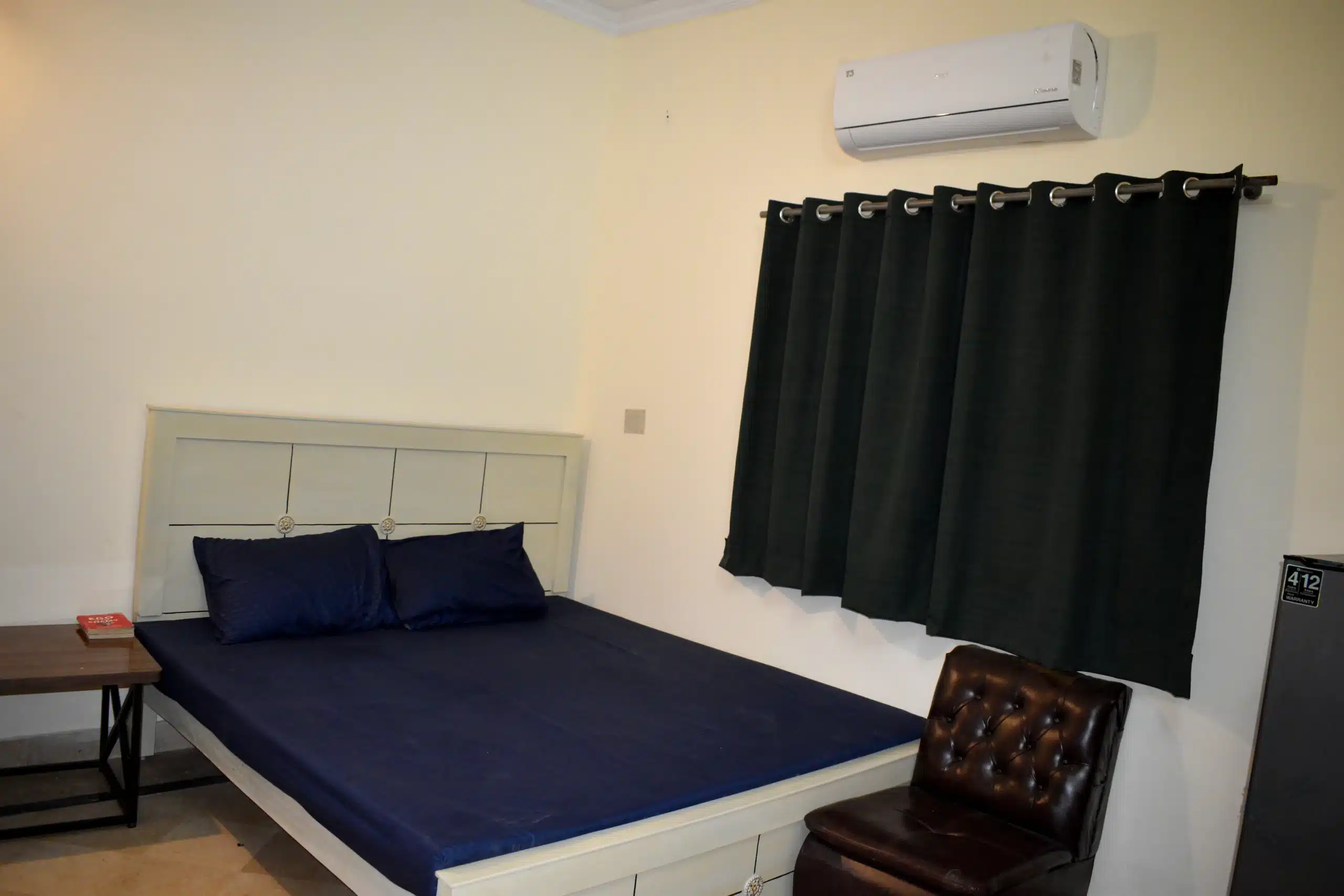
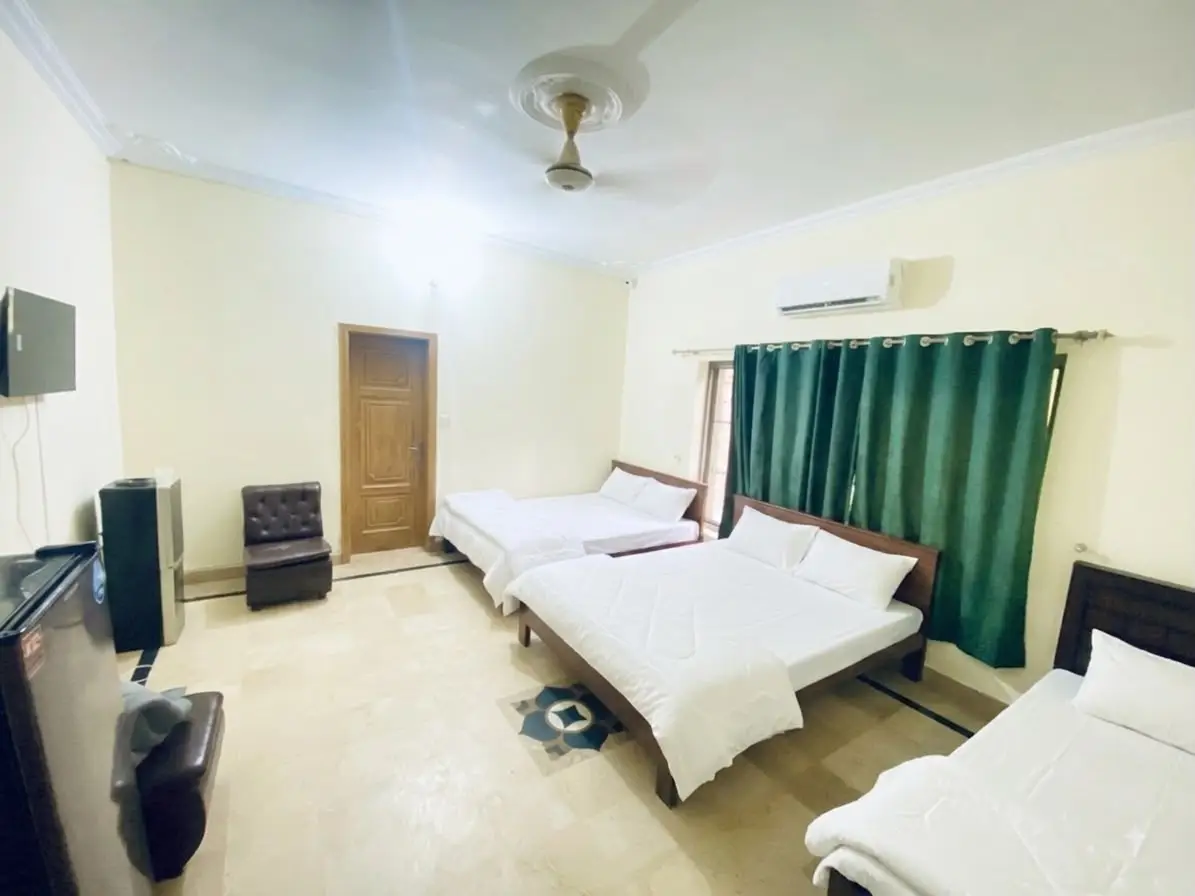
 Hidayat KingI had a very positive experience with this rehabilitation center. The staff are caring, respectful, and available whenever patients need support. The doctors, psychologists, and medical team are highly professional and genuinely dedicated to helping people recover. The environment is clean, safe, and peaceful. Patients receive their medications on time, nutritious meals are provided regularly, and daily therapy and activities are well organized. I highly recommend this rehabilitation center to anyone looking for quality care and a supportive recovery environment.Posted on Google
 Hidayat Kingمیرا ذاتی تجربہ میرے ذاتی تجربے کے مطابق یہ ریہیب بہت اچھا ادارہ ہے۔ یہاں مریضوں کی بہت اچھی دیکھ بھال کی جاتی ہے۔ ادویات اور کھانا وقت پر دیا جاتا ہے، روزانہ باقاعدہ ایکسرسائز کروائی جاتی ہے، اور مریضوں کی صحت پر خصوصی توجہ دی جاتی ہے۔ یہاں کے سائیکاٹرسٹس، سائیکالوجسٹس اور میڈیکل آفیسرز پیشہ ور، مہربان اور 24 گھنٹے دستیاب رہتے ہیں۔ اسٹاف بھی نہایت ذمہ داری، تعاون اور خلوص کے ساتھ مریضوں کی خدمت کرتا ہے۔ میرے تجربے کے مطابق، یہ علاج اور بحالی کے لیے ایک بہترین جگہ ہے۔Posted on Google
 Shayan ShahWhat sets this rehab center apart is the way they combine expert medical care with genuine human kindness. The team creates a safe, peaceful, and motivating environment where recovery feels possible. Every staff member, from therapists to support staff, treats patients with dignity and encouragement. The personalized treatment plans, daily activities, and counseling sessions helped rebuild strength, confidence, and independence. It’s a place where healing happens with both science and heart.Posted on Google
 Yasir SaeedGreat rehab services, the client I referred showed exceptional improvements in behavior.Posted on Google
 Mujahid iqbalI had a very positive experience with Federal City Rehab Clinic. The staff is professional, caring, and respectful. The doctors and counselors provide excellent support, and the environment is clean, peaceful, and well-managed. They truly care about their patients and their recovery. I highly recommend this clinic to anyone seeking quality rehabilitation and mental health services.Posted on Google
 Sanaullah FaizI had a family member admitted to this rehab center, and our experience was very positive. The environment was clean, peaceful, and supportive, which made us feel comfortable during a difficult time. The staff was caring and respectful, and they created a positive atmosphere for patients and families. We truly appreciated the care and attention provided.Posted on Google
 hazrat aliProfessional services and a peaceful environment. I appreciate the dedication of the team.Verified by TrustindexTrustindex verified badge is the Universal Symbol of Trust. Only the greatest companies can get the verified badge who has a review score above 4.5, based on customer reviews over the past 12 months. Read more
Dr. Kifayat Ullah
MBBS, PhD (Public Health), MPH
0330 1454321
Detoxification is the essential first step of every addiction recovery journey. It is the process through which the body clears itself of substances it has become dependent on, and it is a process that demands proper medical management. Attempting detox without clinical supervision is not only less likely to succeed. For many substances, it is genuinely dangerous.
If you or someone you love is ready to begin recovery, the first and most important decision is to ensure that detox happens safely, in the right hands, with the right clinical support in place from the very first hour.
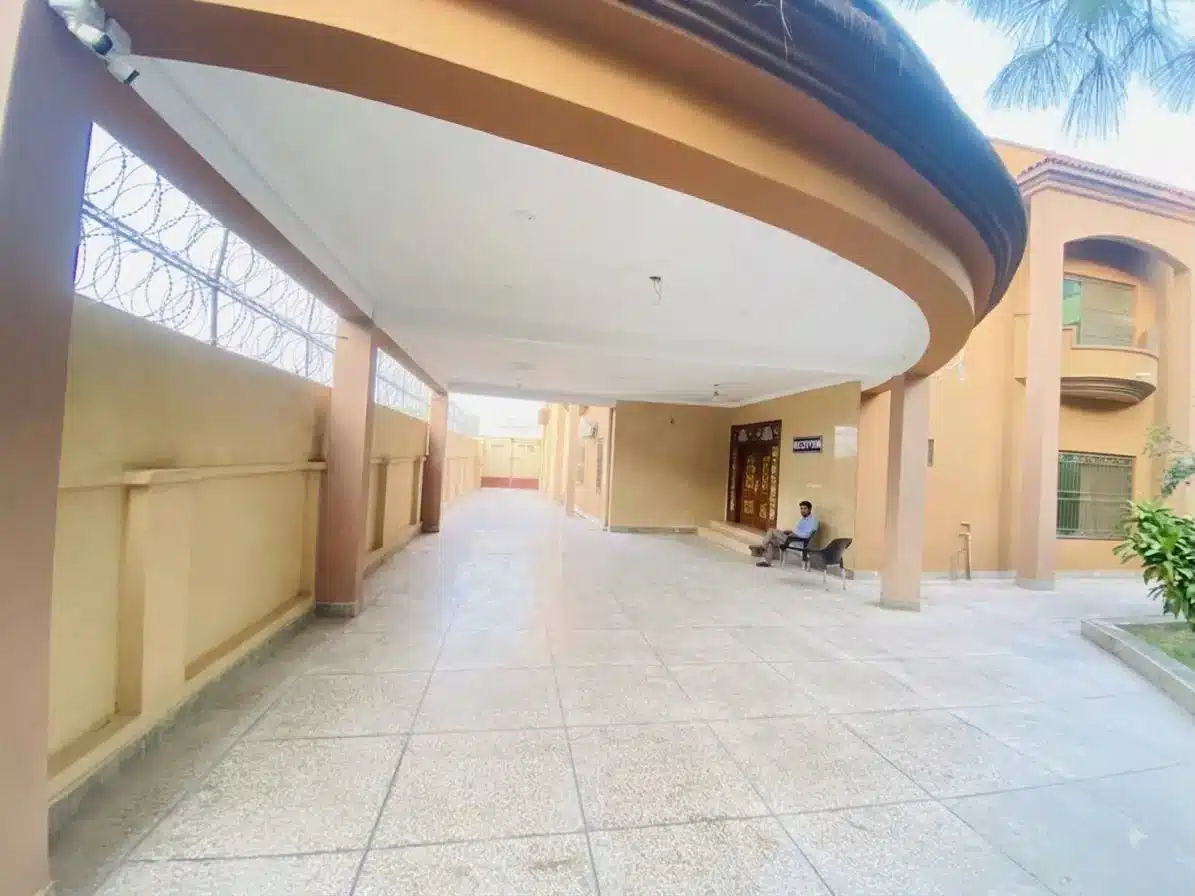
At Federal City Rehab Clinic, all detoxification programmes are medically supervised around the clock by a qualified clinical team. Our detox protocols are evidence based, personalised to each patient’s specific substance use history and physical condition, and delivered within the safe, peaceful environment of our Bani Gala facility. We have managed detox for patients from across Pakistan, for every substance type, and at every level of dependency severity.
Whatever the substance. Whatever the duration of use. Safe detox is possible, and FCRC is here to deliver it.
Medical detoxification is the clinically supervised process of allowing the body to clear substances from its system while managing the withdrawal symptoms that arise when a dependent person stops using.
When a person uses substances regularly over a period of time, the brain and body adapt to their presence. Neurochemistry shifts. Physiological processes recalibrate around the assumption that the substance will continue to be present. When it is suddenly removed, this adaptation reverses, producing the withdrawal syndrome, a collection of physical and psychological symptoms that range in severity from uncomfortable to life threatening depending on the substance, the duration of use, and the individual’s physical condition.
Medical detox does not simply mean waiting for the substance to leave the body. It means actively managing the withdrawal process, preventing complications, treating symptoms with appropriate clinical interventions, and ensuring the patient’s physical and psychological safety throughout. According to the National Institute on Drug Abuse (NIDA), medically supervised detox significantly improves patient safety and completion rates compared to unsupervised withdrawal.
Detox is not the entirety of addiction treatment. It is the necessary foundation on which effective treatment is built. A patient who has been safely detoxified is physically and neurologically ready to engage with the deeper therapeutic work that produces lasting recovery.
The necessity of medical supervision during detox varies by substance, but for several of the most commonly misused substances in Pakistan, it is not optional. It is a clinical requirement.
Alcohol withdrawal is one of the most medically dangerous withdrawal syndromes. According to the Mayo Clinic, alcohol withdrawal can cause seizures and delirium tremens, a severe state involving confusion, hallucinations, and dangerous cardiovascular instability, within 24 to 72 hours of the last drink in dependent patients. Without medical supervision, these complications can be fatal.
Benzodiazepine withdrawal, including withdrawal from Xanax and other similar medications, carries comparable risks. Seizures can occur with abrupt cessation in dependent individuals, making medically supervised tapering the only safe approach.
Opioid withdrawal, including heroin and tramadol, while not typically life threatening, produces an intensely uncomfortable syndrome involving severe pain, nausea, vomiting, insomnia, and profound psychological distress. Without clinical management, the discomfort drives almost all patients back to use.
ICE and stimulant withdrawal is primarily a psychiatric emergency. Severe depression, suicidal ideation, paranoia, and psychotic episodes during ICE withdrawal require continuous psychiatric monitoring and management.
For every substance type, medical supervision meaningfully improves both the safety of the detox process and the likelihood that the patient will successfully complete it and proceed to the therapeutic phase of treatment.
FCRC provides medically supervised detoxification for all major substance dependencies presenting in Pakistan.
Alcohol detox at FCRC is managed with evidence based medication protocols designed to prevent seizures, manage withdrawal symptoms, and support the patient’s physical stability throughout the process. Thiamine supplementation and nutritional support are provided to address the nutritional deficiencies that commonly accompany alcohol dependency. Medical monitoring is continuous from the first hour of admission.
Opiate withdrawal is managed at FCRC with a clinically tailored protocol that addresses both the physical and psychological dimensions of the withdrawal syndrome. Medication assisted treatment options are available where clinically indicated. Our clinical team manages every aspect of the withdrawal process, ensuring the patient’s comfort and safety throughout.
ICE detox requires a level of psychiatric oversight that distinguishes it from most other substance withdrawals. FCRC’s consultant psychiatrists are directly involved in the management of every ICE detox patient, monitoring for psychosis, suicidal ideation, and severe mood disturbance, and intervening clinically wherever necessary. This level of psychiatric involvement during detox is what makes FCRC’s ICE programme one of the most specialised available in Pakistan.
Benzodiazepine withdrawal requires a carefully structured tapering protocol, reducing the dose gradually under medical supervision to allow the nervous system to adjust safely. Abrupt cessation is dangerous and must never be attempted without clinical guidance. FCRC’s medical team designs individual tapering schedules based on the specific benzodiazepine, the dose, and the duration of use.
Tramadol dependency is a rapidly growing problem across Pakistan. FCRC’s tramadol detox protocol manages both the physical withdrawal syndrome and the significant psychological distress that accompanies it, using a structured clinical approach designed to minimise discomfort and ensure complete detoxification.
Pregabalin withdrawal produces a distinctive and challenging syndrome including severe anxiety, insomnia, and physical discomfort. FCRC’s clinical team manages pregabalin detox with a supervised tapering protocol combined with appropriate supportive treatment.
While cannabis withdrawal is not medically dangerous, it produces significant psychological symptoms including anxiety, irritability, insomnia, and intense cravings that benefit from clinical support. FCRC provides supervised cannabis detox as part of our comprehensive cannabis addiction treatment programme.
Because trust, experience, and results matter most. (اس لیے کہ اعتماد، تجربہ اور نتائج سب سے اہم ہیں۔)

Expert Care
Patients Treated
Always Available
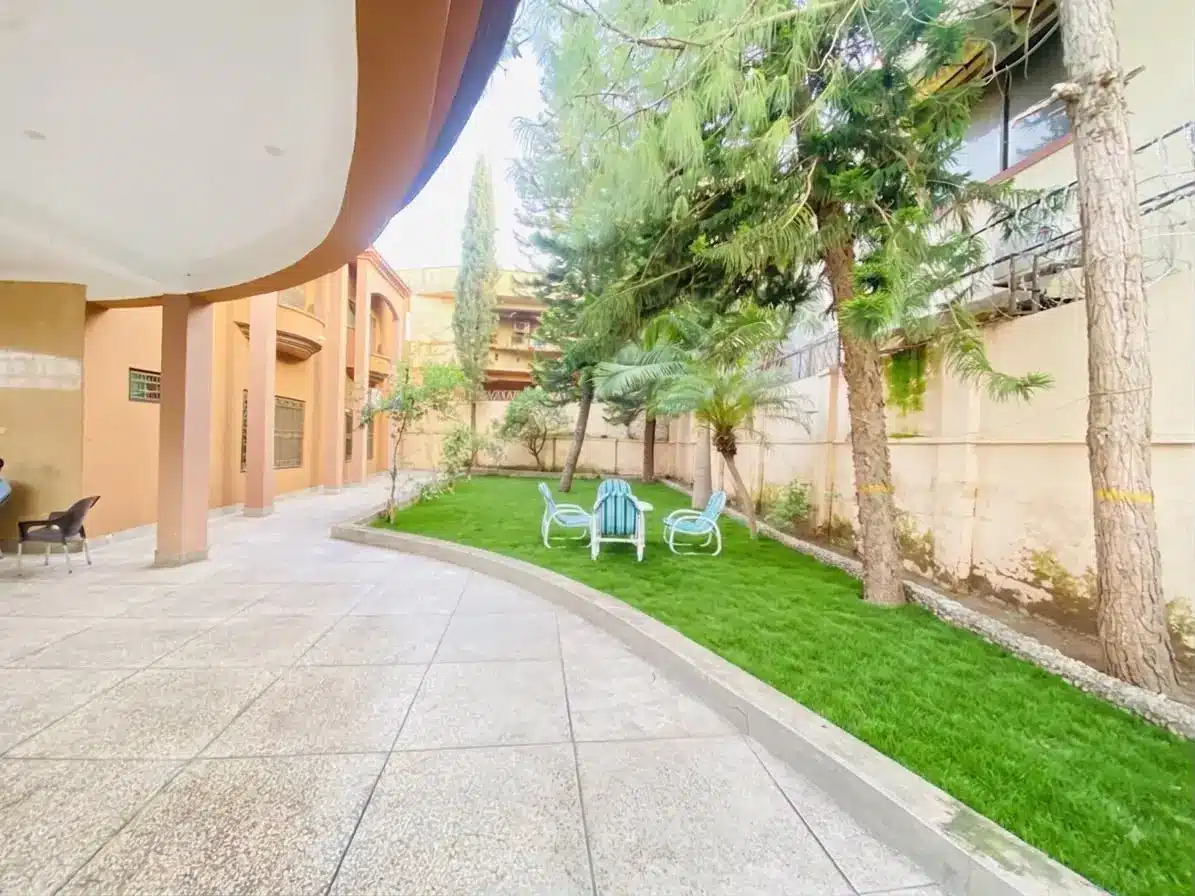
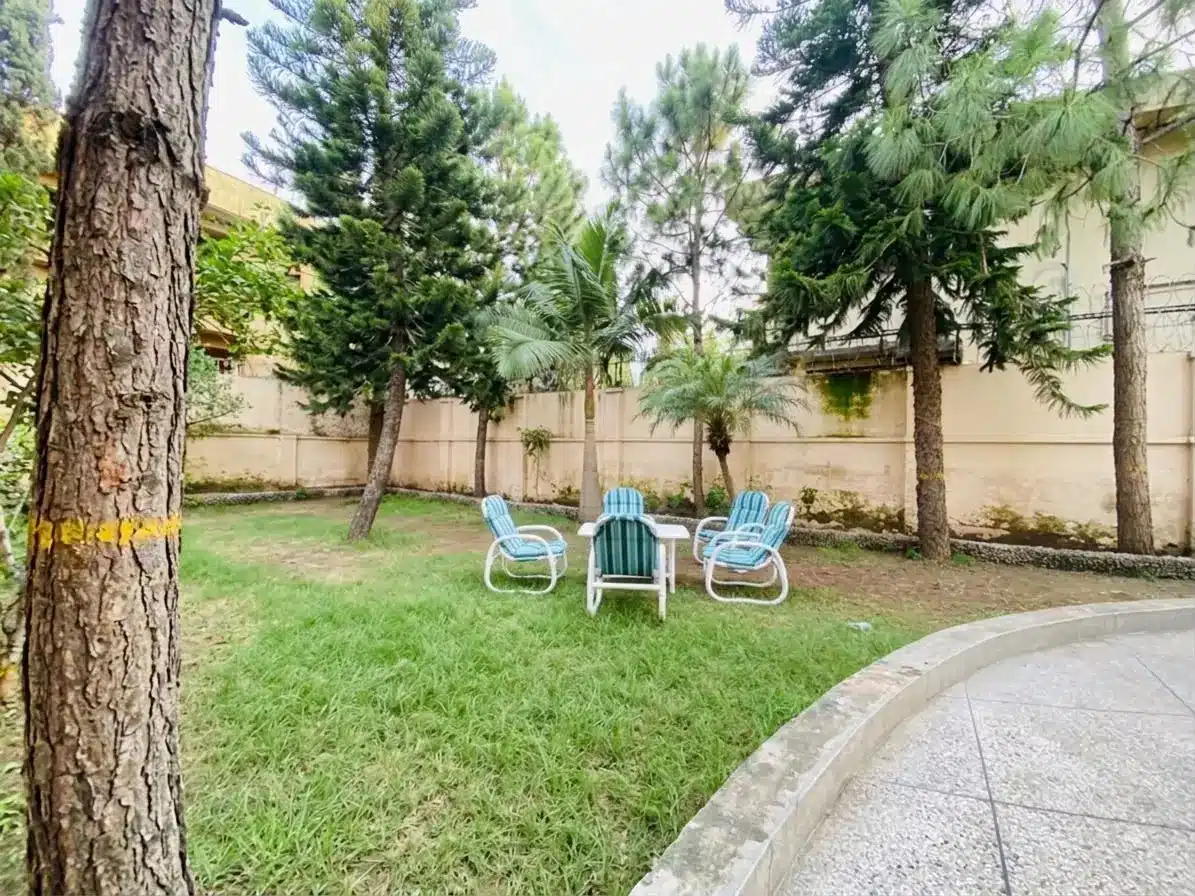
Bani Gala’s clean air and mountain calm create a recovery setting that no urban facility can match.
Board certified psychiatrists and addiction specialists, decades of expertise, one purpose.
Nothing shared without your consent. Your secret is safe here.
آپ کی رازداری ہمارے لیے مقدس ہے۔
Round the clock medical monitoring from admission to discharge.
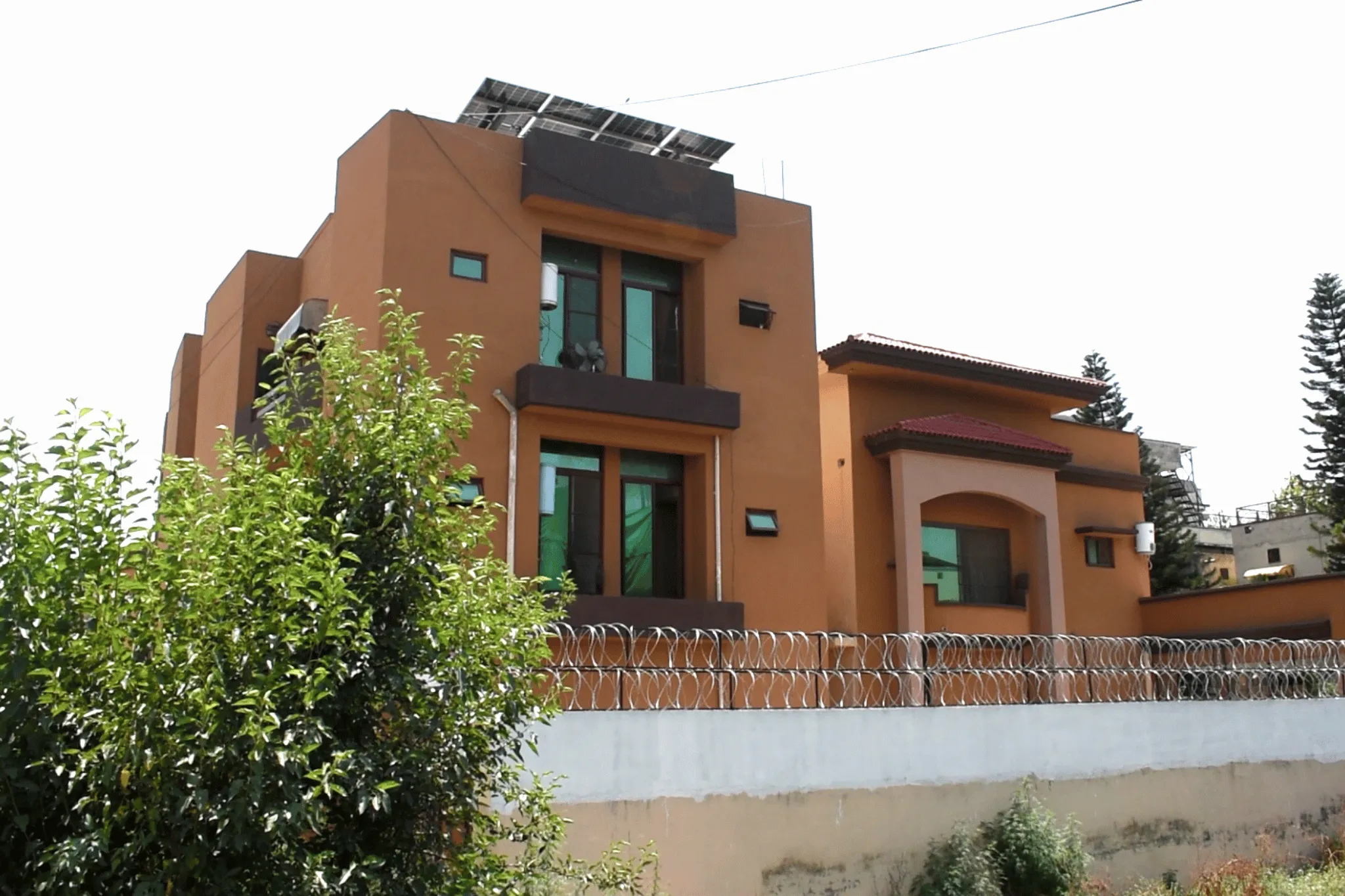

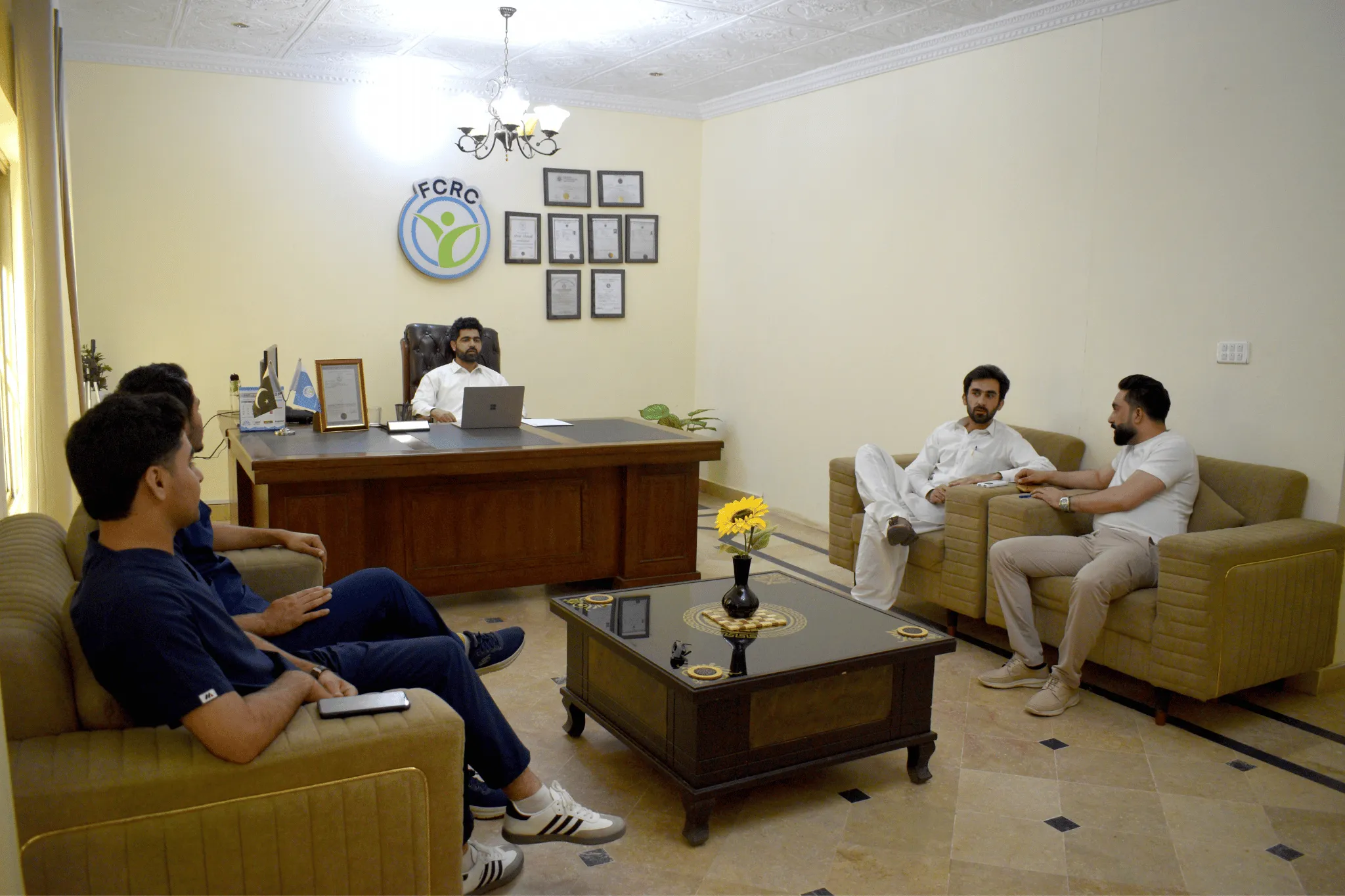

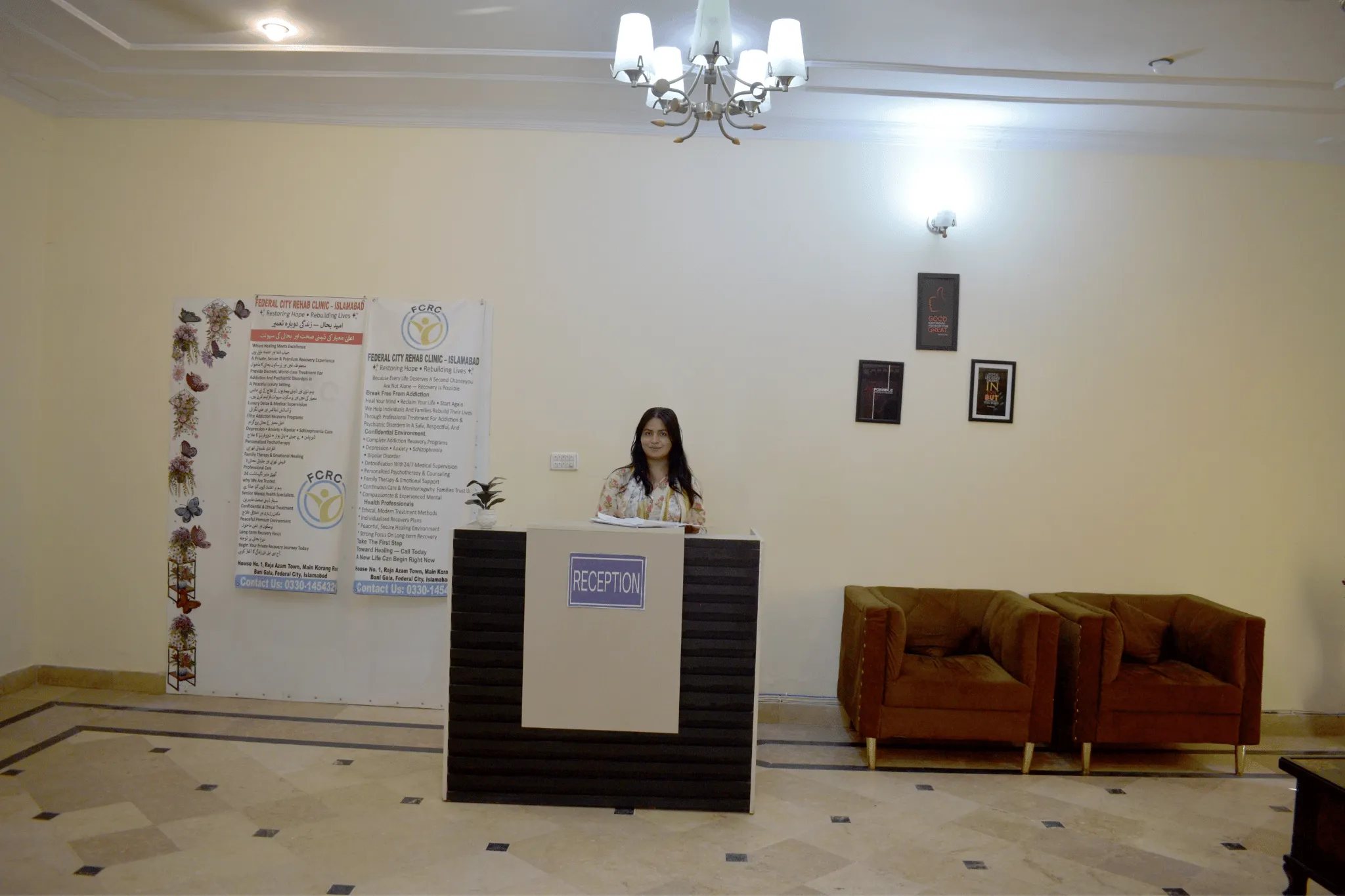
FCRC provides medical detoxification for patients from across Pakistan. We regularly admit patients from
For out of city patients, our admissions team provides full transport coordination and a discreet, professionally managed arrival process.
We operate a dedicated female rehabilitation programme for women who require a gender specific care environment.
FCRC’s detoxification treatment programme is built around a clear, clinically proven framework, personalised to the individual needs of every patient.
01
Before detox begins, every patient undergoes a comprehensive clinical assessment covering their full substance use history, current physical health, mental health status, and any medical conditions that may affect the detox process. This assessment determines the specific detox protocol, the medications required, the level of monitoring needed, and the expected duration of the detox phase.
Pre admission assessment ensures that nothing is missed and that the clinical team is fully prepared before the patient begins withdrawal.
02
On admission to FCRC, patients are received by the clinical team, baseline observations are taken, and the detox protocol begins immediately. For patients arriving in acute withdrawal, stabilisation is the immediate clinical priority.
From the moment of admission, the patient is never without clinical oversight. Medical and nursing staff are present around the clock throughout the detox phase.
03
Throughout the withdrawal period, FCRC’s clinical team monitors the patient’s vital signs, mental state, and symptom progression continuously. Medications are adjusted in response to the patient’s condition. Complications are identified early and managed immediately.
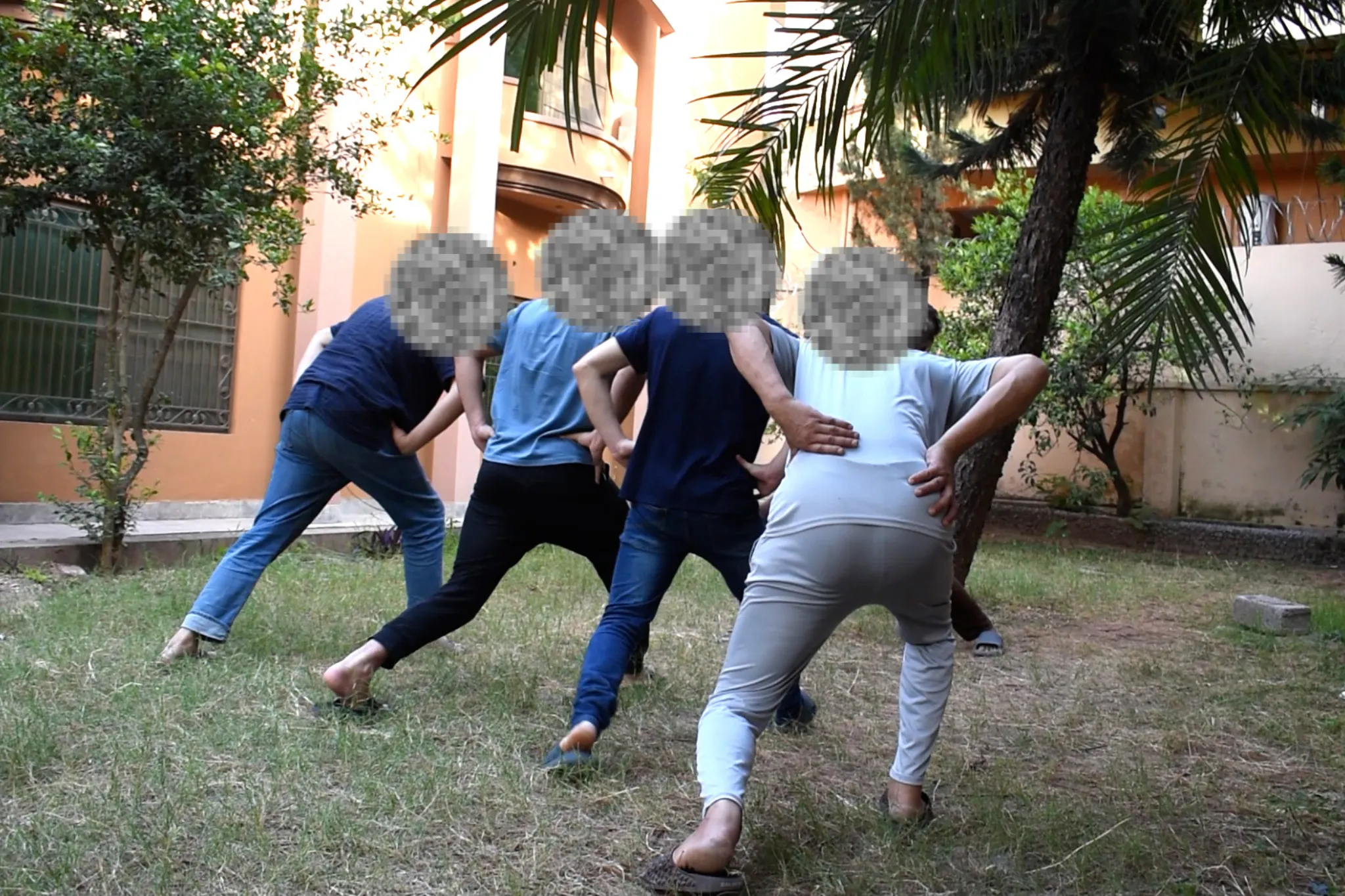
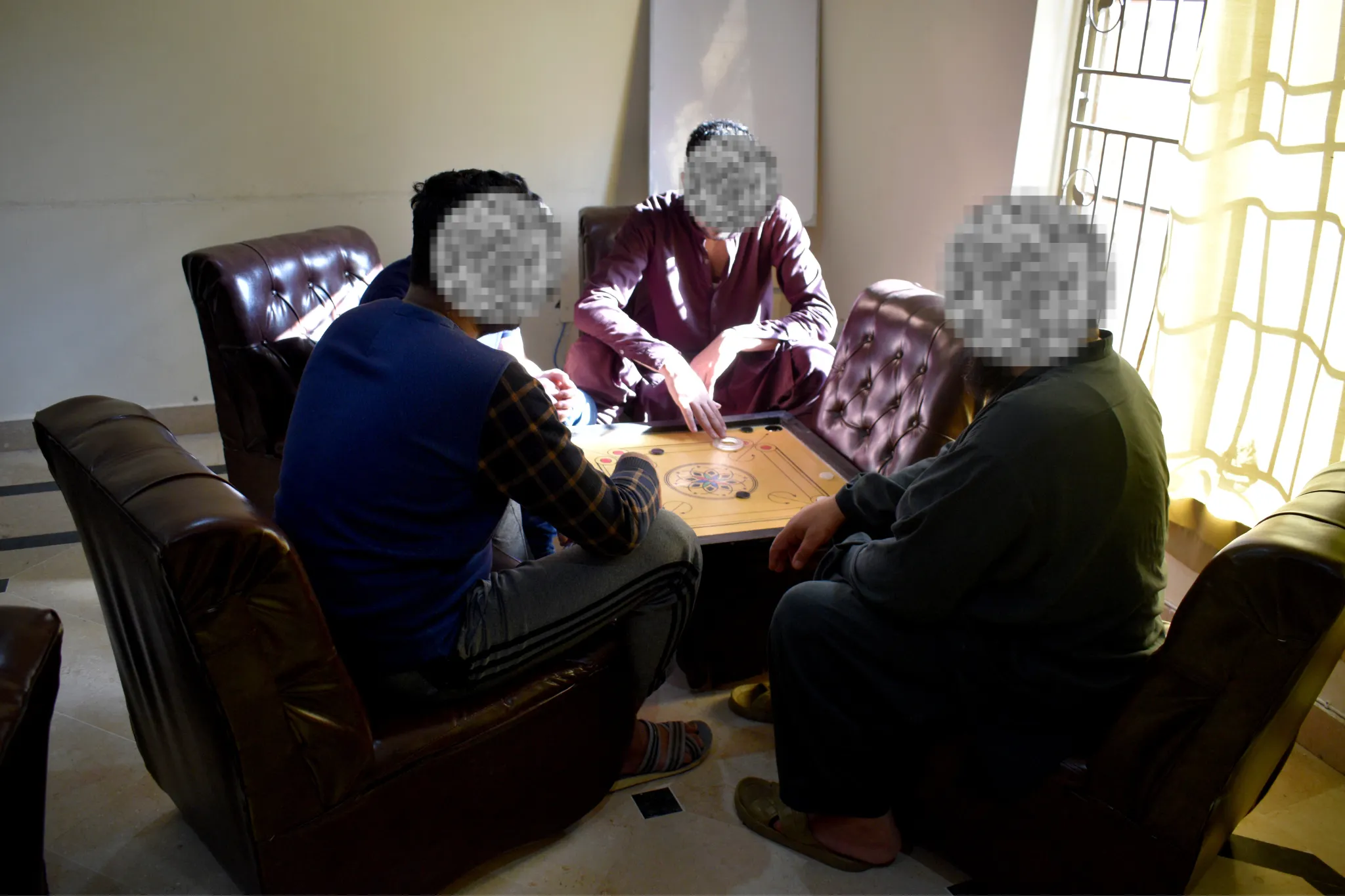
Patients are kept as comfortable as possible throughout detox. Nutritional support, hydration, sleep management, and psychological support from our clinical team all contribute to an experience that, while demanding, is managed with the highest standard of clinical care.
04
All patients undergoing detox at FCRC receive regular psychiatric monitoring throughout the withdrawal period. For ICE, alcohol, and benzodiazepine patients particularly, psychiatric assessment is a daily clinical activity during detox. Co occurring mental health conditions that emerge or become apparent during detox are identified and incorporated into the overall treatment plan.
05
Detox is complete when the clinical team confirms that the patient is medically and psychiatrically stable and ready to engage fully with the therapeutic phase of treatment. The transition from detox to the main therapeutic programme is carefully managed to ensure continuity of care and clinical momentum.
Every patient who completes detox at FCRC moves seamlessly into the inpatient rehabilitation programme or, where appropriate, the outpatient programme, with a fully developed treatment plan already in place.
is available for carefully selected patients with lower severity dependencies and strong clinical and social support structures in place. Patients attend FCRC for daily clinical review and medication management while living at home. This option is available only where the clinical team determines it is safe to do so.
FCRC offers medical detoxification through both residential inpatient and structured outpatient formats.
is strongly recommended for all moderate to severe dependencies, and is essential for alcohol, benzodiazepine, and ICE withdrawal. Patients are admitted to FCRC’s Bani Gala facility and remain under 24/7 clinical supervision throughout the detox period. The residential setting provides the controlled, safe environment that medically significant withdrawal requires.
You do not need to have everything figured out before reaching out. You do not need to be certain. You do not need to have made a final decision.
You simply need to take one step, a conversation with our admissions team. From there, we will guide you through everything at whatever pace feels right for you.
FCRC’s admissions team is available 24 hours a day, 7 days a week, 365 days a year. There is no pressure, no judgement, and no obligation.
0330 1454321
federalcityrehabclinc@gmail.com
Our location
House No. 1, Raja Azam Town, Main Korang Road, Bani Gala, Islamabad
es. Alcohol withdrawal can cause seizures and delirium tremens within 24 to 72 hours of the last drink in dependent patients. These are serious medical emergencies. Professional medical supervision is not optional for alcohol detox. It is essential.
The duration of detox varies by substance and individual. Alcohol and benzodiazepine detox typically takes 7 to 14 days. Opioid detox typically takes 5 to 10 days. ICE detox varies considerably depending on the psychiatric presentation. The clinical team will provide a clear timeline following the pre admission assessment.
No. Detox is the essential first step of addiction treatment, but it is not treatment in itself. Research consistently shows that detox alone, without subsequent psychological therapy and rehabilitation, produces very low rates of sustained recovery. At FCRC, detox is always followed by a comprehensive therapeutic programme designed to address the underlying drivers of addiction.
For most significant substance dependencies, home detox is unsafe and inadvisable. For alcohol and benzodiazepine dependency in particular, it is medically dangerous. FCRC strongly recommends clinically supervised detox for all patients with moderate to severe dependency.
ompletely. No information about any patient is ever shared without explicit written consent. Patients may enquire anonymously before making any decision.

Islamabad’s most trusted rehabilitation centre; professional, confidential, and compassionate care for addiction and mental health, nestled in the peaceful hills of Bani Gala.
Copyright © 2026 FCRC. All Rights Reserved.
WhatsApp us