Relapse Prevention in Islamabad, Pakistan Protecting Your Recovery
Personalised plans. Ongoing support. Completely confidential.
آپ کی صحت یابی، ہمارے ساتھ، ہر قدم پر۔
client feedbacks
Stories of Recovery
Real Lives, Real Results
Every patient who walks through our doors carries a story. These are a few of the stories that walked back out, rebuilt, restored, and renewed. Names and details shared with full consent.
 Posted on Google
 Muhammad Umer
Trustindex verifies that the original source of the review is Google.
One the best rehab center in the peace of bani gala, Islamabad. 10/10Posted on Google Muhammad Ibrahim AfzalThe best addiction center in Islamabad. A friend of mine was admitted here and they provided the service.Posted on Google
 MALANG BROTHERSThe staff was professional, supportive, and respectful. The environment was comfortable and the overall experience was very good. I appreciate the team’s dedication and carePosted on Google
 Khan KhanBest facility for drug addiction treatmentPosted on Google
 Fozia Fozia khanMy experience at Federal City Rehab Clinic has been genuinely positive. The therapeutic environment is calm and well-suited to patient recovery, promoting both psychological and physical wellbeing. The clinical staff demonstrate a high level of professionalism, with consistent, patient-centered care. Medication administration and treatment protocols are followed with appropriate diligence, ensuring timely and accurate delivery of prescribed care. Hygiene and sanitation standards are well maintained throughout the facility, reflecting strong infection-control practices. Nutritional care is also handled thoughtfully, with meals catering appropriately to patient requirements. Overall, FCRC operates as a well-managed, clinically sound rehabilitation facility. Highly recommended.Posted on Google
 Malang JanExcellent rehabilitation center with professional staff, quality treatment, and compassionate care.Posted on Google
 M JHighly recommended for excellent treatment, caring staff, and quality patient care.Posted on Google
 Muhammad IlyasI have such great experiences here ! Very professional and authentic approach towards patient and families. Recommended for addictions and psychological treatmentPosted on Google
 Hidayat KingI had a very positive experience with this rehabilitation center. The staff are caring, respectful, and available whenever patients need support. The doctors, psychologists, and medical team are highly professional and genuinely dedicated to helping people recover. The environment is clean, safe, and peaceful. Patients receive their medications on time, nutritious meals are provided regularly, and daily therapy and activities are well organized. I highly recommend this rehabilitation center to anyone looking for quality care and a supportive recovery environment.Verified by TrustindexTrustindex verified badge is the Universal Symbol of Trust. Only the greatest companies can get the verified badge who has a review score above 4.5, based on customer reviews over the past 12 months. Read more
Service List
Therapist Detail
Abrar Ahmad
CEO | Consultant Clinical Psychologist | Addiction Therapist
Need Any Help ?
0330 1454321
Completing detox and treatment is a genuine achievement, but recovery does not end on the day a patient leaves a facility. The period after treatment, returning to daily life, old environments, and familiar pressures, is where many people in recovery feel most vulnerable, and where the right support makes the greatest difference.
If you or someone you love has completed treatment, or is approaching the end of a programme, thinking ahead to this stage is not a sign of doubt. It is a sign of taking recovery seriously.
At Federal City Rehab Clinic, we provide structured relapse prevention in Islamabad, built into every treatment programme and available as ongoing support after discharge. We help patients identify their personal risks, build practical coping strategies, and stay connected to support long after they leave our care.
Whatever stage of recovery you are in. Whatever concerns you about staying on track. A relapse does not have to happen, and FCRC is here to help you protect what you have worked for.
Understanding Relapse and Why It Happens
Relapse is a common and well documented part of the recovery journey for many people, not a sign of failure or weakness. According to the National Institute on Drug Abuse, relapse rates for substance use disorders are similar to those of other chronic medical conditions such as hypertension and diabetes, where a return of symptoms reflects the chronic nature of the condition rather than a failure of treatment or willpower.
Relapse is rarely a single, sudden event. It typically develops gradually, beginning with emotional changes such as stress, isolation, or mood disturbance, progressing to mental relapse, where thoughts of using return and internal conflict builds, and only then to physical relapse, the actual return to substance use. Recognising this progression is central to preventing it.
Common triggers include stress, exposure to people or places associated with past use, unresolved emotional pain, overconfidence after a period of stability, and a return to environments that have not changed since treatment began. Understanding a person’s specific risk factors is the foundation of effective relapse prevention.
Signs Someone May Be at Risk of Relapse
Recognising early warning signs allows intervention before a full relapse occurs. The following are commonly observed indicators.
- Withdrawal from support systems, therapy sessions, or recovery meetings.
- Increased contact with people or environments associated with past substance use.
- Romanticising past use, or minimising the harm it previously caused.
- Rising stress, irritability, or mood changes without healthy outlets to manage them.
- Overconfidence, believing one can manage exposure to triggers without risk.
- Neglecting self-care, sleep, or routines established during treatment.
If any of these signs are present, in yourself or someone you care about, reaching out early matters significantly. FCRC’s clinical team is available for a confidential consultation at any time, whether or not the person was originally treated at FCRC.
Why Structured Relapse Prevention Matters
This point deserves real emphasis. Leaving recovery to willpower alone, without a structured plan, significantly increases the risk of relapse, particularly in the first months after treatment ends.
The American Society of Addiction Medicine identifies structured aftercare and relapse prevention planning as a core component of effective addiction treatment, noting that patients who engage in continued support after primary treatment have meaningfully better long-term outcomes than those who do not. Treatment that ends abruptly at discharge, without a plan for what comes next, leaves patients exposed at precisely the point they are most vulnerable.
Assuming that completing detox and therapy is sufficient on its own, without ongoing support, is a real risk to sustained recovery. A relapse prevention plan is not an extra. It is part of responsible, complete treatment.
At FCRC, relapse prevention is built into every patient’s programme from the outset, and continues to be available long after formal treatment has ended.
Why Choose FCRC for Relapse Prevention in Islamabad, Pakistan?
Because trust, experience, and results matter most.
(اس لیے کہ اعتماد، تجربہ اور نتائج سب سے اہم ہیں۔)
- Qualified psychiatrists and addiction specialists
- Holistic, evidence-based, personalised prevention planning
- Safe, private, and confidential ongoing support

15+ Years
Expert Care
500+
Patients Treated
24/7
Always Available
The Environment
Bani Gala’s clean air and mountain calm create a recovery setting that no urban facility can match.
The Clinical Team
Board-certified psychiatrists and addiction specialists, decades of expertise, one purpose.
Confidentiality
Nothing shared without your consent. Your secret is safe here.
آپ کی رازداری ہمارے لیے مقدس ہے۔
Safety
Continued, structured support, available long after discharge.
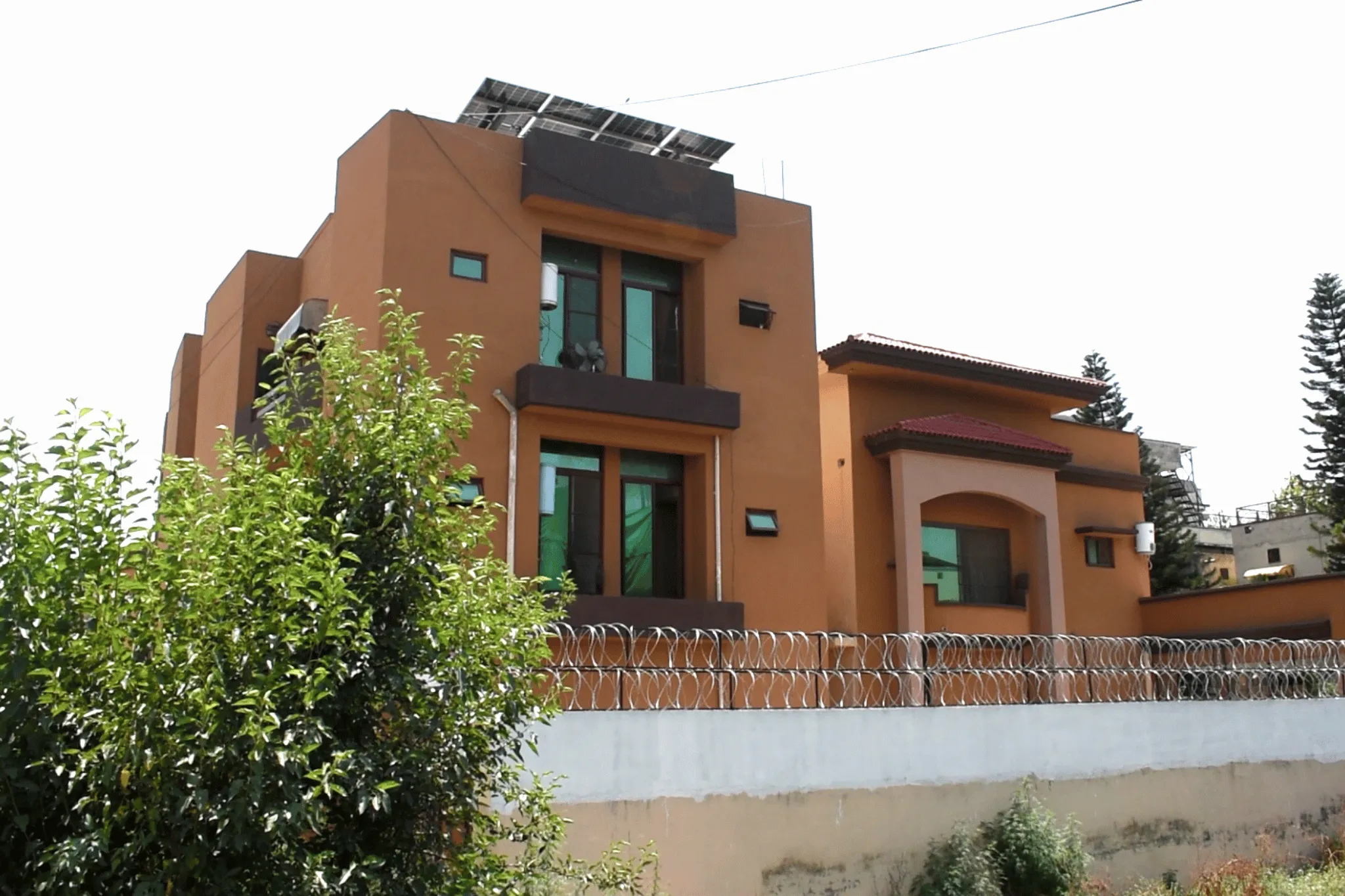
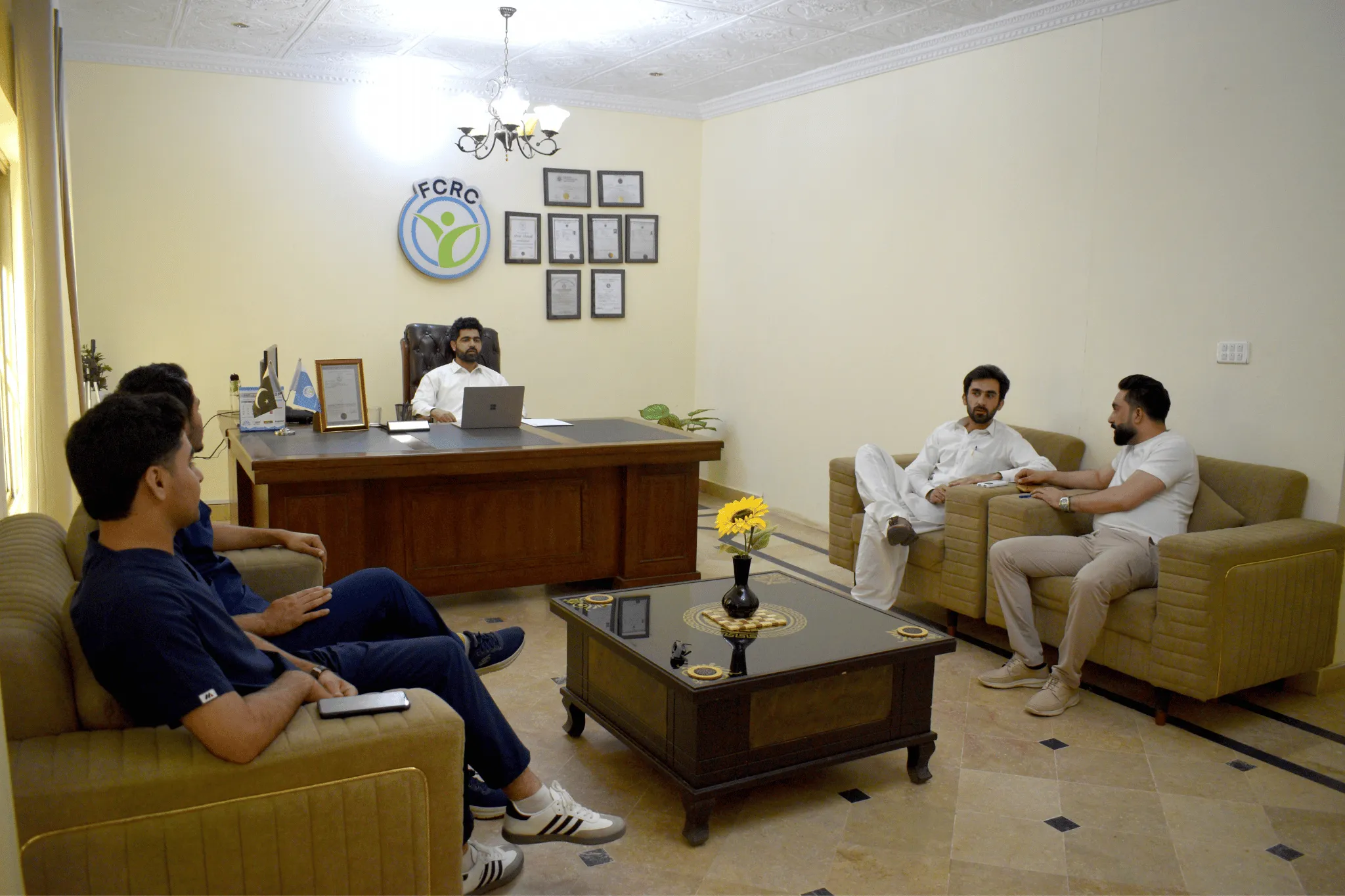
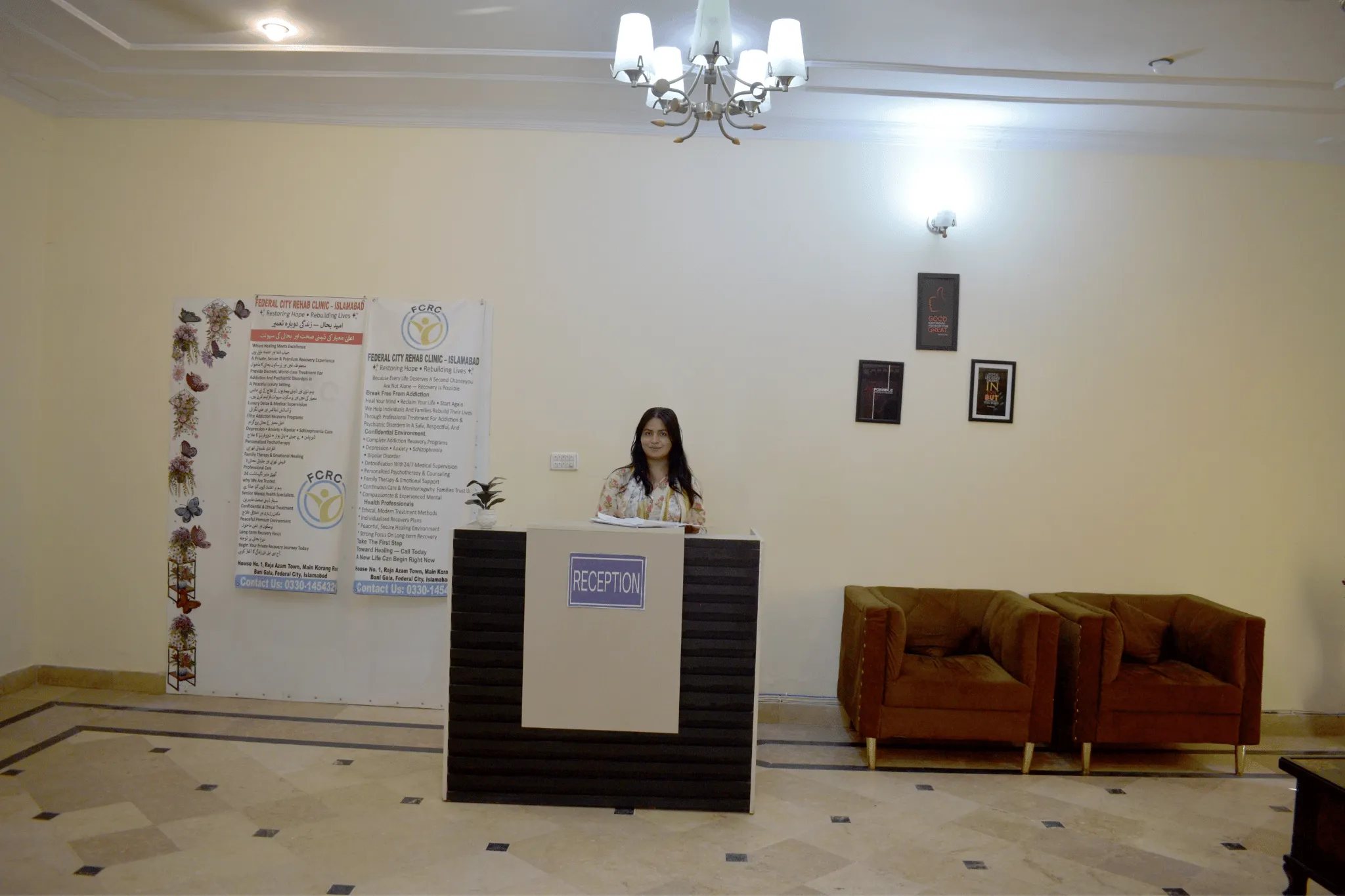
our facility
A Place Built for Healing

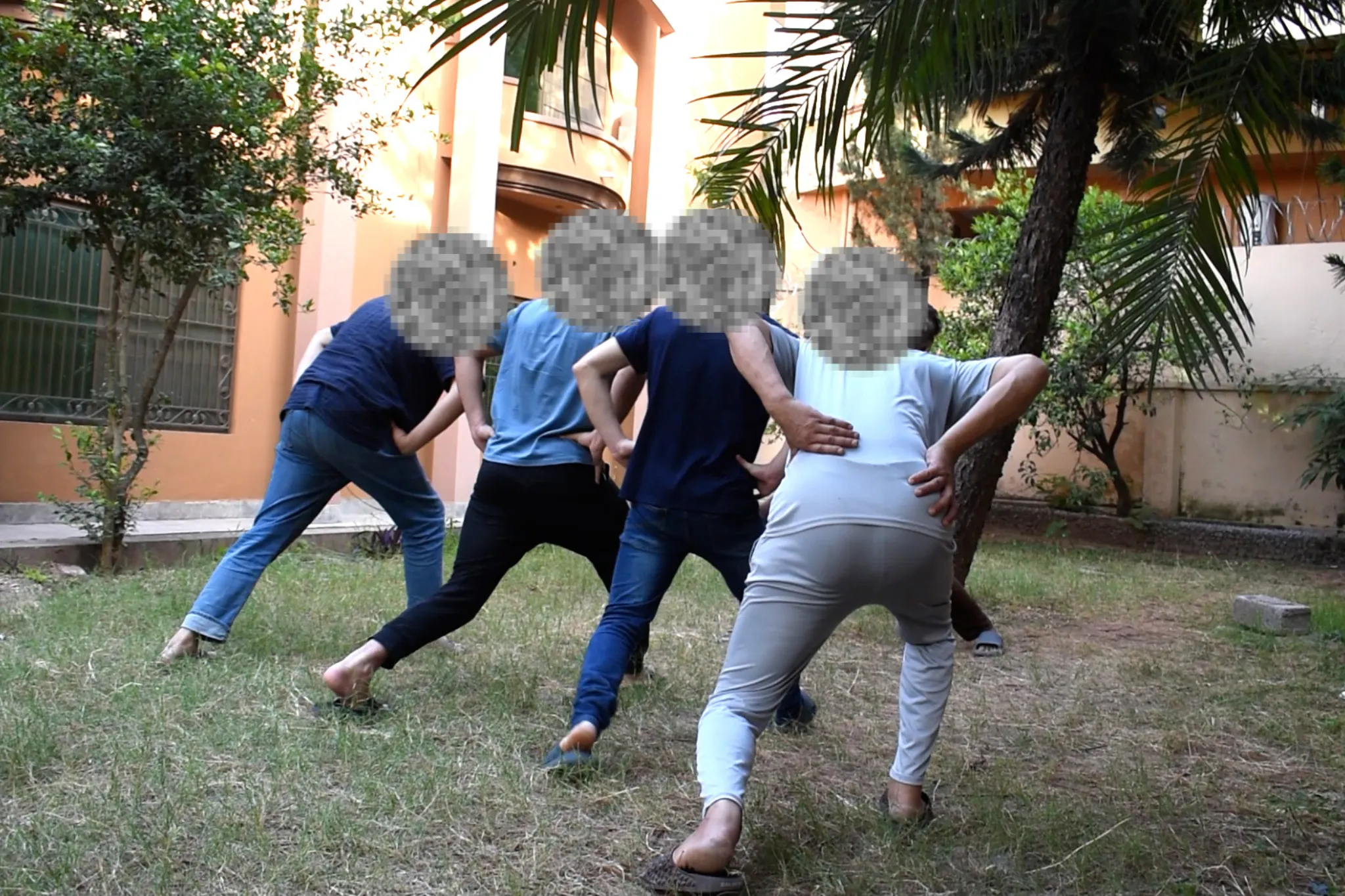
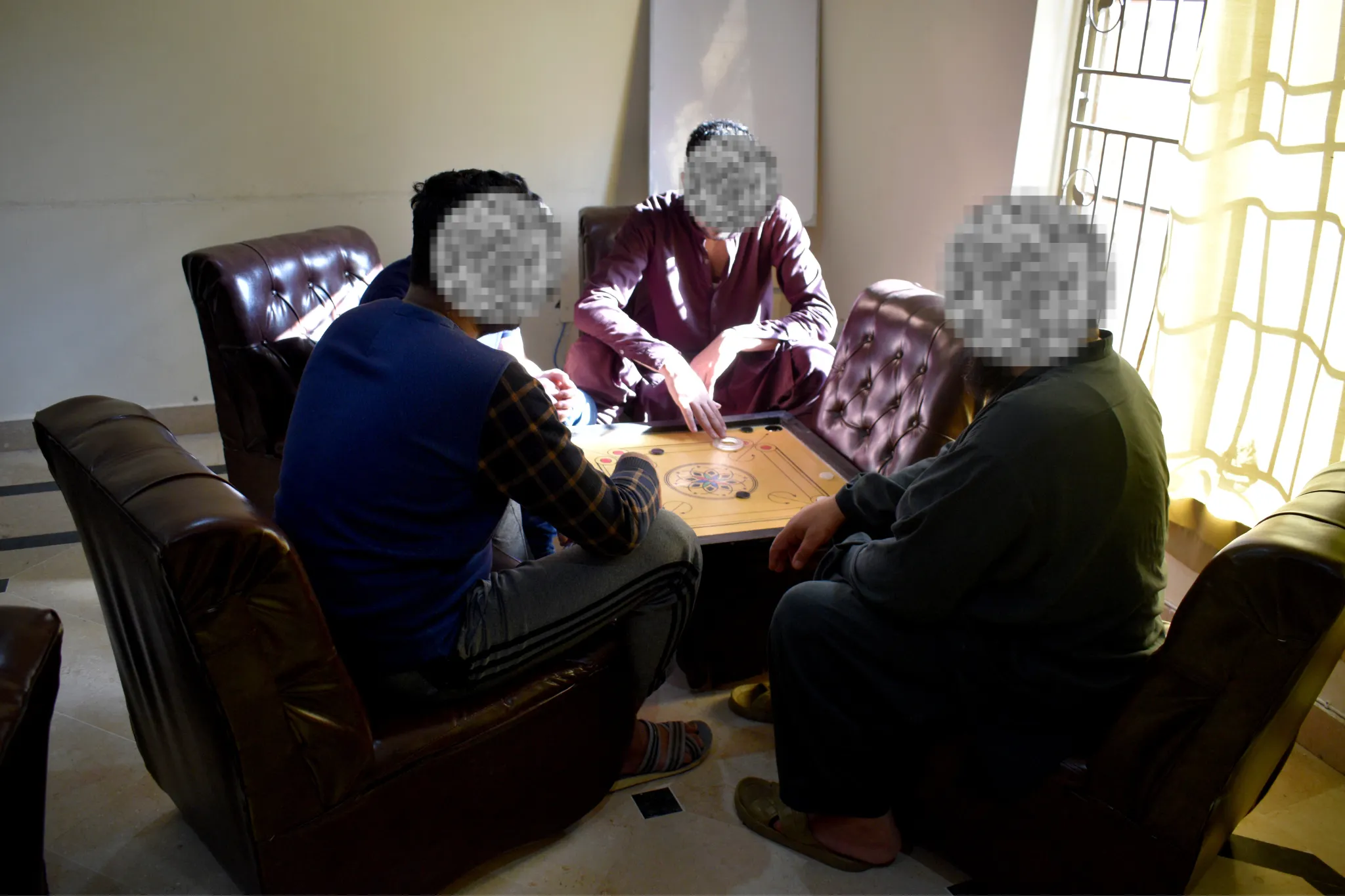



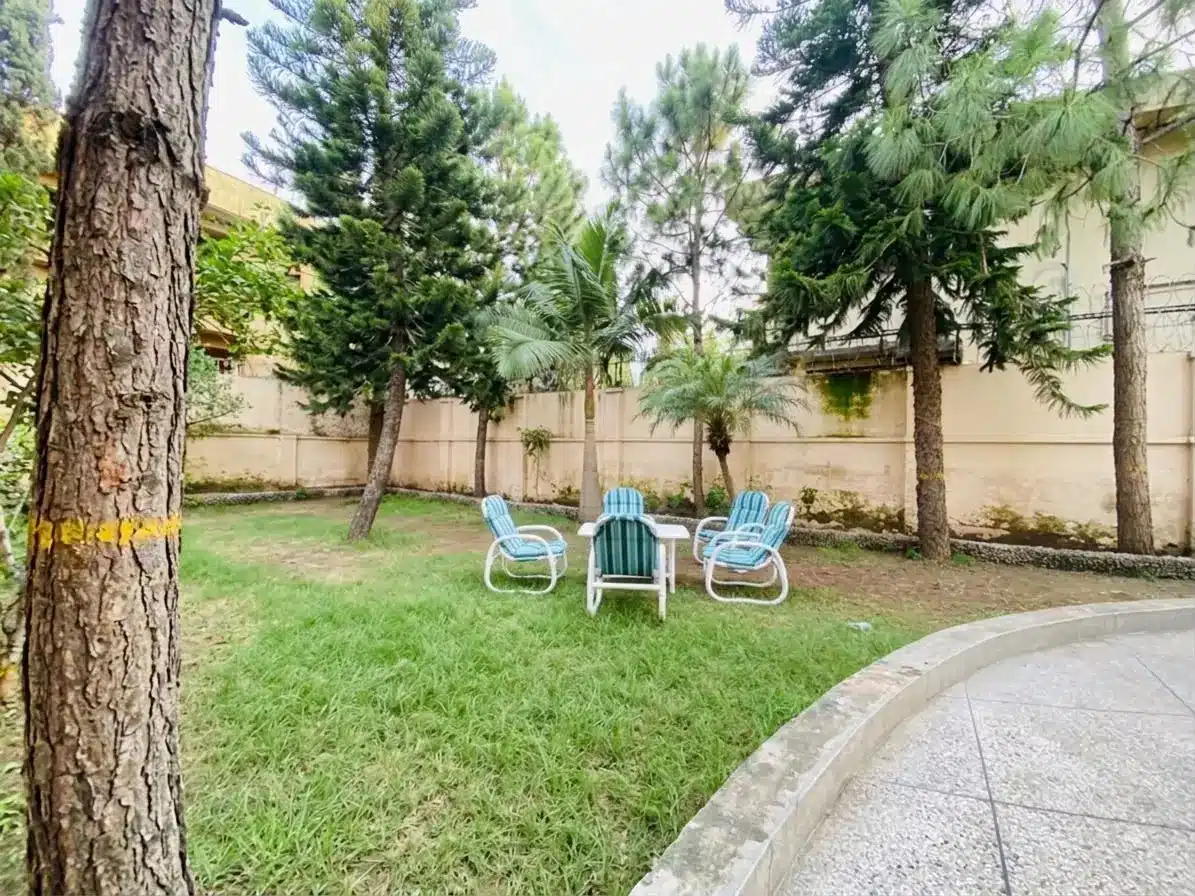

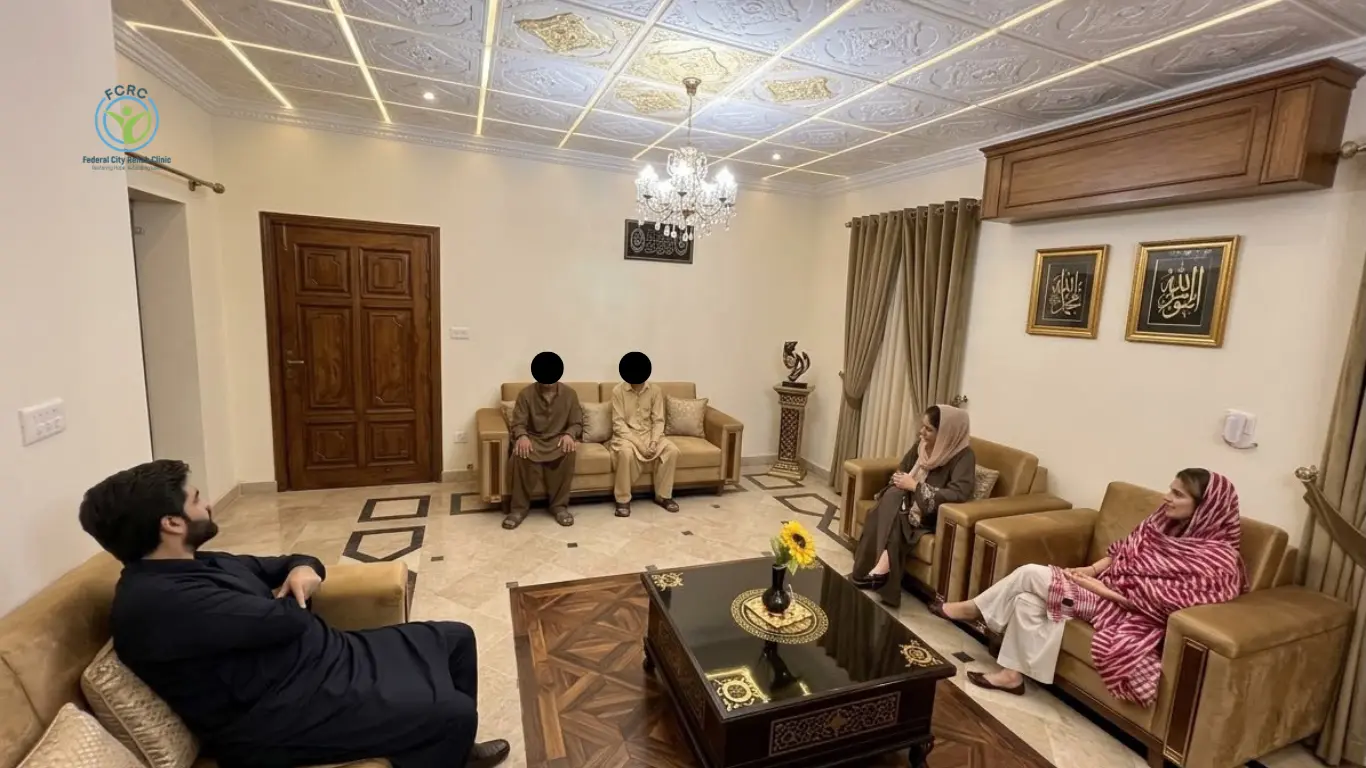
Who We Serve
FCRC provides relapse prevention support for patients across Pakistan, including those originally treated elsewhere. We regularly work with individuals and families from
- Islamabad
- Rawalpindi
- Peshawar
- Lahore
- Multan
- Karachi
- Swat
- and all other major cities, as well as overseas Pakistanis supporting a loved one’s recovery from abroad.
how we work ?
Our Relapse Prevention Program in Islamabad, Pakistan
FCRC’s relapse prevention programme follows a structured, personalised pathway, built into treatment from day one and continuing well beyond discharge.
01
Personal Risk Assessment
Before discharge, every patient works with FCRC’s clinical team to identify their specific relapse risks, including emotional triggers, high-risk environments, relationships, and situations most likely to challenge their recovery. No two patients share the same risk profile, and the prevention plan reflects this.
02
Coping Strategy Development
Patients learn and practise specific, practical strategies for managing cravings, stress, and high-risk moments before they leave FCRC’s care.
Cognitive Behavioural Therapy (CBT) techniques help patients recognise and interrupt the thought patterns that precede relapse.
Grounding and stress management techniques provide immediate, practical tools for moments of acute craving or emotional distress.
Refusal skills practice prepares patients for real situations involving offers or pressure to use.
Routine and lifestyle planning addresses the daily structure that supports stability after treatment ends.
03
Written, Personalised Relapse Prevention Plan
Every patient leaves FCRC with a written, individualised relapse prevention plan, documenting their specific triggers, early warning signs, coping strategies, and a clear action plan for what to do if cravings or warning signs emerge. This is not a generic handout. It is built around that patient’s own treatment and circumstances.
04
Family Involvement in Prevention Planning
Family members are included in relapse prevention planning wherever appropriate, learning to recognise early warning signs themselves and understanding how to respond supportively rather than reactively if concerns arise. This connects directly with FCRC’s Family Support Program, ensuring the people closest to the patient are equipped to help protect their recovery.
05
Structured Aftercare and Follow-Up
Following discharge, FCRC maintains contact with patients through scheduled follow-up check-ins, allowing our clinical team to monitor progress, address emerging concerns early, and adjust the prevention plan as circumstances change. Patients are never simply discharged and left to manage alone.
06
Rapid Re-Engagement if Needed
If warning signs do emerge, or if a relapse does occur, FCRC’s team is available for rapid re-engagement, whether that means an additional counseling session, a renewed outpatient plan, or where necessary, a return to more intensive care. Seeking help quickly after a setback significantly improves outcomes, and patients are never made to feel they have failed by reaching out again.
Ongoing Outpatient Support
is available indefinitely for patients wanting continued, lower-intensity contact with FCRC’s clinical team as part of their long-term relapse prevention strategy.
Built Into Every Programme
Relapse prevention at FCRC is not a separate, optional add-on. It is integrated into every residential and outpatient treatment programme we offer, from initial assessment through to long-term follow-up care.
Book Consultation
Take the First Step Today
You do not need to have everything figured out before reaching out. You do not need to be certain. You do not need to have made a final decision.
You simply need to take one step, a confidential conversation with our admissions team. From there, we will guide your family through everything at whatever pace feels right.
FCRC’s admissions team is available 24 hours a day, 7 days a week, 365 days a year. There is no pressure, no judgement, and no obligation.
0330 1454321
federalcityrehabclinc@gmail.com
Our location
House No. 1, Raja Azam Town, Main Korang Road, Bani Gala, Islamabad
Does relapse mean treatment has failed?
No. Relapse is a common part of the recovery process for many people and does not mean treatment failed. What matters most is recognising warning signs early and re-engaging with support quickly.
Is relapse prevention only for patients who completed treatment at FCRC?
No. FCRC offers relapse prevention support and consultation for individuals treated elsewhere as well, including those seeking a structured plan or support during a difficult period in recovery.
How long does relapse prevention support continue after treatment ends?
Our team works with each patient to determine an appropriate level of ongoing contact based on individual needs.
Can family members be involved in relapse prevention planning?
Yes. Family involvement is encouraged and connects directly with FCRC’s Family Support Program, helping loved ones recognise warning signs and respond supportively.
What should I do if I notice warning signs of relapse in myself or a loved one?
Reach out to FCRC’s clinical team as early as possible. Early intervention significantly improves outcomes, and our team is available 24/7 for confidential consultation, with no judgement attached to reaching out again.