How to Choose a Drug Rehabilitation Centre in Pakistan: A Family Guide
Author: Abrar Ahmad | CEO and Clinical Psychologist, Federal City Rehab Clinic
Doctoral-level clinical psychologist with over a decade of specialisation in addiction treatment and evidence-based rehabilitation at FCRC Islamabad
Finding the right drug rehabilitation centre is one of the most important decisions a family will make. It is also one they are almost always making under pressure, with limited information, and often for the first time. The person they love is in crisis. The urgency is real. And the landscape of rehabilitation facilities in Pakistan, which ranges from genuinely excellent to deeply inadequate, makes the decision harder than it should be.
This guide is written to help families navigate that decision clearly. It explains what to look for in a drug rehabilitation centre, what questions to ask before committing, what the differences between types of programmes mean in practice, and what warning signs should prompt you to look elsewhere.
Why the choice of Rehabilitation Center Matters
Not all rehabilitation facilities provide the same quality of care. In Pakistan, the sector is largely unregulated, which means that facilities vary enormously in their clinical standards, their staffing, their treatment approach, and their physical environment. The name “rehabilitation centre” or “rehab” carries no guaranteed standard.
The choice of facility has a direct bearing on outcomes. A person who enters a facility with qualified clinical staff, evidence-based treatment methods, and an appropriate environment for their specific needs is significantly more likely to achieve sustained recovery than someone placed in a facility that lacks these elements. This is not a minor distinction. It is the difference between recovery and a wasted opportunity at a moment when the person and family are already stretched.
Making the decision carefully, even when the urgency feels overwhelming, is always worth it.
Inpatient versus outpatient rehabilitation: understanding the difference
The first question to understand is whether inpatient or outpatient rehabilitation is appropriate.
Inpatient rehabilitation, also called residential rehabilitation, involves the person living at the facility for the duration of the programme. They receive treatment, therapy, and support within a structured, drug-free environment, away from the people, places, and situations associated with their drug use. This is the most intensive form of treatment and is appropriate for moderate to severe addiction, for people with co-occurring mental health conditions, for those who have relapsed after previous treatment, and for anyone whose home environment does not support recovery.
Outpatient rehabilitation involves attending a treatment programme for a set number of hours per week while continuing to live at home. It is appropriate for people with mild to moderate addiction, strong home support, and a stable living environment. It requires a level of self-management and environmental safety that is not always present in active addiction.
For most families seeking help for a family member with a significant addiction, residential rehabilitation is the appropriate level of care. The ability to remove the person from their using environment and provide continuous structure and support is one of the strongest predictors of treatment success, particularly in the early months of recovery.
What to look for in a residential rehabilitation centre
Qualified clinical staff
This is the most important criterion. A rehabilitation centre should have qualified, verifiable clinical staff in the roles that matter most.
At minimum, a credible residential facility should have access to a consultant psychiatrist for assessment, medication management, and the treatment of co-occurring mental health conditions. It should have qualified psychologists or counsellors delivering the psychological treatment component. And it should have trained nursing or medical staff available to manage the physical health needs of patients, including the management of detoxification and withdrawal.
Ask directly about the qualifications and registration of key clinical staff. Verify that the psychiatrist is registered with the Pakistan Medical and Dental Council. Ask about the training and experience of the counselling and therapy team. A facility that cannot or will not answer these questions clearly is a facility worth avoiding.
An evidence-based treatment approach
Rehabilitation should not consist primarily of rest, religious practice, or physical labour, though structured routine and appropriate spiritual support may form part of a broader programme. The core of rehabilitation is psychological treatment, and that treatment should be based on approaches with established evidence for effectiveness in addiction.
Cognitive Behavioural Therapy (CBT), Motivational Enhancement Therapy (MET), and relapse prevention work are the cornerstones of evidence-based addiction treatment. The World Health Organization’s guidelines on psychosocial treatment for substance use disorders identify these as the primary recommended approaches. A facility should be able to explain clearly what psychological treatment it provides, who delivers it, and how frequently.
Ask what a typical week looks like for a patient in the programme. Ask how many hours of therapy are provided per week. Ask what the theoretical basis of the treatment approach is. The answers will tell you a great deal about the quality of the programme.
Medical detoxification capability
For most people entering rehabilitation for addiction to heroin, alcohol, benzodiazepines, or other physically addictive substances, medical detoxification is the necessary first step before rehabilitation can meaningfully begin. Detoxification from certain substances, particularly alcohol and benzodiazepines, carries genuine medical risk and must be managed by qualified medical staff.
A rehabilitation centre that does not have the clinical capacity to manage medical detoxification safely should refer patients who require it to a facility that does before beginning the rehabilitation programme. Confirm whether the facility manages detoxification on-site and under what level of medical supervision.
Appropriate programme length
The evidence on treatment duration is consistent: longer treatment produces better outcomes. A 30-day programme is a minimum and is appropriate for mild to moderate addiction in people with strong recovery support. A 60-day programme is more appropriate for moderate addiction. A 90-day programme produces the strongest long-term outcomes for moderate to severe addiction and is recommended by the National Institute on Drug Abuse as the threshold at which treatment has sufficient time to produce durable change.
Be cautious of facilities that offer only very short programmes or that present a short stay as sufficient for severe, long-standing addiction. Be equally cautious of facilities that cannot explain the clinical rationale for their recommended programme length.
Individual assessment and personalised treatment planning
No two patients present identically. A facility that applies a single standardised programme to every patient regardless of their specific substance, history, co-occurring conditions, family situation, and recovery environment is not providing individualised care.
The intake process at a quality facility should include a thorough clinical assessment covering the history and pattern of substance use, physical health, mental health, family and social context, and previous treatment history. The treatment plan that follows should be specific to the individual. Ask how the programme is adapted for different patients and what the assessment process looks like.
Dual diagnosis capability
Co-occurring mental health conditions are extremely common in people with addiction. Depression, anxiety disorders, post-traumatic stress disorder, and personality disorders are all frequently present alongside substance use disorders. Treating the addiction without assessing and addressing the co-occurring mental health condition leaves a major driver of use unaddressed and significantly increases the risk of relapse.
A quality rehabilitation centre should have the psychiatric capability to assess for and treat co-occurring conditions as an integrated part of the rehabilitation process, not as a separate referral. Ask whether psychiatric assessment is included in the intake process and how co-occurring mental health conditions are managed within the programme.
Family involvement
Recovery does not happen in isolation. The family environment the person returns to after treatment is one of the strongest predictors of whether recovery is sustained. A rehabilitation centre that provides no family component, no education for family members, and no guidance on how families can support rather than inadvertently undermine recovery is missing a critical element.
Ask what the facility offers families during the treatment period. Ask whether family therapy sessions are available. Ask what education and support is provided to help families understand addiction and prepare for their family member’s return home.
The physical environment
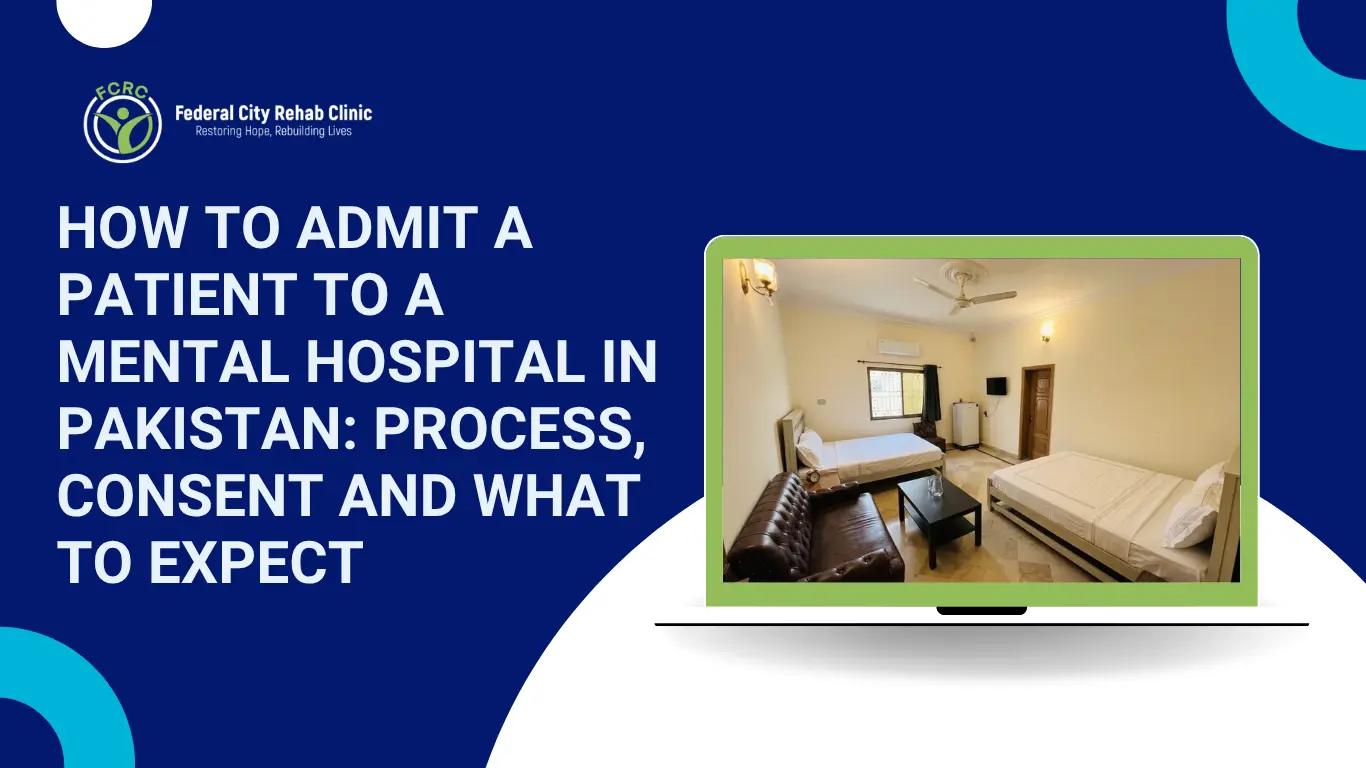
The physical environment of a rehabilitation facility matters more than it might initially seem. A person in early recovery is in a vulnerable and demanding psychological state. An environment that is clean, safe, calm, and appropriately structured supports the psychological work of recovery. An environment that is overcrowded, poorly maintained, or unsafe does the opposite.
Visit the facility before making a decision if at all possible. Observe the physical condition of the building and grounds, the condition of the sleeping and common areas, the apparent wellbeing of patients already in the programme, and the manner in which staff interact with patients. What you observe will tell you more than any brochure or website.
Aftercare planning
Rehabilitation is the beginning of recovery, not the end of it. The risk of relapse is highest in the period immediately following discharge from residential treatment, as the person returns to their normal environment while the neurological and psychological changes of recovery are still consolidating.
A quality facility should begin planning for aftercare from early in the treatment process. Aftercare may include outpatient therapy, attendance at peer support groups, structured check-ins with the clinical team, and specific relapse prevention planning. Ask what the facility provides in terms of post-discharge support and how the transition from residential care to community life is managed.
Red flags: what to avoid
As important as knowing what to look for is knowing what to avoid.
No qualified clinical staff. Any facility that cannot demonstrate verifiable clinical qualifications for its key staff should be approached with extreme caution.
Punitive or coercive practices. Rehabilitation should be therapeutic, not punitive. Facilities that use physical restraint, isolation, food restriction, or other coercive practices as management tools are not providing treatment. They are causing harm. This practice exists in some unregulated facilities in Pakistan and is a serious concern.
Promises of guaranteed cure or recovery. Addiction is a complex chronic condition. Recovery is achievable, but no responsible clinician guarantees it. Facilities that make absolute promises about outcomes are either misinformed or being dishonest.
No transparency about treatment approach. A facility that cannot or will not explain clearly what treatment it provides, who delivers it, and on what evidence base is a facility that does not have a credible answer to these questions.
Exclusive reliance on non-clinical approaches. Spiritual practice, physical work, and peer support all have value as components of a broader programme. They are not substitutes for evidence-based clinical treatment. A facility whose entire treatment model is based on religious observance or manual labour without a clinical framework is not providing rehabilitation in any meaningful clinical sense.
No family involvement or communication. A facility that prevents or significantly restricts contact between patients and their families without clinical justification, and that does not involve families in the treatment process, is operating in a way that should prompt serious questions.
Questions to ask before choosing a facility
Before committing to any rehabilitation centre, ask the following questions and evaluate the quality and transparency of the answers:
What are the qualifications and registration details of the consultant psychiatrist and clinical psychologists on staff?
What does a typical week look like for a patient in the programme, and how many hours of formal therapy are provided?
How is the treatment plan individualised to each patient’s specific needs and circumstances?
How are co-occurring mental health conditions assessed and treated within the programme?
What is the facility’s approach to medical detoxification and what level of medical supervision is available?
What family involvement is offered during treatment, and what support is provided to prepare families for the patient’s return home?
What does the aftercare plan look like and what support is available following discharge?
Can families visit the facility before making a decision?
Drug rehabilitation Centre in Lahore, Islamabad, and across Pakistan
Families searching for rehabilitation options are often focused initially on geographical proximity. The instinct to find a facility close to home is understandable, but proximity should not be the primary criterion.
For many patients, particularly those whose home environment is closely associated with drug use or whose social network consists primarily of other users, geographical distance from that environment is clinically beneficial rather than a disadvantage. A facility in a different city removes the person from immediate access to drugs, from the relationships and environments that trigger use, and from the temptation to leave treatment prematurely.
Federal City Rehab Clinic is located in Bani Gala, Islamabad, within a natural, semi-rural setting that is both calm and removed from urban drug-using environments. We regularly receive patients from Lahore, Rawalpindi, Peshawar, Karachi, and across Pakistan, as well as Pakistani families based abroad. Our Drug Addiction Treatment Program offers 30, 60, and 90-day residential options and is supported by a clinical team that includes a consultant psychiatrist, clinical psychologist, and public health physician.
For families in Lahore specifically seeking options closer to home, we are happy to conduct an initial assessment and provide guidance on the most appropriate level and location of care for your specific situation.
How Federal City Rehab Clinic approaches rehabilitation
Our approach to rehabilitation is built on three foundations: clinical rigour, individual care, and family involvement.
Every patient who enters our programme begins with a thorough clinical assessment conducted by our consultant psychiatrist and clinical psychologist. This assessment establishes the full picture of the individual’s substance use, physical health, mental health, and social context, and forms the basis of an individually designed treatment plan.
Our treatment programmes integrate medical detoxification under physician supervision, individual and group psychotherapy using evidence-based approaches including CBT and MET, psychiatric treatment for co-occurring conditions, structured daily programming, and relapse prevention planning. Family engagement is built into the programme from the beginning, through our Family Support Program which runs alongside the patient’s treatment.
Our Female Rehabilitation Program provides a gender-sensitive residential environment for women, recognising that the contexts, pressures, and treatment needs of female patients require a specifically adapted approach.
Our Dual Diagnosis Program addresses the significant proportion of patients who present with co-occurring mental health conditions alongside their addiction, treating both within an integrated clinical framework.
We do not make promises about guaranteed outcomes. We make a commitment to providing the highest standard of clinical care available in Pakistan and to working with each patient and family with honesty, professionalism, and genuine concern for their wellbeing.
When to seek help
If you are at the point of reading a guide like this, the time to seek help is now. Addiction does not resolve on its own. The window during which a person is willing to accept help is valuable and should not be wasted by prolonged hesitation.
A confidential clinical assessment is the right first step. It carries no commitment and no obligation. It will give you an accurate picture of the situation and honest guidance on what level of care is most appropriate.
Contact us today to speak with a member of our clinical team, WhatsApp us to reach out privately at any time, or call us to arrange an assessment. We are available to speak with families as well as with individuals seeking help for themselves.
Frequently Asked Questions
What is the difference between a rehabilitation centre and a de-addiction centre?
The terms are often used interchangeably in Pakistan. In practice, a de-addiction centre may focus primarily on the physical process of stopping drug use, while a rehabilitation centre should provide the fuller range of psychological, social, and family-focused treatment needed for sustained recovery. Always ask about the treatment components rather than relying on the name a facility uses for itself.
How long should a rehabilitation programme last?
For mild to moderate addiction, 30 days is a minimum starting point. For moderate to severe addiction, 60 to 90 days produces significantly better outcomes. The 90-day threshold is consistently supported in the research literature as the point at which treatment has sufficient duration to produce durable change. Be cautious of recommendations for very short programmes for significant addiction.
Is rehabilitation available for women in Pakistan?
Yes. Our Female Rehabilitation Program provides residential rehabilitation in a gender-sensitive environment specifically for women. Female patients have distinct treatment needs and social contexts that require an adapted approach, and a mixed-gender environment is often not appropriate or acceptable for Pakistani female patients and their families.
Can a family force someone into rehabilitation?
Voluntary treatment consistently produces better outcomes than involuntary admission. However, families can play a significant role in creating the conditions in which a person recognises the need for help and agrees to treatment. A structured conversation with professional guidance, sometimes called an intervention, can be an effective tool when a family is struggling to encourage a family member to accept help. Our clinical team can advise on how to approach this conversation effectively.
What does rehabilitation cost in Pakistan?
Costs vary significantly across facilities depending on location, facilities, programme duration, and clinical staffing. We are transparent about our fees and are happy to discuss costs and payment arrangements during an initial enquiry. Contact us for specific information.
How do I know if a rehabilitation centre is legitimate?
Ask for the qualifications and registration details of clinical staff and verify them. Visit the facility before committing if possible. Ask detailed questions about the treatment approach and evaluate the transparency and quality of the answers. Avoid facilities that make extravagant promises, that cannot explain their clinical approach clearly, or that use coercive practices. Trust your judgement about what you observe during any visit.