Alcohol Addiction Treatment in Islamabad: Complete Recovery Guide
Author: Dr. Kifayat Ullah, Public Health Physician at Federal City Rehab Clinic. MBBS, MPH, PhD in Public Health. Specialist in the medical management of substance withdrawal and clinical detoxification protocols.
Alcohol addiction is one of the most misunderstood and most under-discussed conditions in Pakistan. The cultural and religious sensitivity around alcohol use means that families dealing with it rarely speak about it openly, even within their own homes. The result is that those who develop dependency often suffer in silence for years, hiding the extent of their use, managing the consequences alone, and delaying treatment far longer than they should.
If you are reading this, that silence may be ending. Whether you are dealing with this for yourself or for someone you love, the decision to look for information is the right one. You are in the right place.
This guide is written to give you a clear, honest, clinically grounded picture of what alcohol addiction treatment in Islamabad actually involves. What alcohol does to the body and mind. Why withdrawal is medically dangerous without supervision. What evidence-based recovery looks like. And how Federal City Rehab Clinic delivers comprehensive alcohol rehabilitation in the peaceful hills of Bani Gala, with complete confidentiality and the clinical depth that lasting recovery requires.
If you would like to speak with someone now, FCRC’s admissions team is available 24 hours a day. The conversation is completely confidential and commits you to nothing.
The Reality of Alcohol Use in Pakistan
The first thing worth saying is this. Alcohol dependency in Pakistan is far more common than public discourse acknowledges.
Patients we treat at FCRC come from every background imaginable. Professionals managing high-pressure careers. Business owners. Government employees. Students. Mothers, fathers, husbands, wives. The cultural assumption that alcohol use is rare or marginal in Pakistan is not consistent with what clinicians actually see in their practice. It is more accurate to say that alcohol use is common but invisible, sustained by a code of silence that protects social reputation while delaying medical care.
According to the World Health Organization, alcohol contributes to more than three million deaths globally each year and is a leading cause of disability, family disruption, and chronic disease. In Pakistan, the absence of public health data on alcohol use does not mean the problem is small. It means it has not been measured properly, partly because the patients affected are deeply reluctant to be counted.
For families navigating this in private, the most important thing to understand is that you are not alone, and that professional, completely confidential help exists.
How Alcohol Dependency Develops
Alcohol addiction is not a moral failing. It is not a weakness of character. It is not a punishment for poor choices. It is a recognised medical condition that develops through a specific neurological process, and understanding that process is the first step in approaching it correctly.
When a person drinks alcohol regularly over an extended period, the brain adapts. Alcohol enhances the activity of GABA, the brain’s primary inhibitory neurotransmitter, while reducing the activity of glutamate, an excitatory neurotransmitter. With repeated exposure, the brain compensates by reducing GABA sensitivity and increasing glutamate activity. This is the brain’s way of maintaining balance in the presence of a substance that is constantly altering its chemistry.
The consequence is significant. The person now needs alcohol to feel normal. Without it, the brain’s chemistry tilts in the other direction, with too much excitatory activity and too little inhibition. This neurological imbalance is what produces alcohol withdrawal, and it is why withdrawal can be medically dangerous in ways that families and patients do not always recognise.
Once dependency has developed, willpower has very little to do with overcoming it. The condition is medical and the response must be medical too.
Recognising the Signs of Alcohol Dependency
Alcohol dependency often develops slowly, and many patients do not recognise it in themselves until the consequences have become significant. The following patterns are clinically established indicators that professional assessment is warranted.
Drinking more than intended, or for longer than planned, despite genuine attempts to cut down. Spending significant time obtaining, using, or recovering from alcohol. Continuing to drink despite awareness of harm to physical health, mental health, work, or relationships. Experiencing withdrawal symptoms when not drinking, including sweating, tremors, anxiety, nausea, or insomnia. Needing larger amounts to achieve the same effect. Giving up activities or responsibilities because of alcohol. Drinking in situations that are physically dangerous.
If even a few of these patterns are present, professional clinical assessment is strongly recommended. FCRC’s admissions team is available for confidential consultation, with no obligation and complete privacy.
Why Alcohol Withdrawal Is Medically Dangerous
This section is the most important one in this guide, and it deserves to be read carefully.
Alcohol withdrawal is not like withdrawal from most other substances. It is medically dangerous, and in serious cases it can be fatal without clinical supervision. This is not an exaggeration. It is one of the few substance withdrawal syndromes that can produce life-threatening complications.
According to the Mayo Clinic, alcohol withdrawal can produce seizures within 24 to 48 hours of the last drink in dependent patients. More serious still is delirium tremens, a severe withdrawal state involving confusion, hallucinations, autonomic instability, and dangerous fluctuations in heart rate and blood pressure, which typically develops within 48 to 72 hours of cessation. Without medical management, delirium tremens carry significant mortality risk.
This is why anyone with significant alcohol dependency must never attempt to stop drinking suddenly without medical support. The instinct to handle it at home, often driven by privacy concerns or family pressure, is understandable but genuinely dangerous. The medication protocols used in clinical alcohol detox are designed specifically to prevent these complications, and they cannot be replicated at home.
The clinical reality is straightforward. Medically supervised detoxification is not a preference for alcohol withdrawal. It is a medical necessity.
What Medically Supervised Alcohol Detox Involves
At FCRC, alcohol detoxification is conducted under 24-hour medical supervision by a qualified clinical team. The protocol is specifically designed to manage the medical risks of alcohol withdrawal safely while keeping the patient as comfortable as the situation allows.
On admission, every patient undergoes a thorough clinical assessment. This covers their full alcohol use history, current physical health, any co-occurring medical conditions, and previous detox attempts if any. Specific clinical scales are used to predict the likely severity of withdrawal and determine the appropriate medication protocol.
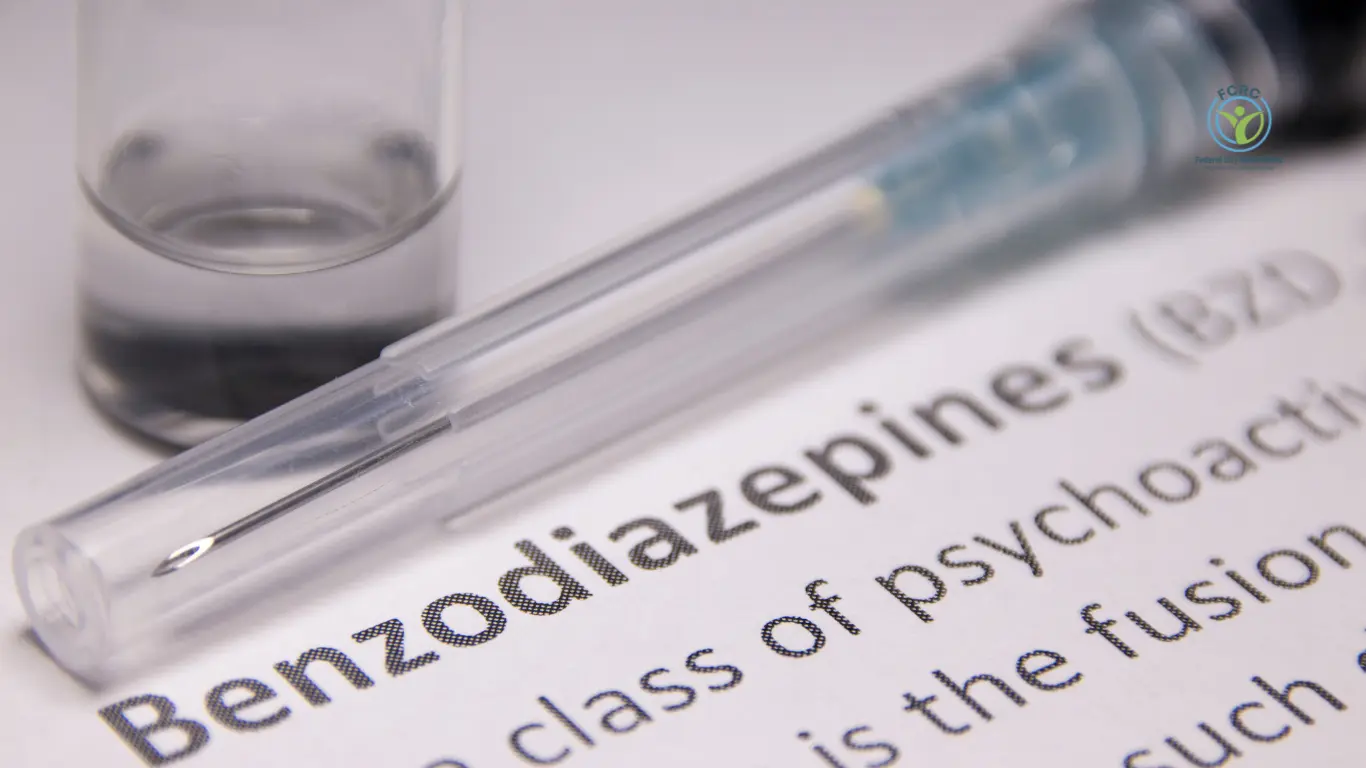
Detox medications are evidence-based and centre on benzodiazepines, used short-term and under careful clinical supervision, to prevent seizures and manage the autonomic symptoms of withdrawal. This is one of the few legitimate clinical uses of benzodiazepines and is entirely different from the long-term prescribing that produces dependency. The medications are tapered gradually as withdrawal subsides.
Thiamine (vitamin B1) supplementation is given to all alcohol detox patients to prevent Wernicke’s encephalopathy, a serious neurological complication of nutritional deficiency that can develop during alcohol withdrawal. Other supportive treatments address hydration, electrolyte balance, sleep, and nutrition throughout the detox period.
Medical and nursing staff monitor patients continuously. Vital signs are checked at regular intervals. Withdrawal severity is reassessed. Medications are adjusted in response. Complications are identified early and managed immediately.
The active alcohol detox phase typically lasts seven to ten days, depending on the severity of dependency and the patient’s physical response. No patient at FCRC is considered ready to move to the therapeutic phase of treatment until the medical team confirms they are safely stabilised.
Detox is not the same as completing rehabilitation. It is the foundation. The actual recovery work begins after the patient is medically stable.
If your situation requires immediate medical attention, contact FCRC’s admissions team without delay. Emergency admissions are accepted around the clock.
The Therapeutic Programme: What Real Recovery Involves
Detoxification clears the substance from the body. It does not address the psychological, behavioural, and often deeply rooted patterns that drove drinking in the first place. This is why detox alone produces very low rates of sustained recovery, and why FCRC’s alcohol treatment programme always continues into the comprehensive therapeutic phase that follows stabilisation.
Cognitive Behavioural Therapy is the most extensively evidenced psychological treatment for alcohol use disorder. According to the National Institute on Drug Abuse, CBT helps patients identify the triggers, thoughts, and emotional states that drive drinking, and develop practical strategies for managing each of them. CBT is not a quick fix. It is a structured therapeutic process that builds skills patients carry with them for life.
Motivational interviewing addresses the ambivalence that almost every alcohol patient experiences. The part that wants to stop and the part that is not yet sure are both real, and effective therapy works with this honestly rather than pretending it does not exist.
Group therapy provides peer connection and shared accountability within a safe, facilitated environment. The therapeutic experience of being genuinely understood by others who share the same struggle is something individual therapy alone cannot replicate.
Trauma-informed therapy addresses the underlying emotional pain that drives alcohol use in a significant proportion of patients. Loss, grief, abuse, chronic stress, and unprocessed trauma are common drivers, and effective alcohol treatment must create the conditions for this work to take place safely.
Spiritual counselling, for patients who wish it, integrates faith and values into the recovery process. For many Pakistani patients, this dimension is meaningful and adds depth to the therapeutic work.
Dual Diagnosis: Alcohol and Mental Health
A significant proportion of alcohol patients also have a co-occurring mental health condition that has been driving or sustaining their drinking. Depression, anxiety, post-traumatic stress disorder, and bipolar disorder are all substantially more prevalent among people with alcohol dependency than in the general population.
According to the Substance Abuse and Mental Health Services Administration, co-occurring substance use and mental health disorders must be treated simultaneously for either condition to be effectively managed. Treating alcohol dependency without identifying and addressing the underlying mental health condition leaves the original driver intact and significantly increases the risk of relapse.
This is why dual diagnosis treatment is a core component of every alcohol programme at FCRC. Comprehensive psychiatric assessment is standard for all patients, and where co-occurring conditions are identified, they are treated within the same integrated clinical framework as the alcohol dependency itself.
For patients whose alcohol use has been a way of managing untreated depression, anxiety, or trauma, this integrated approach is what produces lasting recovery. Treating only one half of the picture rarely produces durable results.
Family Therapy and Support
Alcohol addiction does not affect only the person drinking. It reshapes families, erodes trust, creates financial pressure, and leaves lasting emotional impact on spouses, children, and parents. Effective alcohol treatment must include the family, both because the family needs support in its own right and because family dynamics significantly influence recovery outcomes.
FCRC’s family programme provides structured psychoeducation, helping family members understand alcohol use disorder as a medical condition rather than a moral failing. Family therapy sessions create the space for honest conversation under clinical guidance. Practical support helps family members establish healthy boundaries, manage their own emotional responses, and become genuine partners in their loved one’s recovery without inadvertently sustaining the patterns that drove drinking.
For many patients, the restoration of family relationships is one of the most powerful motivations for sustained sobriety. The family programme creates the conditions for this restoration to begin.
Inpatient and Outpatient Options
For moderate to severe alcohol dependency, inpatient residential rehabilitation is strongly recommended. Three reasons sit behind this clinical recommendation.
First, the medical risks of alcohol withdrawal require 24-hour clinical supervision that only a residential setting can provide. Second, the environments and social patterns associated with drinking are powerful relapse triggers, and physical removal from them during the early recovery period significantly improves outcomes. Third, the structured therapeutic programme that produces lasting recovery requires daily engagement that outpatient settings rarely match.
FCRC’s inpatient programmes are available in 30, 60, and 90-day formats, with extended care for complex cases. The Bani Gala location provides a calm, completely private environment that is naturally separated from urban triggers and social pressures.
Outpatient treatment is available for selected patients with lower-severity dependency, strong home support, and circumstances that make residential admission impractical. Our clinical team will recommend the most appropriate format following thorough assessment.
A Note on Confidentiality
For families dealing with alcohol dependency in Pakistan, confidentiality is often the deciding factor in whether they seek help at all. The fear that an employer, extended family, or community member will discover that a loved one has been in alcohol rehabilitation is a real and powerful concern.
At FCRC, confidentiality is unconditional. No information about any patient’s admission, diagnosis, treatment, or discharge is ever shared with any third party without that patient’s explicit written consent. All staff are professionally and contractually bound to strict confidentiality. Initial enquiries can be made completely anonymously.
For patients particularly concerned about privacy, FCRC’s location in the private hills of Bani Gala provides a further layer of natural confidentiality that no urban facility can offer.
آپ کی رازداری ہمارے لیے مقدس ہے۔ Your privacy is sacred to us.
Frequently Asked Questions
How long does alcohol addiction treatment in Islamabad take?
At FCRC, residential programmes are available in 30, 60, and 90-day formats, with extended options for complex cases. The medically supervised detox phase typically takes seven to ten days, after which the therapeutic programme continues. Longer programmes are consistently associated with better long-term outcomes.
Can I stop drinking at home without medical help?
For anyone with significant alcohol dependency, this is genuinely dangerous and is not advisable. Alcohol withdrawal can produce seizures and delirium tremens within 24 to 72 hours of the last drink, and without medical supervision these complications can be fatal. Medically supervised detox is a clinical necessity for alcohol dependency.
Is alcohol addiction treatment confidential at FCRC?
Completely and unconditionally. No information about any patient is ever shared without explicit written consent. Patients may enquire anonymously and may make initial calls without giving any identifying information until they choose to.
Does FCRC treat alcohol addiction alongside mental health conditions?
Yes. Dual diagnosis treatment is a core component of every alcohol programme at FCRC, addressing co-occurring depression, anxiety, PTSD, and other mental health conditions simultaneously with the alcohol dependency.
Is there a female alcohol rehabilitation programme in Islamabad?
Yes. FCRC’s dedicated female rehabilitation programme provides a fully private, all-female care environment with female clinical staff and gender-specific therapy.
Can patients from outside Islamabad access alcohol treatment at FCRC?
Yes. FCRC regularly admits patients from Rawalpindi, Peshawar, Lahore, Karachi, Multan, Swat, and across Pakistan. Full transport coordination is provided for out-of-city admissions.
Conclusion
Alcohol dependency is one of the most painful and most stigmatised conditions a Pakistani family can face. The silence that surrounds it makes it harder. The fear of what others will think keeps families isolated when isolation is the last thing they need.
But alcohol addiction is treatable. Real recovery happens, even from severe and long-standing dependency, when the right clinical approach is used. The combination of medically supervised detoxification, evidence-based therapeutic work, dual diagnosis treatment where indicated, family support, and a calm therapeutic environment is what produces lasting change. Federal City Rehab Clinic provides all of this within a single integrated programme, delivered with complete confidentiality in the peaceful setting of Bani Gala.
If your family is ready to take the first step, FCRC’s admissions team is ready to walk it with you. We are available 24 hours a day, every day of the year, with no pressure, no judgement, and absolute privacy.
Contact us to begin a confidential conversation. Whenever you are ready