Detoxification Services in Islamabad: How Medical Detox Works
Author: Dr. Kifayat Ullah, Public Health Physician at Federal City Rehab Clinic. MBBS, MPH, PhD in Public Health. Specialist in the medical management of substance withdrawal and clinical detoxification protocols.
Every recovery begins with a first step, and for most people with a serious dependence that first step is detox. Before therapy, before psychiatric work, before the slow rebuilding of trust and routine, the body has to be brought safely through withdrawal.
Families searching for detoxification services in Islamabad usually arrive with the same questions. Is it dangerous? Can it be done at home? What actually happens inside a clinic? How do we know a provider is safe? This guide answers them plainly, from a clinical point of view, so you can decide with confidence.
What Is Medical Detoxification?
Detoxification is the body’s own process of clearing a substance. Medical detoxification means a clinical team supervises that process, treats the withdrawal symptoms that appear, watches for complications and keeps the patient safe and as comfortable as possible.
Why does withdrawal happen at all? With regular use, the brain and body adapt. Neurochemistry shifts, and sleep, mood, temperature, heart rate and blood pressure all adjust around the assumption that the substance will keep arriving. When it is removed, that adaptation reverses. The result is a withdrawal syndrome, and its severity depends on the substance, the length and amount of use and the person’s general health.
Detox is also easy to misunderstand. It is not a cure, and it is not rehabilitation. The National Institute on Drug Abuse describes medically assisted detoxification as only the first stage of treatment, one that does little on its own to change long term use. The US government’s detoxification guideline, SAMHSA’s TIP 45, makes the same point and treats detox as one part of a continuum of care. In plain terms, detox clears the body, and treatment changes the pattern.
Why Supervision Matters, Substance by Substance
How much supervision is needed varies. For some substances it is strongly advisable. For others it is a medical requirement.
Alcohol. This is the most dangerous withdrawal families commonly meet. In dependent drinkers, seizure risk is highest roughly one to two days after the last drink, and delirium tremens, a state of severe confusion, hallucinations and unstable heart rate and blood pressure, can appear around two to three days after, as Cleveland Clinic explains. Without treatment these complications can be fatal. Read more in our guide to alcohol withdrawal symptoms.
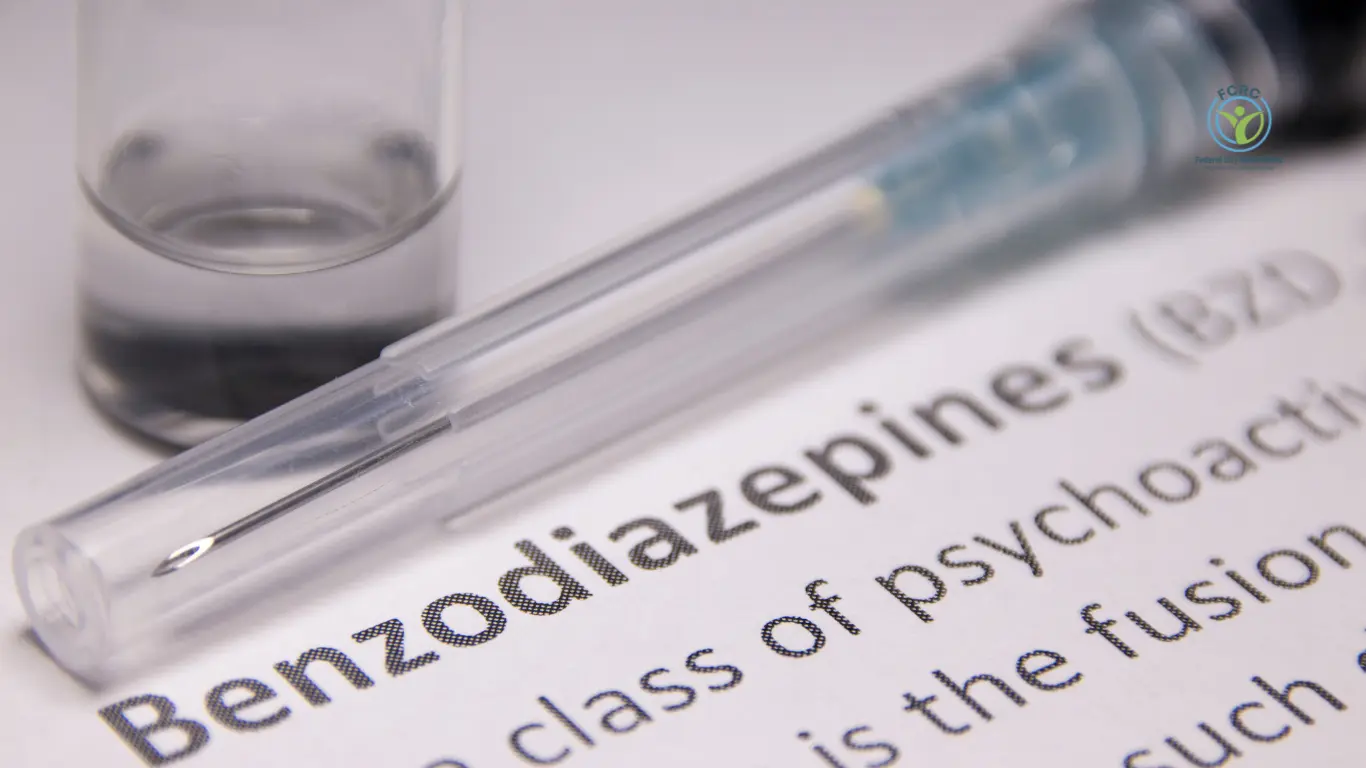
Benzodiazepines and sleeping pills. Xanax, Valium, clonazepam and similar medicines carry comparable risk. Stopping suddenly after long use can cause seizures, so a gradual, supervised taper is the only safe route. Our post on benzodiazepine addiction in Pakistan explains why this withdrawal worries clinicians more than the drug itself.
Opioids. Withdrawal from heroin, tramadol and similar drugs is not usually life threatening in a healthy adult. But the muscle pain, vomiting, sleeplessness and distress are intense enough that most unsupervised attempts end within days. Clinical support is what turns an attempt into a completion.
ICE and stimulants. ICE withdrawal is primarily a psychiatric emergency. Deep depression, exhaustion, paranoia, strong cravings, psychosis and suicidal thoughts can all occur and need continuous psychiatric monitoring. See crystal meth withdrawal and why it needs medical supervision.
Pregabalin and tramadol. Both are growing problems in Pakistan, and both produce distinctive withdrawal syndromes that respond far better to supervised management than to willpower.
What Happens During Medical Detox
Understanding the process removes much of the fear. This is how a well run detox unfolds.
- Assessment. Before withdrawal is managed, the team takes a full substance use history, reviews physical health and current medication, and screens mental health. For alcohol and benzodiazepines, severity tools estimate how rough withdrawal is likely to be. Every later decision, including medication, monitoring frequency and escalation steps, comes from this assessment.
- Admission and stabilisation. Baseline observations are recorded and the protocol begins at once. A patient who arrives already in withdrawal is stabilised first. From arrival, doctors and nurses should be present around the clock.
- Active withdrawal management. The team tracks vital signs, mental state and symptoms continuously, adjusts medication as the patient responds, and treats complications early. Nutrition, fluids and sleep are managed alongside the medicine. Detox is demanding, but it should never be punishing.
- Psychiatric monitoring. Anxiety, depression, paranoia and sometimes psychosis surface during withdrawal. A psychiatrist who sees patients during detox, rather than weeks later, catches these early and shapes the treatment plan around them.
- Transition into treatment. Detox ends when the patient is medically and psychiatrically stable. A good provider moves the patient straight into therapy, because the gap between detox and treatment is where many relapses begin.
You can see how this runs at FCRC on our medical detox program page.
Is Medication Used in Detox?
Often, yes. Medication can prevent seizures in alcohol withdrawal, allow a gradual taper from benzodiazepines and pregabalin, ease the symptoms of opioid withdrawal, and treat the sleep, anxiety and mood problems that come with ICE and cannabis withdrawal. It is chosen after assessment, adjusted as the patient responds, and always supervised. It is a tool for safety and comfort, not a substitute for treatment.
How Long Does Detox Take?
There is no single answer. Acute withdrawal depends on the substance, how long and how heavily it was used and the person’s health. For many patients the most intense symptoms settle within the first week or two, though sleep, mood and cravings can take longer to normalise. The more useful number for families is the length of the admission. Programs commonly begin at about 30 days and extend to 60 or 90 days and beyond, depending on what the assessment shows. Research on treatment length, including NIDA’s guidance that most people need at least three months of treatment, is the reason longer programs are common.
Inpatient or Outpatient Detox?
Inpatient detox means staying at the facility under round the clock supervision. It is strongly advised for moderate to severe dependence and is essential for alcohol, benzodiazepine and ICE withdrawal.
Outpatient detox means attending for daily clinical review and medication while living at home. It suits carefully selected patients with milder dependence and strong support at home, and only when the clinical team judges it safe.
If you are unsure which applies, the right first step is an assessment, not a guess. Our guide on inpatient versus outpatient rehab compares the two in more depth.
Common Myths About Detox
“I can do it at home with home remedies.” For alcohol and benzodiazepines this can be dangerous. For other substances it is far less likely to work, and failed attempts can leave a person more discouraged each time.
“Detox means I am cured.” Detox clears the body. It does not remove the reasons the substance took hold, which is why treatment must follow.
“A quick or painless detox exists.” Withdrawal can be managed and made far more comfortable, but anyone promising instant or effortless results should be treated with caution.
“Detox is only for people who are very far gone.” Anyone who gets withdrawal symptoms on stopping, or has failed to stop on their own, can benefit from a clinical opinion early.
What to Look For in Detoxification Services in Islamabad
These are fair questions to put to any provider:
- Are doctors and nurses present around the clock, or only on call?
- Is a psychiatrist involved during withdrawal?
- Is there a full assessment and set of tests before the plan is decided?
- Is medication assistance available, and who decides it?
- What happens after detox ends?
- How are family visits and confidentiality handled?
- Is the facility accredited, and is it open about how it works?
Our guides on how to find a safe rehab in Pakistan and what to look for in a private rehab facility go deeper. If cost is on your mind, read our explanation of detox cost in Pakistan to understand what affects the price and how to compare providers.
Detox at FCRC, Bani Gala
Federal City Rehab Clinic offers medically supervised detox in Bani Gala, Islamabad, with doctors, nurses and consultant psychiatrists on site around the clock. On the day of admission, complete documentation and the required tests are done, and the clinical team decides the protocol, medication and expected length of stay. Medication assistance is provided where clinically indicated, inpatient and outpatient options are available, family members can visit by coordinating with the team in advance, and transport is arranged for anyone who needs it. Everything is confidential, and nothing is shared without written consent.
آپ کی رازداری ہمارے لیے مقدس ہے۔
Frequently Asked Questions
Is medical detox in Islamabad safe?
At a facility with round the clock clinical supervision, yes. At home, or without medical support, it carries real risk, depending on the substance.
How long does detox take?
It varies by substance and by person. Acute withdrawal often settles within the first week or two, and admissions commonly start at about 30 days and extend to 60 or 90 days where needed. The clinical team gives a clear plan after assessment.
Is detox the same as completing rehabilitation?
No. Detox is the first step, not the treatment itself. Without therapy afterwards, lasting recovery is unlikely.
Can detox be done at home?
For alcohol and benzodiazepines, never without professional supervision. For other substances it is less likely to succeed and carries meaningful risk.
Is detox at FCRC confidential?
Completely. Nothing is shared without explicit written consent, and you can enquire anonymously. See our FAQs page for details.
Take the First Step
Medical detox is where recovery begins. Done properly, it gives the body and mind a safe foundation. Done without supervision, it carries risk and rarely leads to lasting change.
If you are looking for detoxification services in Islamabad, FCRC’s admissions team is available 24 hours a day, every day of the year. A conversation commits you to nothing.