Heroin Addiction in Pakistan: What It Does to the Body and How to Recover
Author: Dr. Kifayat Ullah | Public Health Physician, Federal City Rehab Clinic
MBBS, MPH. Specialist in addiction medicine, medically supervised detoxification, and public health aspects of substance use disorder in Pakistan. Author of FCRC’s clinical detoxification protocols.
Pakistan carries one of the heaviest burdens of heroin addiction in the world. The country sits at the edge of the world’s largest opium-producing region, and for decades heroin has moved through Pakistani territory and into Pakistani communities in quantities that have left a deep social and public health mark. Millions of families have been affected. Yet heroin addiction remains one of the most misunderstood and most stigmatised conditions in the country.
The stigma is part of the problem. It keeps families silent. It delays treatment. It causes people to frame a medical condition as a moral failure, which prevents the kind of clear-eyed response that actually leads to recovery.
This article explains what heroin is, what it does to the brain and body, why it is so difficult to stop, and what effective treatment looks like. It is written for people living with heroin addiction and for the families trying to understand and support them.
What is heroin?
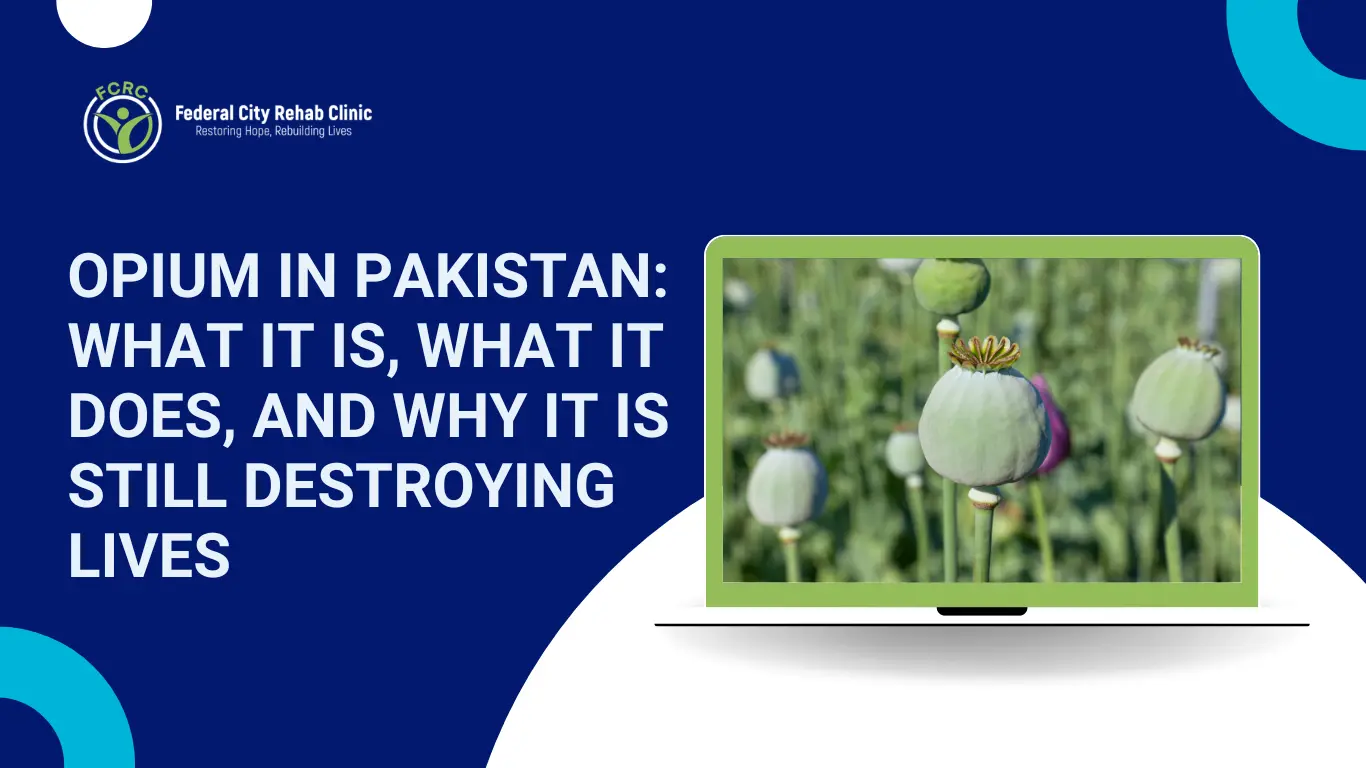
Heroin is an opioid drug derived from morphine, which is itself extracted from the opium poppy plant. Its chemical name is diacetylmorphine. It was first synthesised in the late nineteenth century and was briefly marketed as a medicine before its addictive properties became apparent. Today it has no legitimate medical use and is classified as a controlled substance under the United Nations Single Convention on Narcotic Drugs.
In Pakistan, heroin is most commonly available as a brownish powder known locally as “smack” or by various other names depending on region. It can be smoked, inhaled as vapour through a technique called chasing the dragon, or dissolved and injected. The method of use influences how quickly the drug reaches the brain and therefore how intense the initial effect is. Injection produces the fastest and most intense response and also carries the highest risk of overdose and transmission of bloodborne infections.
Pakistan is one of the world’s largest consumers of heroin. According to the United Nations Office on Drugs and Crime, an estimated 4.25 million people in Pakistan use opioids, with heroin representing a significant portion of that figure. The burden is concentrated in urban areas and along trafficking corridors, but it is present across all regions and across all socioeconomic groups.
How heroin affects the brain
Heroin belongs to the opioid family of drugs, which act on opioid receptors throughout the brain and body. These receptors are part of the body’s natural pain regulation and reward system. The brain produces its own opioid compounds, called endorphins, which bind to these receptors in response to pain, pleasure, and physical exertion.
Heroin binds to these same receptors with far greater intensity than the brain’s natural opioids. The immediate result is a powerful rush of euphoria, warmth, and relief, followed by a prolonged state of sedation and detachment from physical and emotional pain. For people who have experienced significant trauma, chronic pain, or severe anxiety, the effect of heroin can feel like the first genuine relief they have known. This is part of why the drug is so compelling and why addiction develops so rapidly.
With repeated use, the brain adapts. It reduces its own production of natural endorphins and decreases the sensitivity of opioid receptors. The user begins to need heroin simply to feel normal, not to feel high. At this point, stopping produces withdrawal symptoms that are genuinely agonising, which creates a powerful biological trap. The person is not using to feel good. They are using to avoid feeling terrible.
This neurological reality is what makes heroin addiction a medical condition rather than a choice. The World Health Organization classifies opioid dependence as a chronic brain disorder requiring sustained medical treatment. Understanding this is the starting point for families who have been framing their loved one’s addiction as a failure of will or character.
What heroin does to the body
The physical consequences of sustained heroin use are wide-ranging and serious. They extend across every major system of the body.
The respiratory system. Heroin suppresses the brain’s respiratory drive, meaning it slows and can stop breathing. This is the primary mechanism of fatal overdose. Even in non-fatal doses, chronic heroin use causes respiratory depression, and repeated small overdoses can cause cumulative damage to the brain through oxygen deprivation.
The cardiovascular system. Injecting heroin carries the risk of infection of the heart lining, known as endocarditis, which is a life-threatening condition. Collapsed veins, abscesses at injection sites, and blood clots are common among injecting users. Sharing needles transmits HIV and hepatitis B and C, both of which cause serious long-term disease and are prevalent in Pakistan’s injecting drug user population.
The liver. Hepatitis C infection, highly prevalent among injecting heroin users in Pakistan, causes progressive liver disease that can lead to cirrhosis and liver failure over years. Many people in treatment for heroin addiction are simultaneously managing chronic hepatitis C infection.
The immune system. Heroin suppresses immune function. Users are more susceptible to infections of all kinds, and the skin infections, abscesses, and systemic infections associated with injecting drug use place an additional burden on an already compromised immune system.
The endocrine system. Long-term heroin use disrupts hormonal function. Men often experience reduced testosterone and sexual dysfunction. Women frequently experience disruption to the menstrual cycle. These effects typically reverse with sustained abstinence but can persist for months into recovery.
The brain. Beyond the neurological changes associated with addiction itself, sustained heroin use causes measurable changes in the brain’s white matter, affecting decision-making, the ability to regulate behaviour, and the capacity to respond to stress. These changes recover slowly with sustained abstinence, which is part of why the first months of recovery are cognitively and emotionally demanding.
Signs of heroin addiction
Heroin addiction produces a characteristic pattern of signs that families and close contacts typically notice before the person themselves acknowledges the problem.
Physical signs:
- Constricted (very small) pupils, particularly noticeable in normal or bright light
- Nodding off or falling asleep at unusual times, mid-conversation, or in the middle of activities
- Slurred speech and slowed movements
- Dramatic weight loss
- Neglect of personal hygiene and appearance
- Track marks (needle puncture wounds) on the arms, hands, feet, or other areas of the body in people who are injecting
- Wearing long sleeves in warm weather to conceal injection sites
- Runny nose or persistent sniffling in people who are inhaling or snorting
- Pinpoint pupils and pale, waxy skin during use
Behavioural signs:
- Disappearing for long periods without explanation
- Extreme and rapid changes in mood, particularly between periods of calm and periods of agitation or distress
- Withdrawal from family, friends, and responsibilities
- Stealing money or valuables from family members
- Loss of interest in work, studies, relationships, and activities that previously mattered
- Associating with a new social circle while cutting off existing relationships
- Lying, especially about whereabouts and finances
Signs of withdrawal when the drug is not available:
- Severe anxiety and agitation
- Sweating, shivering, and chills
- Muscle cramps and pain in the legs and back
- Nausea, vomiting, and diarrhoea
- Inability to sleep
- Intense cravings
- Yawning, watering eyes, and runny nose
Heroin withdrawal is not life-threatening in healthy adults in the way that alcohol withdrawal can be, but it is acutely distressing and is the primary reason people fail to maintain abstinence without medical support. The symptoms typically peak between 48 and 72 hours after the last use and subside significantly within a week, though sleep disturbances and cravings can persist for months.
Heroin addiction in Pakistan: the broader context
Understanding heroin addiction in Pakistan requires acknowledging the specific context in which it exists. Pakistan is not simply a country where heroin is used. It is a country in which heroin has been present at scale for decades, in which large numbers of people who use heroin have never accessed treatment, and in which the stigma attached to addiction remains one of the most significant barriers to care.
The UNODC estimates that Pakistan’s geographic position along major trafficking routes from Afghanistan has historically made it one of the countries with the highest rates of opioid use in the world. The profile of people affected is not limited to marginalised populations. Heroin use cuts across socioeconomic lines, affects educated and uneducated people equally, and is present in families at all income levels.
One of the most consequential effects of stigma is that families often conceal a member’s addiction for months or years before seeking help. During this time, the person’s physical health deteriorates, their psychological state worsens, the family’s resources are depleted, and the window for early intervention closes. Seeking help early is not a sign of failure. It is the most rational and effective response available.
Why heroin is so difficult to quit without medical support
The difficulty of stopping heroin without support is not a reflection of the person’s strength of character or commitment. It is a direct consequence of what heroin does to the brain and body.
The withdrawal experience is the first barrier. As described above, the symptoms of heroin withdrawal are severely uncomfortable, and they begin within hours of the last use. For a person who has been using heavily, the physical experience of withdrawal is distressing enough to overwhelm most attempts at self-managed abstinence.
Beyond withdrawal, the neurological changes that heroin causes mean that the brain’s natural reward and stress regulation systems are compromised for months after the drug is stopped. In early recovery, the person experiences a prolonged period in which nothing feels rewarding, stress feels unmanageable, and the memory of the relief that heroin provided is vivid and persistent. This is the period when relapse risk is highest and when sustained support is most critical.
Environmental cues compound the difficulty further. Places, people, times of day, emotional states, and sensory experiences that were associated with heroin use can trigger intense cravings long after the drug has been stopped. These cue-triggered cravings are involuntary neurological responses, not signs of insufficient willpower.
Treatment for heroin addiction
Effective treatment for heroin addiction is well-established. It involves a combination of medical management, psychological intervention, and a structured recovery environment, delivered over a sufficient period of time. Short interventions for heroin addiction produce poor outcomes. Sustained treatment produces significantly better ones.
Medical detoxification is the essential first step and should always be medically supervised. The discomfort of heroin withdrawal can be substantially reduced with appropriate medications, making the initial period of abstinence far more manageable. Medical supervision also allows for the safe management of any complications and provides the clinical assessment needed to plan the subsequent treatment. Our Medical Detoxification Programme is conducted under continuous physician and psychiatric oversight.
Medication-assisted treatment (MAT) uses medications such as methadone or buprenorphine to stabilise the person by occupying opioid receptors without producing the intense high of heroin. This reduces cravings, eliminates withdrawal symptoms, and allows the person to engage in rehabilitation without the overwhelming biological pull of active addiction. The World Health Organization includes methadone and buprenorphine on its List of Essential Medicines as treatments for opioid dependence. MAT is not a substitute for full recovery. It is a stabilisation tool that makes meaningful rehabilitation possible.
Residential rehabilitation provides the structured, drug-free environment in which the psychological work of recovery can take place. Our Heroin Addiction Treatment Programme offers 30, 60, and 90-day residential options. For heroin addiction, the 90-day programme is strongly recommended. The neurological recovery from sustained opioid use takes time, and the psychological skills and lifestyle changes necessary for sustained sobriety require more than a short residential stay to establish.
Cognitive Behavioural Therapy (CBT) addresses the thought patterns, emotional triggers, and behavioural habits associated with heroin use. It builds practical skills for managing cravings, navigating high-risk situations, and responding to stress and emotional pain without returning to the drug.
Trauma-informed care is an important component of treatment for many people with heroin addiction. Trauma, whether from childhood experiences, domestic violence, loss, or other sources, is highly prevalent in people with opioid use disorder and is often one of the underlying drivers of substance use. Treatment that does not address trauma leaves a significant risk factor unaddressed.
Dual diagnosis treatment addresses co-occurring mental health conditions including depression, anxiety, and post-traumatic stress disorder, which are common among people with heroin addiction and which require treatment alongside the addiction itself. Our Dual Diagnosis Program integrates psychiatric and addiction treatment into a single clinical approach.
Family involvement throughout treatment is one of the strongest predictors of long-term recovery. Heroin addiction causes profound harm to family systems, and recovery is supported or undermined significantly by the family environment the person returns to. Our Family Support Program provides families with the education, guidance, and support they need to play a constructive role in recovery.
Relapse prevention is not the final stage of treatment. It is woven through every stage. Understanding triggers, building coping strategies, planning for high-risk periods, and knowing how to respond to a relapse without allowing it to become a full return to active addiction are skills that take time to build and require ongoing reinforcement.
A note on relapse
Relapse is common in heroin addiction, and its occurrence does not mean treatment has failed or that recovery is impossible. Heroin addiction is a chronic condition, and like other chronic conditions, it may involve periods of setback before sustained recovery is achieved. What matters is how relapse is responded to.
A relapse should be treated as clinical information, not as a moral failure. It indicates that something in the recovery plan needs adjustment, whether that is a trigger that was not adequately addressed, a co-occurring condition that needs more attention, or a gap in the social or environmental support around the person. Responding to relapse with additional treatment rather than shame produces significantly better long-term outcomes.
It is also important to note that a person who has been abstinent for any period has lost their previous tolerance to heroin. A dose that the person used regularly before abstinence can cause fatal overdose after a period of abstinence. This makes the period immediately following a relapse, or following discharge from treatment, particularly dangerous, and is part of why ongoing aftercare and monitoring matter.
When to seek help
If you are reading this because you recognise the signs of heroin addiction in yourself or in someone close to you, the most important thing to understand is that treatment works and that recovery is achievable. Many people with severe, long-standing heroin addiction have achieved sustained recovery with appropriate support.
The barriers are real. Stigma, fear, and the physical and psychological grip of the addiction itself all make the step toward help feel enormous. But every day of delay is a day of continued harm. The earlier treatment begins, the better the outcomes, and the less ground needs to be recovered.
Contact us today for a confidential assessment, WhatsApp us if you prefer to reach out privately, or call us to speak directly with a member of our clinical team. There is no judgement here. There is only the work of getting well.
Frequently Asked Questions
Is heroin the same as morphine?
Heroin and morphine are related opioids derived from the same source. Heroin is converted to morphine in the brain, where it produces its effects. Heroin crosses the blood-brain barrier more rapidly than morphine, which is why its onset is faster and its effect more intense. Both are controlled substances with high addiction potential.
How long does heroin withdrawal last?
Acute withdrawal symptoms typically begin within six to twelve hours of the last use and peak between 48 and 72 hours. Most acute physical symptoms resolve within a week. However, a longer phase of recovery involves sleep disturbances, persistent cravings, low mood, and reduced energy that can continue for weeks to months. This post-acute withdrawal phase is a significant relapse risk period and underscores the importance of continued support beyond the initial detoxification.
What is the difference between heroin addiction and heroin dependence?
Physical dependence, in which the body requires heroin to avoid withdrawal, can develop with sustained use even in the absence of addiction as classically defined. Addiction involves the loss of control over use, compulsive seeking of the drug despite negative consequences, and a range of neurological changes beyond physical dependence. Both conditions require professional treatment, but the distinction is clinically meaningful.
Can heroin addiction be treated without medication?
Yes, though medication-assisted treatment significantly improves outcomes for many people with heroin addiction. The decision about whether to use MAT is clinical and individual, based on the severity of the addiction, the person’s history with previous treatment attempts, and their overall medical situation. Our clinical team will advise on the most appropriate approach after a thorough assessment.
Is it safe to detox from heroin at home?
Medical detoxification under professional supervision is strongly recommended over home detox. While heroin withdrawal is rarely fatal in otherwise healthy adults, it is extremely uncomfortable and the risk of relapse during home detox is very high. The availability of medical support to manage symptoms makes medically supervised detox significantly more likely to succeed and significantly more humane.
How do I get help for heroin addiction in Pakistan?
Our Heroin Addiction Treatment Program in Islamabad provides medically supervised detoxification and residential rehabilitation with 30, 60, and 90-day programme options. Contact us, WhatsApp us, or call us to arrange a confidential assessment with our clinical team.