Heroin Addiction Treatment in Islamabad, Pakistan. Expert Care, Complete Confidentiality
Medically supervised. Psychiatrically managed. Every step of the way.
ہیروئن کی لت کا علاج — طبی نگرانی میں، مکمل رازداری کے ساتھ۔
patient feedbacks
Stories of Recovery
Real Lives, Real Results
Every patient who walks through our doors carries a story. These are a few of the stories that walked back out, rebuilt, restored, and renewed. Names and details shared with full consent.
 Posted on Google
 Hidayat King
Trustindex verifies that the original source of the review is Google.
Highly recommended for excellent treatment, caring staff, and quality patient care.Posted on Google Muhammad IlyasI have such great experiences here ! Very professional and authentic approach towards patient and families. Recommended for addictions and psychological treatmentPosted on Google
 Hidayat KingI had a very positive experience with this rehabilitation center. The staff are caring, respectful, and available whenever patients need support. The doctors, psychologists, and medical team are highly professional and genuinely dedicated to helping people recover. The environment is clean, safe, and peaceful. Patients receive their medications on time, nutritious meals are provided regularly, and daily therapy and activities are well organized. I highly recommend this rehabilitation center to anyone looking for quality care and a supportive recovery environment.Posted on Google
 Hidayat Kingمیرا ذاتی تجربہ میرے ذاتی تجربے کے مطابق یہ ریہیب بہت اچھا ادارہ ہے۔ یہاں مریضوں کی بہت اچھی دیکھ بھال کی جاتی ہے۔ ادویات اور کھانا وقت پر دیا جاتا ہے، روزانہ باقاعدہ ایکسرسائز کروائی جاتی ہے، اور مریضوں کی صحت پر خصوصی توجہ دی جاتی ہے۔ یہاں کے سائیکاٹرسٹس، سائیکالوجسٹس اور میڈیکل آفیسرز پیشہ ور، مہربان اور 24 گھنٹے دستیاب رہتے ہیں۔ اسٹاف بھی نہایت ذمہ داری، تعاون اور خلوص کے ساتھ مریضوں کی خدمت کرتا ہے۔ میرے تجربے کے مطابق، یہ علاج اور بحالی کے لیے ایک بہترین جگہ ہے۔Posted on Google
 Shayan ShahWhat sets this rehab center apart is the way they combine expert medical care with genuine human kindness. The team creates a safe, peaceful, and motivating environment where recovery feels possible. Every staff member, from therapists to support staff, treats patients with dignity and encouragement. The personalized treatment plans, daily activities, and counseling sessions helped rebuild strength, confidence, and independence. It’s a place where healing happens with both science and heart.Posted on Google
 Yasir SaeedGreat rehab services, the client I referred showed exceptional improvements in behavior.Posted on Google
 Mujahid iqbalI had a very positive experience with Federal City Rehab Clinic. The staff is professional, caring, and respectful. The doctors and counselors provide excellent support, and the environment is clean, peaceful, and well-managed. They truly care about their patients and their recovery. I highly recommend this clinic to anyone seeking quality rehabilitation and mental health services.Posted on Google
 Sanaullah FaizI had a family member admitted to this rehab center, and our experience was very positive. The environment was clean, peaceful, and supportive, which made us feel comfortable during a difficult time. The staff was caring and respectful, and they created a positive atmosphere for patients and families. We truly appreciated the care and attention provided.Posted on Google
 hazrat aliProfessional services and a peaceful environment. I appreciate the dedication of the team.Verified by TrustindexTrustindex verified badge is the Universal Symbol of Trust. Only the greatest companies can get the verified badge who has a review score above 4.5, based on customer reviews over the past 12 months. Read more
Service List
Therapist Detail
Dr. Kifayat Ullah MBBS, PhD (Public Health), MPH
Need Any Help ?
0330 1454321
Heroin does not announce itself. It arrives gradually, through pain management, through experimentation, through circumstance. And by the time a family recognises what has happened, the dependency is often deep, the consequences are already significant, and the question of how to help feels both urgent and completely overwhelming.
If you are reading this page, you have arrived at the most important step. You are looking for professional help. That decision, however uncertain and frightening it feels right now, is the one that makes everything else possible.
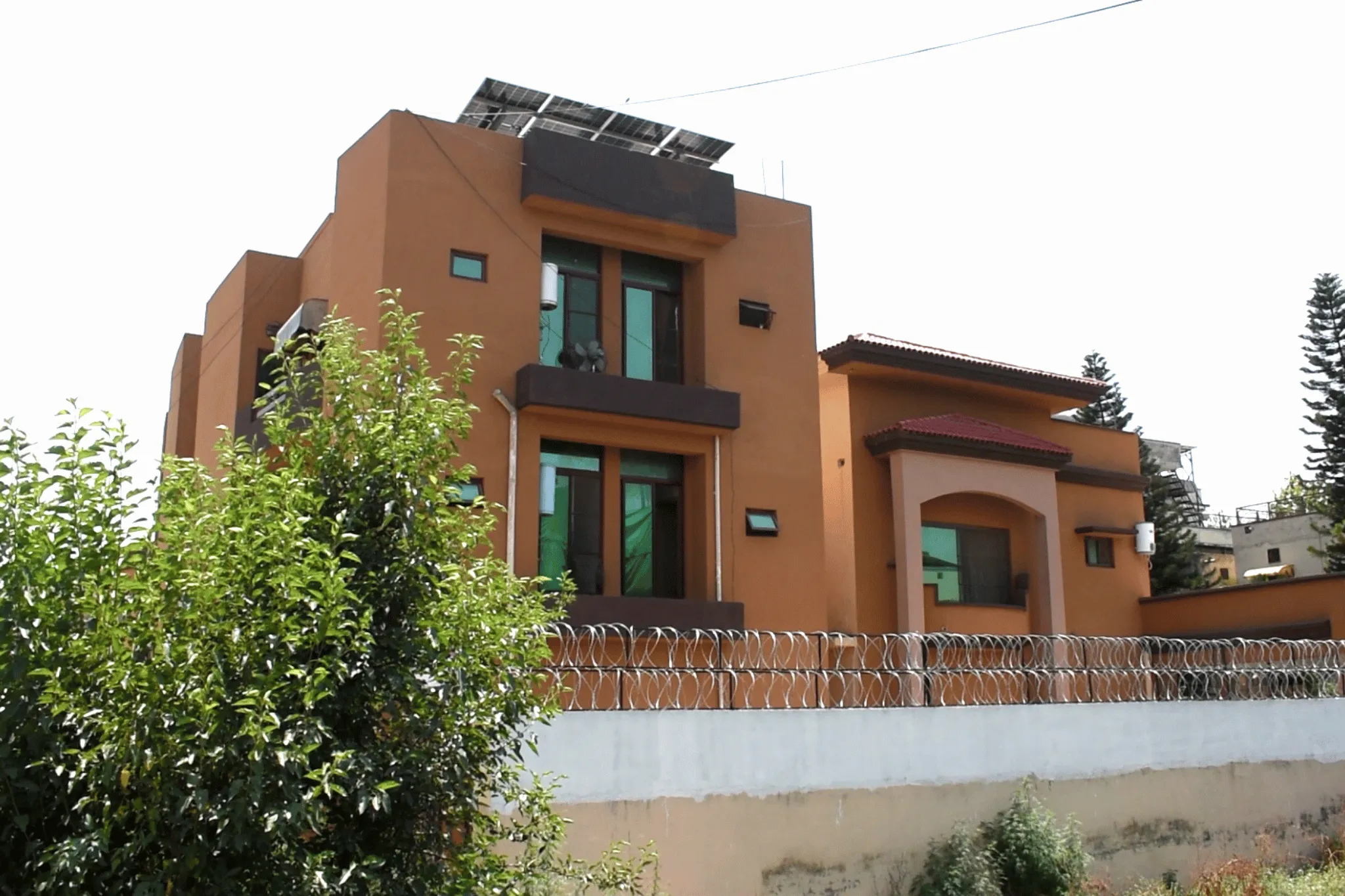
At Federal City Rehab Clinic, we provide comprehensive, medically supervised heroin addiction treatment in Islamabad, delivered by a qualified multidisciplinary clinical team within a completely confidential environment in the peaceful hills of Bani Gala. We have treated patients from across Pakistan, from Islamabad and Rawalpindi to Peshawar, Lahore, Karachi, and beyond. We understand heroin dependency in depth, its pharmacology, its progression, its impact on families, and what genuine, lasting recovery from it requires.
Whatever the duration of the addiction. Whatever has been tried before. Recovery from heroin is possible. FCRC is here to make it real.
Understanding Heroin Addiction
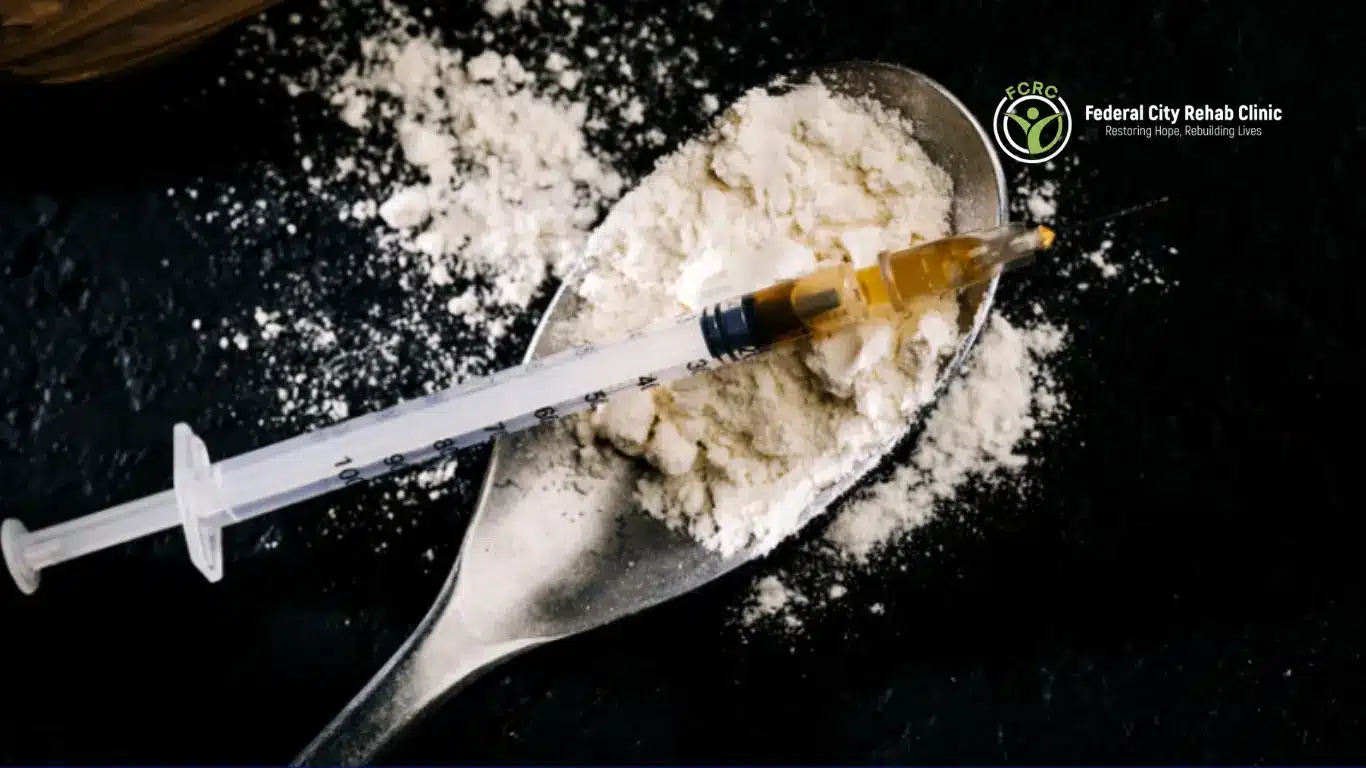
Heroin is a powerful opioid derived from morphine. It binds to opioid receptors in the brain with extraordinary intensity, producing an immediate and overwhelming sense of euphoria and pain relief that no natural experience can replicate. The brain responds to this by reducing its own natural opioid production, creating a neurochemical state in which the person becomes physiologically dependent on heroin simply to feel normal.
This is the neurobiological trap of heroin dependency. The person continues using not primarily for the original euphoria but to avoid the devastating withdrawal syndrome that begins within hours of the last dose. Vomiting, severe muscle pain, insomnia, sweating, anxiety, and an overwhelming sense of dread characterise opioid withdrawal. Without clinical support, these symptoms drive the vast majority of unsupervised attempts back to use within days.
According to the National Institute on Drug Abuse, heroin is one of the most rapidly dependency-forming substances known to medicine. Regular use produces measurable neurological changes within a relatively short period. Understanding this as a medical reality rather than a personal failing is the foundation on which effective treatment is built. It is also the foundation on which compassionate, non-judgemental care at FCRC is delivered.
How Heroin Affects the Mind, Body, and Family
Understanding the full impact of heroin dependency helps both patients and families approach treatment with the knowledge and realistic expectations that support recovery.
Physical Effects
The physical consequences of sustained heroin use are significant and progressive. Severe weight loss and nutritional deficiency develop as appetite is suppressed and self-care diminishes. Vascular damage from injected heroin use, including collapsed veins, abscesses, and increased risk of blood-borne infections, accumulates with continued use. Respiratory depression, constipation, and immune system suppression are all documented physical consequences. The risk of overdose, which can be fatal, increases with every period of resumed use following abstinence, as tolerance decreases rapidly during even short breaks.
Psychological Effects
The psychological impact of heroin dependency is as significant as the physical. Depression is almost universal among heroin dependent patients, both as a consequence of the neurological changes produced by the drug and as a pre-existing condition that frequently drove initial use. Anxiety, emotional numbness, cognitive impairment, and profound loss of motivation characterise the psychological state of many patients at the point of seeking treatment.
For a significant proportion of patients, an underlying mental health condition, most commonly depression or PTSD, was present before the heroin use began. The substance was discovered as a temporary relief from psychological pain that had never been professionally addressed. This is one of the most important clinical realities of heroin addiction and one that fundamentally shapes how treatment must be approached.
The Impact on Families
Heroin dependency does not occur in isolation. It dismantles families. Trust is eroded by dishonesty that the dependency drives. Financial stability is depleted. Relationships fracture under the weight of fear, anger, grief, and the exhausting unpredictability of living alongside active addiction. Children are affected in ways that can persist long after their parent has recovered.
At FCRC, we treat both the patient and the family. Because both need support and because the quality of the family environment to which a patient returns is one of the strongest predictors of sustained recovery.
Why Choose FCRC for Heroin Addiction Treatment in Islamabad, Pakistan?
Because trust, experience, and results matter most.
(اس لیے کہ اعتماد، تجربہ اور نتائج سب سے اہم ہیں۔)
- Specialist ICE and methamphetamine treatment programme
- Consultant psychiatrists managing ICE-related psychosis and psychiatric symptoms
- 24/7 medically and psychiatrically supervised detox
- Safe, Private & Confidential Environment
15+ Years
Expert Care
500+
Patients Treated
24/7
Always Available
The Environment
Bani Gala’s clean air and mountain calm create a recovery setting that no urban facility can match.
The Clinical Team
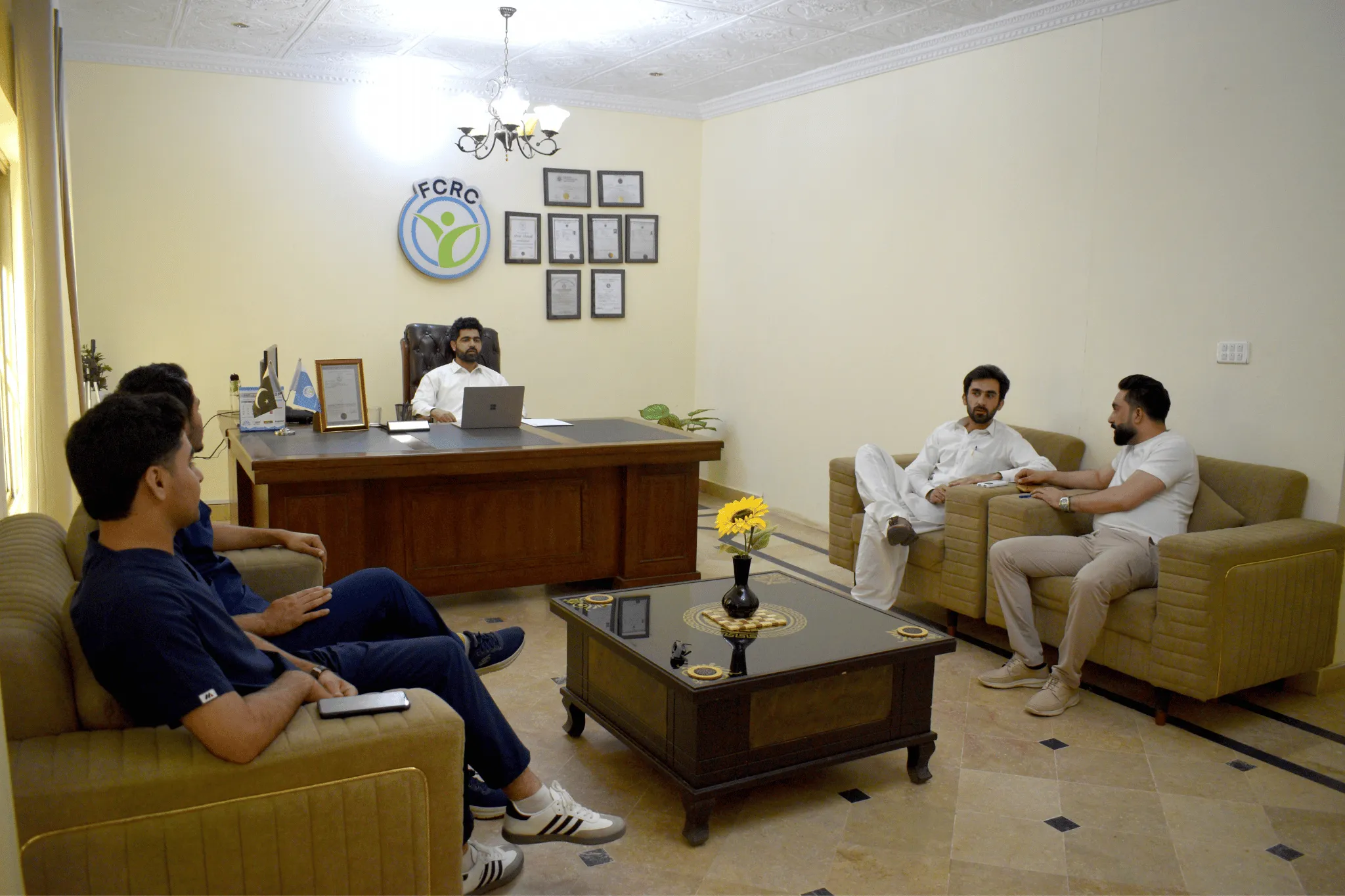
Board-certified psychiatrists and addiction specialists — decades of expertise, one purpose.
Confidentiality
Nothing shared without your consent. Your secret is safe here.
آپ کی رازداری ہمارے لیے مقدس ہے۔
Safety
Round-the-clock medical and psychiatric monitoring from admission to discharge.
Compassion Without Judgement No judgement. No shame. Just expert, compassionate care.
our facility
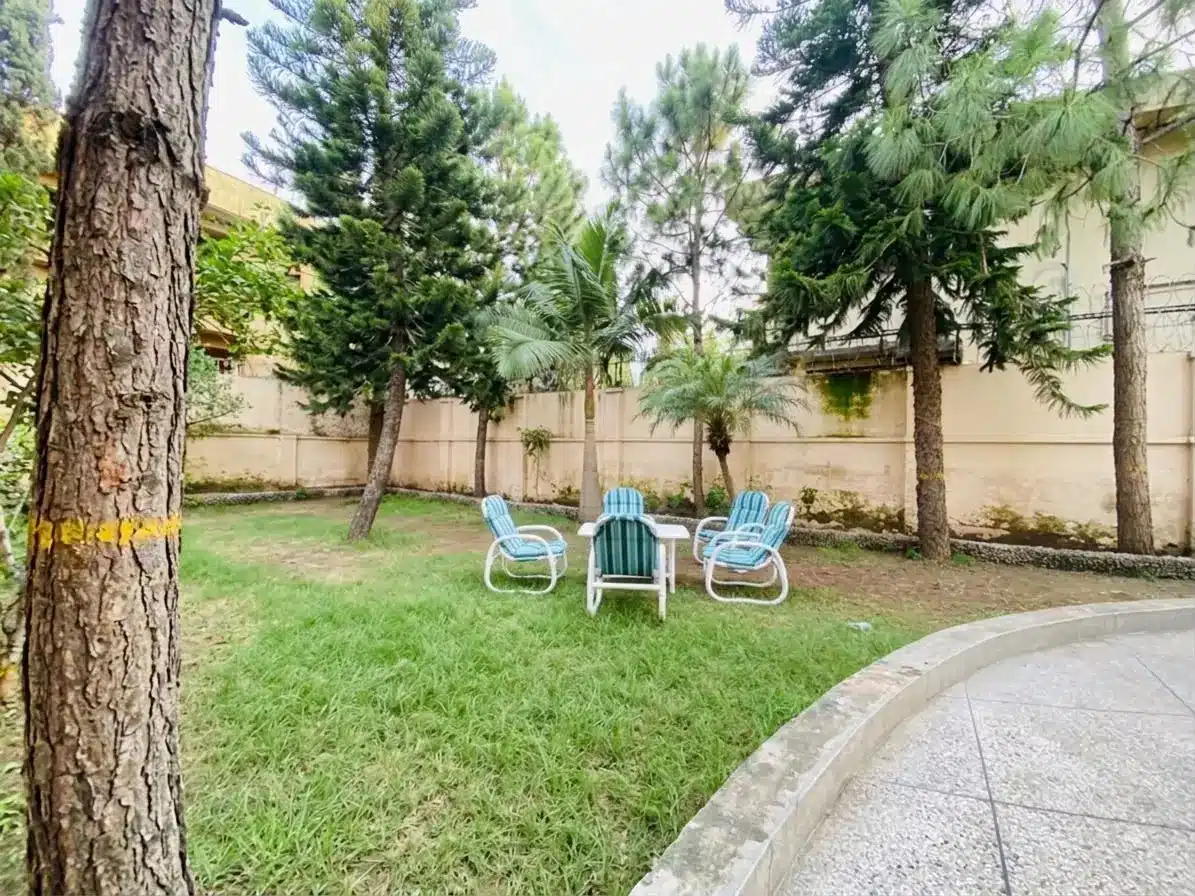
A Place Built for Healing

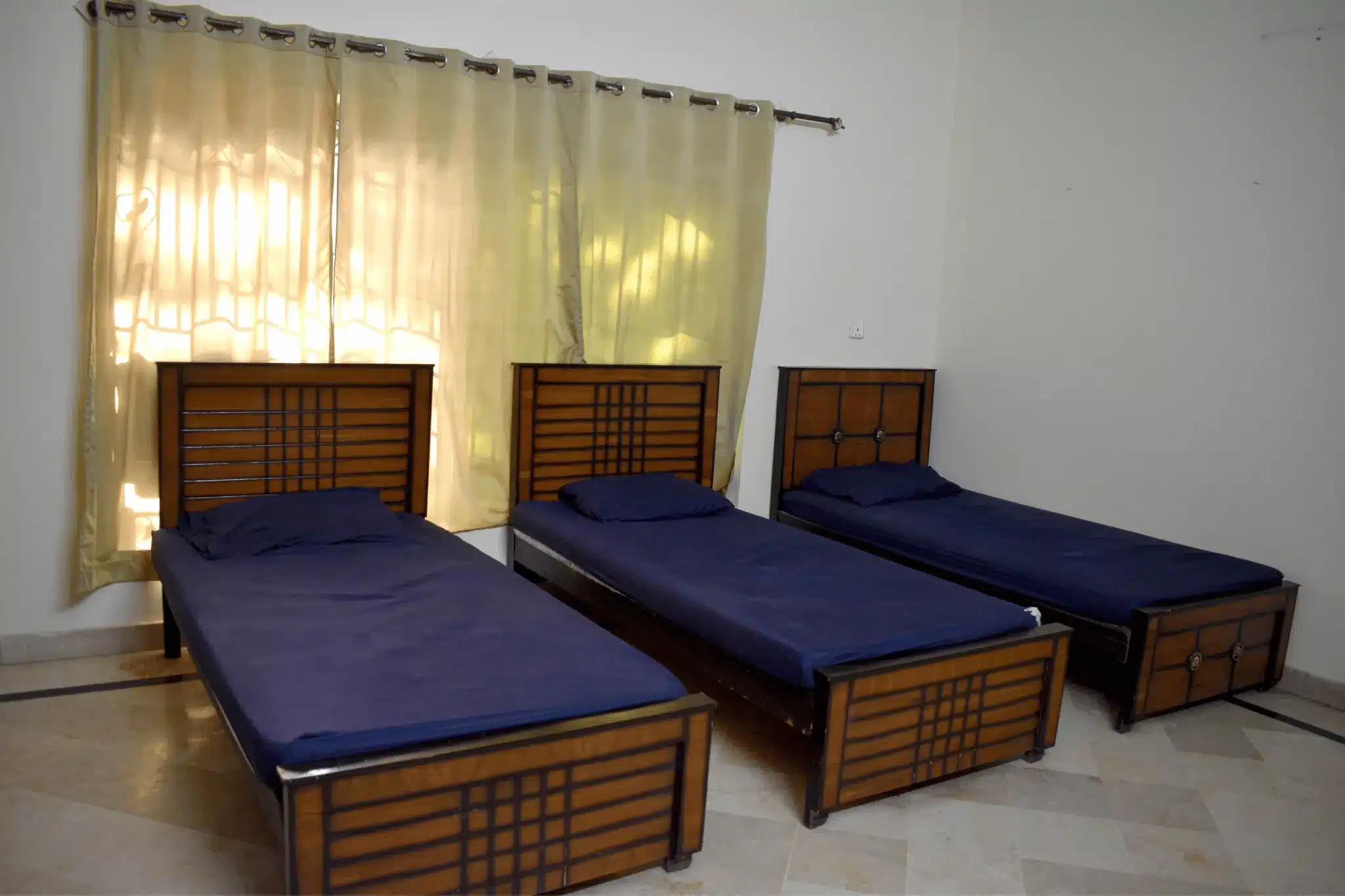
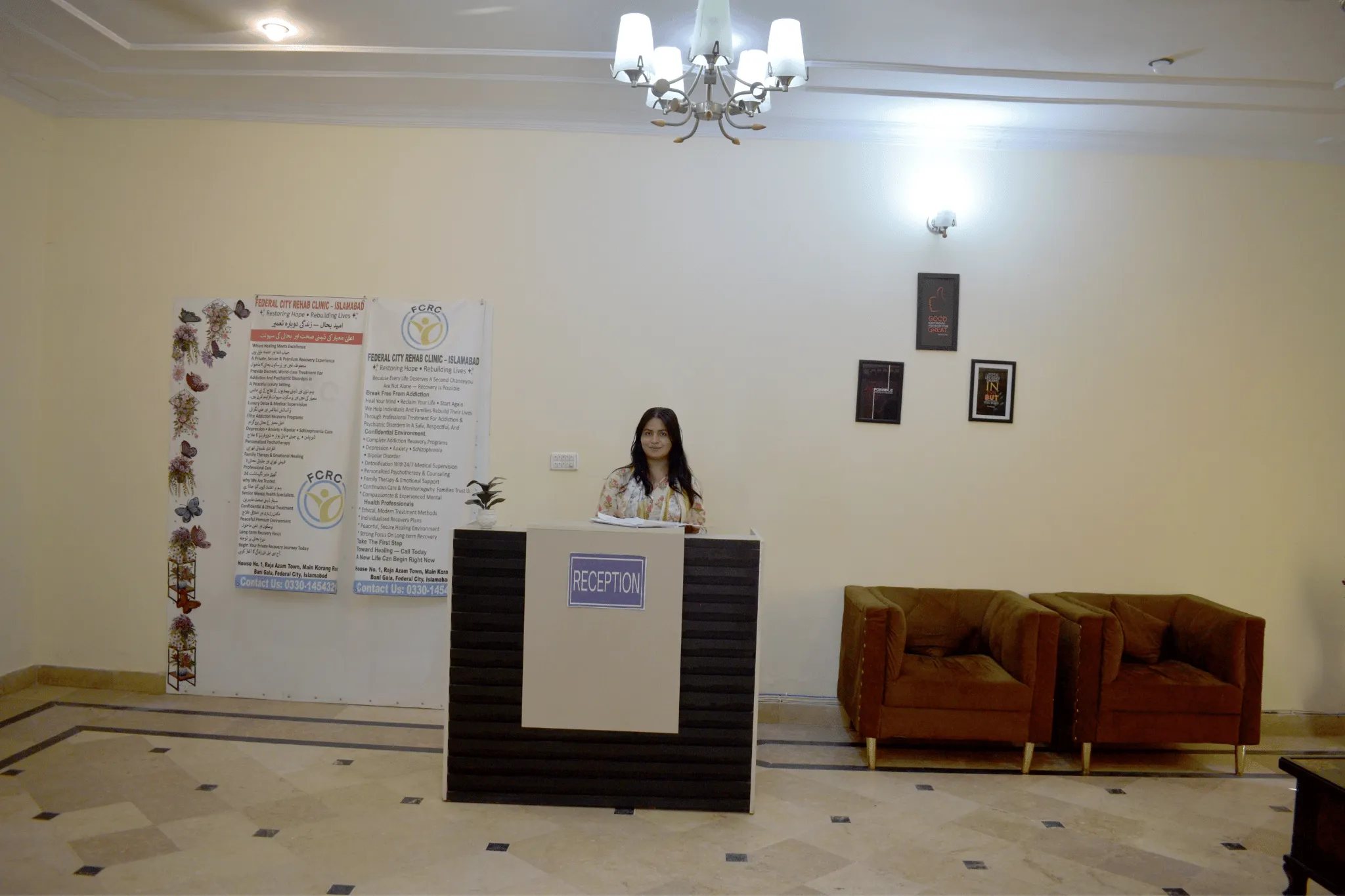
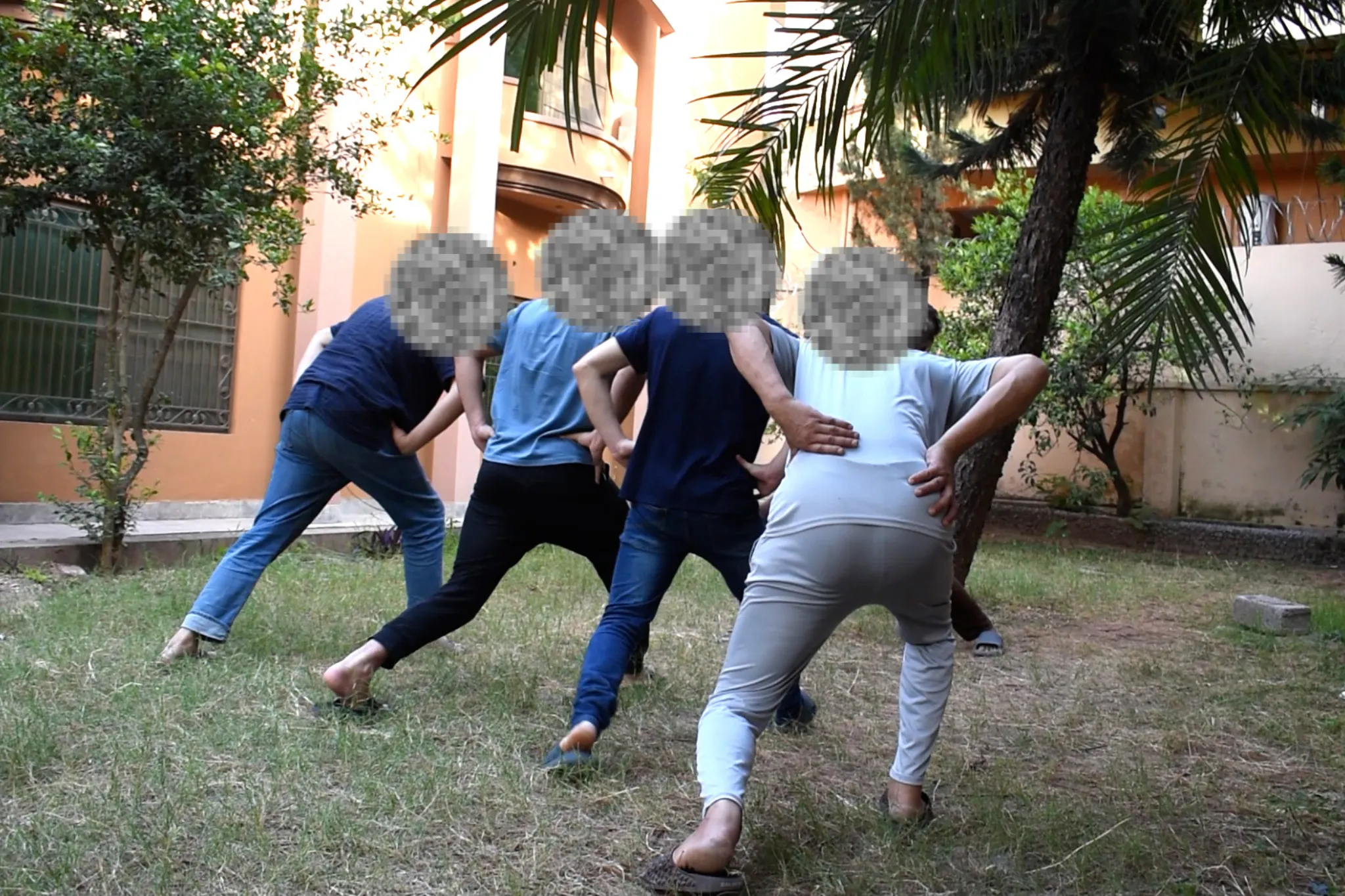
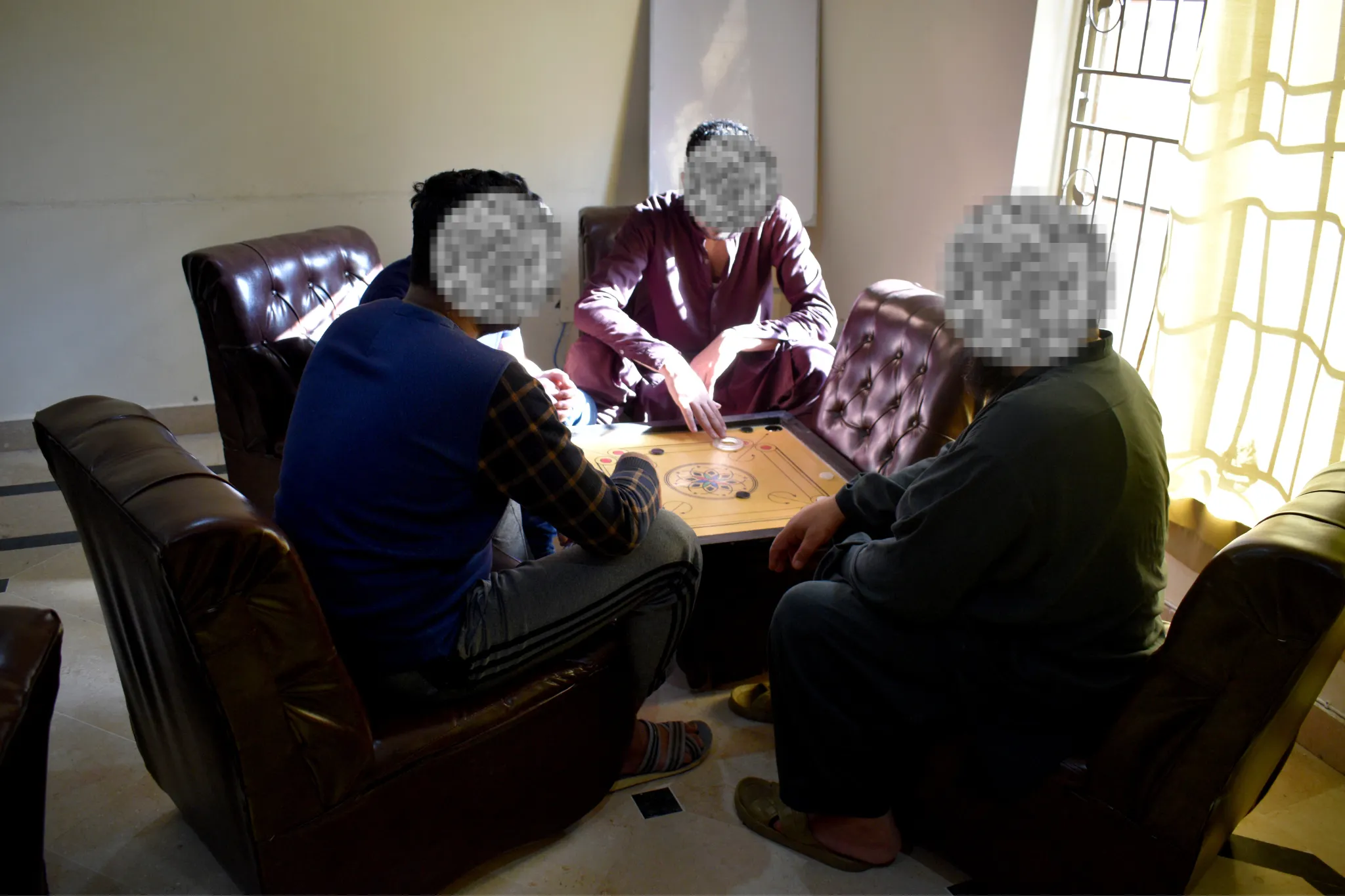
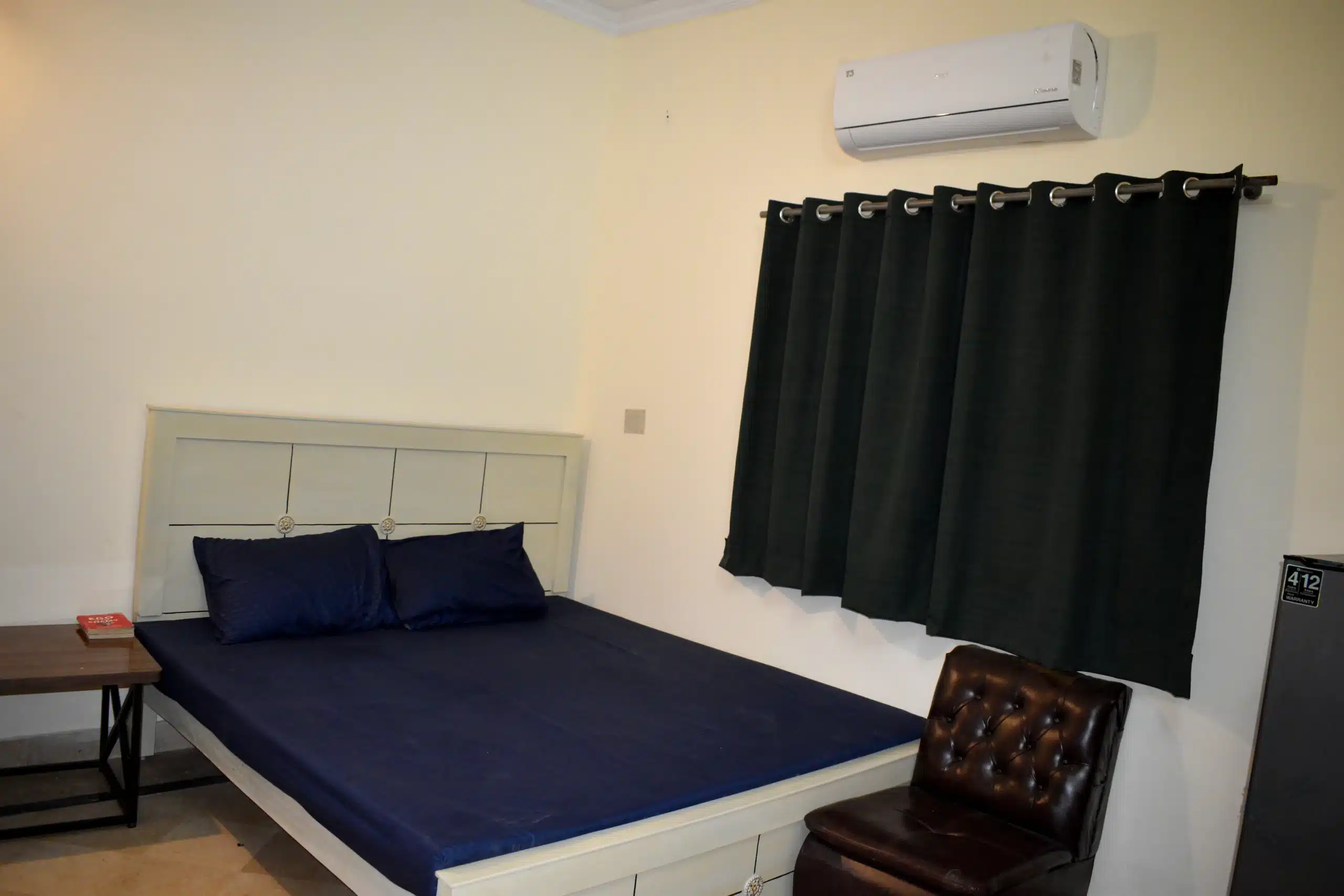
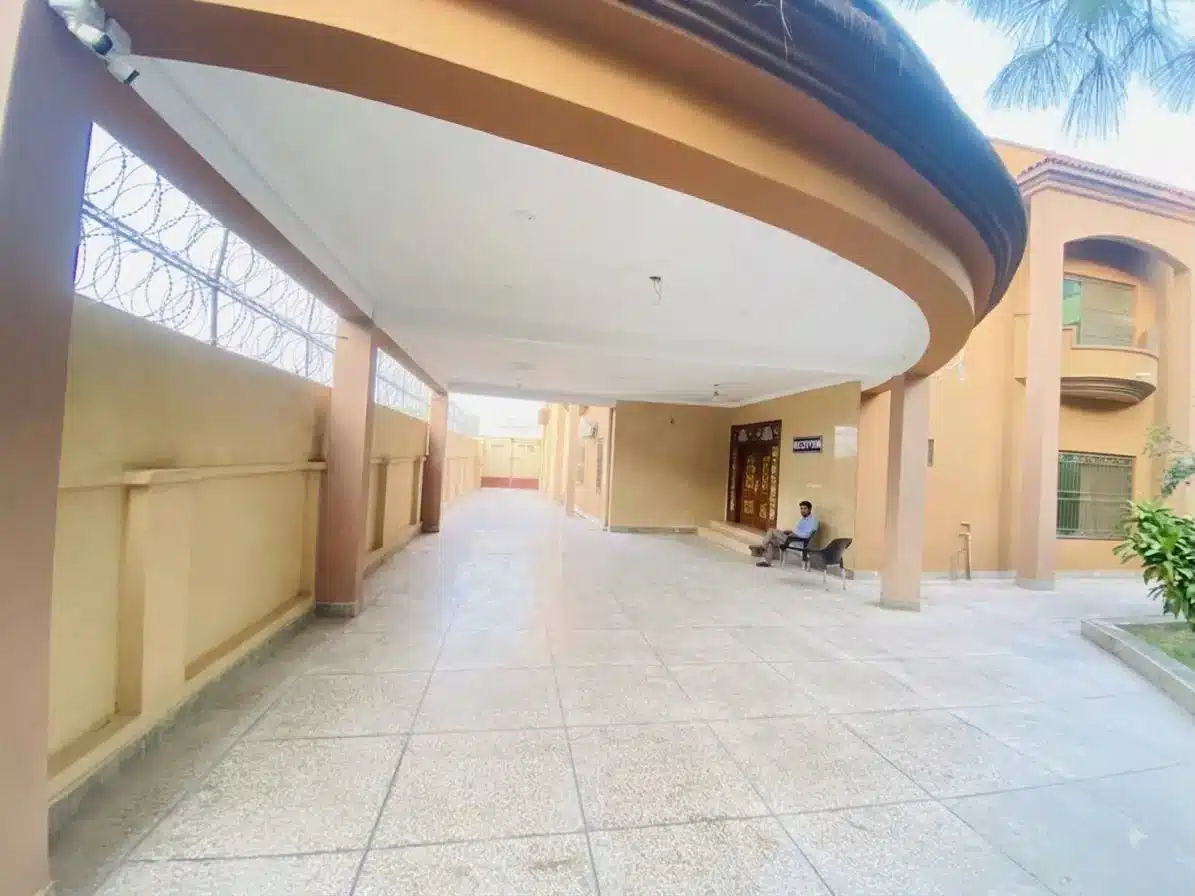
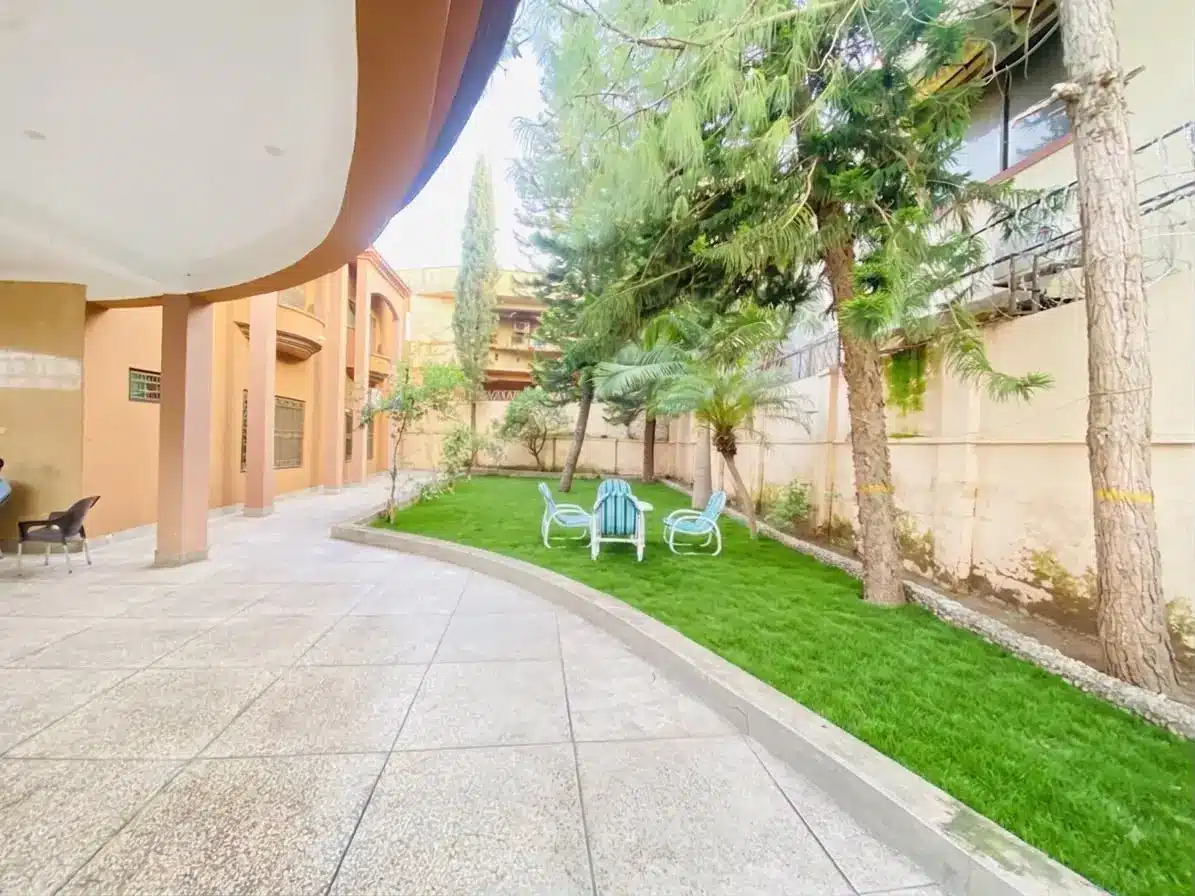
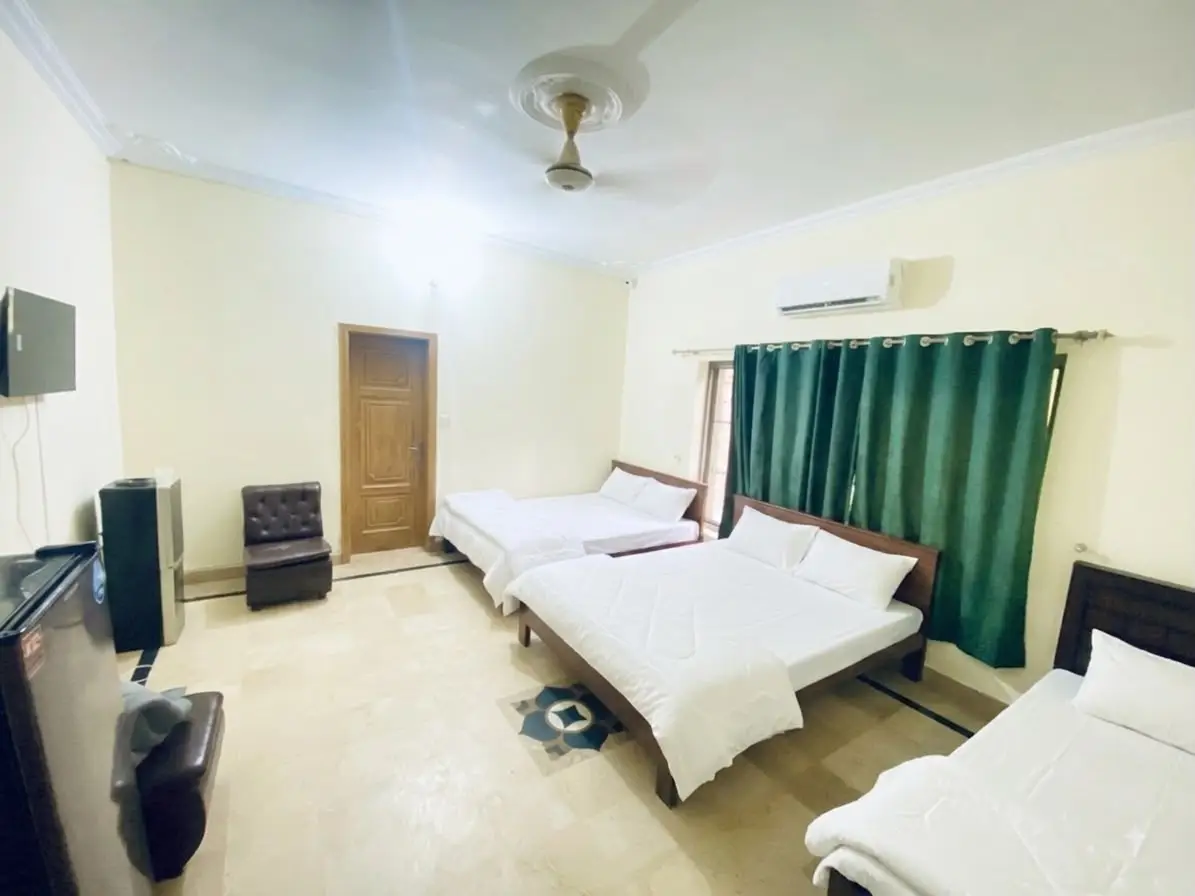
Who We Serve
FCRC provides heroin addiction treatment for patients from across Pakistan. We regularly admit patients from
- Islamabad
- Rawalpindi
- Peshawar
- Lahore
- Multan
- Karachi
- Swat
- and all other major cities.
For out-of-city patients, our admissions team provides full transport coordination and a discreet, professionally managed arrival process.
We operate a dedicated female rehabilitation programme for women who require a gender-specific care environment, with full heroin addiction treatment capability within that programme and all-female clinical staff throughout.
how we work ?
Our Heroin Addiction Treatment Program in Islamabad, Pakistan
FCRC’s heroin addiction treatment programme follows a structured, evidence-based clinical pathway, personalised to the specific needs of every patient.
01
Comprehensive Clinical Assessment
Every journey at FCRC begins with a thorough clinical assessment conducted by our medical and psychiatric team. This covers the patient’s full heroin use history including duration, route of administration, and quantity. It covers current physical health, mental health, trauma history, and family circumstances. It identifies any co-occurring conditions that must be addressed alongside the addiction. And it establishes the foundation on which the personalised treatment plan is built.
For heroin patients specifically, the assessment includes evaluation of the severity of physical dependency, which determines the medical management protocol for detox, and thorough psychiatric screening to identify the depression, anxiety, PTSD, or other mental health conditions that co-occur in a significant proportion of heroin dependent patients.
02
Medically Supervised Heroin Detoxification
Heroin detoxification at FCRC is managed under 24-hour medical supervision using evidence-based protocols designed to make the withdrawal process as safe and as manageable as possible. Our clinical team monitors every patient continuously throughout the withdrawal period, managing symptoms with appropriate medications, adjusting the protocol in response to the patient’s condition, and ensuring that nothing about the detox process is left to chance.
Medication-assisted options are available where clinically indicated. Our medical detoxification protocols are tailored to the individual patient based on the assessment, the severity of dependency, any concurrent medical conditions, and the patient’s physical response throughout the detox period.
The typical duration of heroin withdrawal under supervised management is five to ten days, though this varies based on individual factors. No patient at FCRC is considered ready to transition to the therapeutic programme until the clinical team confirms they are safely stabilised. The urgency of beginning therapy never overrides the necessity of completing detox safely.
03
Psychiatric Assessment and Dual Diagnosis Treatment
Following stabilisation, every heroin patient at FCRC undergoes comprehensive psychiatric assessment. Given the high prevalence of depression, anxiety, and PTSD among heroin dependent patients, this assessment is not a formality. It is a clinical necessity.
Where a co-occurring mental health condition is identified, which is the case for a significant proportion of our heroin patients, our dual diagnosis treatment approach addresses both conditions simultaneously within a single integrated programme. According to SAMHSA, treating co-occurring disorders simultaneously consistently produces significantly better outcomes than treating either condition in isolation. At FCRC, this integrated approach is the clinical standard for every patient who presents with both heroin dependency and a mental health condition.
Psychiatric medication management where clinically indicated, ongoing psychiatric review throughout the programme, and the seamless integration of psychiatric input with the psychological therapy programme ensure that the mental health dimension of recovery receives the same clinical rigour as the addiction treatment itself.
04
Intensive Therapeutic Programme
Following psychiatric stabilisation, patients engage in FCRC’s intensive therapeutic programme. This is where the deeper psychological work of recovery takes place. The work of understanding what drove the addiction, developing the skills to manage triggers and cravings, processing the underlying pain that heroin was being used to manage, and building the psychological foundation that sustained sobriety requires.
Cognitive Behavioural Therapy is the most extensively evidenced psychological treatment for opioid addiction. At FCRC, CBT sessions help patients identify the specific triggers, thought patterns, and emotional states that drive heroin use and build practical, tested strategies for managing each of them. Motivational Interviewing strengthens the patient’s own internal commitment to recovery, working honestly with ambivalence rather than suppressing it. Trauma-informed therapy addresses the underlying painful experiences that drove heroin use in patients where trauma is a significant factor, conducted carefully and at the patient’s pace. Group therapy provides peer connection, shared accountability, and the profoundly therapeutic experience of being understood by others who have faced the same struggle.
Spiritual counselling is available for patients who wish to integrate their faith and values into the recovery process, a dimension of healing that carries significant meaning for many Pakistani patients.
05
Family Therapy and Support
Heroin addiction breaks families. Recovery rebuilds them. But rebuilding requires structured, clinically guided support, not simply the passage of time.
FCRC’s family therapy programme brings loved ones into the recovery process through structured sessions that help family members understand the nature of heroin dependency as a medical condition rather than a moral failure. It helps them process their own grief, anger, and fear in a supported clinical context. It equips them with the communication skills and healthy boundaries needed to support recovery without enabling dependency. And it creates the conditions in which the careful rebuilding of trust can begin.
For many heroin patients, restoring their relationships with the people they love most is the most powerful and most sustained motivation for sobriety. Our family programme exists to honour that motivation and support it clinically.
06
Relapse Prevention and Aftercare
Before every patient is discharged, they complete a comprehensive relapse prevention programme that identifies their personal high-risk situations, triggers, and social environments, and develops specific, tested coping strategies for each. Every patient leaves FCRC with a written, personalised aftercare plan. The FCRC team remains available for follow-up support, guidance, and re-assessment after discharge.
For heroin patients, the post-discharge period requires particular attention. The risk of fatal overdose following a period of abstinence is real, as tolerance decreases significantly during treatment. Our relapse prevention programme addresses this directly, equipping patients with specific knowledge about overdose risk and concrete strategies for managing the situations most likely to trigger relapse after discharge.
Inpatient and Outpatient Options
FCRC offers heroin addiction treatment through both residential inpatient and structured outpatient formats.
Inpatient Residential Treatment
is strongly recommended for the vast majority of heroin addiction cases. The physical nature of opioid dependency, the severity of withdrawal, and the deep psychological work that sustained recovery requires all point toward the 24-hour structure, supervision, and support of a residential programme. Patients live within FCRC’s Bani Gala facility for 30, 60, or 90 days, immersed in a structured daily programme of medical care, therapy, psychiatric support, and wellness activities, in a safe and completely controlled environment.
Outpatient Treatment
is available for carefully selected patients with lower severity presentations and a strong, stable home environment, or as a step-down pathway following the completion of a residential programme. Our clinical team will determine the most appropriate format following the initial assessment. For most heroin patients, residential treatment is both the clinically recommended and the clinically necessary choice.
Book Consultation
Take the First Step Today
You do not need to have everything figured out before reaching out. You do not need to be certain. You do not need to have made a final decision.
You simply need to take one step, a conversation with our admissions team. From there, we will guide you through everything at whatever pace feels right for you.
FCRC’s admissions team is available 24 hours a day, 7 days a week, 365 days a year. There is no pressure, no judgement, and no obligation.
0330 1454321
federalcityrehabclinc@gmail.com
Our location
House No. 1, Raja Azam Town, Main Korang Road, Bani Gala, Islamabad
frequently asked question
Is heroin withdrawal dangerous without medical supervision?
Heroin withdrawal is not typically life-threatening in otherwise healthy patients. However the intensity of the withdrawal syndrome, which includes severe pain, vomiting, insomnia, and overwhelming psychological distress, drives almost all unsupervised attempts back to use within days. Medical supervision dramatically improves both the safety and the completion rate of heroin detoxification. FCRC’s medical detoxification programme is supervised around the clock by a qualified clinical team.
How long does heroin addiction treatment take at FCRC?
FCRC offers 30, 60, and 90-day residential programmes with extended options available for complex cases. The detoxification phase typically takes five to ten days. Research strongly supports longer total programme durations for producing lasting recovery outcomes, particularly for heroin dependency. The most appropriate duration is determined by clinical assessment.
Does FCRC treat mental health conditions alongside heroin addiction?
Yes. FCRC’s dual diagnosis treatment addresses co-occurring mental health conditions, most commonly depression, anxiety, and PTSD, simultaneously with heroin addiction within a single integrated clinical programme. This integrated approach produces significantly better outcomes than treating either condition in isolation.
Is heroin addiction treatment at FCRC confidential?
Completely and unconditionally. No information about any patient is ever shared with any person or institution without explicit written consent. Patients may enquire anonymously before making any decision. All staff are professionally and contractually bound to absolute confidentiality.
Can family members visit during treatment?
Yes. Family visits are encouraged and scheduled in coordination with the clinical team. Family therapy sessions are integrated into all FCRC residential programmes. For family members who cannot always travel, phone and video consultations with clinical staff are available.
Is there a female heroin addiction treatment programme at FCRC?
Yes. FCRC’s dedicated female rehabilitation programme includes comprehensive heroin addiction treatment delivered by female clinical staff in a fully private, gender-specific environment.