Xanax and Tramadol Addiction Treatment in Islamabad, Pakistan
Medically supervised. Psychiatrically managed. Completely confidential. Prescription drug nasha ka khatma, FCRC ka mission.
client feedbacks
Stories of Recovery
Real Lives, Real Results
Every patient who walks through our doors carries a story. These are a few of the stories that walked back out, rebuilt, restored, and renewed. Names and details shared with full consent.
 Posted on Google
 Hidayat King
Trustindex verifies that the original source of the review is Google.
Highly recommended for excellent treatment, caring staff, and quality patient care.Posted on Google Muhammad IlyasI have such great experiences here ! Very professional and authentic approach towards patient and families. Recommended for addictions and psychological treatmentPosted on Google
 Hidayat KingI had a very positive experience with this rehabilitation center. The staff are caring, respectful, and available whenever patients need support. The doctors, psychologists, and medical team are highly professional and genuinely dedicated to helping people recover. The environment is clean, safe, and peaceful. Patients receive their medications on time, nutritious meals are provided regularly, and daily therapy and activities are well organized. I highly recommend this rehabilitation center to anyone looking for quality care and a supportive recovery environment.Posted on Google
 Hidayat Kingمیرا ذاتی تجربہ میرے ذاتی تجربے کے مطابق یہ ریہیب بہت اچھا ادارہ ہے۔ یہاں مریضوں کی بہت اچھی دیکھ بھال کی جاتی ہے۔ ادویات اور کھانا وقت پر دیا جاتا ہے، روزانہ باقاعدہ ایکسرسائز کروائی جاتی ہے، اور مریضوں کی صحت پر خصوصی توجہ دی جاتی ہے۔ یہاں کے سائیکاٹرسٹس، سائیکالوجسٹس اور میڈیکل آفیسرز پیشہ ور، مہربان اور 24 گھنٹے دستیاب رہتے ہیں۔ اسٹاف بھی نہایت ذمہ داری، تعاون اور خلوص کے ساتھ مریضوں کی خدمت کرتا ہے۔ میرے تجربے کے مطابق، یہ علاج اور بحالی کے لیے ایک بہترین جگہ ہے۔Posted on Google
 Shayan ShahWhat sets this rehab center apart is the way they combine expert medical care with genuine human kindness. The team creates a safe, peaceful, and motivating environment where recovery feels possible. Every staff member, from therapists to support staff, treats patients with dignity and encouragement. The personalized treatment plans, daily activities, and counseling sessions helped rebuild strength, confidence, and independence. It’s a place where healing happens with both science and heart.Posted on Google
 Yasir SaeedGreat rehab services, the client I referred showed exceptional improvements in behavior.Posted on Google
 Mujahid iqbalI had a very positive experience with Federal City Rehab Clinic. The staff is professional, caring, and respectful. The doctors and counselors provide excellent support, and the environment is clean, peaceful, and well-managed. They truly care about their patients and their recovery. I highly recommend this clinic to anyone seeking quality rehabilitation and mental health services.Posted on Google
 Sanaullah FaizI had a family member admitted to this rehab center, and our experience was very positive. The environment was clean, peaceful, and supportive, which made us feel comfortable during a difficult time. The staff was caring and respectful, and they created a positive atmosphere for patients and families. We truly appreciated the care and attention provided.Posted on Google
 hazrat aliProfessional services and a peaceful environment. I appreciate the dedication of the team.Verified by TrustindexTrustindex verified badge is the Universal Symbol of Trust. Only the greatest companies can get the verified badge who has a review score above 4.5, based on customer reviews over the past 12 months. Read more
Service List
Therapist Detail
Dr. Obaid Ullah Khan Consultant Psychiatrist
Need Any Help ?
0330 1454321
If you are on this page, something has already shifted. A pattern that started with a prescription, a pain management need, or a moment of anxiety has grown into something that feels impossible to control. You are not alone, and you are not at fault for being here.
Xanax and Tramadol addiction is one of the fastest-growing drug crises in Pakistan. Unlike heroin or ICE, it does not begin in the streets. It begins in pharmacies, in doctors’ offices, and in medicine cabinets — which is precisely why it is so dangerous and so frequently unrecognised until the dependency is severe.
At Federal City Rehab Clinic, we have developed one of Pakistan’s most comprehensive prescription drug addiction treatment programmes. Our clinical team understands the specific pharmacology of benzodiazepine and opioid withdrawal, the psychiatric complexity that frequently accompanies these dependencies, and the particular shame and confusion that families feel when addiction emerges from what began as legitimate medical use.
Whatever the duration of the dependency. Whatever has been tried before. Recovery from prescription drug addiction is possible, and FCRC is here to make it real.
What Are Xanax and Tramadol?
Xanax and Tramadol are two of the most widely misused prescription medications in Pakistan, and they represent two distinct classes of drugs with different mechanisms, different withdrawal profiles, and different clinical risks.
Xanax (Alprazolam)
Xanax is the brand name for alprazolam, a benzodiazepine medication prescribed for anxiety and panic disorders. It works by enhancing the effect of GABA, the brain’s primary inhibitory neurotransmitter, producing sedation, relaxation, and relief from anxiety.
Benzodiazepines are among the most physically addictive substances known. Physical dependency can develop within weeks of regular use, even at therapeutic doses. In Pakistan, Xanax is widely available without prescription, making it accessible in ways that accelerate the development of dependency far beyond what is seen in more regulated markets.
Xanax withdrawal is a medical emergency. Unlike opioid withdrawal, which is agonising but rarely fatal in otherwise healthy adults, benzodiazepine withdrawal carries a genuine risk of life-threatening seizures. This makes Xanax one of a small number of substances for which attempting to stop without medical supervision is genuinely dangerous, not simply uncomfortable.
Tramadol
Tramadol is a synthetic opioid analgesic prescribed for moderate to severe pain. It acts on opioid receptors in the brain and also inhibits the reuptake of serotonin and norepinephrine, giving it a dual mechanism that distinguishes it from other opioids.
In Pakistan, Tramadol is among the most widely misused prescription drugs. It is cheap, easily available, and frequently used as a recreational drug as well as for pain management. Physical dependency develops with sustained use, and withdrawal produces a syndrome that combines classical opioid withdrawal symptoms with additional features including severe anxiety, sensory disturbances, and in some cases seizures, due to the drug’s serotonergic effects.
The combination of Xanax and Tramadol misuse is common in Pakistan. Many patients present with dependency on both substances simultaneously, creating a clinically complex withdrawal picture that requires highly experienced medical management.
How Xanax and Tramadol Affect the Mind and Body
Psychological Effects
Anxiety and depression are both consequences and drivers of benzodiazepine and opioid dependency. Xanax, despite being prescribed for anxiety, worsens anxiety in the long term through a process called rebound anxiety. The brain’s natural anxiety regulation becomes suppressed by sustained Xanax use, and when the drug is not present, anxiety returns at levels significantly greater than the original presenting complaint.
Tramadol dependency produces profound mood changes. The drug’s effects on serotonin produce a temporary elevation of mood that is followed by a prolonged period of depression and emotional flatness as the brain’s natural serotonin system becomes depleted. Long-term users frequently describe a state of emotional numbness punctuated by intense anxiety and irritability when the drug is not available.
Cognitive impairment is significant in both substances. Memory difficulties, slowed processing, confusion, and difficulty concentrating are all documented consequences of sustained benzodiazepine use. Emotional dysregulation and a reduced capacity to manage stress without the substance are common features of both dependencies.
Physical Effects
Xanax and other benzodiazepines suppress the respiratory system. In high doses or in combination with other sedative substances, this suppression can be fatal. Physical coordination is impaired, increasing the risk of falls and accidents. Sustained use is associated with paradoxical effects in some patients, including increased agitation and aggression rather than sedation.
Tramadol at high doses causes nausea, constipation, sweating, and headaches. Its opioid effects produce physical dependency rapidly. Seizures can occur with both high-dose use and during withdrawal, a risk significantly elevated in patients who are also using other medications that lower the seizure threshold.
Weight changes, disrupted sleep, and physical debilitation from prolonged dependency are common in both substances, compounding the difficulty of daily functioning.
Behavioural Effects
Prescription drug addiction produces behavioural changes that families often struggle to attribute correctly, partly because the substances involved have medical legitimacy and partly because the changes are more subtle in their early stages than those produced by ICE or heroin.
Doctor shopping — visiting multiple physicians to obtain multiple prescriptions — is a common behaviour in prescription drug dependency. Obtaining medications from pharmacies without prescription, purchasing from informal markets, and stealing or obtaining medications from other family members are all behaviours that emerge as dependency deepens and legitimate access becomes insufficient.
Social withdrawal, declining performance at work or in studies, increasing secretiveness about medication use, and prioritising obtaining the drug over all other responsibilities are all signs that use has moved from medical management into addiction.
The Family Impact
Prescription drug addiction causes particular confusion in families because it does not fit the template of drug addiction that most people carry. The person began with a legitimate prescription. The medication was prescribed by a doctor. How could this have become an addiction?
This confusion delays recognition and delays help. By the time families understand what they are dealing with, the dependency is often severe and the medical risks of stopping without support are significant. At FCRC, we treat both the patient and the family, because both need support and both deserve to understand what has happened without shame or blame.
Why Choose FCRC for Xanax and Tramadol Addiction Treatment in Islamabad, Pakistan?
Because trust, experience, and results matter most.
(اس لیے کہ اعتماد، تجربہ اور نتائج سب سے اہم ہیں۔)
- Specialist prescription drug detoxification with 24/7 medical and psychiatric supervision
- Consultant psychiatrists experienced in benzodiazepine and opioid withdrawal management
- Medically managed Xanax withdrawal with seizure prevention protocols
- Integrated treatment for co-occurring anxiety, depression, and pain conditions
- Complete confidentiality — nothing shared without your explicit consent
- Peaceful Bani Gala location, fully removed from urban triggers and pharmacy access
- Programmes for both men and women, including our dedicated Female Rehabilitation Programme

15+ Years
Expert Care
500+
Patients Treated
24/7
Always Available
The Environment
Bani Gala’s clean air and mountain calm create a recovery setting that no urban facility can match.
The Clinical Team
Specialists in adolescent psychology and family therapy, decades of expertise, one purpose.
Confidentiality
Nothing shared without your consent. Your secret is safe here.
آپ کی رازداری ہمارے لیے مقدس ہے۔
Safety
Round-the-clock care from admission to discharge, suited to a young person’s needs.
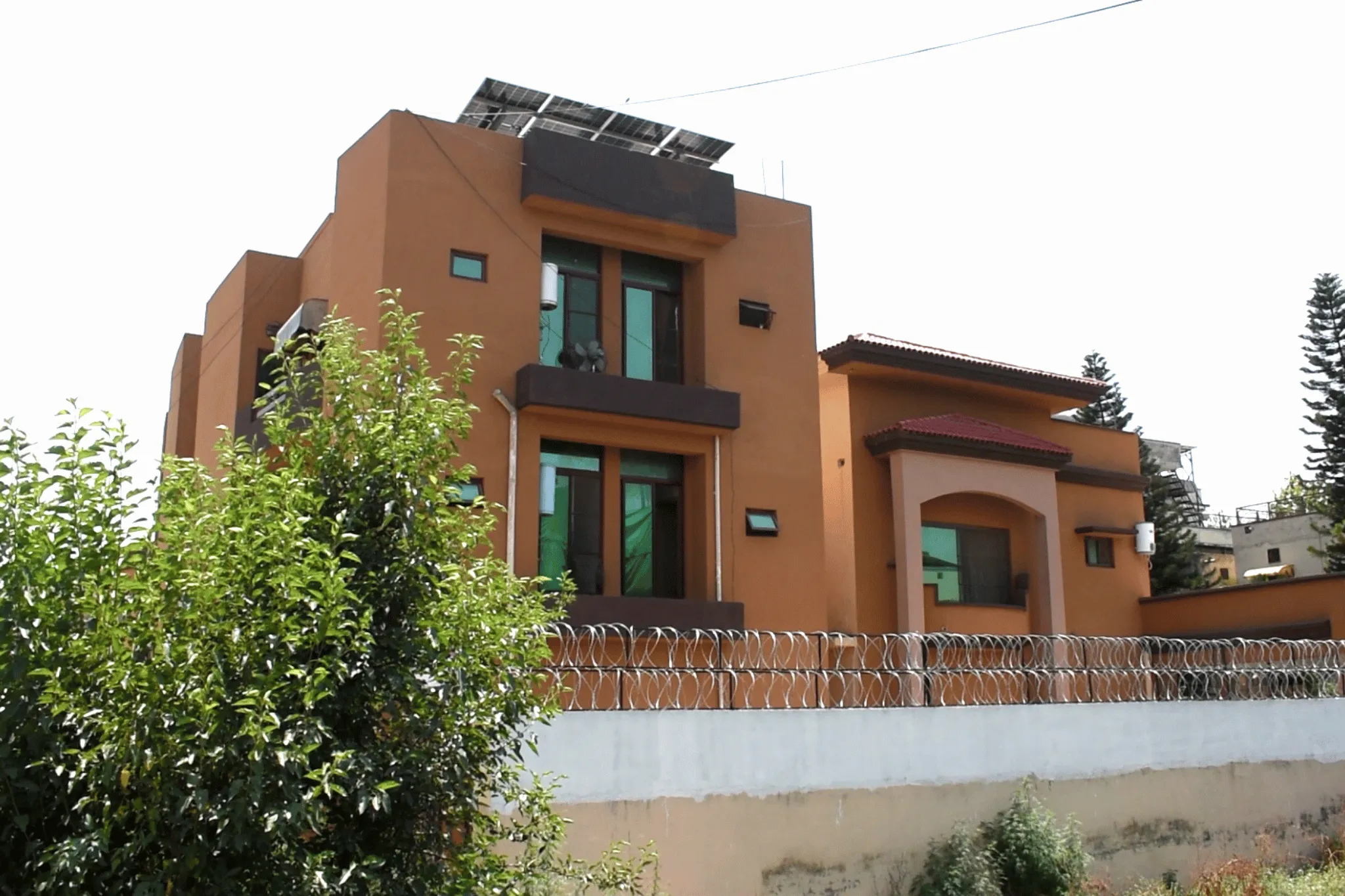
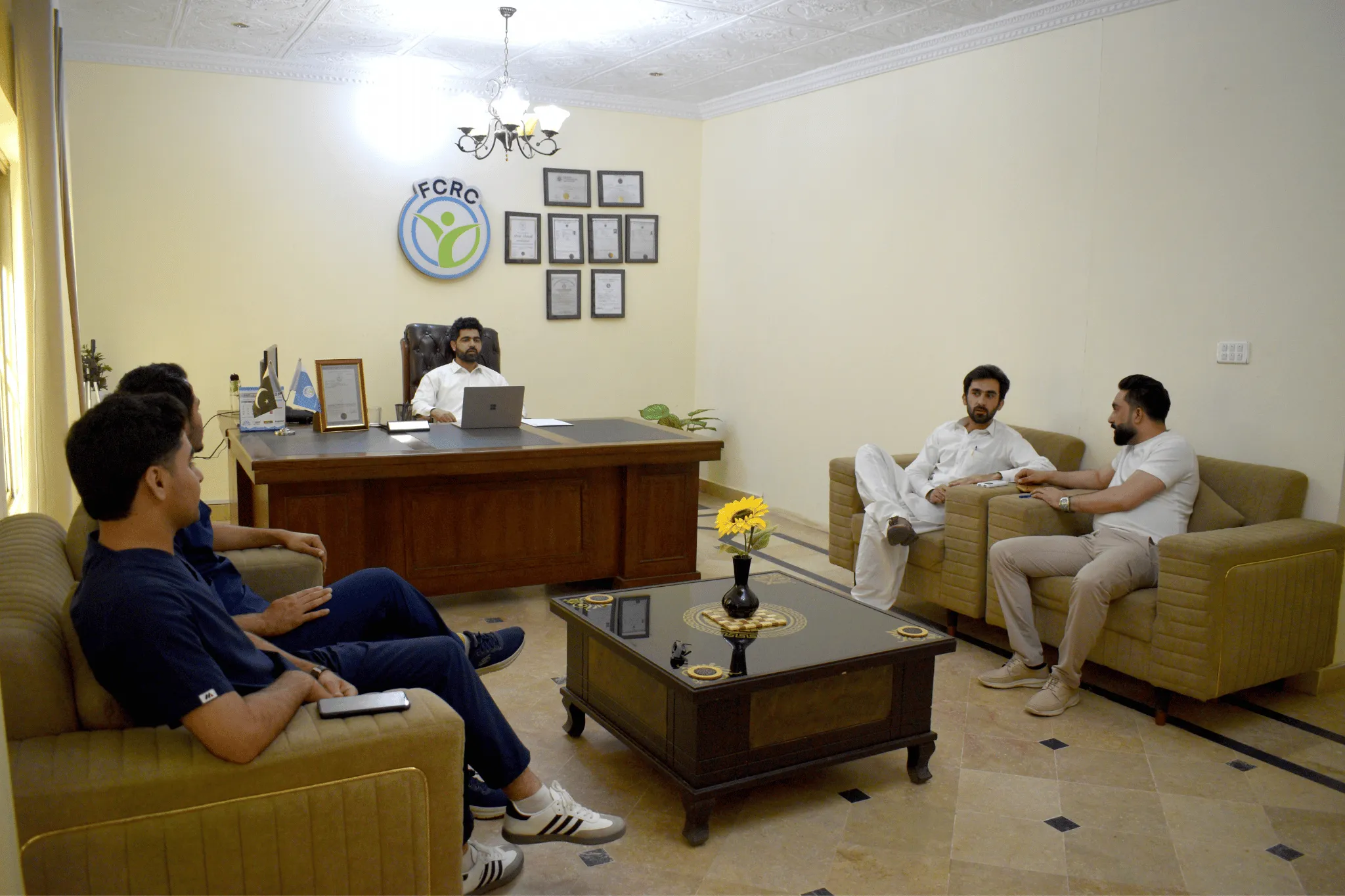
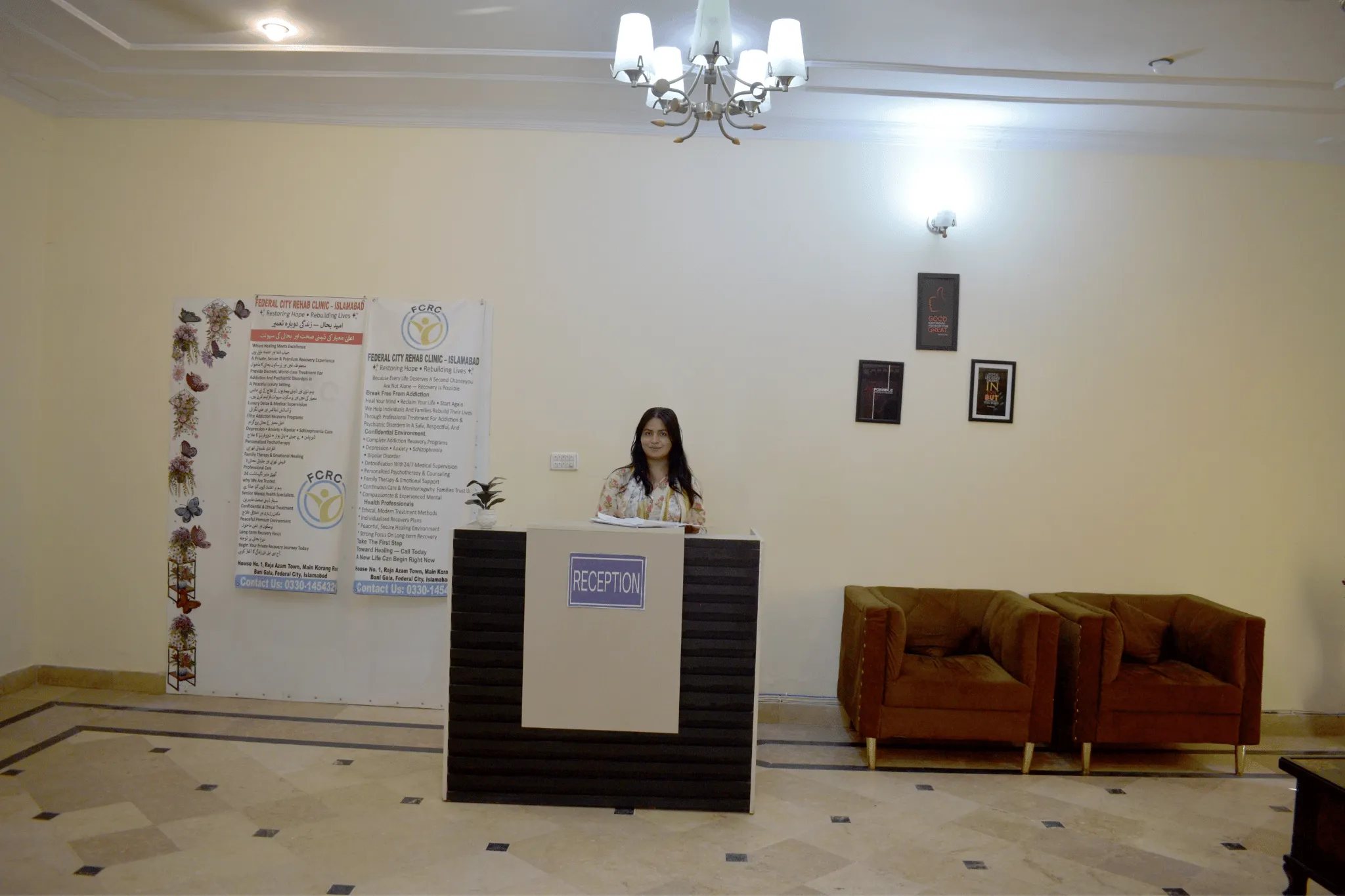
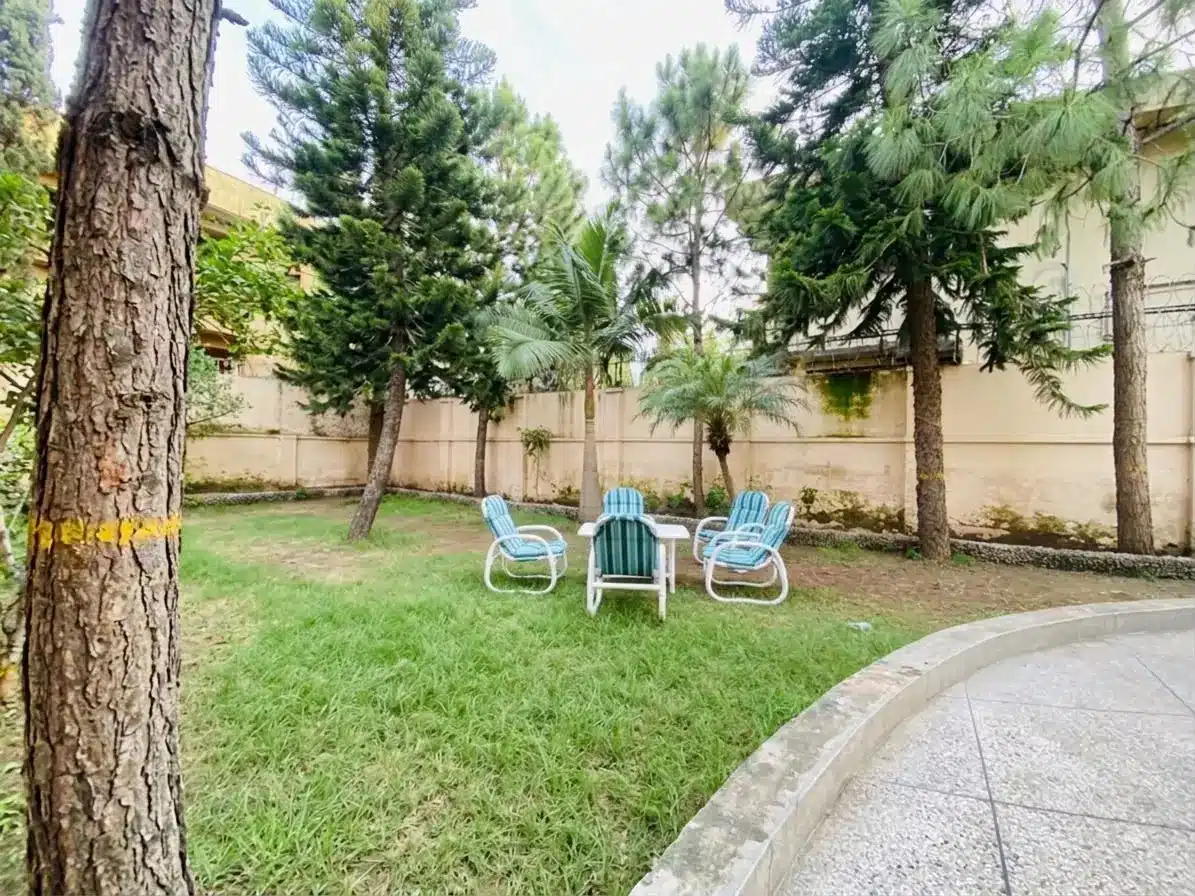
our facility
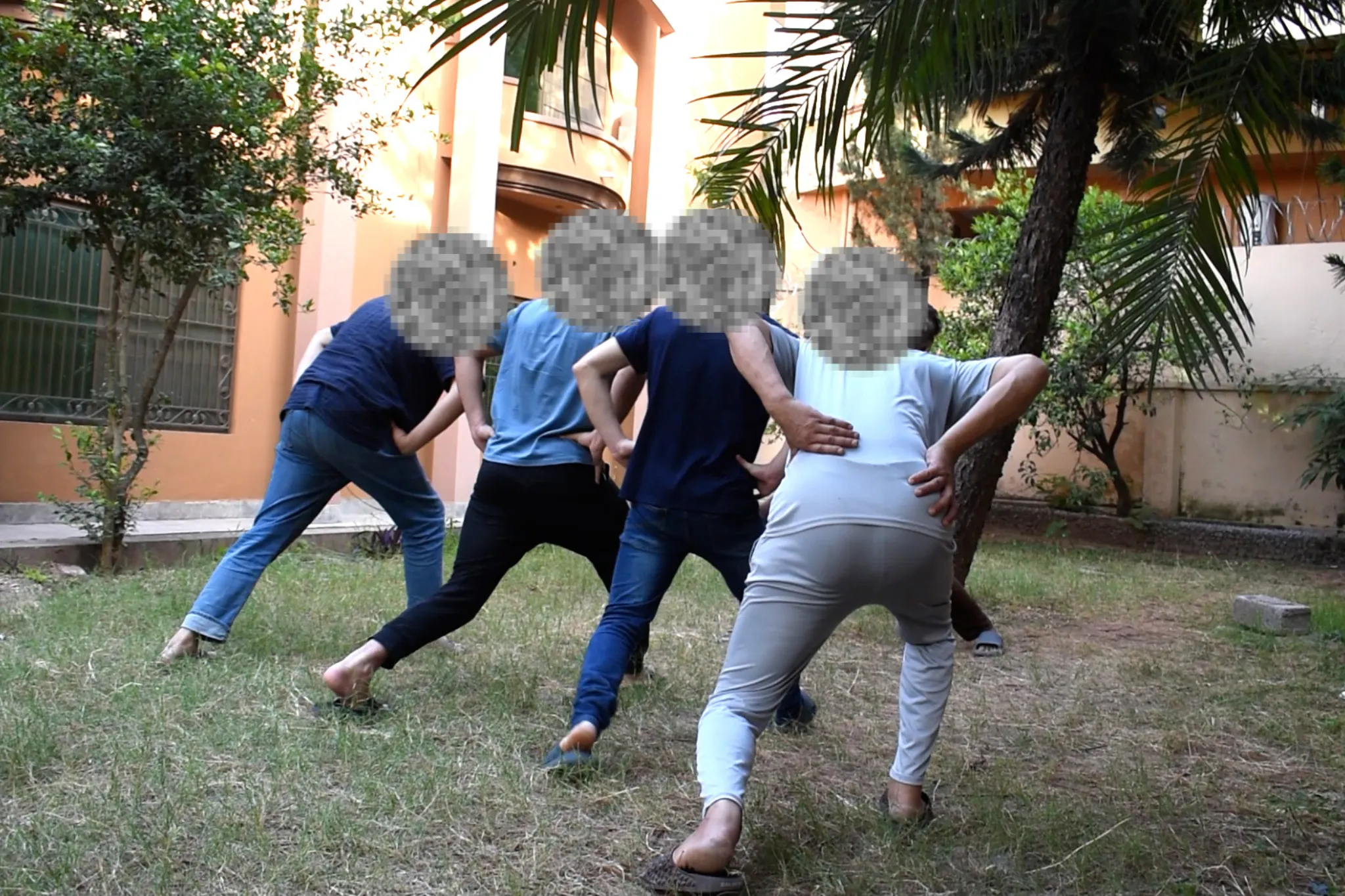
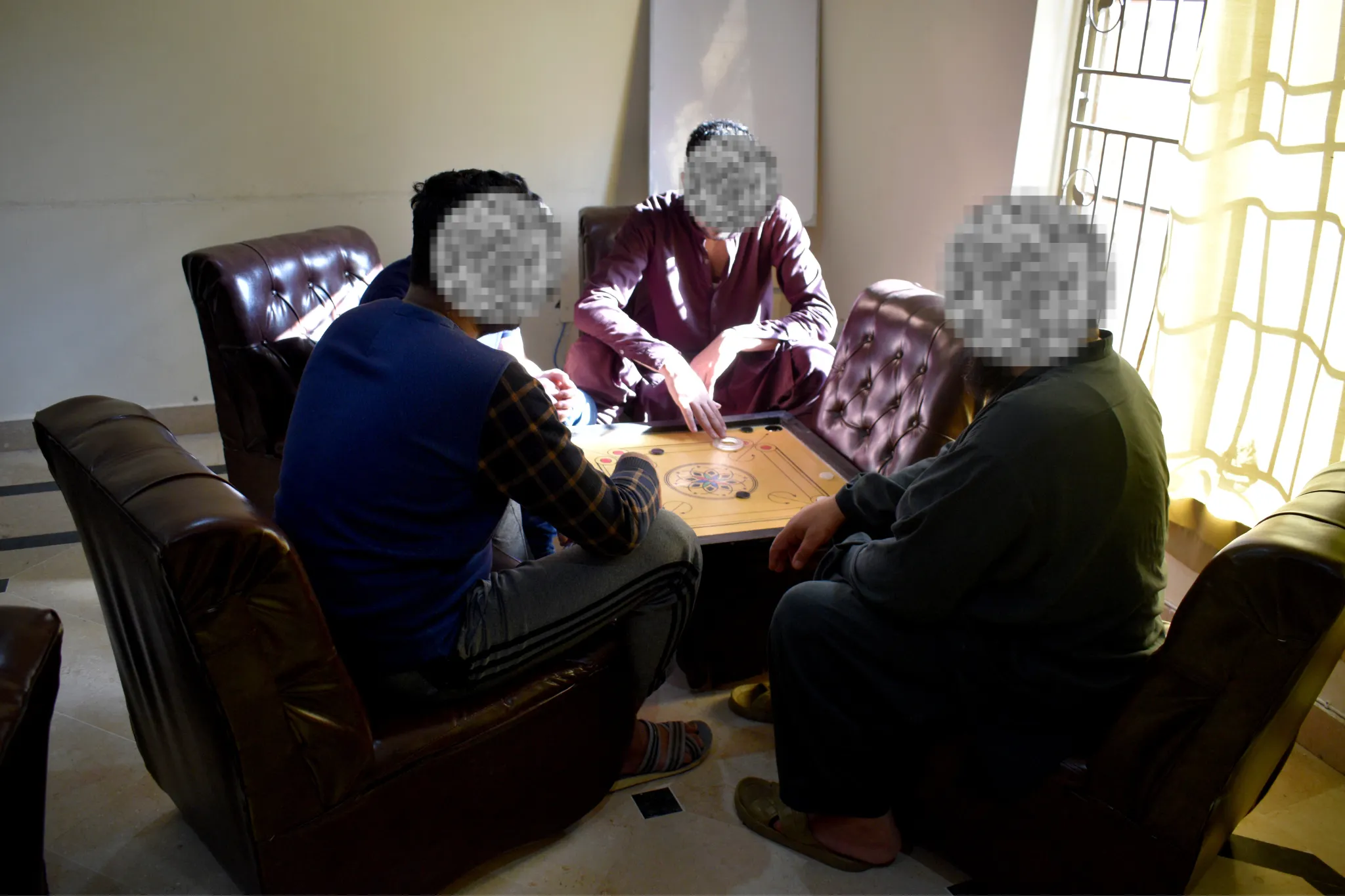
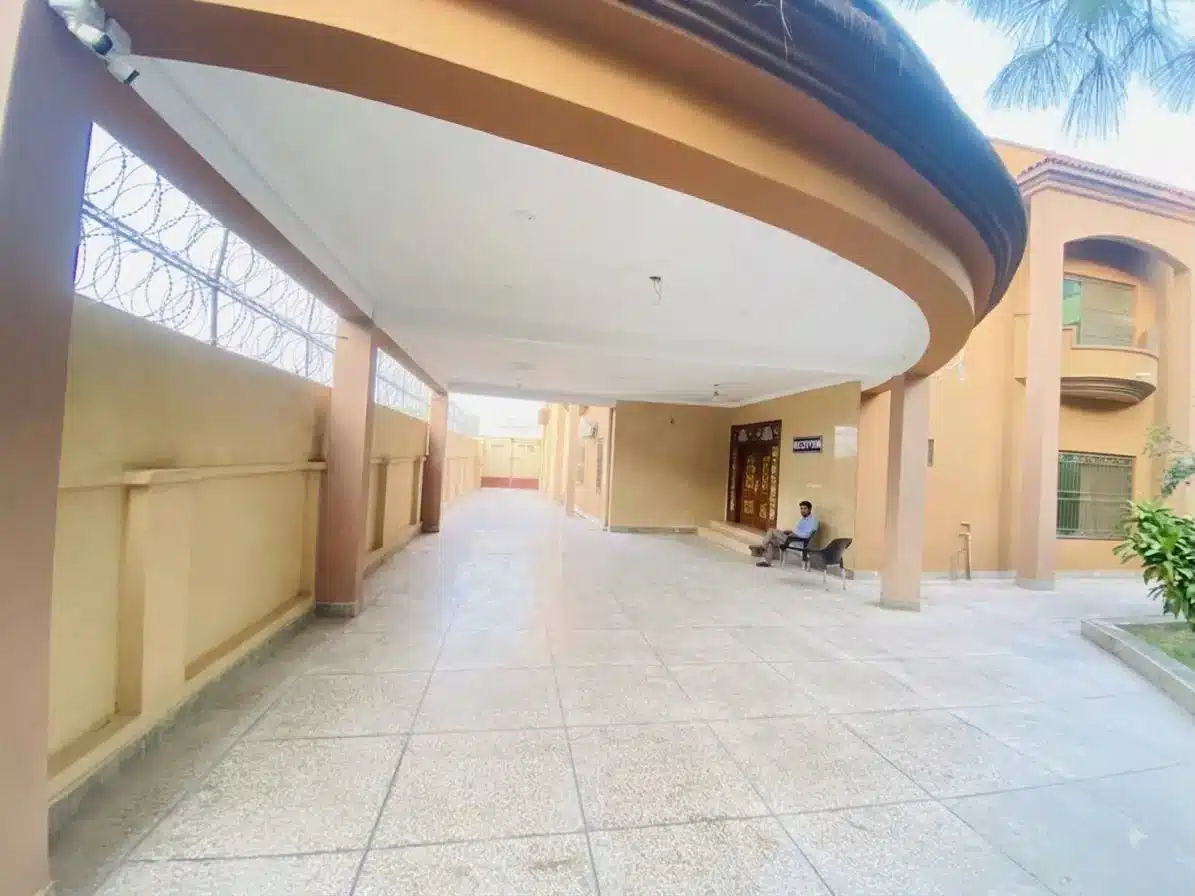
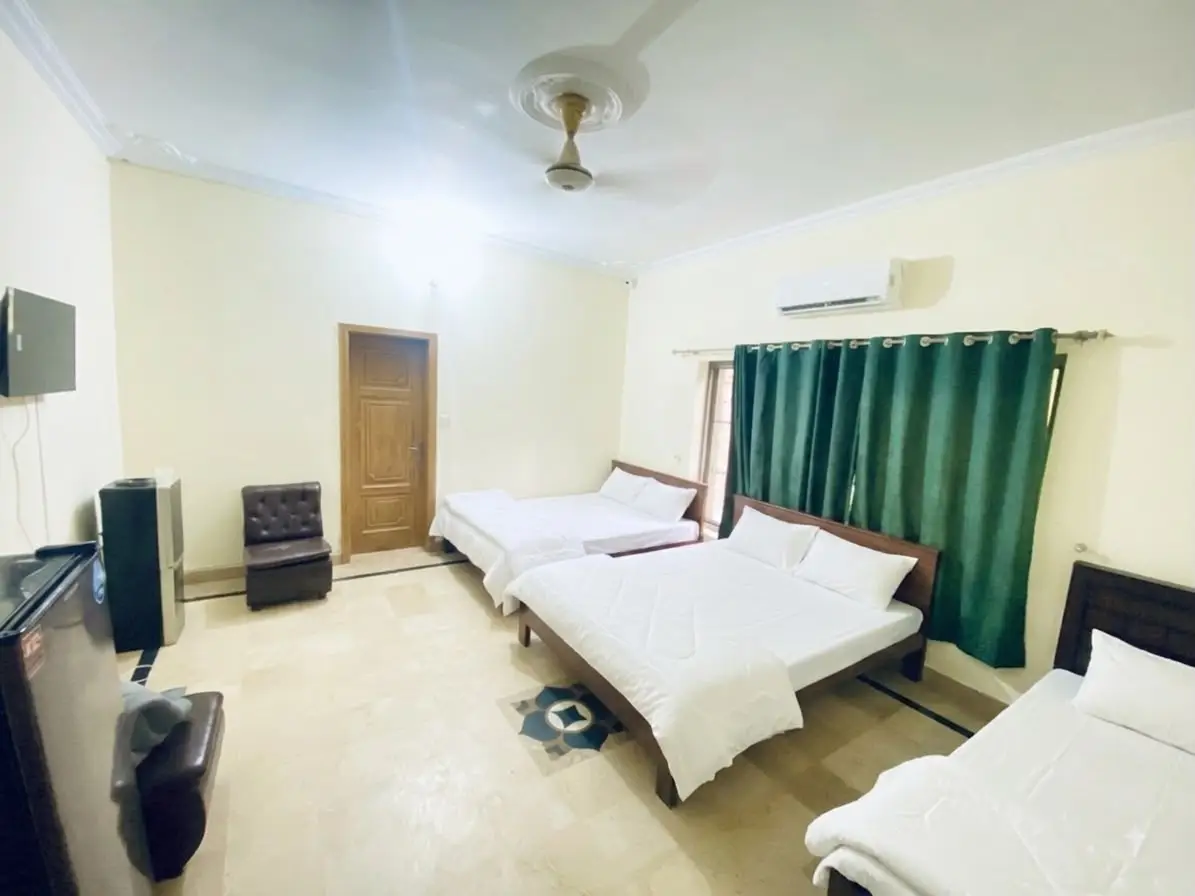
A Place Built for Healing




Who We Serve
FCRC provides Xanax and Tramadol addiction treatment for patients from across Pakistan. We regularly admit patients from:
- Islamabad
- Rawalpindi
- Peshawar
- Lahore
- Multan
- Karachi
- Swat
- And all other major cities
Prescription drug addiction does not discriminate. We have treated patients from every background — professionals, homemakers, students, labourers, and retired individuals — and every patient receives the same standard of expert, dignified, and confidential care.
For out-of-city patients, our admissions team provides full transport coordination and a discreet, professionally managed arrival process.
how we work ?
Our Xanax and Tramadol Addiction Treatment Programme in Islamabad, Pakistan
FCRC’s prescription drug addiction treatment programme is built around the specific clinical demands of benzodiazepine and opioid dependency — personalised to every patient’s individual needs, medical history, and circumstances.
01
Comprehensive Clinical Assessment
Every prescription drug treatment journey at FCRC begins with a thorough clinical assessment conducted by our psychiatric and addiction medicine team. This covers the patient’s full history of Xanax and Tramadol use, the doses involved, the duration of dependency, their current physical and psychiatric condition, any co-occurring medical or mental health conditions, and their family and social circumstances.
Prescription drug dependency frequently presents alongside anxiety disorders, depression, chronic pain conditions, and other medical complexities that must be carefully assessed before a treatment plan is designed. The assessment ensures that every clinical decision that follows is grounded in an accurate and complete picture of the individual.
02
Medically Supervised Detoxification
Detoxification from Xanax and Tramadol is among the most medically complex withdrawal processes managed in addiction treatment. This is not a process that can be safely managed at home or without experienced clinical oversight.
Xanax (benzodiazepine) detoxification requires a carefully managed gradual tapering protocol using long-acting benzodiazepines to prevent withdrawal seizures, which are a genuine life-threatening risk in significant dependency. Abrupt cessation of Xanax in a dependent individual can cause seizures, delirium, and death. At FCRC, all benzodiazepine detoxification is conducted under 24/7 medical supervision with continuous monitoring and a physician-designed tapering schedule specific to each patient.
Tramadol detoxification requires management of both the opioid withdrawal component and the serotonergic withdrawal component of the syndrome. Symptoms including severe anxiety, sensory disturbances, sweating, muscle cramps, nausea, insomnia, and mood dysregulation are all managed with appropriate clinical support. The additional seizure risk associated with Tramadol withdrawal is monitored continuously throughout the detox period.
For patients dependent on both substances, detoxification is sequenced and managed carefully to address both withdrawal syndromes safely and in the correct clinical order. No detoxification at FCRC is managed without a psychiatrist actively involved in the patient’s care from the first day.
03
Intensive Psychiatric Treatment
Prescription drug dependency has a psychiatric dimension that is inseparable from the addiction itself. Anxiety disorders, depression, chronic pain, and PTSD are all common underlying conditions in patients presenting with Xanax or Tramadol dependency — often the very conditions for which the medication was originally prescribed.
Treating the addiction without treating the underlying psychiatric condition produces an incomplete result and leaves the most powerful driver of relapse unaddressed. A patient who has successfully completed benzodiazepine detoxification but whose anxiety disorder has not been treated will face an almost inevitable return to Xanax or an equivalent substance when their anxiety becomes unbearable again.
FCRC’s consultant psychiatrists manage the full psychiatric picture throughout the treatment period: accurately diagnosing co-occurring conditions, designing medication protocols that do not create new dependencies, and monitoring the patient’s psychiatric recovery alongside their addiction recovery. For patients with chronic pain that originally drove Tramadol use, our team works with appropriate pain management approaches that support recovery rather than risking re-dependency.
04
Intensive Therapeutic Programme
Following medical stabilisation, patients engage in FCRC’s intensive therapeutic programme — the psychological core of the recovery process.
Cognitive Behavioural Therapy (CBT) helps patients understand the thought patterns and emotional states that drove and sustained their prescription drug use, and build practical strategies for managing anxiety, pain, and stress without medication dependency. For patients whose Xanax use was driven by anxiety, CBT provides the evidence-based psychological tools that genuinely address anxiety without pharmacological dependency.
Motivational Enhancement Therapy works honestly with the ambivalence that many prescription drug patients feel about treatment, particularly those who began with legitimate medical use and who may not fully identify as having an addiction. This approach strengthens the patient’s own internal reasons for recovery.
Group therapy rebuilds the social connections and mutual accountability that dependency disrupts. Trauma-informed therapy addresses the underlying pain, whether physical or emotional, that the medications were being used to manage. For those who wish it, spiritual counselling integrates faith and values into the recovery process — a dimension that is deeply meaningful for many Pakistani patients.
05
Family Therapy and Support
Prescription drug addiction causes a specific kind of confusion and distress in families, because it emerged from something that looked like medical care rather than drug seeking. Families often carry guilt about having encouraged the person to take the medication, or anger at the prescribing physician, alongside their concern for the person they love.
FCRC’s family therapy programme brings loved ones into the treatment process through structured counselling sessions. These sessions help families understand how prescription drug dependency develops, process the specific emotions associated with this type of addiction, establish boundaries that support recovery without enabling continued use, and learn how to provide the consistent, informed support that makes a real difference to long-term outcomes.
For many patients with prescription drug addiction, family relationships are among the strongest motivations for recovery — and family involvement in treatment consistently improves those outcomes.
06
Relapse Prevention and Aftercare
Prescription drug relapse is particularly insidious because the substances are available everywhere. A pharmacy visit, a visit to a doctor, or access to a family member’s medication cabinet can all represent relapse risks in ways that are unique to this type of addiction.
FCRC’s relapse prevention programme addresses these specific risks directly. Every patient, before discharge, works with their therapist to build a personalised relapse prevention plan that identifies their specific high-risk situations, the triggers associated with their use, and the concrete coping strategies for each. This plan is written, detailed, and includes specific guidance on how to manage medical appointments and prescription needs without risking re-dependency.
The FCRC aftercare team remains available to all former patients for follow-up support, guidance, and re-assessment after discharge. We do not consider our relationship with patients to end on the day they leave the facility.
Inpatient and Outpatient Options
FCRC offers xanax and tramadol treatment through both residential and structured outpatient formats, depending on clinical need.
Inpatient Residential Treatment
Inpatient residential treatment is strongly recommended for the majority of Xanax and Tramadol addiction cases. The medical complexity of benzodiazepine and opioid withdrawal requires continuous clinical monitoring. The psychological work of recovery requires a structured, drug-free environment away from the contexts in which use occurred.
Patients in our residential programme live within FCRC’s Bani Gala facility for 30, 60, or 90 days, fully immersed in a structured daily programme of medical care, psychiatric treatment, individual and group therapy, family sessions, and wellness activities, in a safe, calm environment completely removed from triggers, pharmacy access, and social pressures.
For Xanax and Tramadol addiction, residential treatment is not simply preferable. In most cases of significant dependency, it is clinically essential.
Outpatient Support
Structured outpatient treatment is available for patients with mild to moderate dependency and a stable, supportive home environment, or as a step-down pathway following completion of a residential programme. Our clinical team will determine the most appropriate level of care following the initial assessment.
Book Consultation
Take the First Step Today
You do not need to have everything figured out before reaching out. You do not need to be certain. You do not need to have made a final decision.
You simply need to take one step, a confidential conversation with our admissions team. From there, we will guide your family through everything at whatever pace feels right.
FCRC’s admissions team is available 24 hours a day, 7 days a week, 365 days a year. There is no pressure, no judgement, and no obligation.
0330 1454321
federalcityrehabclinc@gmail.com
Our location
House No. 1, Raja Azam Town, Main Korang Road, Bani Gala, Islamabad
Is Xanax withdrawal dangerous?
Yes. Xanax and other benzodiazepine withdrawals carry a genuine risk of life-threatening seizures and delirium in people with significant dependency. This makes Xanax one of a small number of substances for which attempting to stop without medical supervision is medically dangerous, not simply uncomfortable. Medically supervised detoxification with a carefully managed tapering protocol is essential for anyone with significant Xanax dependency.
Can you become addicted to Tramadol if it was prescribed by a doctor?
Yes. Physical dependency on Tramadol can develop with regular use even when the medication is taken as prescribed. The development of dependency is a pharmacological process, not a moral one. It does not indicate that the person has done anything wrong. It does indicate that stopping will require medical support and that the underlying condition for which Tramadol was prescribed needs to be addressed through alternative means during recovery.
How long does Xanax withdrawal take?
Benzodiazepine withdrawal is typically managed through a gradual tapering process that may take several weeks to months depending on the dose, duration of use, and the specific benzodiazepine involved. Acute withdrawal symptoms following abrupt cessation peak within one to four days for short-acting benzodiazepines like Xanax. A protracted withdrawal syndrome involving anxiety, insomnia, and cognitive symptoms can persist for months in long-term heavy users.
What is Tramadol withdrawal like?
Tramadol withdrawal combines classical opioid withdrawal symptoms — muscle aches, nausea, sweating, insomnia, and intense cravings — with additional features including severe anxiety, irritability, sensory disturbances, and in some cases seizures. The combination makes Tramadol withdrawal more complex than standard opioid withdrawal and requires experienced medical management.
My family member developed Xanax or Tramadol dependency through a legitimate prescription. Is this still addiction?
Yes. Prescription drug addiction is addiction regardless of how it began. The neurological changes that characterise dependency — tolerance, withdrawal, loss of control over use — are identical whether the substance was obtained by prescription or otherwise. The origin of the dependency is relevant to understanding how it developed and to addressing the underlying condition, but it does not change the nature of the condition or the treatment it requires.
Does FCRC treat female patients with prescription drug addiction?
Yes. Our dedicated Female Rehabilitation Program provides a fully private, all-female care environment with female clinical staff for female patients. For Pakistani women with prescription drug addiction, who face specific social pressures and confidentiality concerns, our female programme provides the safe and appropriate clinical environment that treatment requires.
Where can I get help for Xanax or Tramadol addiction in Pakistan?
Federal City Rehab Clinic in Islamabad provides specialist prescription drug addiction treatment including medically supervised benzodiazepine and opioid detoxification and residential rehabilitation. Call us on 0330 1454321, WhatsApp us, or contact us online to arrange a confidential assessment with our clinical team.