Cannabis Addiction Treatment in Islamabad, Pakistan: Expert, Confidential Care
Medically supervised treatment. Evidence-based therapy. Completely private.
طبی نگرانی میں، مکمل رازداری کے ساتھ۔
client feedbacks
Stories of Recovery
Real Lives, Real Results
Every patient who walks through our doors carries a story. These are a few of the stories that walked back out, rebuilt, restored, and renewed. Names and details shared with full consent.
 Posted on Google
 Muhammad Umer
Trustindex verifies that the original source of the review is Google.
One the best rehab center in the peace of bani gala, Islamabad. 10/10Posted on Google Muhammad Ibrahim AfzalThe best addiction center in Islamabad. A friend of mine was admitted here and they provided the service.Posted on Google
 MALANG BROTHERSThe staff was professional, supportive, and respectful. The environment was comfortable and the overall experience was very good. I appreciate the team’s dedication and carePosted on Google
 Khan KhanBest facility for drug addiction treatmentPosted on Google
 Fozia Fozia khanMy experience at Federal City Rehab Clinic has been genuinely positive. The therapeutic environment is calm and well-suited to patient recovery, promoting both psychological and physical wellbeing. The clinical staff demonstrate a high level of professionalism, with consistent, patient-centered care. Medication administration and treatment protocols are followed with appropriate diligence, ensuring timely and accurate delivery of prescribed care. Hygiene and sanitation standards are well maintained throughout the facility, reflecting strong infection-control practices. Nutritional care is also handled thoughtfully, with meals catering appropriately to patient requirements. Overall, FCRC operates as a well-managed, clinically sound rehabilitation facility. Highly recommended.Posted on Google
 Malang JanExcellent rehabilitation center with professional staff, quality treatment, and compassionate care.Posted on Google
 M JHighly recommended for excellent treatment, caring staff, and quality patient care.Posted on Google
 Muhammad IlyasI have such great experiences here ! Very professional and authentic approach towards patient and families. Recommended for addictions and psychological treatmentPosted on Google
 Hidayat KingI had a very positive experience with this rehabilitation center. The staff are caring, respectful, and available whenever patients need support. The doctors, psychologists, and medical team are highly professional and genuinely dedicated to helping people recover. The environment is clean, safe, and peaceful. Patients receive their medications on time, nutritious meals are provided regularly, and daily therapy and activities are well organized. I highly recommend this rehabilitation center to anyone looking for quality care and a supportive recovery environment.Verified by TrustindexTrustindex verified badge is the Universal Symbol of Trust. Only the greatest companies can get the verified badge who has a review score above 4.5, based on customer reviews over the past 12 months. Read more
Service List
Therapist Detail
Abrar Ahmad CEO | Consultant Clinical Psychologist | Addiction Therapist
Need Any Help ?
0330 1454321
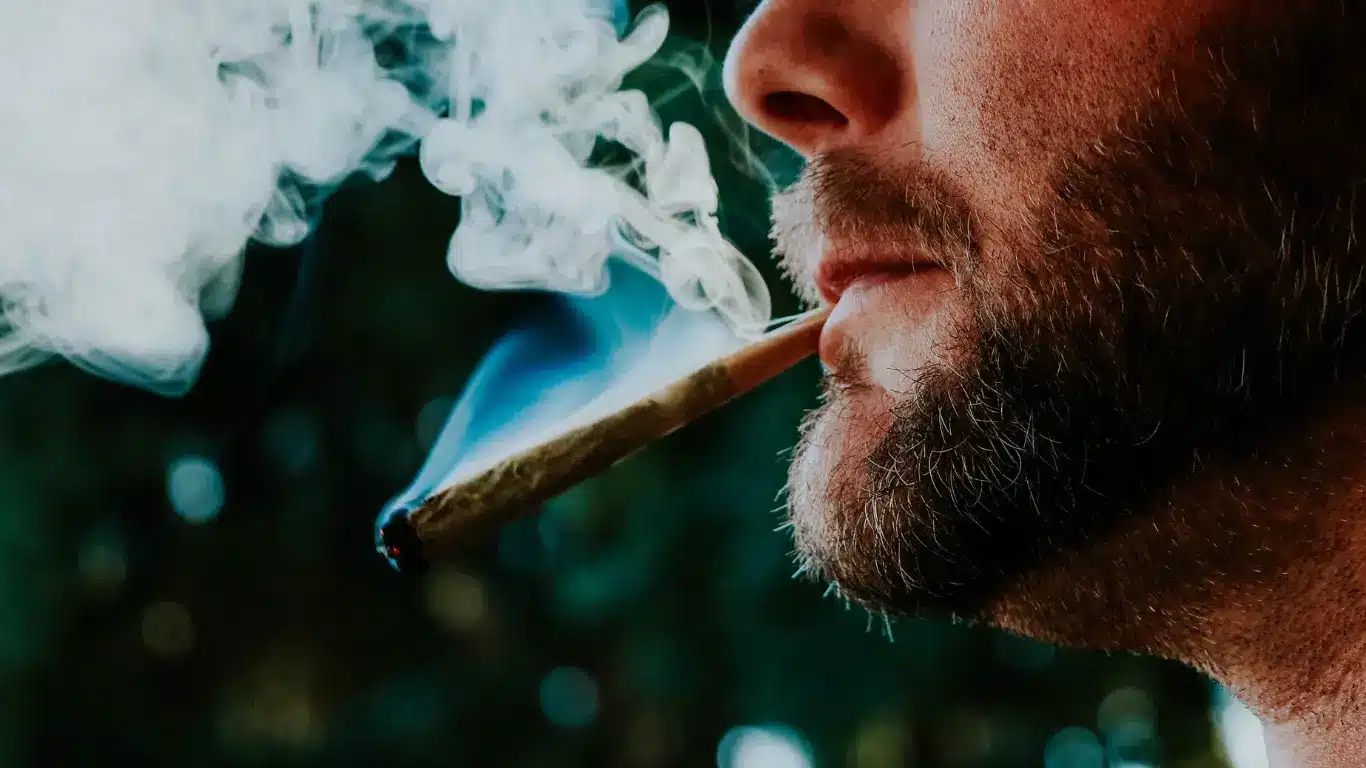
Cannabis is widely perceived in Pakistan as harmless, a substance too mild to cause real dependency or harm. This perception keeps many people from recognising a genuine problem until it has significantly disrupted their work, relationships, or mental health.
If you are on this page, you may already sense that cannabis use has become something more than occasional or recreational. That recognition takes honesty, and it is the first real step towards change.
At Federal City Rehab Clinic, we provide comprehensive, medically supervised cannabis addiction treatment in Islamabad, delivered with complete confidentiality, genuine clinical expertise, and care free of judgement. We understand that cannabis dependency is often dismissed by others as not serious, and we take it seriously regardless.
Whatever the duration of use. Whatever has been tried before. Recovery is possible and FCRC is here to make it real.
Understanding Cannabis Addiction
Cannabis use disorder is a recognised clinical condition, not simply a habit that can be set aside at will. According to the National Institute on Drug Abuse, approximately three in ten people who use cannabis develop some degree of cannabis use disorder, and the risk is significantly higher among those who begin using at a younger age or use frequently over an extended period.
Modern cannabis, including much of what circulates informally in Pakistan, often contains significantly higher concentrations of THC, the primary psychoactive compound, than cannabis did in past decades. This has increased both the intensity of its effects and the likelihood of developing dependency with regular use.
Cannabis dependency develops gradually, often masked by its reputation as a low-risk substance. Tolerance builds, larger amounts are needed to achieve the same effect, and stopping use can produce genuine withdrawal symptoms, contrary to the common belief that cannabis carries no withdrawal risk at all.
Signs of Cannabis Dependency
Many people who use cannabis regularly do not recognise the extent of their dependency, often because of how mild its reputation is. The following are clinically recognised indicators that professional help is needed.
- Using cannabis more frequently or in larger amounts than originally intended.
- Needing cannabis to feel relaxed, to sleep, or to function normally in daily life.
- Experiencing irritability, anxiety, sleep disturbance, or restlessness when not using.
- Continuing use despite its impact on work, study, relationships, or motivation.
- Spending significant time obtaining, using, or recovering from the effects of cannabis.
- Unsuccessful attempts to cut down or stop, despite a genuine desire to do so.
If any of these patterns are present, professional assessment is strongly recommended. FCRC’s clinical team is available for a confidential consultation at any time.
Why Cannabis Dependency Should Be Taken Seriously
This point is often underestimated, precisely because of how widely cannabis is perceived as harmless. That perception does not match the clinical picture for people who develop genuine dependency.
The American Psychiatric Association recognises cannabis use disorder as a formal diagnosis, noting that regular, heavy cannabis use is associated with cognitive effects, motivation and concentration difficulties, and a significantly elevated risk of triggering or worsening underlying mental health conditions, including anxiety and psychotic disorders in vulnerable individuals. For young people in particular, regular cannabis use during a still-developing brain carries additional long-term risk.
Dismissing cannabis dependency as not a real problem, or assuming it will resolve naturally over time, allows underlying psychological and functional difficulties to continue unaddressed. Professional treatment is appropriate and effective, regardless of how mild the substance is perceived to be.
At FCRC, cannabis addiction treatment is delivered with the same clinical seriousness, structure, and care as treatment for any other substance, recognising the real impact dependency can have on a person’s life.
Why Choose FCRC for Cannabis Addiction Treatment in Islamabad, Pakistan?
Because trust, experience, and results matter most.
(اس لیے کہ اعتماد، تجربہ اور نتائج سب سے اہم ہیں۔)
- Qualified psychiatrists and addiction specialists
- Holistic, evidence-based treatment
- Safe, private, and confidential environment
15+ Years
Expert Care
500+
Patients Treated
24/7
Always Available
The Environment
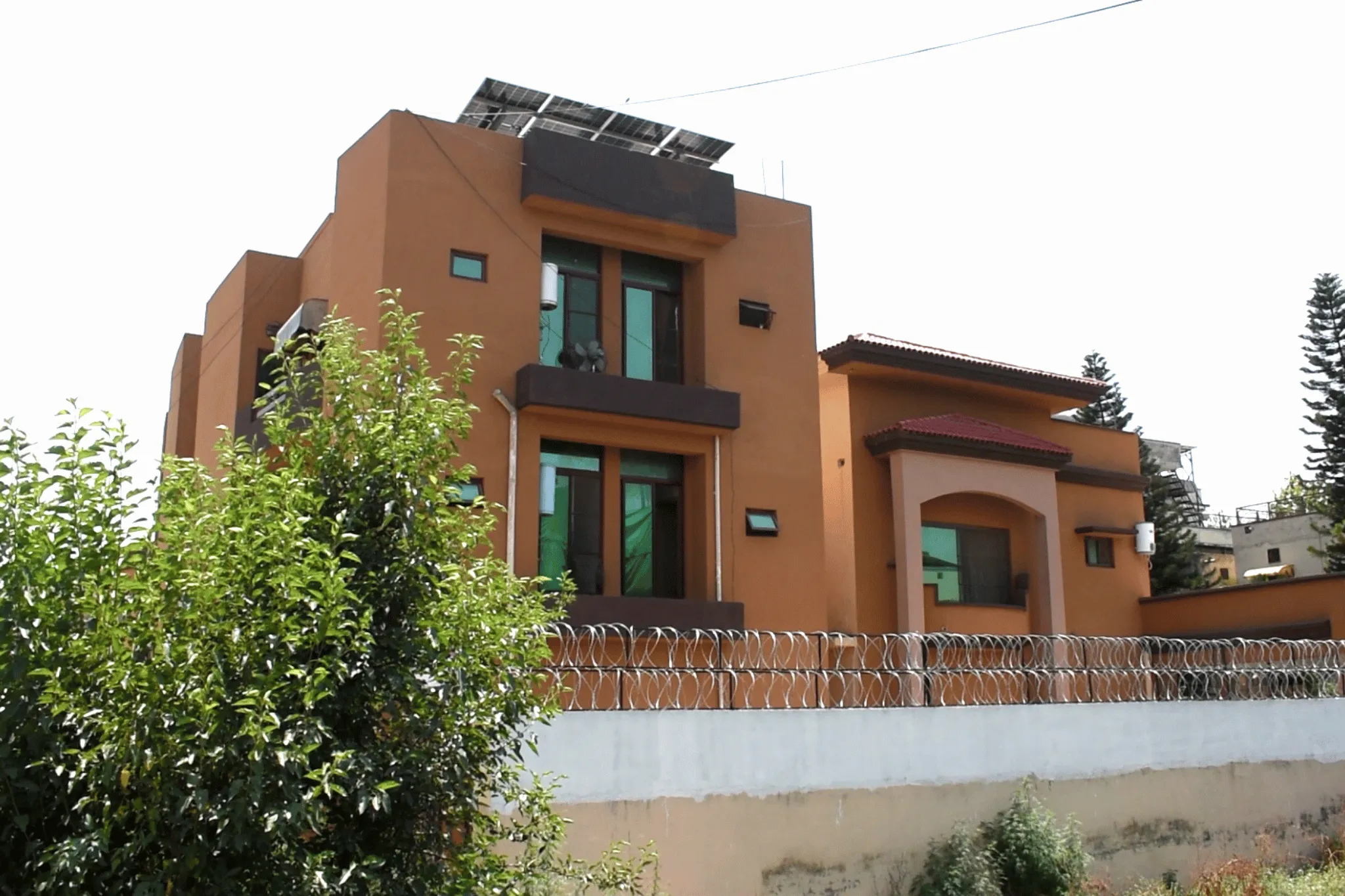
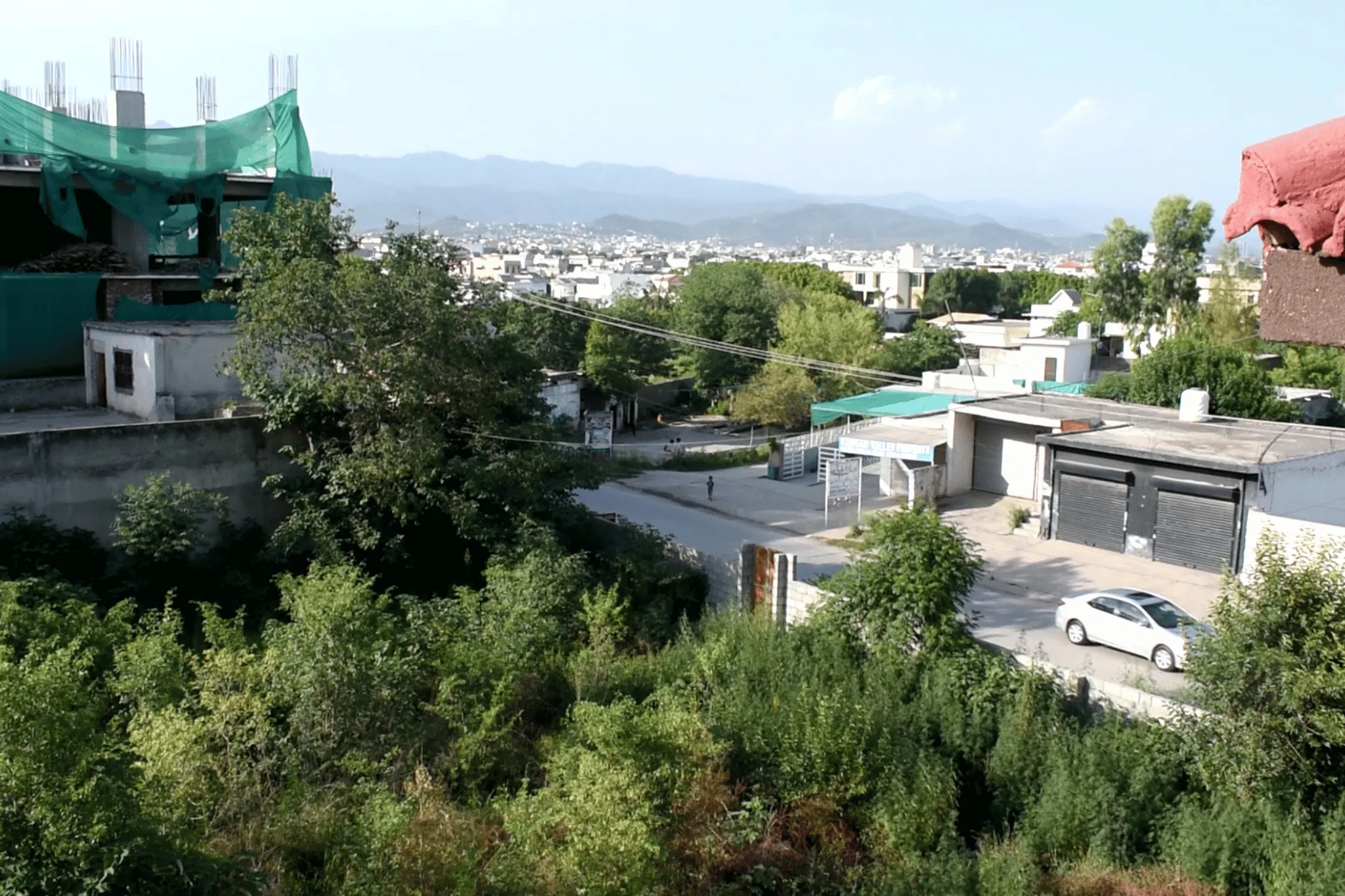
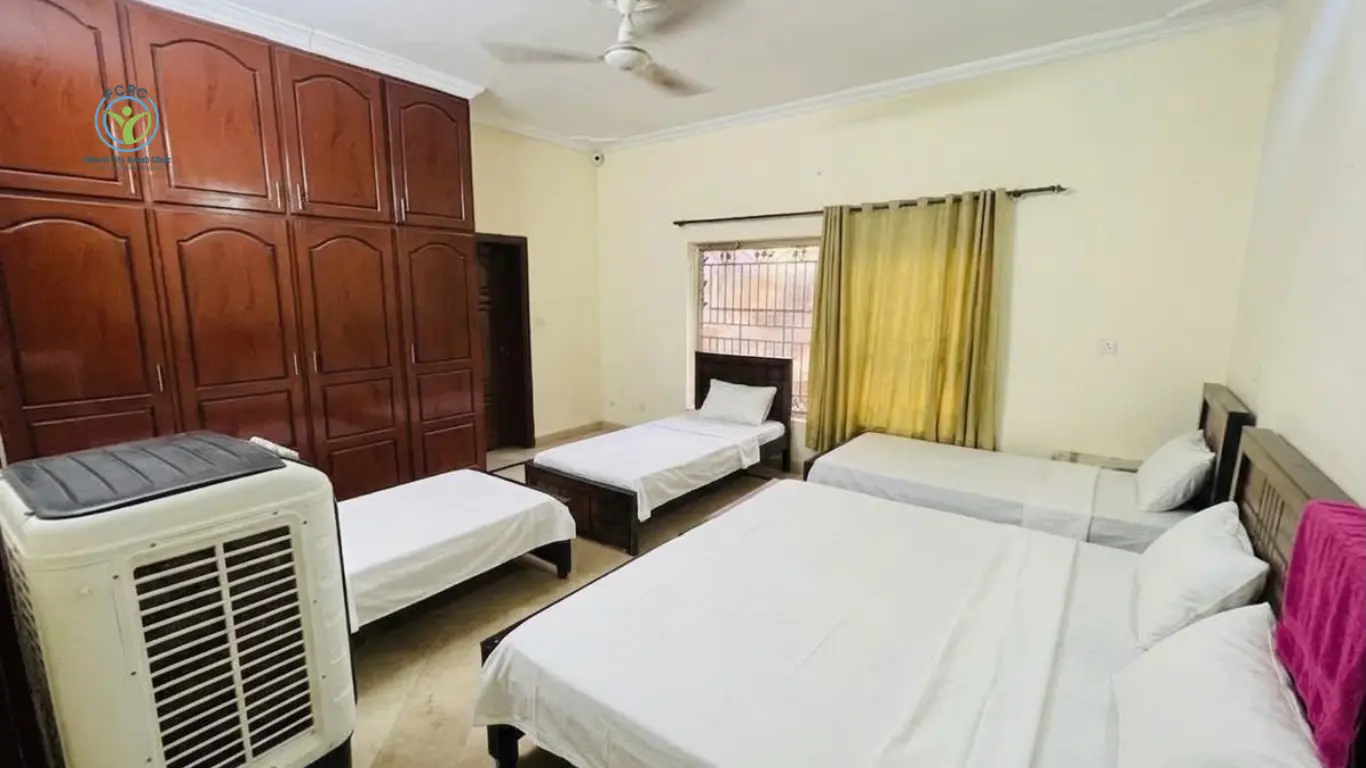
Bani Gala’s clean air and mountain calm create a recovery setting that no urban facility can match.
The Clinical Team
Board-certified psychiatrists and addiction specialists, decades of expertise, one purpose.
Confidentiality
Nothing shared without your consent. Your secret is safe here.
آپ کی رازداری ہمارے لیے مقدس ہے۔
Safety
Round-the-clock medical monitoring from admission to discharge.
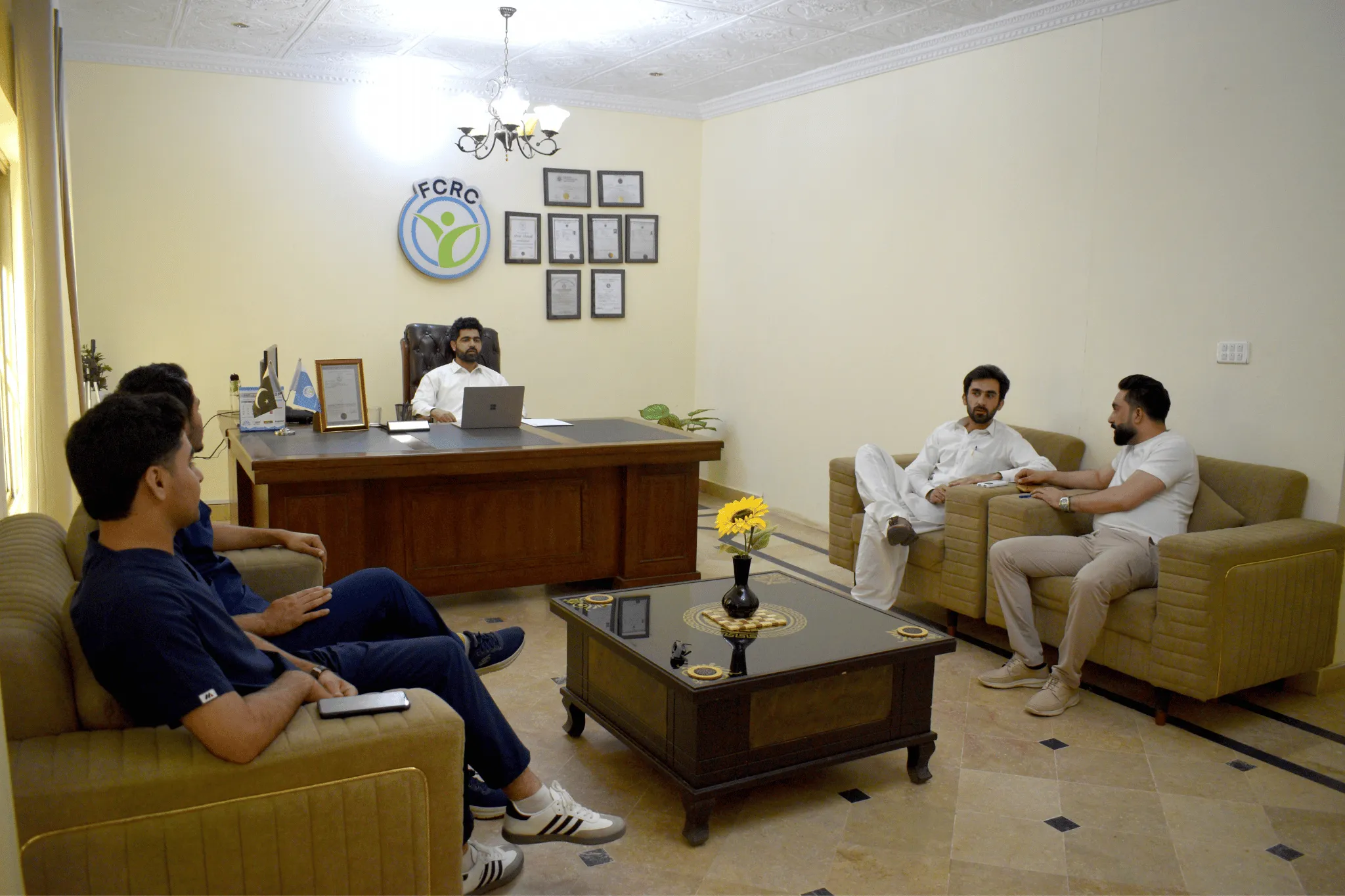
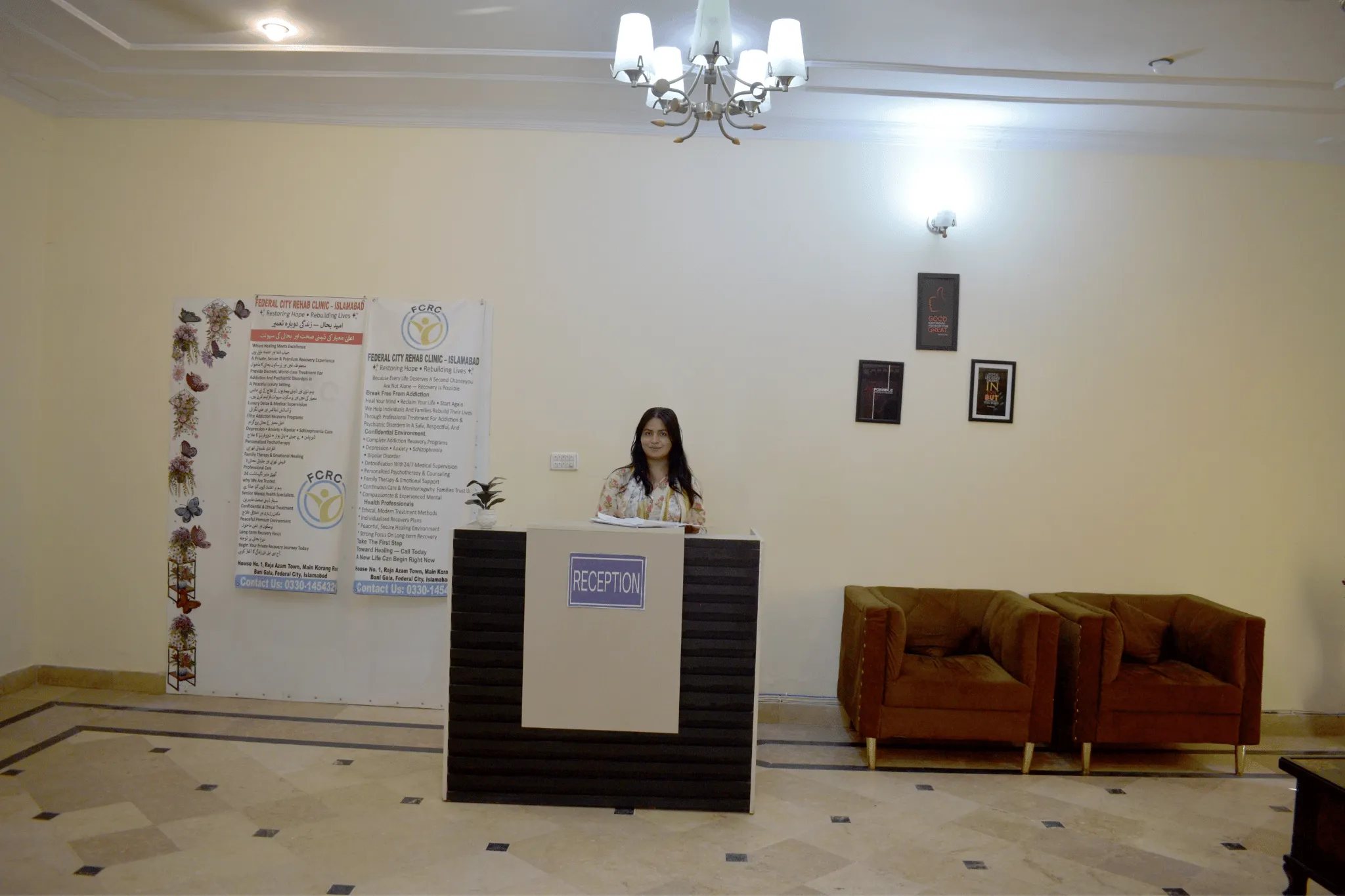
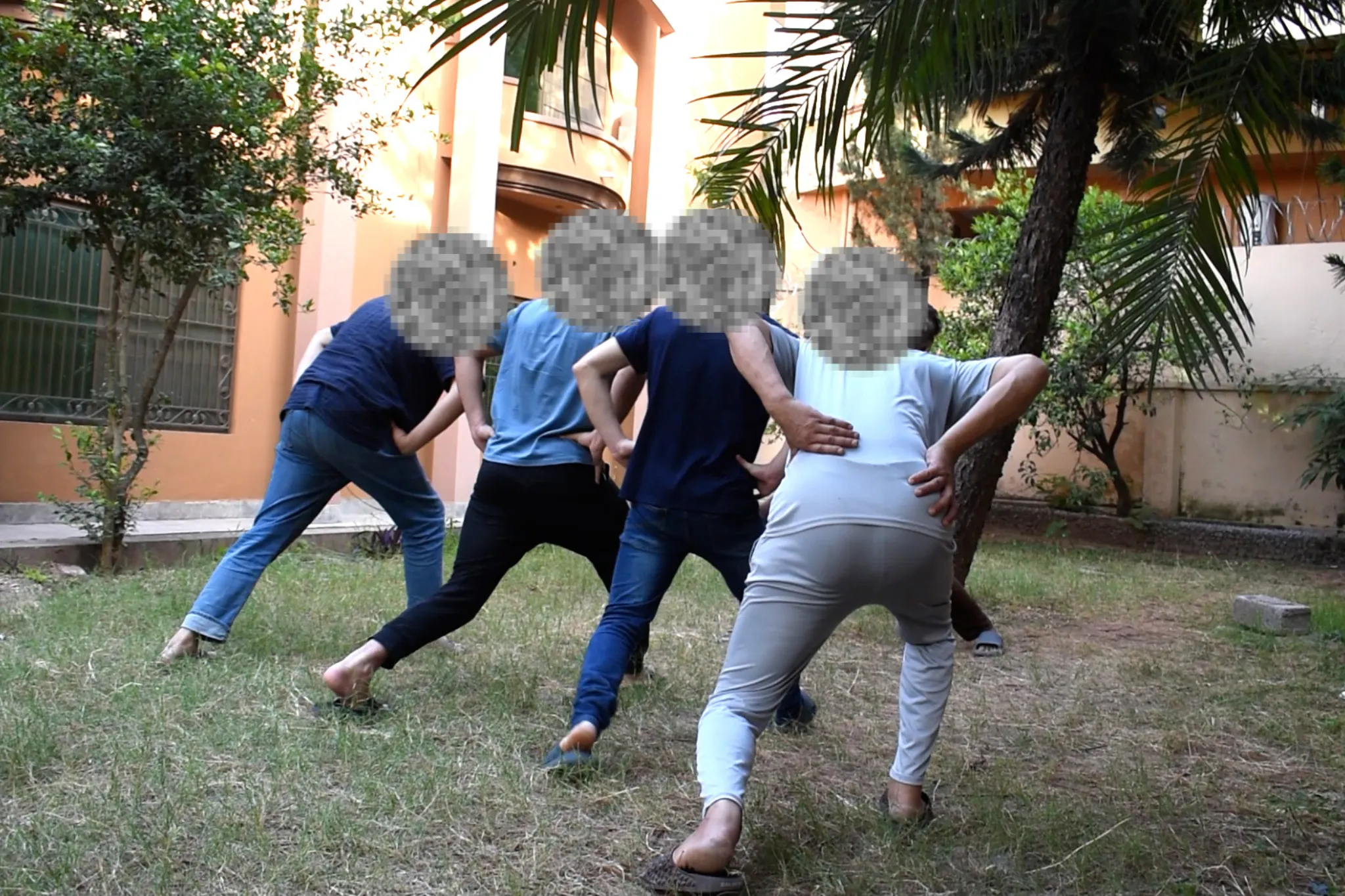
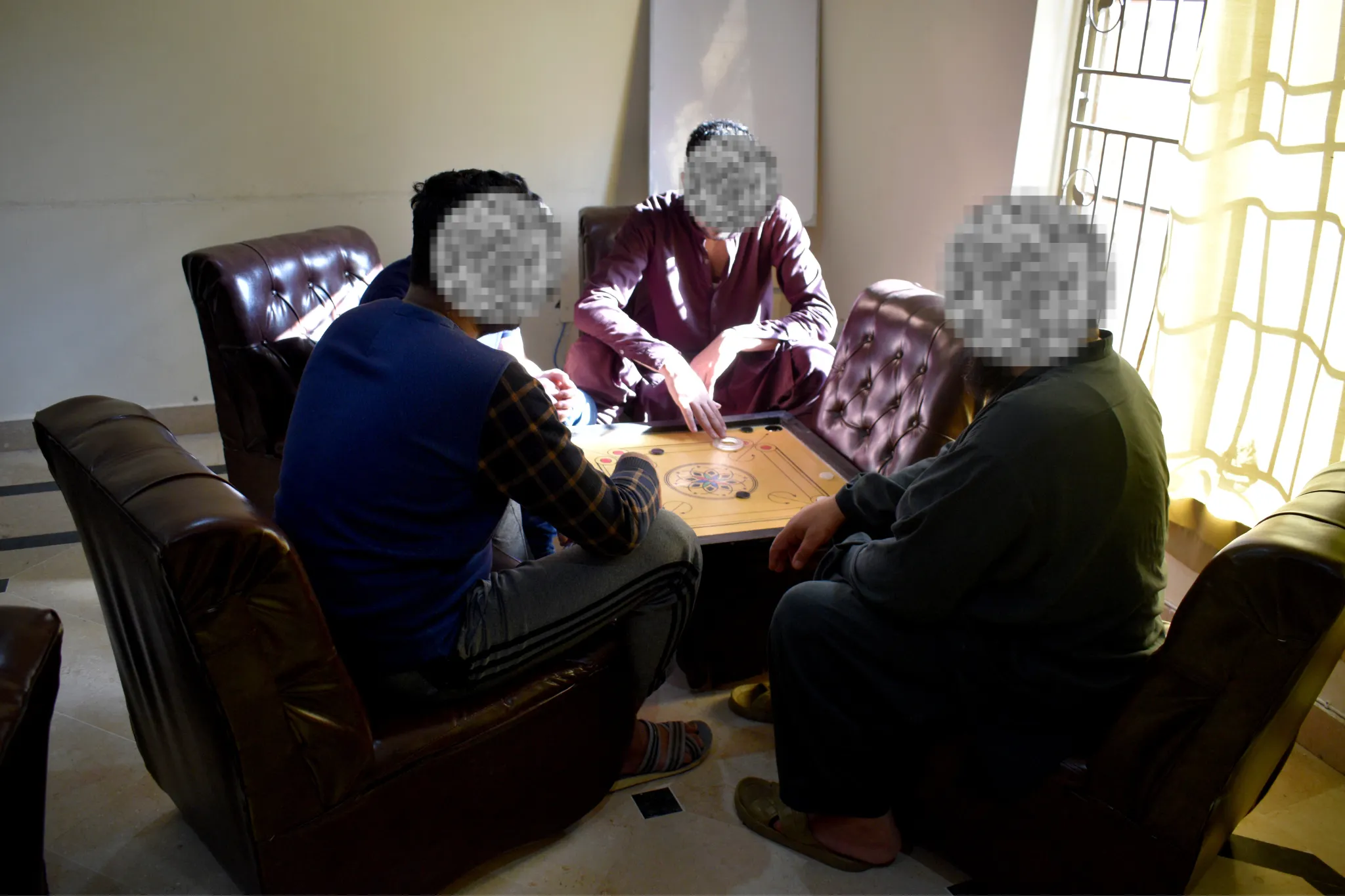
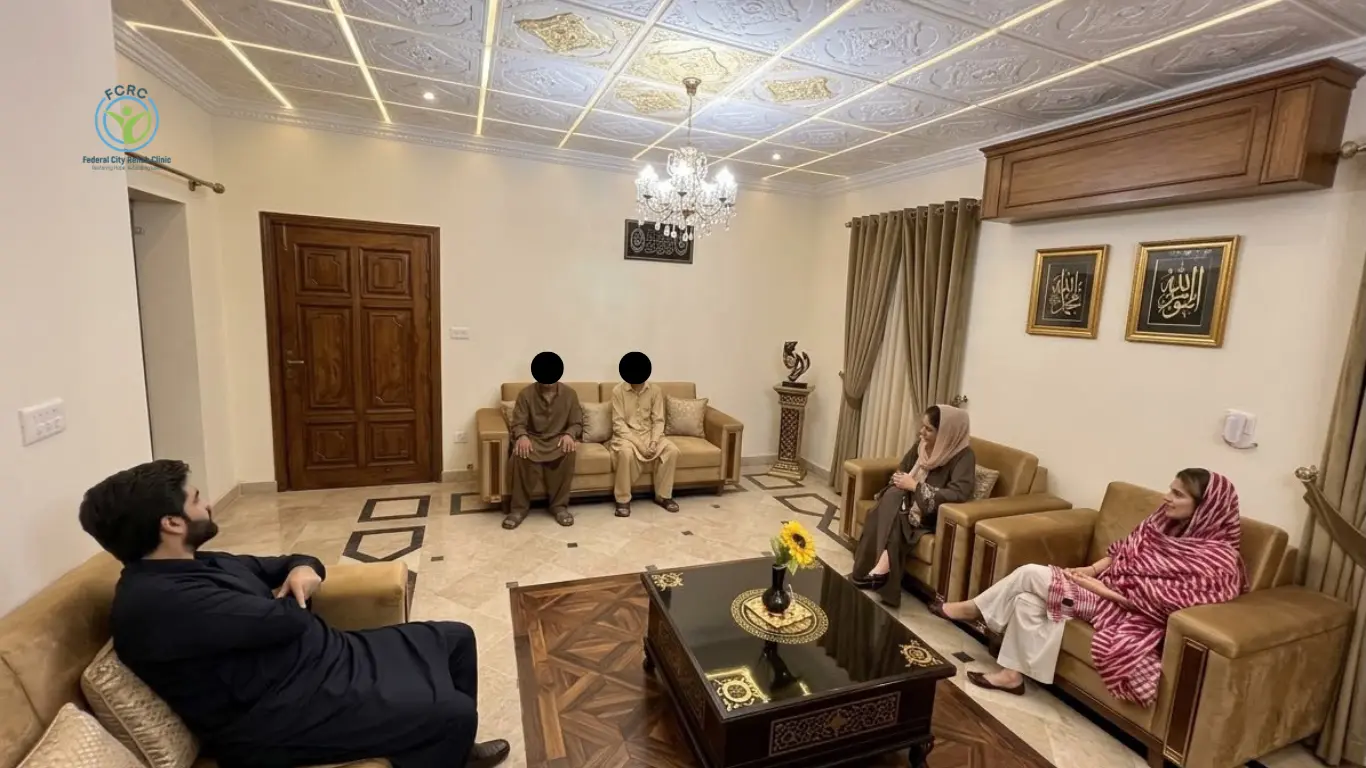
our facility
A Place Built for Healing
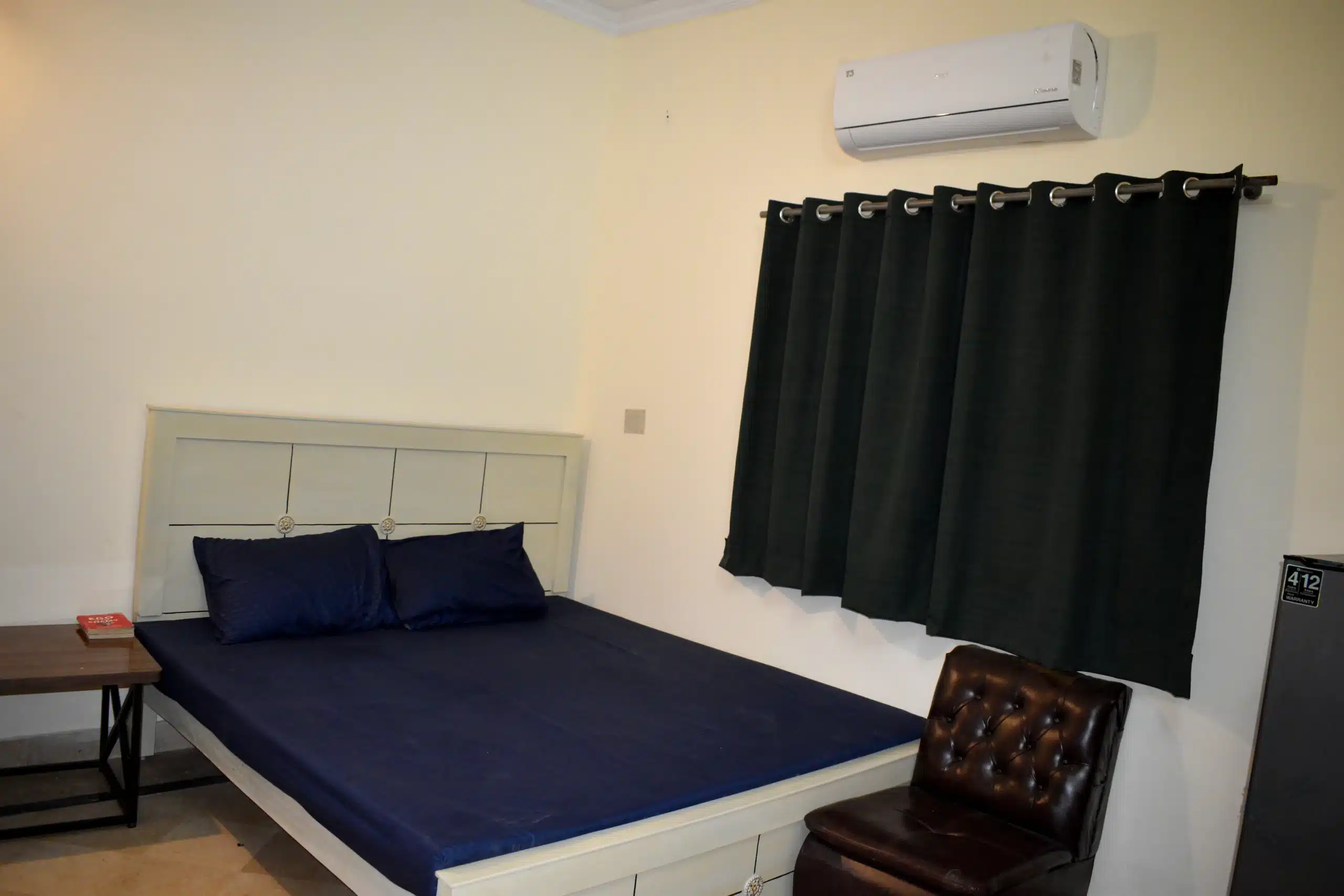
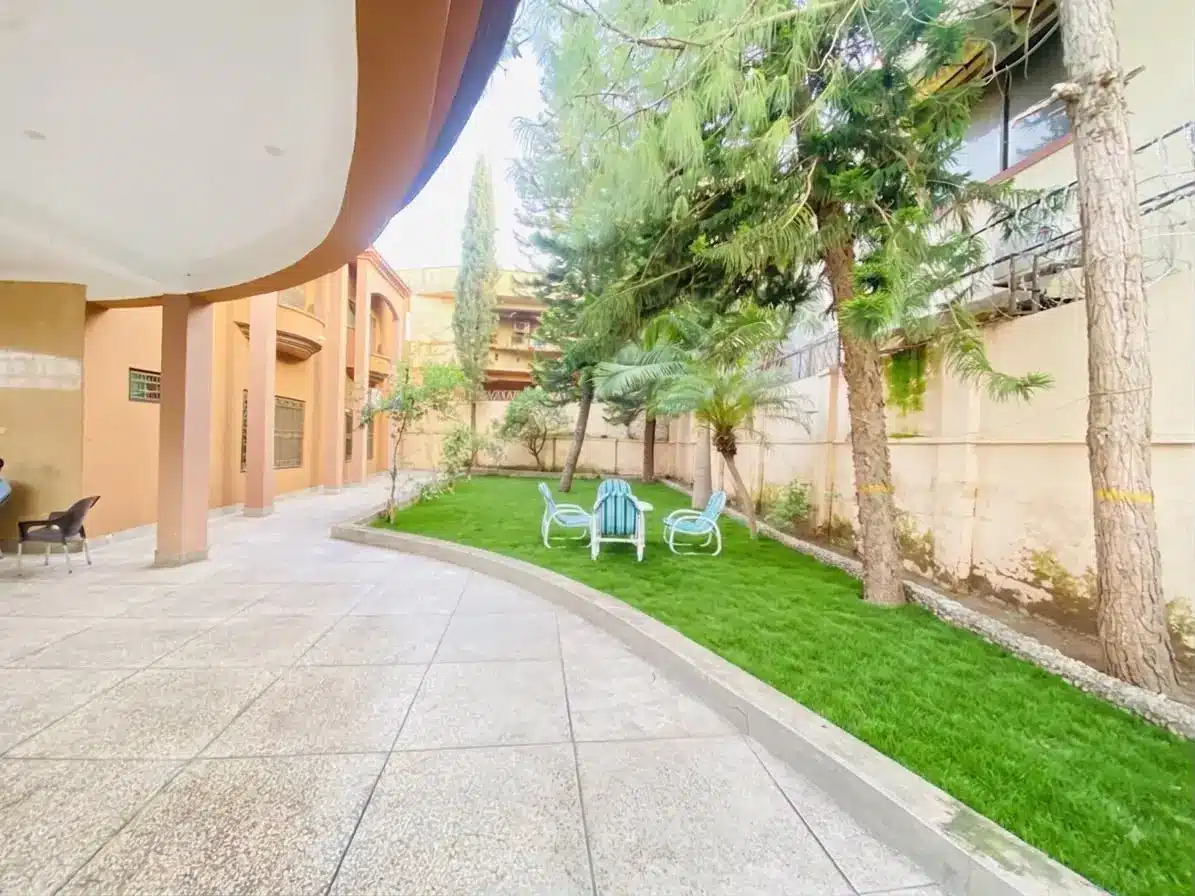
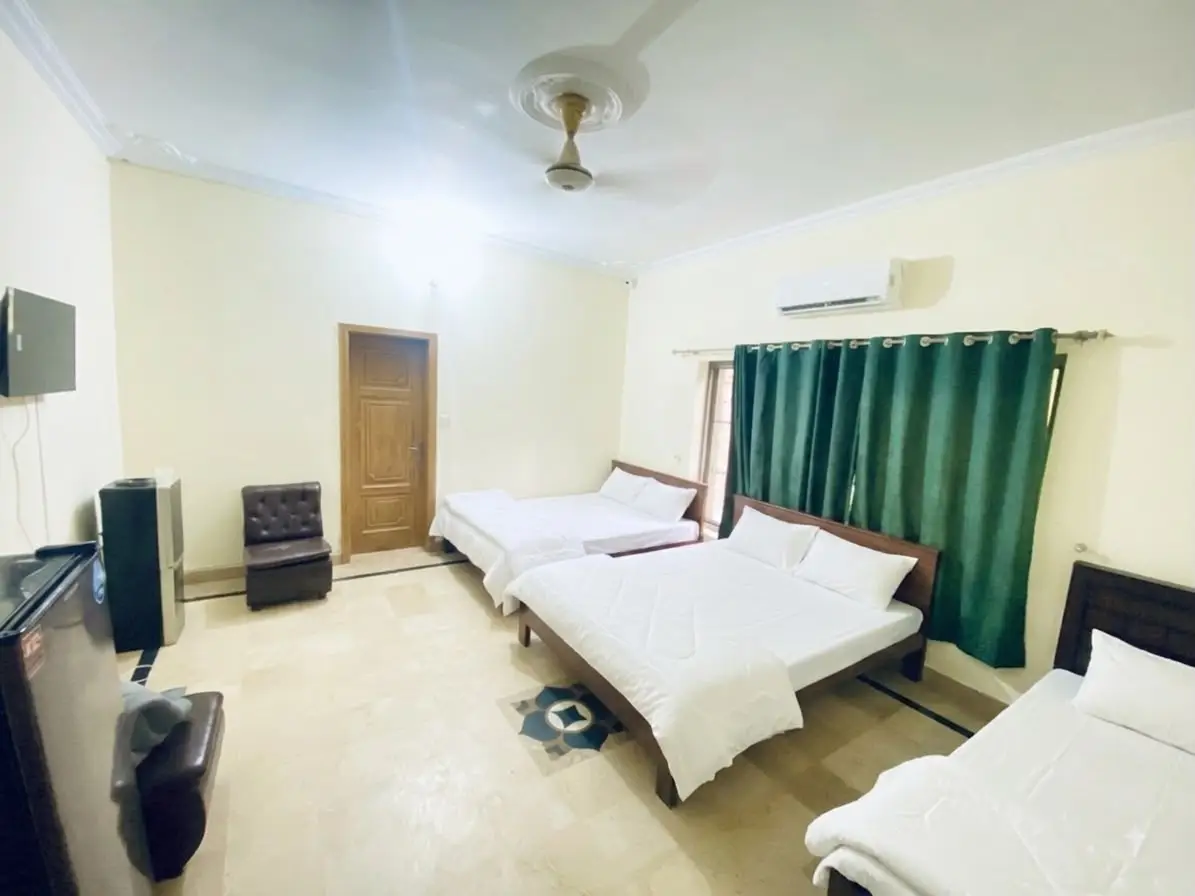
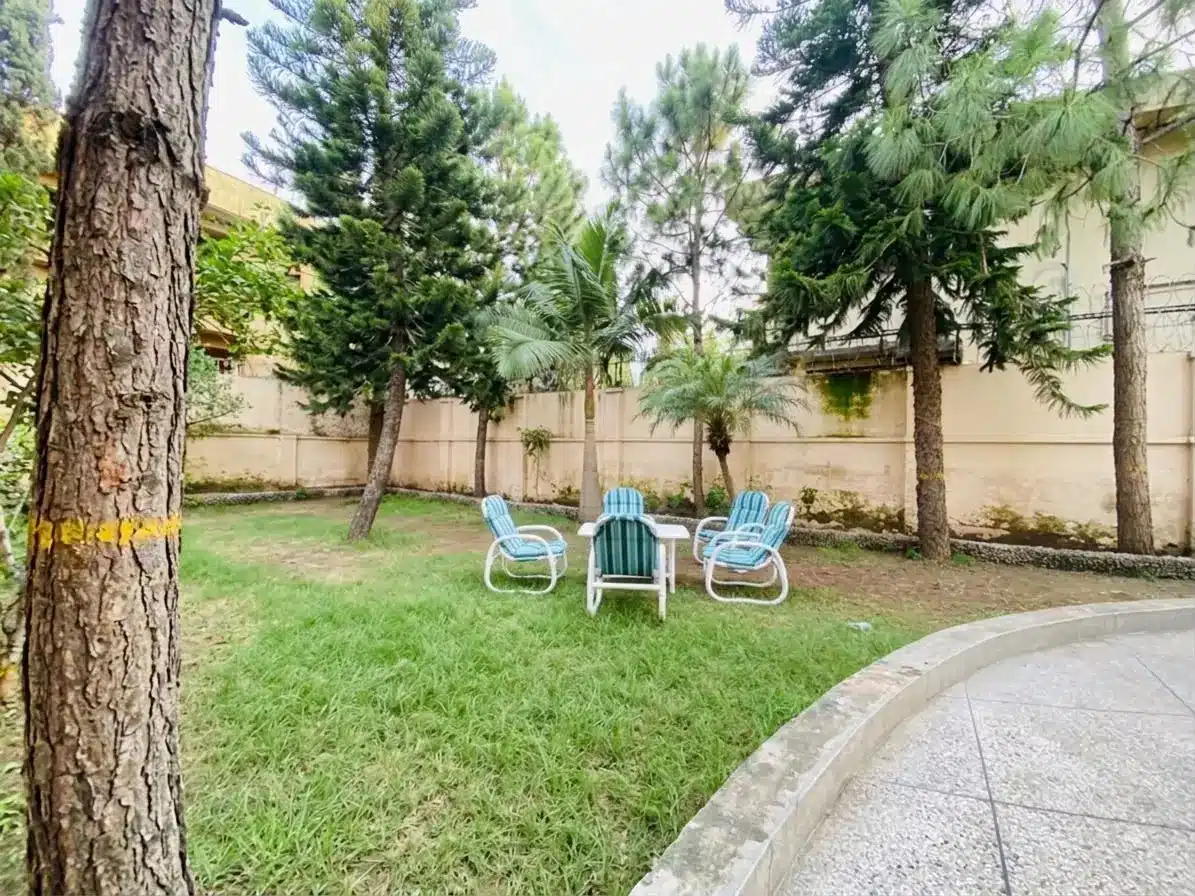
Who We Serve
FCRC provides cannabis addiction treatment for patients from across Pakistan. We regularly admit patients from Islamabad, Rawalpindi, Peshawar, Lahore, Multan, Karachi, Swat, and all other major cities. For out-of-city patients, our admissions team provides full transport coordination and a discreet, professionally managed arrival process.
We also work closely with families through our Youth and Adolescent Program, given how often cannabis use begins during the teenage years.
how we work ?
Our Cannabis Addiction Treatment Program in Islamabad, Pakistan
FCRC’s cannabis addiction treatment programme follows a structured, clinically informed pathway, personalised to every patient’s individual circumstances and needs.
01
Comprehensive Clinical Assessment
Every treatment journey begins with a thorough clinical assessment by our medical and psychiatric team. This covers the patient’s pattern and history of cannabis use, their mental health, any co-occurring conditions, their family and social situation, and their personal goals for recovery.
Because cannabis dependency frequently coexists with anxiety, depression, or other underlying mental health concerns, our assessment looks closely at what may be driving the use, not only the use itself.
02
Medically Supported Withdrawal Management
Following assessment, patients begin a supervised withdrawal and stabilisation process. While cannabis withdrawal is generally less medically dangerous than withdrawal from substances such as alcohol or opioids, it can still produce genuine and uncomfortable symptoms, including irritability, anxiety, sleep disturbance, and intense cravings.
FCRC’s clinical team manages this process with appropriate support, ensuring patients are stabilised safely and as comfortably as possible before moving into the therapeutic phase of treatment.
03
Intensive Therapeutic Programme
Following stabilisation, patients engage in FCRC’s intensive therapeutic programme, the core of the recovery process. Evidence-based psychological therapies are delivered by our licensed clinical psychologists and therapists.
Cognitive Behavioural Therapy (CBT) helps patients identify the triggers, thought patterns, and emotional states that drive cannabis use.
Motivational Interviewing builds and strengthens the patient’s internal commitment to recovery, particularly important given how socially normalised cannabis use often is.
Group therapy provides peer connection and shared accountability with others facing similar struggles.
Trauma-informed therapy addresses underlying pain that may be driving regular use, where relevant.
04
Psychiatric Assessment and Dual Diagnosis Treatment
Cannabis use disorder is closely linked with underlying mental health conditions. Anxiety, depression, and in some vulnerable individuals, psychotic symptoms, are all significantly associated with regular cannabis use, and in many cases an untreated mental health condition is the original reason use began.
At FCRC, all patients receive a comprehensive psychiatric assessment, and any co-occurring conditions are treated within the same integrated programme. This dual diagnosis approach produces significantly better outcomes than treating cannabis dependency in isolation.
05
Family Therapy and Support
Cannabis dependency is often minimised or misunderstood by families, which can delay a family’s recognition of the problem and complicate support once treatment begins. At FCRC, family members are included throughout the treatment process.
Our family therapy programme helps loved ones understand the genuine clinical reality of cannabis dependency, move past the perception that it is not a serious issue, and become effective partners in the patient’s recovery.
06
Relapse Prevention and Aftercare
Before every patient is discharged, they complete a comprehensive relapse prevention plan, identifying their personal triggers, high-risk situations such as social settings where cannabis use is normalised, and coping strategies for sustaining recovery. Every patient leaves FCRC with a written, personalised aftercare plan.
The FCRC team remains available to all former patients for follow-up support, guidance, and re-assessment after discharge.
Inpatient and Outpatient Options
FCRC offers cannabis addiction treatment through both residential inpatient and structured outpatient formats.
Inpatient Residential Treatment
is recommended where cannabis use coexists with significant mental health concerns, where outpatient attempts have not succeeded, or where removing the patient from triggering environments is clinically beneficial. Patients live within FCRC’s Bani Gala facility, immersed in a structured daily programme of clinical care, therapy, and wellness activities.
Outpatient Treatment
is available for many patients with cannabis use disorder, particularly where dependency is moderate and a strong, supportive home environment is in place. Our clinical team will recommend the most appropriate option following the initial assessment.
Book Consultation
Take the First Step Today
You do not need to have everything figured out before reaching out. You do not need to be certain. You do not need to have made a final decision.
You simply need to take one step, a confidential conversation with our admissions team. From there, we will guide your family through everything at whatever pace feels right.
FCRC’s admissions team is available 24 hours a day, 7 days a week, 365 days a year. There is no pressure, no judgement, and no obligation.
0330 1454321
federalcityrehabclinc@gmail.com
Our location
House No. 1, Raja Azam Town, Main Korang Road, Bani Gala, Islamabad
Is cannabis really addictive, or is treatment only necessary for harder drugs?
Yes, cannabis is genuinely addictive for a meaningful proportion of people who use it regularly. Cannabis use disorder is a recognised clinical diagnosis, and dependency can significantly affect motivation, mental health, and daily functioning.
Is cannabis withdrawal dangerous?
Cannabis withdrawal is generally less medically dangerous than withdrawal from alcohol or opioids, but it can still cause genuine discomfort, including anxiety, irritability, and sleep disturbance. Medical support makes this process safer and more manageable.
How long does cannabis addiction treatment take at FCRC?
FCRC offers 30, 60, and 90-day residential programmes, with extended options for complex cases. Cannabis withdrawal is typically managed within the first several days, and the appropriate total programme duration is determined by clinical assessment.
Does FCRC treat mental health conditions alongside cannabis addiction?
Yes. FCRC specialises in dual diagnosis treatment, identifying and treating co-occurring mental health conditions such as anxiety or depression alongside cannabis dependency within a single integrated programme.
Is cannabis addiction treatment confidential at FCRC?
Completely. No information about any patient is ever shared without explicit written consent. Patients may enquire anonymously before making any decision.