Outpatient Program in Islamabad, Pakistan. Structured Care, Without Stepping Away From Life
Medically supervised. Psychiatrically managed. Every step of the way.
بیرونی مریض پروگرام — طبی نگرانی میں، مکمل رازداری کے ساتھ۔
patient feedbacks
Stories of Recovery
Real Lives, Real Results
Every patient who walks through our doors carries a story. These are a few of the stories that walked back out, rebuilt, restored, and renewed. Names and details shared with full consent.
 Posted on Google
 Muhammad Umer
Trustindex verifies that the original source of the review is Google.
One the best rehab center in the peace of bani gala, Islamabad. 10/10Posted on Google Muhammad Ibrahim AfzalThe best addiction center in Islamabad. A friend of mine was admitted here and they provided the service.Posted on Google
 MALANG BROTHERSThe staff was professional, supportive, and respectful. The environment was comfortable and the overall experience was very good. I appreciate the team’s dedication and carePosted on Google
 Khan KhanBest facility for drug addiction treatmentPosted on Google
 Fozia Fozia khanMy experience at Federal City Rehab Clinic has been genuinely positive. The therapeutic environment is calm and well-suited to patient recovery, promoting both psychological and physical wellbeing. The clinical staff demonstrate a high level of professionalism, with consistent, patient-centered care. Medication administration and treatment protocols are followed with appropriate diligence, ensuring timely and accurate delivery of prescribed care. Hygiene and sanitation standards are well maintained throughout the facility, reflecting strong infection-control practices. Nutritional care is also handled thoughtfully, with meals catering appropriately to patient requirements. Overall, FCRC operates as a well-managed, clinically sound rehabilitation facility. Highly recommended.Posted on Google
 Malang JanExcellent rehabilitation center with professional staff, quality treatment, and compassionate care.Posted on Google
 M JHighly recommended for excellent treatment, caring staff, and quality patient care.Posted on Google
 Muhammad IlyasI have such great experiences here ! Very professional and authentic approach towards patient and families. Recommended for addictions and psychological treatmentPosted on Google
 Hidayat KingI had a very positive experience with this rehabilitation center. The staff are caring, respectful, and available whenever patients need support. The doctors, psychologists, and medical team are highly professional and genuinely dedicated to helping people recover. The environment is clean, safe, and peaceful. Patients receive their medications on time, nutritious meals are provided regularly, and daily therapy and activities are well organized. I highly recommend this rehabilitation center to anyone looking for quality care and a supportive recovery environment.Verified by TrustindexTrustindex verified badge is the Universal Symbol of Trust. Only the greatest companies can get the verified badge who has a review score above 4.5, based on customer reviews over the past 12 months. Read more
Service List
Therapist Detail
Abrar Ahmad
CEO | Consultant Clinical Psychologist | Addiction Therapist
Need Any Help ?
0330 1454321
Not every situation calls for a residential stay, and not every family can arrange one. Someone stepping down from inpatient treatment. A patient whose condition is real but manageable without 24-hour supervision. A professional, student, or parent who cannot pause their responsibilities entirely but still needs genuine, structured clinical support. For all of these, the question is not whether to seek help, but how to get it without upending everything else.
If that is where you are right now, you are not choosing a lesser option. You are choosing the level of care that actually fits your situation.
FCRC’s outpatient program provides medically supervised, psychiatrically managed treatment for addiction and mental health conditions, delivered by the same qualified clinical team behind our residential program, while patients continue living at home.
Whatever your schedule, whatever stage of recovery you are starting from, structured outpatient care can meet you there.
Understanding the Outpatient Program
Outpatient treatment sits within the same clinical continuum described by the ASAM Criteria, the framework used internationally to match patients to the right intensity of care. It is generally appropriate when a patient does not require round-the-clock medical supervision, when withdrawal risk is low or already managed, and when the home environment is stable enough to genuinely support recovery rather than undermine it.
Some patients begin treatment directly at the outpatient level. Others step down into it after completing residential care. Both are common, clinically appropriate paths, and the right starting point is determined by assessment rather than assumption.
What the Outpatient Program Involves
Clinical Structure
Every patient begins with an assessment confirming that outpatient care is a safe and appropriate level of treatment. From there, session frequency is individualized, some patients attend several times a week during a more intensive early phase, tapering as stability improves, with regular clinical review throughout.
Psychological Support
Individual therapy, group therapy, and psychiatric follow-up continue at the outpatient level, scheduled around work, study, or family obligations rather than requiring a pause from them. Cognitive behavioral therapy and other evidence-based approaches remain central, delivered in a format built to fit into an ongoing daily life.
Impact on Families
Family involvement does not stop when residential care ends, and for patients starting directly at the outpatient level, it is built in from day one. Structured family therapy sessions help relatives support recovery at home, understand warning signs, and know when to reach out for additional support.
Why Choose FCRC for Outpatient Treatment in Islamabad, Pakistan?
Because trust, experience, and results matter most.
(اس لیے کہ اعتماد، تجربہ اور نتائج سب سے اہم ہیں۔)
- The same consultant psychiatrist led clinical team behind our residential program
- Flexible scheduling built around work, education, and family responsibilities
- Clear protocols for stepping up to inpatient care if symptoms worsen
- Safe, private, and fully confidential treatment environment
15+ Years
Expert Care
500+
Patients Treated
24/7
Always Available
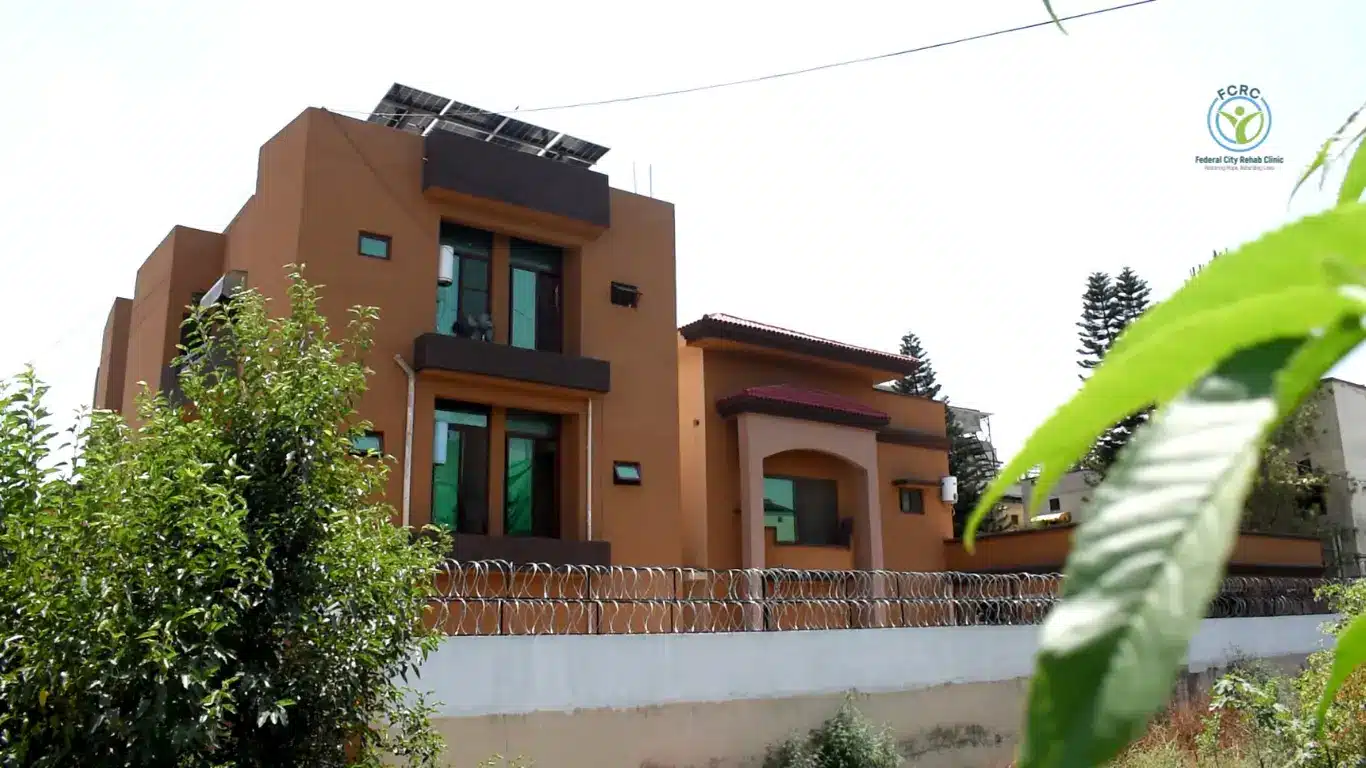
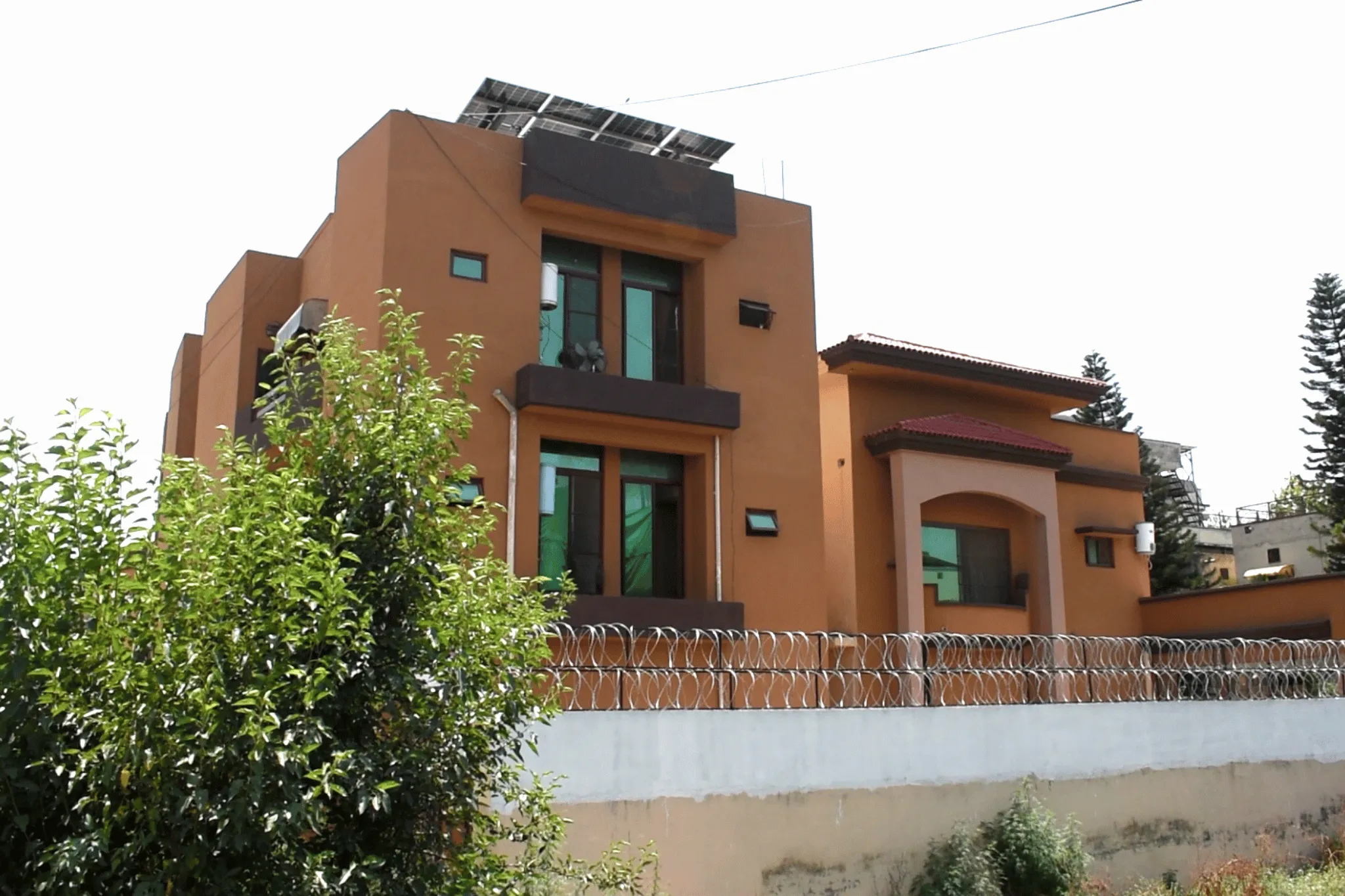
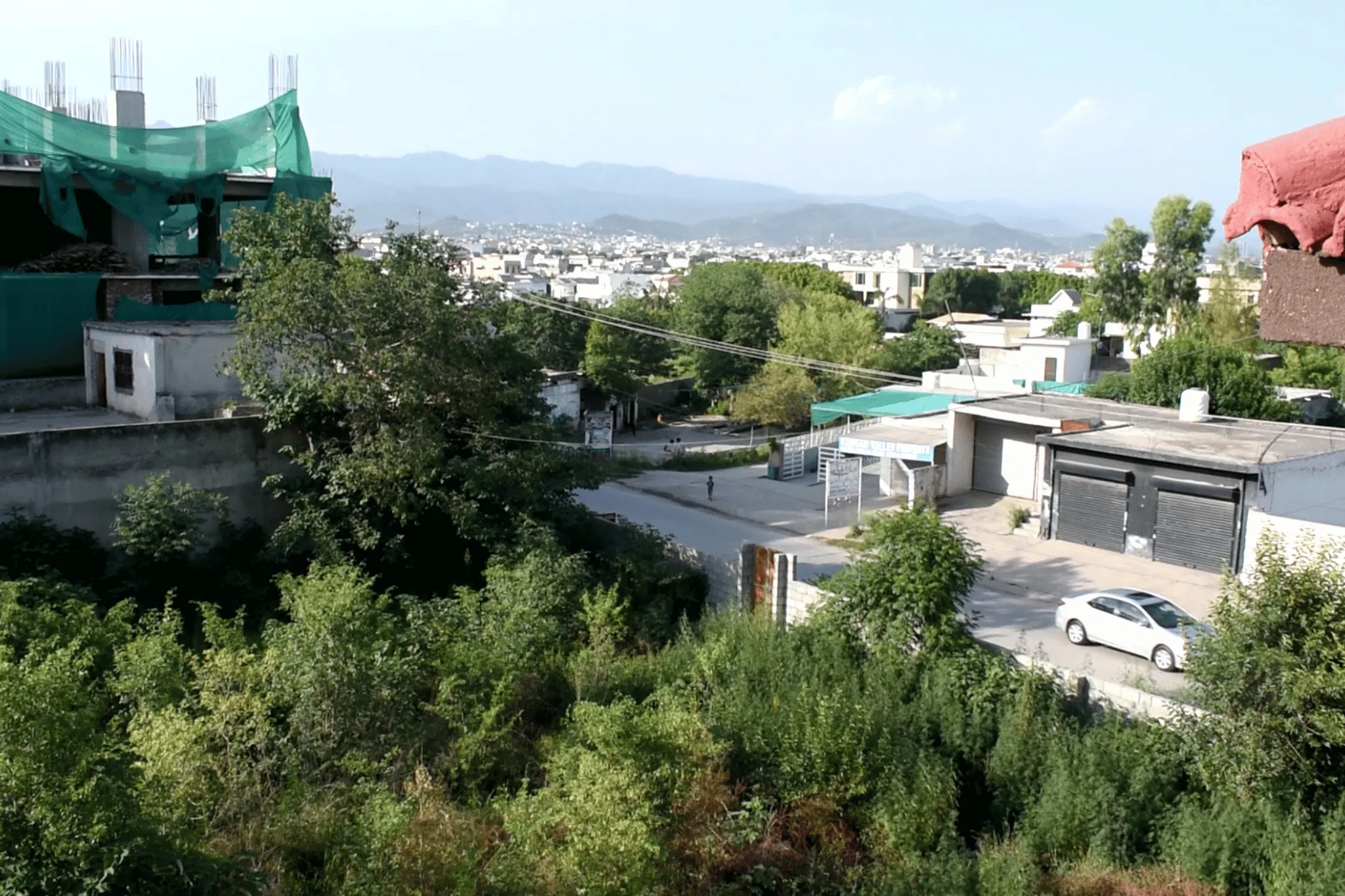
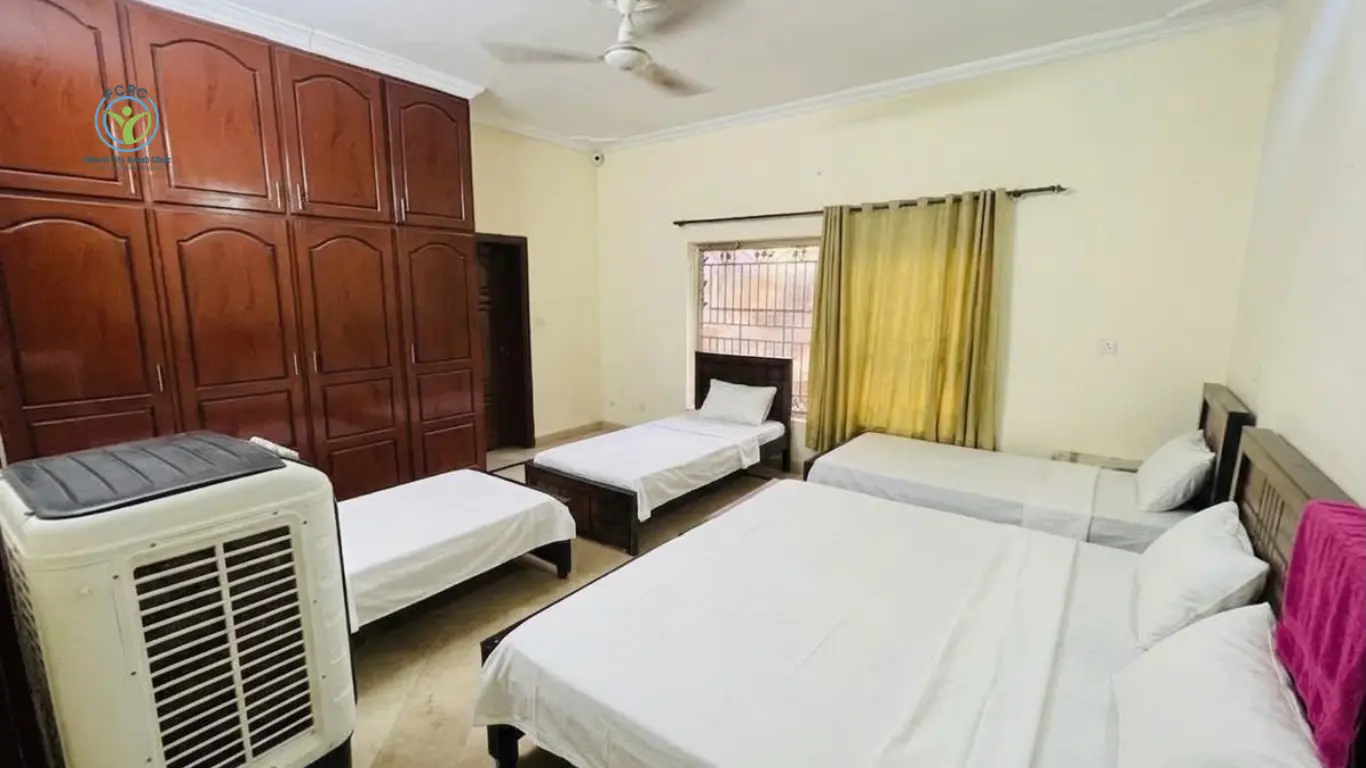
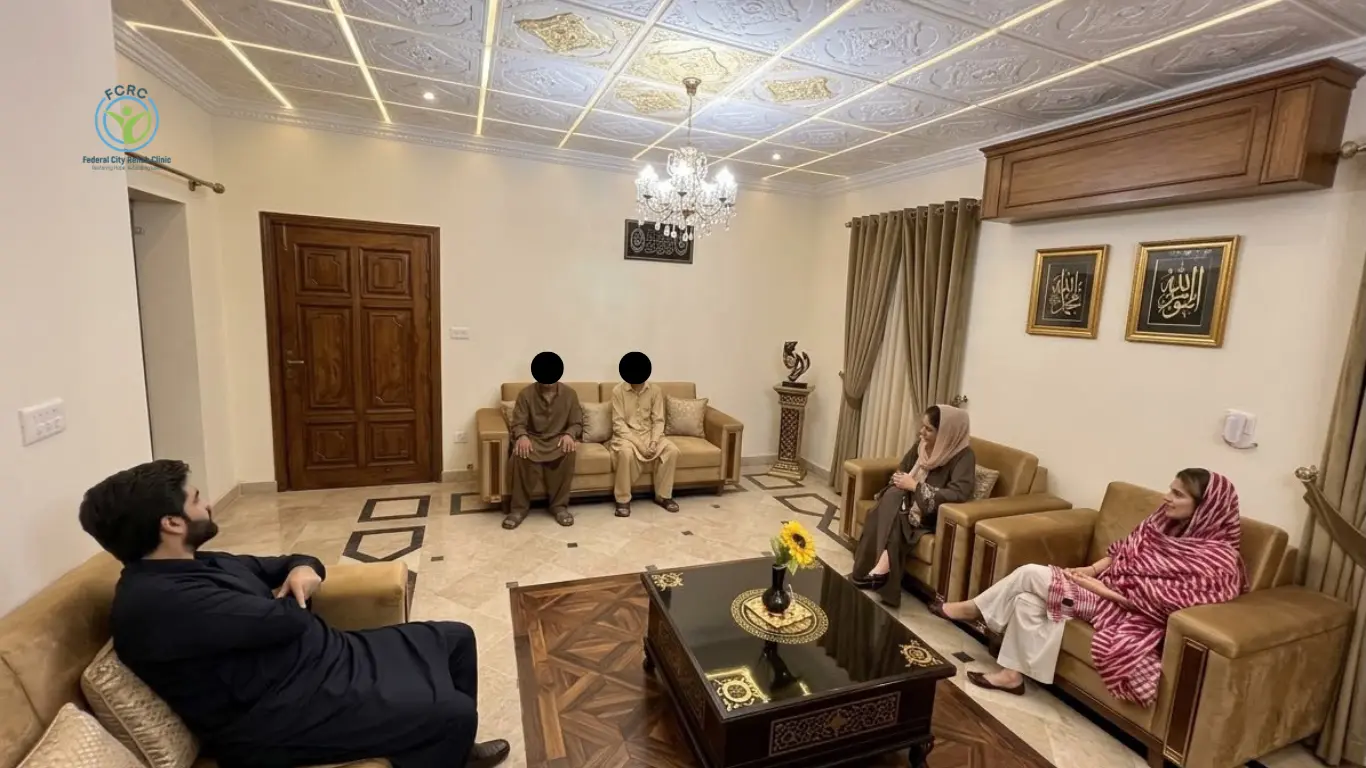
our facility
A Place Built for Healing
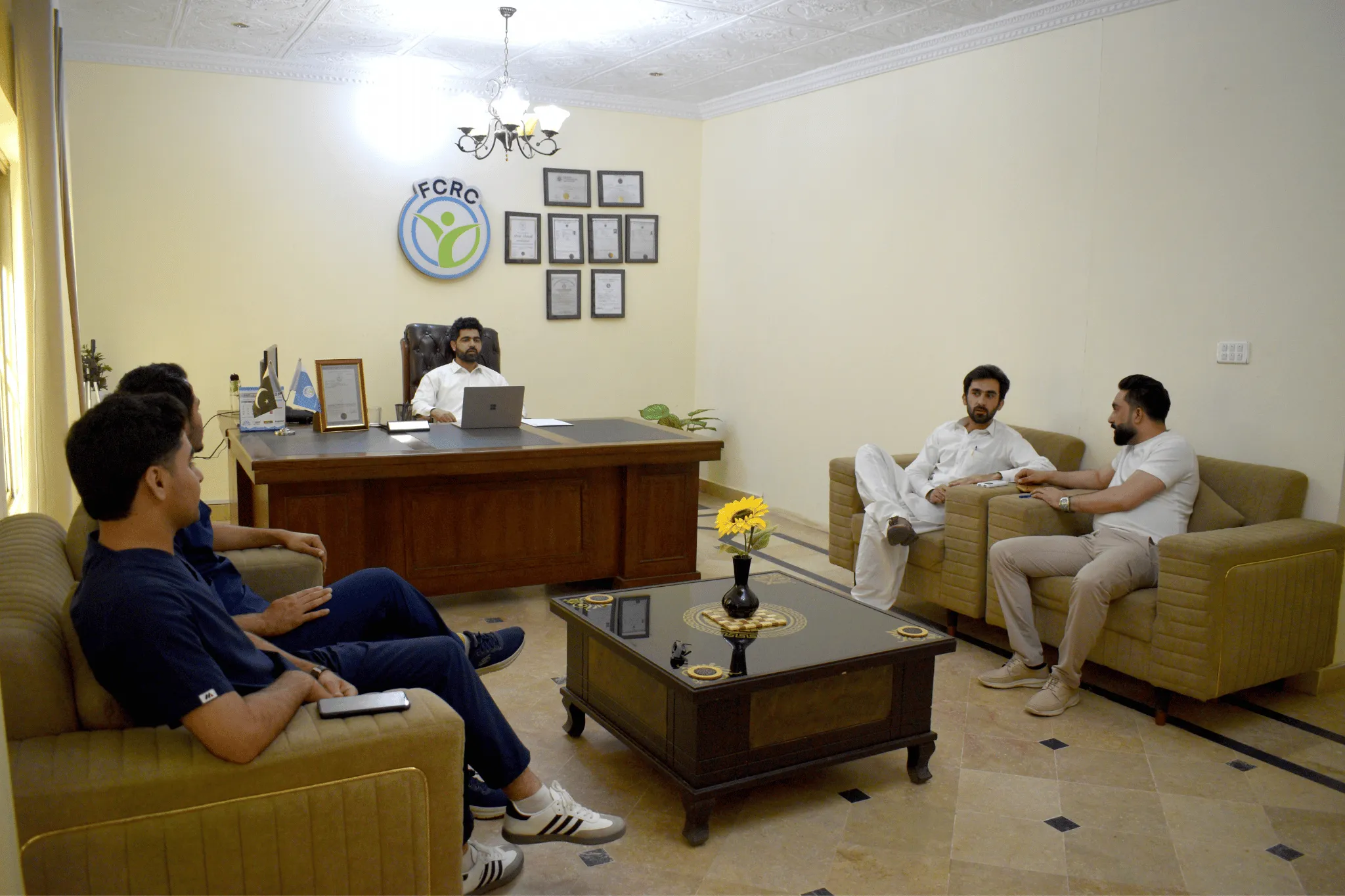
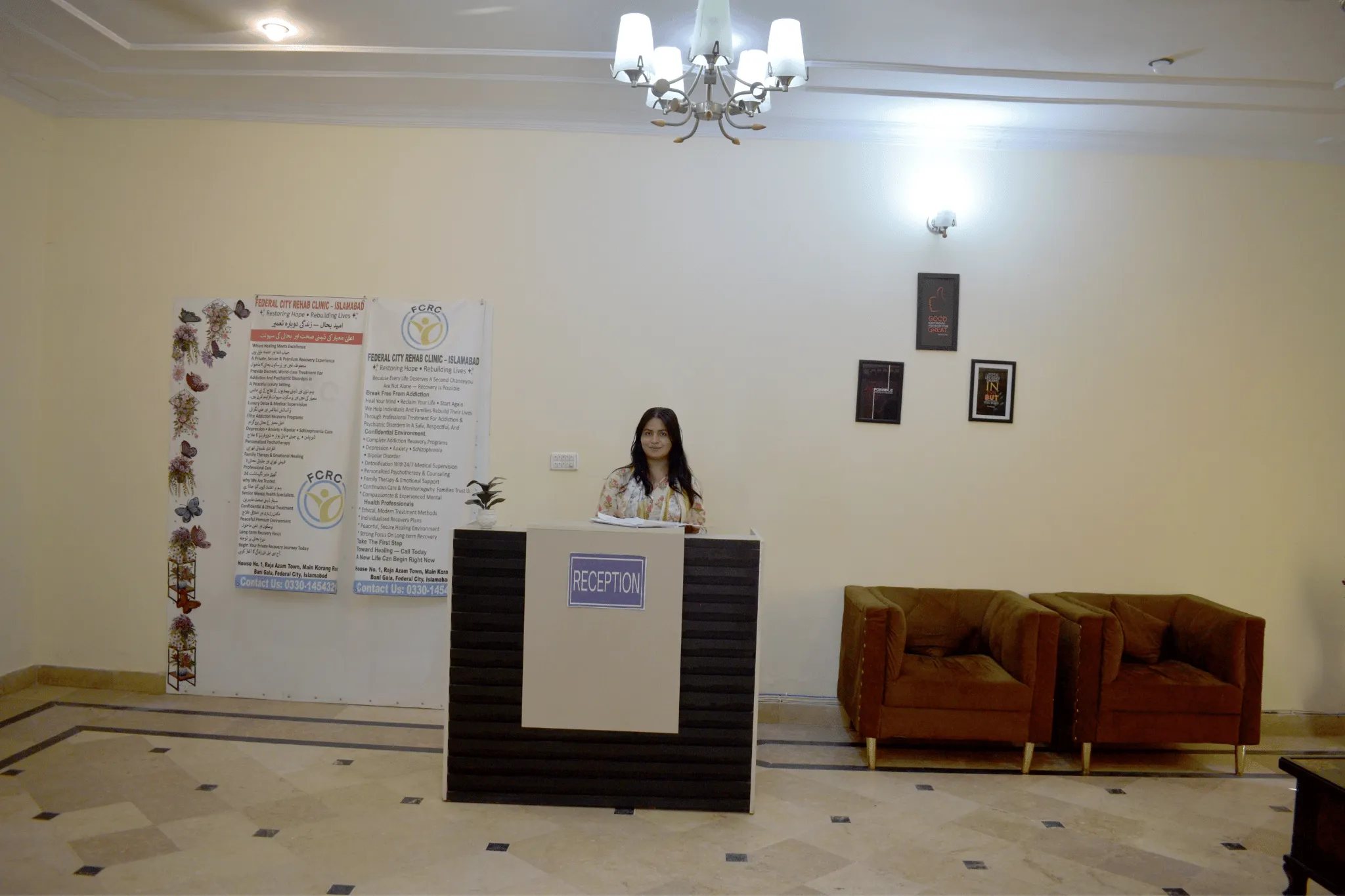
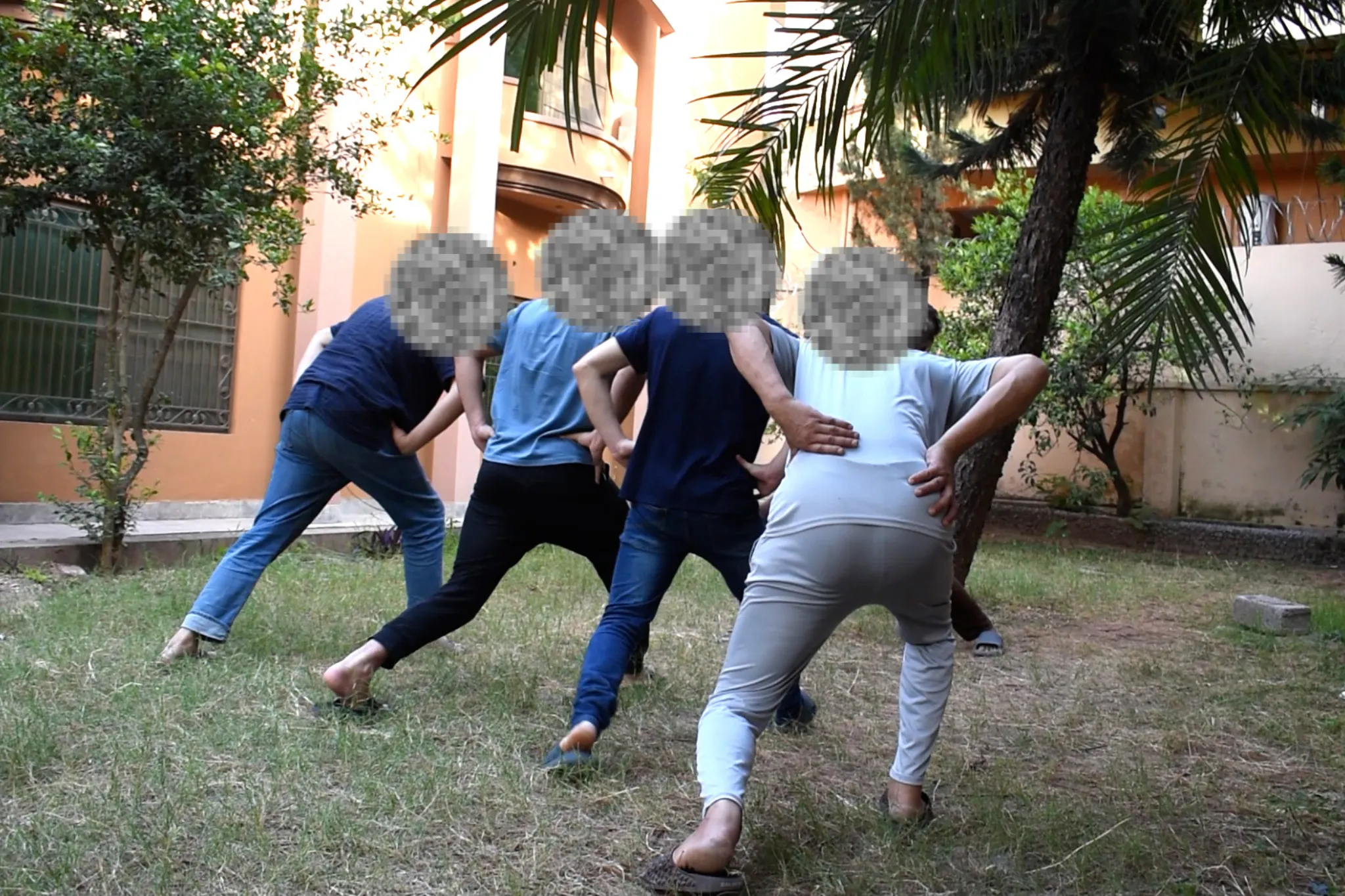
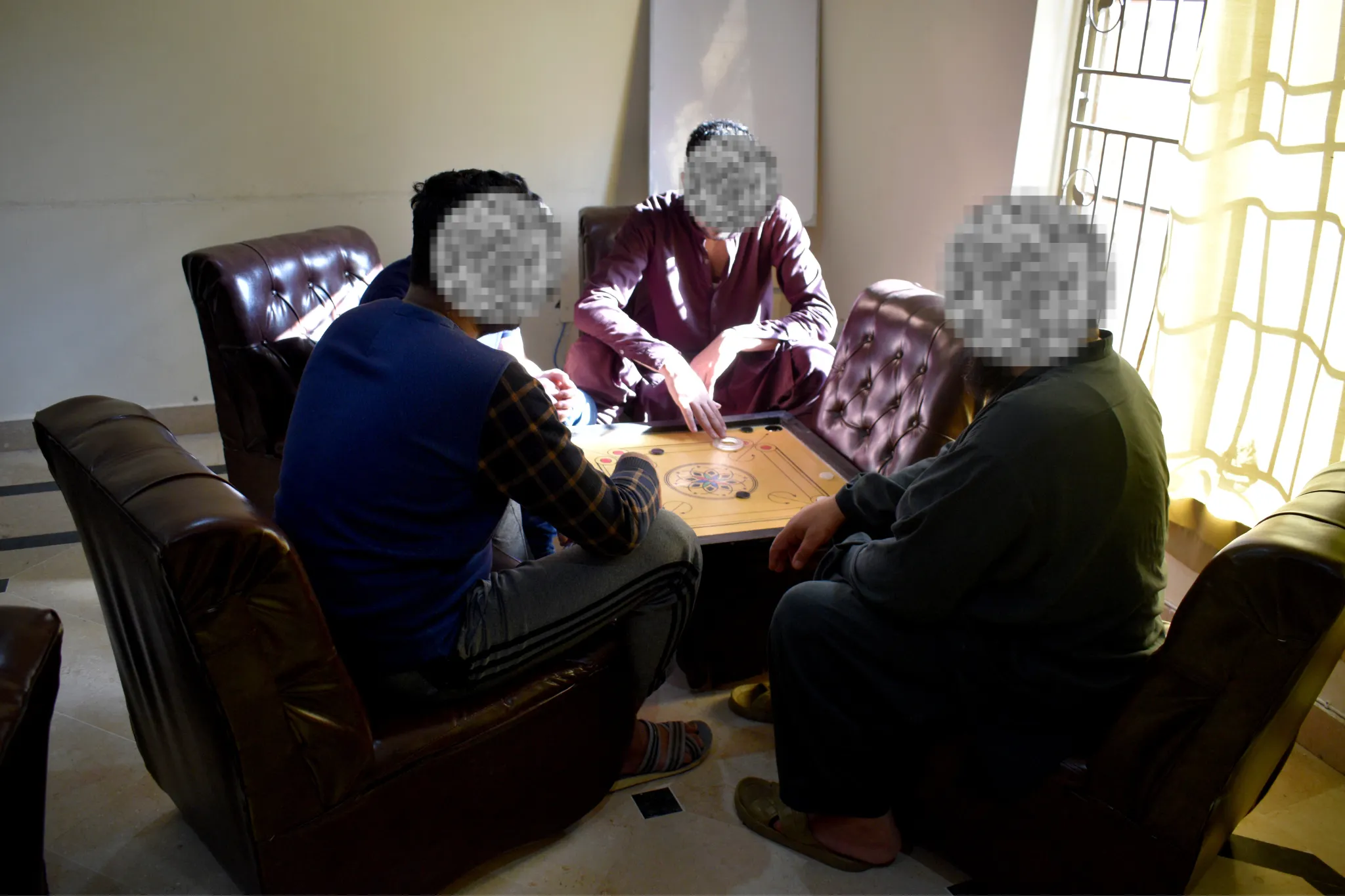
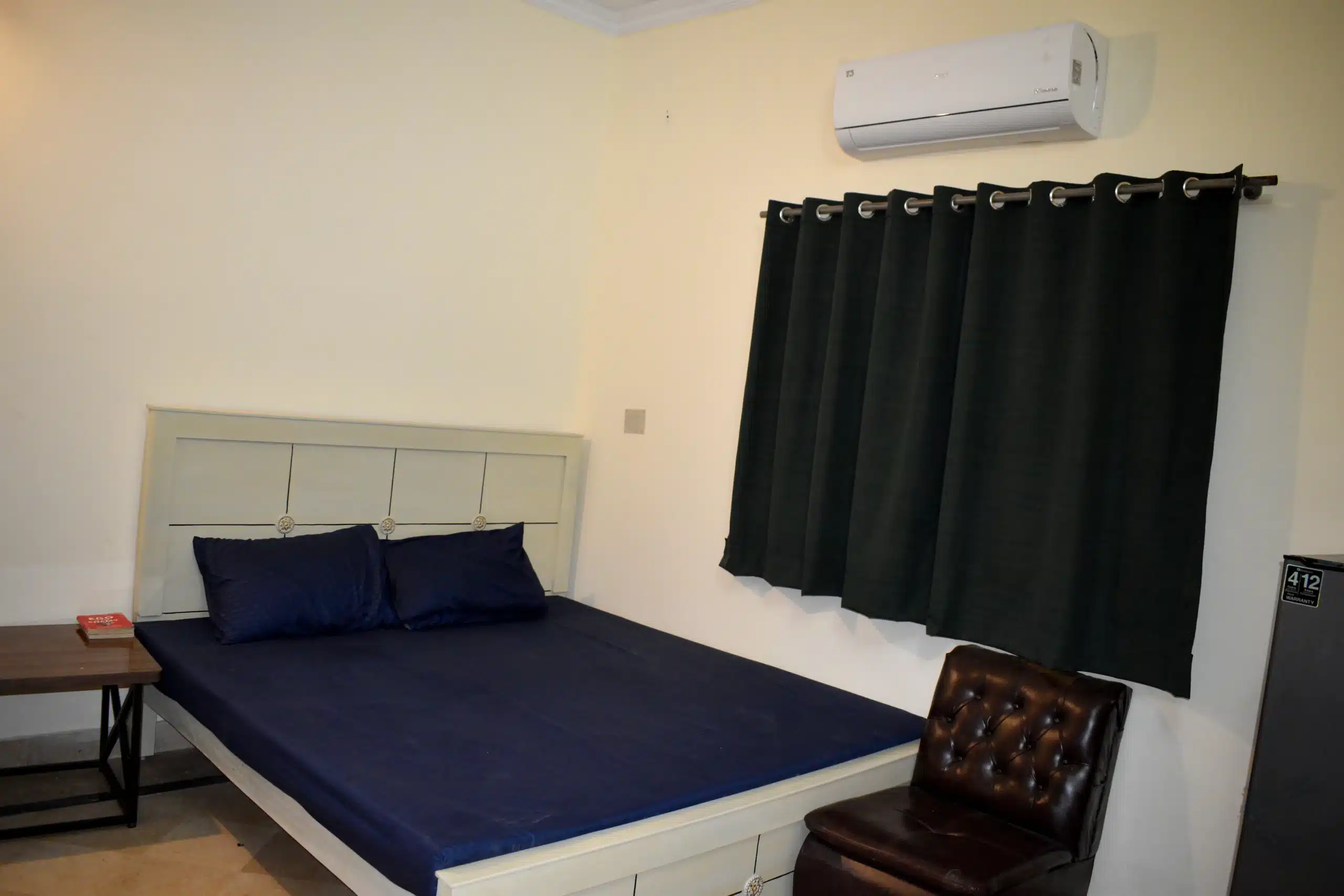
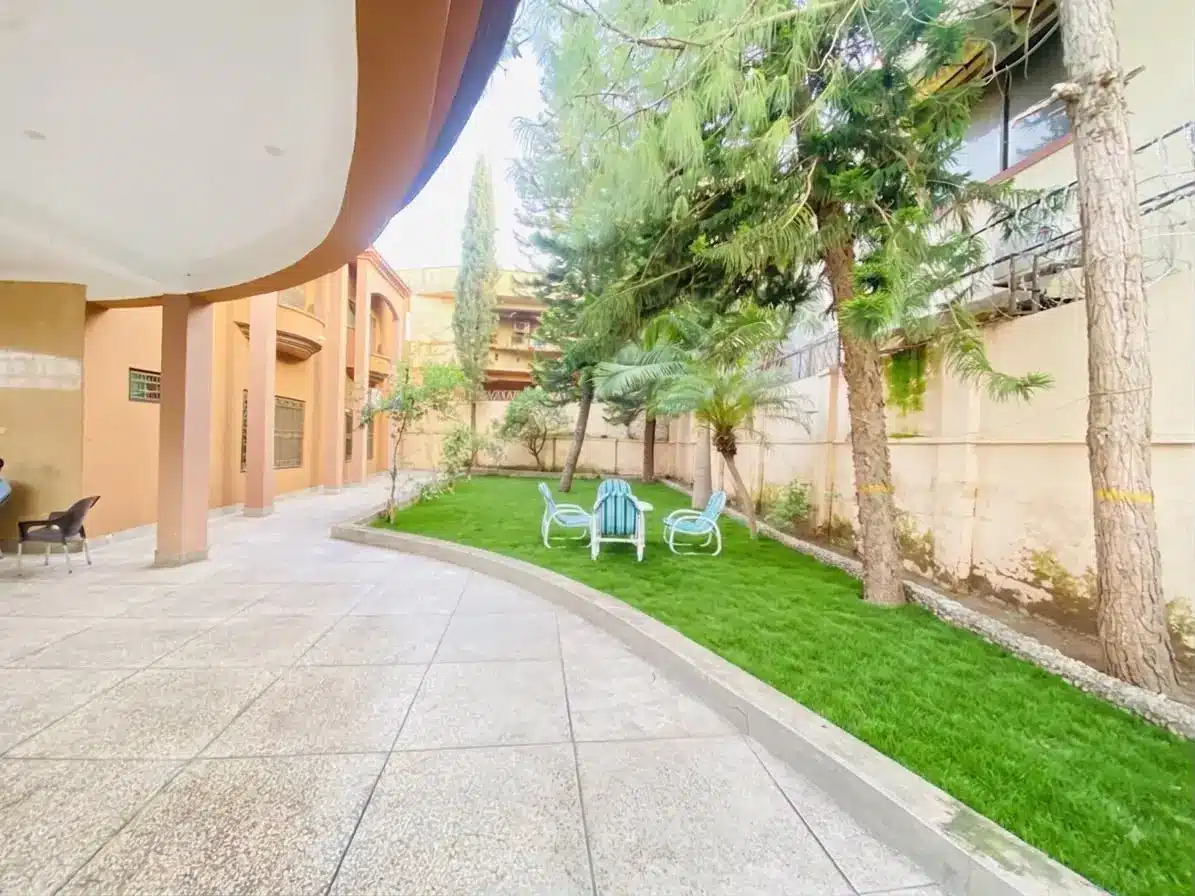
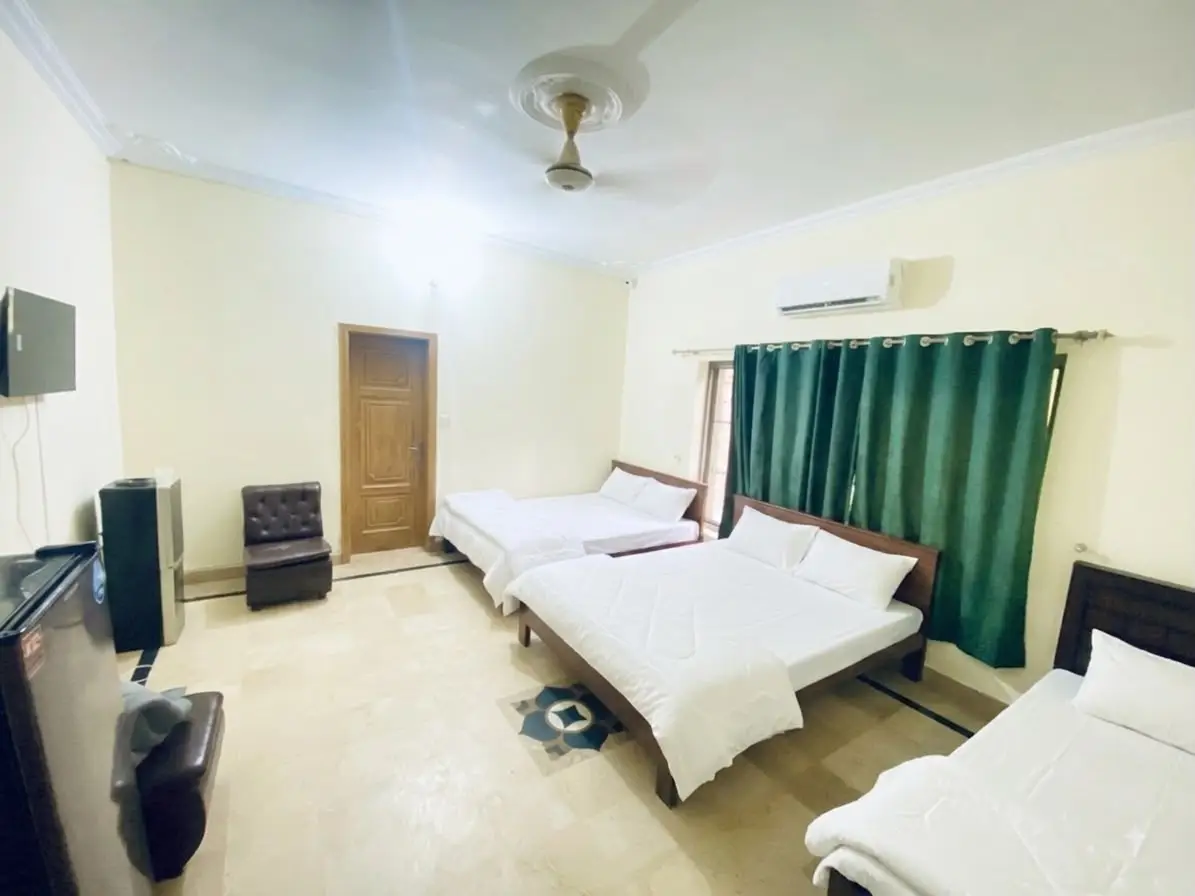
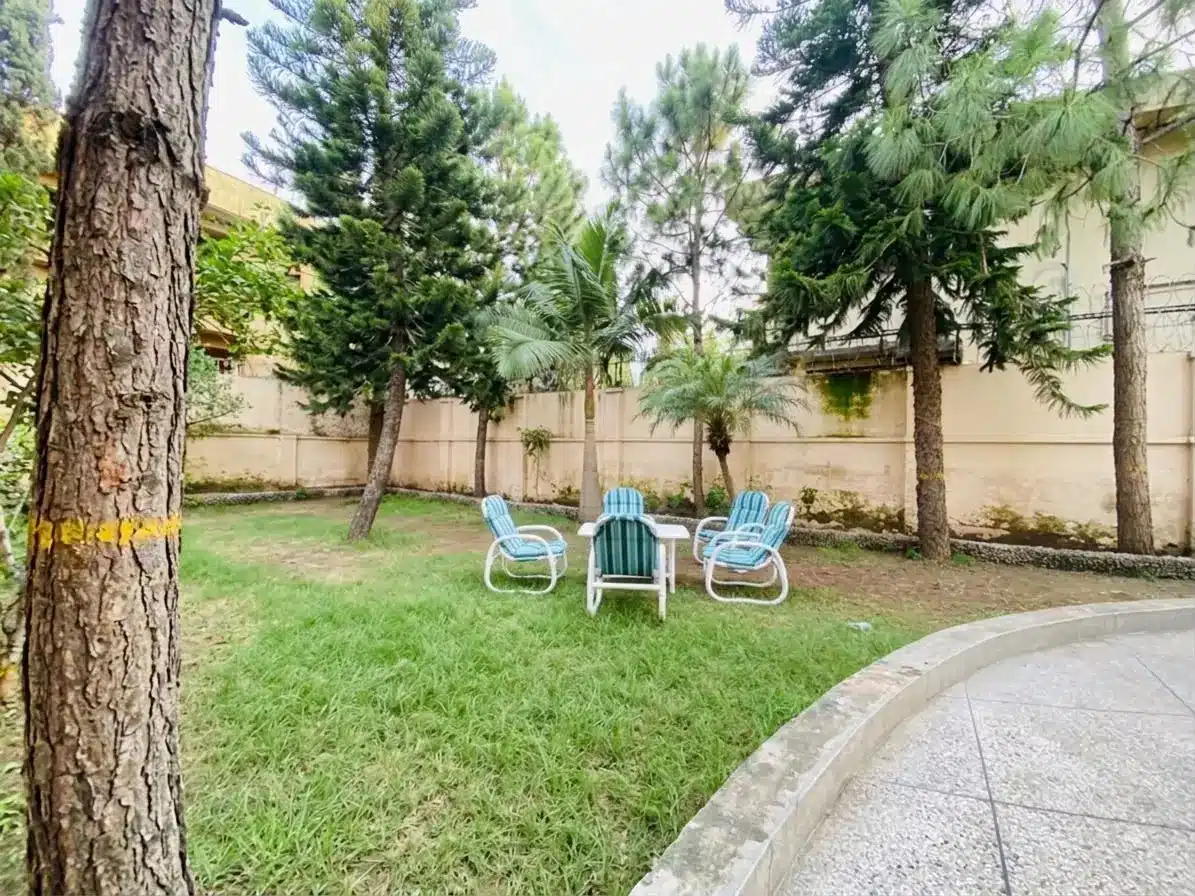
Who We Serve
FCRC’s outpatient program is available to patients from across Pakistan, including those based in
- Islamabad
- Rawalpindi
- Peshawar
- Lahore
- Multan
- Karachi
- Swat
- and all other major cities.
We also operate a dedicated female rehabilitation program, which includes outpatient continuity of care delivered by all-female clinical staff for patients who require a gender-specific environment.
how we work ?
Our Outpatient Program in Islamabad, Pakistan
FCRC’s outpatient program follows a structured, evidence-based clinical pathway, individualized to each patient’s actual needs and circumstances.
01
Initial Clinical Assessment
Every patient begins with an evaluation confirming that outpatient treatment is an appropriate and safe level of care, covering current symptoms, history, home environment, and any risk factors that would call for a higher level of supervision instead.
02
Individualized Session Planning
Based on the assessment, our clinical team builds a session schedule tailored to the patient’s condition and daily commitments, balancing clinical need against what is realistically sustainable around work, study, or caregiving.
03
Psychiatric Follow-Up and Medication Management
For patients who need it, our mental health and psychiatric team provides ongoing medication management with regular follow-up appointments, adjusting treatment as the patient’s condition evolves rather than leaving prescriptions unreviewed for months at a time.
04
Individual and Group Therapy
Counseling and therapy sessions, delivered individually and in group settings, remain the core of outpatient treatment, addressing both the presenting condition and the underlying patterns that sustain it.
05
Family Involvement
Structured family therapy sessions help relatives understand the patient’s condition, support recovery at home, and recognize early warning signs that might call for a change in the level of care.
06
Ongoing Review and Step-Up Protocol
Progress is reviewed regularly, not assumed. If a patient’s condition intensifies, our team can transition them to inpatient rehabilitation without starting the intake process over. If a patient stabilizes well, session frequency is gradually reduced as part of a planned taper rather than an abrupt stop.
Inpatient and Outpatient Options
FCRC offers treatment through both structured outpatient care and residential inpatient rehabilitation. Outpatient treatment is generally appropriate for lower severity presentations, a stable home environment, or as a step-down pathway following residential care. Our clinical team determines the appropriate format following the initial assessment, and patients can move between levels of care as their situation changes.
Book Consultation
Take the First Step Today
You do not need to have everything figured out before reaching out. You do not need to be certain. You do not need to have made a final decision.
You simply need to take one step, a conversation with our admissions team. From there, we will guide you through everything at whatever pace feels right for you.
FCRC’s admissions team is available 24 hours a day, 7 days a week, 365 days a year. There is no pressure, no judgement, and no obligation.
0330 1454321
federalcityrehabclinc@gmail.com
Our location
House No. 1, Raja Azam Town, Main Korang Road, Bani Gala, Islamabad
frequently asked question
Is outpatient treatment as effective as inpatient care?
For appropriately matched patients, meaning those who do not need 24-hour medical supervision, outpatient treatment can achieve meaningful, lasting results. The key is an honest clinical assessment of which level actually fits the person’s condition.
Can I start with outpatient treatment, or do I need to complete inpatient first?
Either path is possible. Many patients begin directly with outpatient care, while others transition into it after residential treatment. Assessment determines the right starting point for you.
How often will I need to attend sessions?
This varies by patient and clinical need, and is reviewed regularly rather than fixed permanently for the full course of treatment.
What happens if my symptoms get worse during outpatient treatment?
Our clinical team monitors progress closely throughout and can step a patient up to inpatient rehabilitation if that becomes clinically necessary.
Is outpatient treatment confidential?
Yes. The same confidentiality standards apply across every level of care at FCRC, from the first phone call onward.
Is there a female outpatient treatment option at FCRC?
Yes. FCRC’s dedicated female rehabilitation program includes outpatient continuity of care delivered by female clinical staff.