Pregabalin Addiction Treatment in Islamabad, Pakistan. Specialist Care for Lyrica Dependency
Medically supervised. Psychiatrically managed. Completely confidential. Pregabalin nasha ka khatma mumkin hai.
patient feedbacks
Stories of Recovery
Real Lives, Real Results
Every patient who walks through our doors carries a story. These are a few of the stories that walked back out, rebuilt, restored, and renewed. Names and details shared with full consent.
 Posted on Google
 Muhammad Umer
Trustindex verifies that the original source of the review is Google.
One the best rehab center in the peace of bani gala, Islamabad. 10/10Posted on Google Muhammad Ibrahim AfzalThe best addiction center in Islamabad. A friend of mine was admitted here and they provided the service.Posted on Google
 MALANG BROTHERSThe staff was professional, supportive, and respectful. The environment was comfortable and the overall experience was very good. I appreciate the team’s dedication and carePosted on Google
 Khan KhanBest facility for drug addiction treatmentPosted on Google
 Fozia Fozia khanMy experience at Federal City Rehab Clinic has been genuinely positive. The therapeutic environment is calm and well-suited to patient recovery, promoting both psychological and physical wellbeing. The clinical staff demonstrate a high level of professionalism, with consistent, patient-centered care. Medication administration and treatment protocols are followed with appropriate diligence, ensuring timely and accurate delivery of prescribed care. Hygiene and sanitation standards are well maintained throughout the facility, reflecting strong infection-control practices. Nutritional care is also handled thoughtfully, with meals catering appropriately to patient requirements. Overall, FCRC operates as a well-managed, clinically sound rehabilitation facility. Highly recommended.Posted on Google
 Malang JanExcellent rehabilitation center with professional staff, quality treatment, and compassionate care.Posted on Google
 M JHighly recommended for excellent treatment, caring staff, and quality patient care.Posted on Google
 Muhammad IlyasI have such great experiences here ! Very professional and authentic approach towards patient and families. Recommended for addictions and psychological treatmentPosted on Google
 Hidayat KingI had a very positive experience with this rehabilitation center. The staff are caring, respectful, and available whenever patients need support. The doctors, psychologists, and medical team are highly professional and genuinely dedicated to helping people recover. The environment is clean, safe, and peaceful. Patients receive their medications on time, nutritious meals are provided regularly, and daily therapy and activities are well organized. I highly recommend this rehabilitation center to anyone looking for quality care and a supportive recovery environment.Verified by TrustindexTrustindex verified badge is the Universal Symbol of Trust. Only the greatest companies can get the verified badge who has a review score above 4.5, based on customer reviews over the past 12 months. Read more
Service List
Therapist Detail
Dr. Obaid Ullah Khan Consultant Psychiatrist
Need Any Help ?
0330 1454321
Pregabalin did not arrive in Pakistan as a street drug. It arrived as a prescription. A tablet for nerve pain, for epilepsy, for anxiety. Something a doctor recommended. Something that worked, at first, better than anything had worked before.
And then the dose crept up. And then a day without it felt impossible. And then stopping, even briefly, brought on a wave of symptoms so severe that the only rational response felt like taking the tablet again.
This is how pregabalin addiction begins for the majority of people we see at Federal City Rehab Clinic. Not through recklessness or seeking a high, but through a medication that is genuinely effective at low doses and genuinely dangerous at the doses that dependency drives people toward. In Pakistan, where pregabalin is available without the prescription controls that exist in most other countries, this pattern has become one of the fastest-growing drug crises we treat.
Recovery is possible. But it requires the right medical and psychiatric support, because pregabalin withdrawal is not something to attempt alone.
What Is Pregabalin?
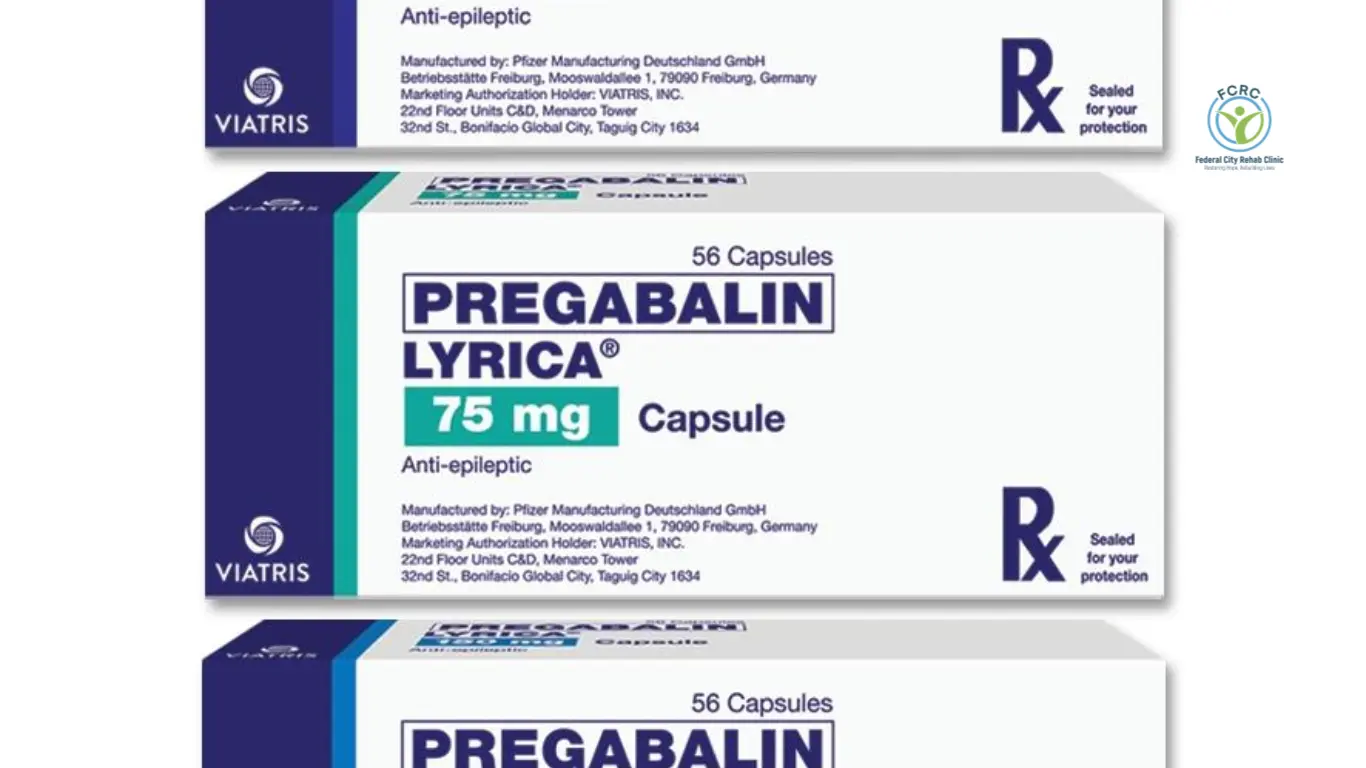
Pregabalin, sold in Pakistan under the brand name Lyrica among others, is a gabapentinoid medication prescribed for neuropathic pain, epilepsy, generalised anxiety disorder, and fibromyalgia. It works by binding to calcium channels in the nervous system and reducing the release of excitatory neurotransmitters, producing a calming, pain-relieving effect.
At prescribed doses, managed by a qualified physician, pregabalin is a legitimate and effective medication. The problem in Pakistan is that it is rarely taken at prescribed doses for long. Its anxiolytic and euphoric effects at higher doses make it attractive beyond its medical indication, and its widespread availability without meaningful prescription controls means that dose escalation happens without clinical oversight or anyone to catch it.
Pregabalin is classified as a Schedule V controlled substance in the United States and as a Class C drug in the United Kingdom. In Pakistan, it remains more easily obtainable than in either of those countries, which is directly related to the scale of the dependency problem FCRC is now seeing.
Unlike benzodiazepines, pregabalin does not have the same level of public recognition as a dependency-forming substance. This gap in awareness is dangerous. Many patients arrive at FCRC having taken pregabalin at escalating doses for months or years without anyone, including their prescribing physician, recognising that a serious dependency has formed.
How Pregabalin Affects the Brain and Body
Psychological Effects
At therapeutic doses, pregabalin produces calm, reduced anxiety, and relief from pain. At the higher doses associated with misuse and dependency, it produces euphoria, disinhibition, a sense of detachment from worry, and a feeling of wellbeing that many users describe as more effective than any other medication they have taken for anxiety or distress.
With sustained use, the brain adapts to the presence of pregabalin. The GABAergic calming effect that the drug provides becomes necessary for baseline functioning. Without it, the person experiences intense anxiety, agitation, and psychological distress that exceed even what they experienced before starting the medication. This rebound effect, far worse than the original symptom, is one of the primary mechanisms that traps people in dependency.
Cognitive effects are significant and often go unrecognised because they develop gradually. Memory difficulties, slowed thinking, reduced concentration, and an increasing emotional blunting are common in heavy pregabalin users. Many patients notice these changes only retrospectively, after a period of abstinence, when they realise how significantly the drug had been affecting their mental functioning.
Physical Effects
At high doses, pregabalin produces sedation, dizziness, coordination difficulties, and visual disturbances. The risk of respiratory depression increases when pregabalin is combined with other CNS depressants including opioids, benzodiazepines, or alcohol, a combination that is dangerously common in Pakistani patients presenting for treatment. This combination has been responsible for overdose deaths internationally and carries a genuine mortality risk.
Weight gain is one of the most consistent physical side effects of sustained pregabalin use, reported by the majority of long-term users at higher doses. Peripheral oedema, particularly swelling in the hands and feet, is also common.
The physical dependency that develops with sustained high-dose pregabalin use is real and serious. The body becomes physiologically reliant on the drug’s presence, and removal produces a withdrawal syndrome that has genuine medical risks.
Behavioural Effects
The behavioural consequences of pregabalin dependency follow a pattern familiar from other prescription drug addictions. Doctor shopping to obtain multiple prescriptions. Purchasing without prescription from pharmacies that dispense without adequate controls. Ordering online. Borrowing or taking from family members’ supplies.
Dose escalation that the person often attempts to conceal from prescribers and family. Increasing financial expenditure on the drug. Prioritising obtaining and taking pregabalin over work, family responsibilities, and previously valued activities. A social world that progressively narrows around the dependency.
The Family Impact
Pregabalin dependency is frequently invisible to families for longer than other drug dependencies because it involves a medication rather than an illicit substance. The legitimacy of the original prescription creates a buffer of plausibility that other addictions do not have. By the time the family understands what has happened, the dependency is often severe and the medical complexity of withdrawal is significant.
The emotional impact on families is no less serious for the delayed recognition. Confusion, guilt about having initially encouraged treatment with the medication, and the specific frustration of a dependency that began within the healthcare system are all common themes in the family sessions we conduct at FCRC.
Why Choose FCRC for Pregabalin Addiction Treatment in Islamabad?
Because pregabalin withdrawal requires experienced medical and psychiatric management. And because you deserve a clinical team that understands exactly what you are dealing with.
- Specialist pregabalin detoxification with 24/7 medical and psychiatric supervision
- Consultant psychiatrist experienced in gabapentinoid withdrawal management
- Medically managed tapering protocols designed to minimise withdrawal severity
- Integrated treatment for co-occurring anxiety, pain, and mood conditions that pregabalin was originally prescribed to address
- Experience with the specific combination of pregabalin alongside opioid, benzodiazepine, or alcohol dependency, which is common in our patient population
- Complete confidentiality, nothing shared without your explicit consent
- Peaceful Bani Gala location, removed from pharmacies, urban triggers, and social pressures
- Programs for men and women, including a dedicated Female Rehabilitation Program
15+ Years
Expert Care
500+
Patients Treated
24/7
Always Available
The Environment
Bani Gala’s natural setting provides the calm and distance from daily stressors that genuine recovery requires.
The Clinical Team
A consultant psychiatrist, clinical psychologist, and public health physician working together from admission to discharge.
Confidentiality
Nothing shared without your consent. Your privacy is protected absolutely.
آپ کی رازداری ہمارے لیے مقدس ہے۔
Safety
Round-the-clock medical and psychiatric monitoring. Pregabalin withdrawal managed with clinical precision.
our facility
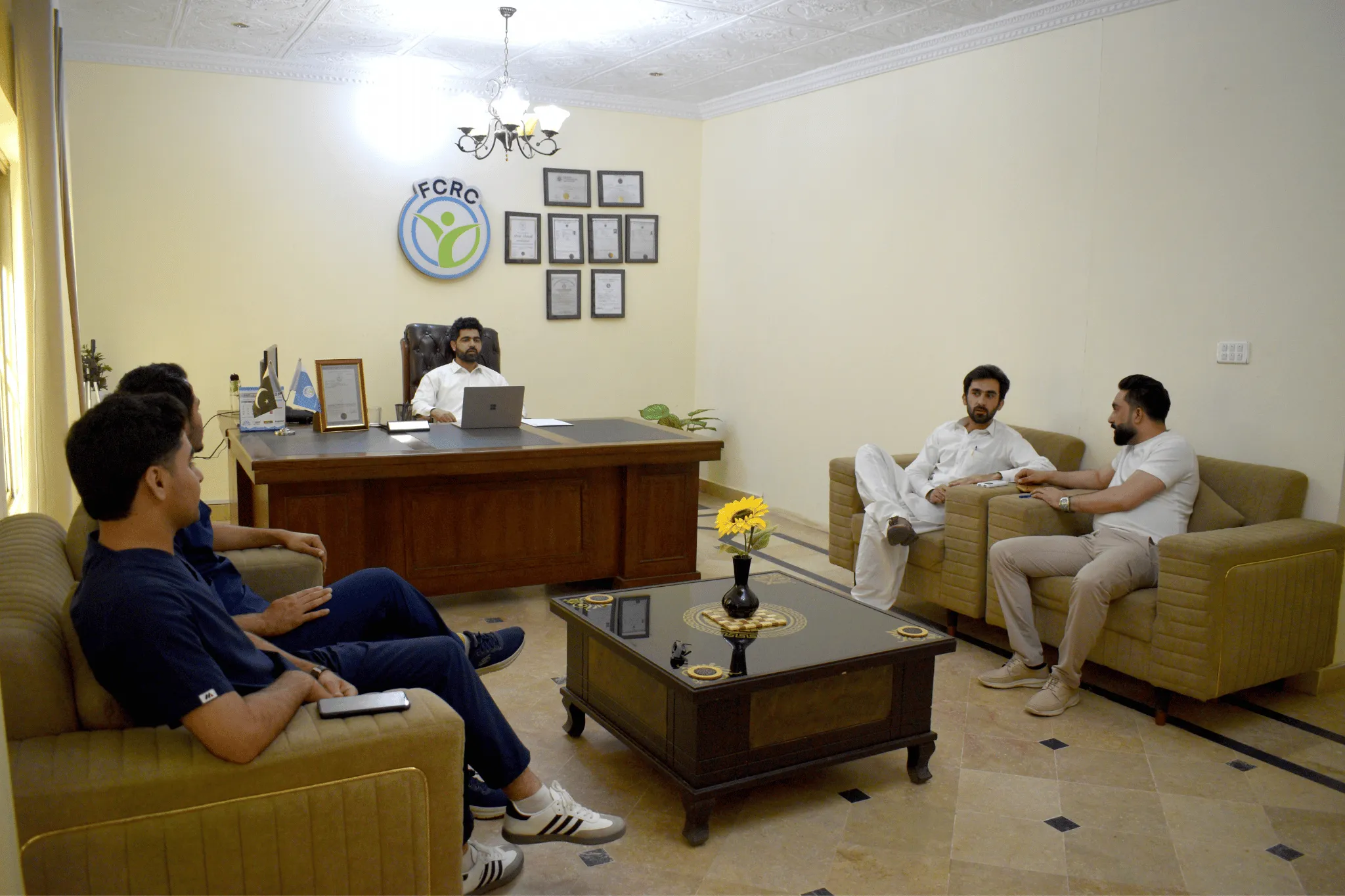
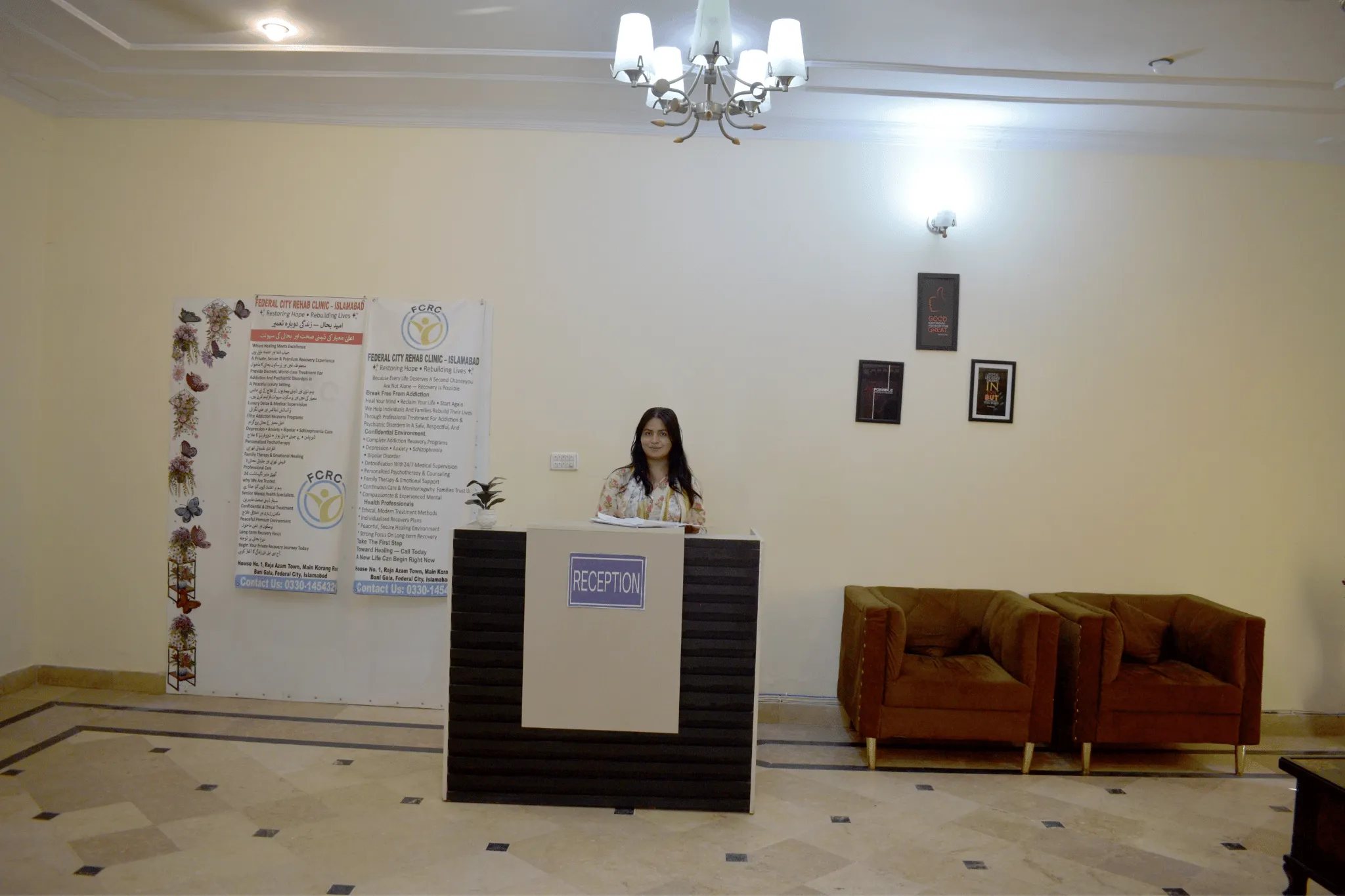
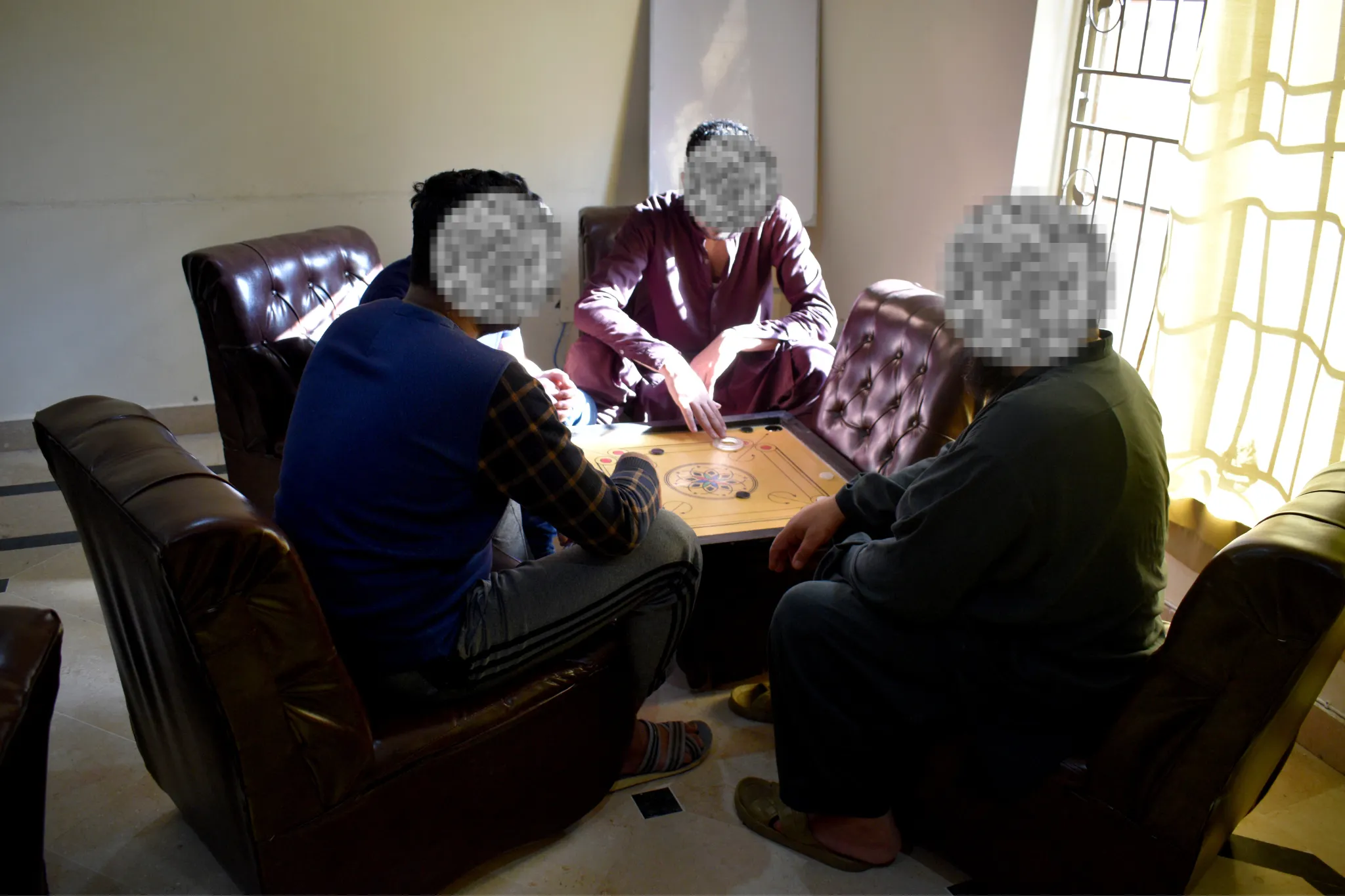
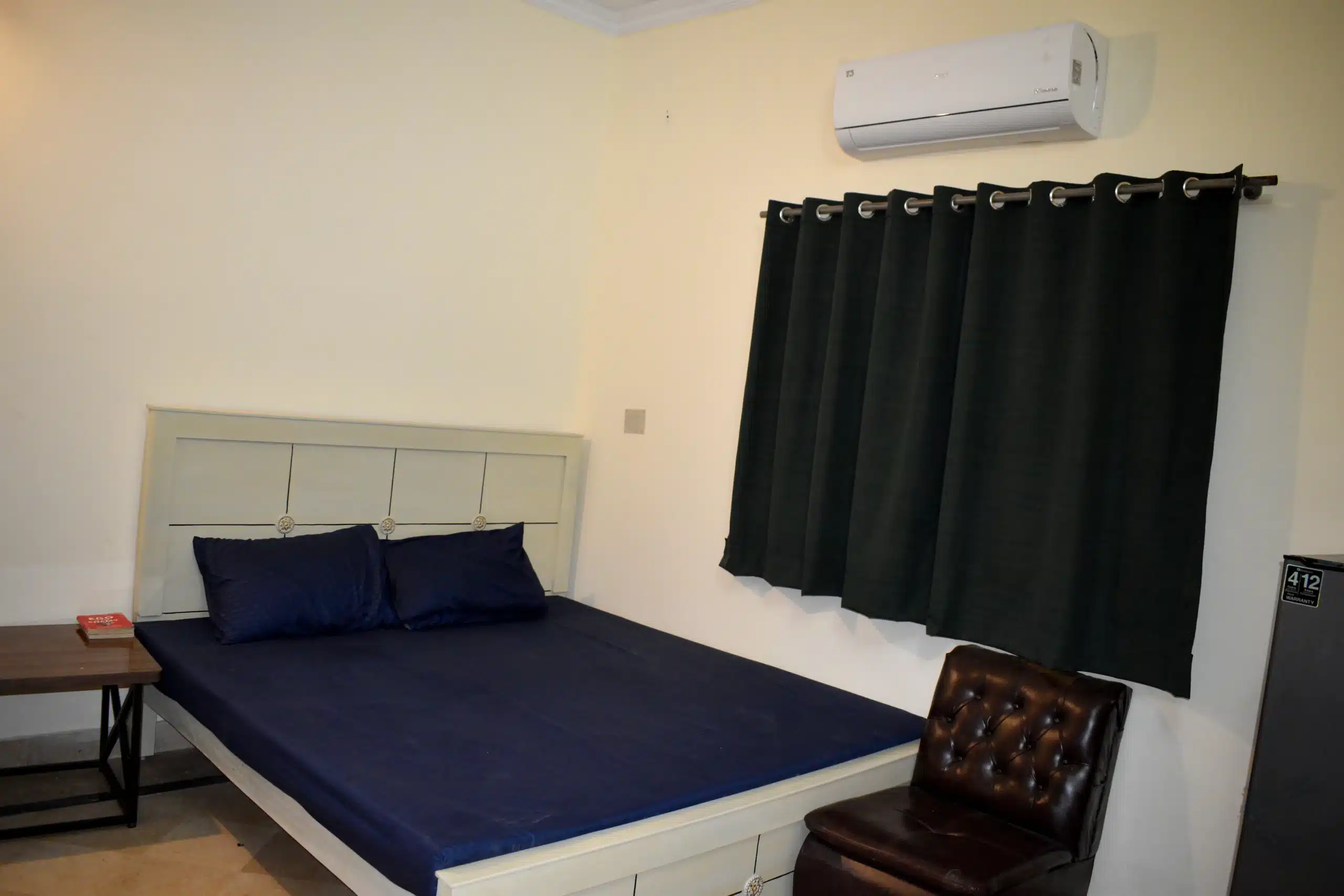
A Place Built for Healing




Who We Serve
FCRC provides pregabalin addiction treatment for patients from across Pakistan. We regularly admit patients from:
- Islamabad
- Rawalpindi
- Peshawar
- Lahore
- Multan
- Karachi
- Swat
- and all other major cities.
Pregabalin dependency crosses every demographic. We have treated professionals, students, homemakers, labourers, and retirees. We have treated patients who have been taking pregabalin at prescribed doses for years and patients who escalated rapidly to many times the therapeutic dose within months. Every presentation is different and every treatment plan is designed accordingly.
For out-of-city patients, our admissions team provides full transport coordination and a professionally managed, discreet arrival process.
how we work ?
Our Pregabalin Addiction Treatment Program in Islamabad, Pakistan
FCRC’s Pregabalin Addiction Treatment Program is built around a clear, clinically proven framework; personalised to the individual needs of every patient.
01
Comprehensive Clinical Assessment
Every patient admitted for pregabalin addiction treatment at FCRC begins with a thorough clinical assessment conducted by our consultant psychiatrist. This covers the full history of pregabalin use including current dose, duration of use, how the dependency developed, and what has been tried previously. It also covers physical health, co-occurring medical conditions, any other substances being used alongside pregabalin, and the psychiatric conditions, including anxiety, pain, and mood disorders, for which pregabalin was originally prescribed.
This last point is clinically critical. Treating pregabalin dependency without a plan for the underlying condition it was managing leaves the patient without any support for the symptoms that drove them to the medication in the first place, which is a direct path back to dependency. The assessment at FCRC identifies both the dependency and the underlying conditions, and the treatment plan addresses both.
02
Medically Supervised Detoxification
Pregabalin withdrawal can be severe and carries genuine medical risks that make unsupervised detoxification inadvisable for anyone with significant dependency. Symptoms of pregabalin withdrawal include intense anxiety and agitation, insomnia, nausea and gastrointestinal disturbance, sweating, tremor, headache, and in some cases seizures, particularly at higher doses and with abrupt cessation.
At FCRC, pregabalin detoxification is managed through a physician-designed gradual tapering protocol. Abrupt cessation of high-dose pregabalin is medically contraindicated. The dose is reduced slowly and systematically, at a pace determined by the individual’s response, to minimise withdrawal severity while allowing the nervous system to progressively readjust. This process is conducted under 24-hour medical supervision with continuous monitoring of the patient’s physical and psychiatric state.
For patients with concurrent opioid, benzodiazepine, or alcohol dependency, the detoxification is sequenced and managed to address multiple withdrawal syndromes safely, with the clinical team adjusting the approach based on the individual’s specific combination and the relative risks involved.
03
Intensive Psychiatric Treatment
The psychiatric dimension of pregabalin dependency is where FCRC’s integrated approach delivers its most distinctive clinical value.
Pregabalin was prescribed, in most cases, because something needed to be treated. Anxiety. Nerve pain. Sleep disturbance. Sometimes an undiagnosed psychiatric condition for which the prescriber reached for pregabalin as an accessible solution. In every case, that underlying condition remains present when the pregabalin is removed and requires its own treatment.
Our consultant psychiatrist assesses and treats co-occurring psychiatric conditions, including anxiety disorders, depression, PTSD, and chronic pain conditions, as an integrated part of the rehabilitation process. The medication approach after detoxification specifically avoids medications with dependency potential, using non-addictive evidence-based alternatives wherever possible.
For patients whose anxiety is a significant co-occurring condition, the psychiatric treatment plan provides genuine clinical management of that anxiety without recreating a new dependency. This is one of the most important and most practically challenging aspects of pregabalin recovery and one where specialist psychiatric input is essential.
04
Intensive Therapeutic Program
The psychological work of recovery from pregabalin dependency begins once medical stabilisation has been achieved and continues throughout the residential stay.
Cognitive Behavioural Therapy addresses the thought patterns and emotional responses that drove escalating pregabalin use, the anxiety and distress the drug was managing, and the habits and behaviours associated with obtaining and using it. For many patients, pregabalin became the primary coping mechanism for any form of psychological discomfort. CBT builds genuine, non-pharmacological alternatives.
Motivational Enhancement Therapy works with the ambivalence that is particularly common in prescription drug patients, many of whom do not fully identify as having an addiction because their dependency began through medical use. This approach strengthens the patient’s own internal motivation for change without confrontation or pressure.
Group therapy builds the peer connection and shared accountability that recovery requires. Trauma-informed therapy addresses the underlying experiences that may have contributed to the anxiety or distress that the pregabalin was managing. For those for whom it is meaningful, spiritual and values-based counselling integrates faith into the recovery process.
05
Family Therapy and Support
The confusion and guilt that family members feel when a pregabalin dependency has developed through prescribed medical use are specific to this type of addiction and deserve specific attention.
FCRC’s family therapy sessions help families understand how prescription drug dependency develops, what the medical realities of pregabalin withdrawal are, how to support recovery without enabling continued use, and how to manage their own emotional responses to a situation that has often been deeply confusing and frightening.
Many families have watched a person they love change gradually over months or years, attributing the changes to the underlying medical condition rather than to the dependency that was developing alongside it. Understanding what actually happened is a significant part of the family’s own healing process, and it is essential preparation for the period after discharge.
06
Relapse Prevention and Aftercare
Pregabalin is widely available in Pakistan. After discharge, the patient returns to an environment in which the drug is accessible through pharmacies, informal networks, and in many cases through continued prescriptions from physicians who are unaware of the dependency history.
Relapse prevention planning at FCRC is specific to this reality. Every patient leaves with a detailed, personalised plan that identifies their specific triggers, their high-risk situations, their strategies for managing anxiety and distress without medication, and specific guidance on how to handle medical appointments and prescription situations safely.
This plan includes clear communication strategies for informing future healthcare providers about the pregabalin dependency, so that inappropriate re-prescribing does not inadvertently undo the work of recovery. The FCRC aftercare team remains available to all former patients for follow-up support after discharge.
Outpatient Treatment
Structured outpatient treatment is available for patients with mild to moderate dependency and a stable, supportive home environment, or as a step-down pathway following residential care. Our clinical team determines the most appropriate level of care following the initial assessment.
Inpatient and Outpatient Options
FCRC offers pregabalin addiction treatment through both residential inpatient and structured outpatient formats.
Inpatient Residential Treatment
Residential treatment is strongly recommended for the majority of patients with significant pregabalin dependency. The medical complexity of withdrawal requires continuous clinical monitoring. The psychological work of recovery is most effectively done in a structured, drug-free environment away from the triggers and access points associated with use.
Our residential program provides 30, 60, and 90-day options. For patients with long-standing or high-dose pregabalin dependency, or for those with concurrent substance dependencies, the 90-day program is recommended. The additional time allows the nervous system to stabilise more completely, the psychiatric treatment to address underlying conditions more thoroughly, and the psychological skills for sustained recovery to be more deeply established before discharge.
Book Consultation
Take the First Step Today
You do not need to have everything figured out before reaching out. You do not need to be certain. You do not need to have made a final decision.
You simply need to take one step, a conversation with our admissions team. From there, we will guide you through everything at whatever pace feels right for you.
FCRC’s admissions team is available 24 hours a day, 7 days a week, 365 days a year. There is no pressure, no judgement, and no obligation.
0330 1454321
federalcityrehabclinc@gmail.com
Our location
House No. 1, Raja Azam Town, Main Korang Road, Bani Gala, Islamabad
frequently asked question
Is pregabalin addictive?
Physical dependency on pregabalin can develop with sustained use, particularly at doses above the therapeutic range and with long-term administration. The European Medicines Agency has formally acknowledged pregabalin’s abuse and dependence potential, which is reflected in its controlled status in the UK and several other countries. In Pakistan, the absence of equivalent regulatory controls has contributed to a significant and growing dependency problem.
What are the symptoms of pregabalin withdrawal?
Pregabalin withdrawal symptoms include intense anxiety and agitation, insomnia, sweating, nausea, tremor, headache, and in cases of high-dose or abrupt cessation, seizures. The severity of withdrawal depends on the dose being taken, the duration of use, and how quickly the drug is removed. Medically supervised gradual tapering is the recommended approach and significantly reduces withdrawal severity compared to abrupt cessation.
Can I stop taking pregabalin on my own?
For mild dependency at low doses, medically guided self-tapering with close physician oversight may be appropriate. For significant dependency, particularly at higher doses or following long-term use, attempting to stop without medical supervision carries real risks including seizures and severe psychiatric destabilisation. A clinical assessment will establish the level of support appropriate for your specific situation.
What happens to my anxiety when I stop pregabalin?
Rebound anxiety is one of the most challenging aspects of pregabalin withdrawal and recovery. The anxiety experienced during and after withdrawal is typically worse than the original presenting anxiety, because the brain has adapted to the drug’s calming effect and requires time to recalibrate. Our psychiatric team provides specific clinical management of this rebound anxiety using non-addictive approaches, ensuring that the patient is not left without support for the condition that the pregabalin was originally addressing.
Does FCRC treat pregabalin dependency alongside other substance dependencies?
Yes. Pregabalin dependency alongside opioid, benzodiazepine, or alcohol dependency is a common presentation in our patient population. Our clinical team is experienced in managing multiple concurrent withdrawal syndromes and designs detoxification and rehabilitation plans that address the full complexity of the individual’s situation.
Does FCRC treat female patients with pregabalin dependency?
Yes. Our dedicated Female Rehabilitation Program provides a fully private, all-female care environment for female patients. For Pakistani women with prescription drug dependency, the female program provides the specific clinical and social environment that treatment requires.
Where can I get help for pregabalin addiction in Pakistan?
Federal City Rehab Clinic in Islamabad provides specialist pregabalin addiction treatment including medically supervised detoxification and residential rehabilitation. Call us on 0330 1454321, WhatsApp us, or contact us to arrange a confidential assessment with our clinical team.