Mental Breakdown: Meaning, Signs and What to Do
“I think I am having a mental breakdown.” People say it after a death in the family, a business collapse, a long stretch of burnout, or a night of panic that felt like the end of the world. Families say it about a son who has stopped speaking or a mother who cannot stop crying.
The phrase is common, but it is not a medical diagnosis. You will not find “mental breakdown” in a psychiatrist’s list of conditions. What it describes is real, though: a point at which stress, pain or illness has overwhelmed a person’s ability to cope.
This guide explains what people usually mean by the term, the warning signs, what to do in the moment, what treatment looks like, and when to seek urgent help.
What does “mental breakdown” mean?
Doctors tend to use more specific words. A person who says they are having a breakdown may in fact be experiencing:
- Severe stress or burnout. Long term pressure from work, money, family or caregiving has exhausted their reserves. See our guide on executive burnout and addiction.
- A depressing episode. Persistent low mood, loss of interest, and inability to function. Our guide to stress vs anxiety vs depression explains the differences.
- An anxiety or panic crisis. Overwhelming fear, a pounding heart, breathlessness. Panic attacks can feel like a heart attack, though they are not dangerous in the same way. The NHS explains generalized anxiety and its symptoms.
- An acute stress reaction or grief. A strong reaction to a shock such as a death or an accident.
- A manic or psychotic episode. In bipolar disorder, schizophrenia or psychotic depression, a person may stop sleeping, lose touch with reality or behave in ways that are out of character.
- A substance related crisis. Withdrawal, intoxication or ICE induced paranoia can look like a breakdown. See dual diagnosis.
The label matters less than the signal: this person needs support and probably professional assessment.
Signs of a mental breakdown
No single sign proves anything, and not everyone shows all of them. Look for a clear change from the person’s normal self that lasts days or weeks.
Emotional signs
- Overwhelming sadness, hopelessness or emptiness
- Intense anxiety, fear or dread
- Anger or irritability that is out of character
- Feeling numb or detached from everything
Physical signs
- Not sleeping, or sleeping all day
- Changes in appetite
- Constant exhaustion
- Headaches, stomach problems, chest tightness or palpitations with no clear physical cause
Thinking and behavior signs
- Unable to concentrate, decide or remember
- Withdrawing from family and friends
- Neglecting work, study, hygiene or responsibilities
- Using alcohol, sleeping tablets or other substances more than before
- Crying often, or being unable to cry
Serious warning signs
- Talking about death, wanting to disappear, or hurting oneself
- Hearing voices or seeing things others do not
- Strong beliefs that are clearly not true, such as being watched or poisoned
- Extreme energy with no need for sleep, and risky behavior
The serious signs need prompt professional help, not waiting.
What causes it?
A breakdown rarely comes from one thing. It is usually a build up:
- Prolonged stress without recovery, such as financial pressure, job loss, family conflict or caring for a sick relative
- A major loss, such as a death, divorce or failure
- Trauma
- Existing mental health conditions that are untreated
- Poor sleep over a long time
- Alcohol or drug use
- Physical illness, including thyroid problems
- Isolation and no one to talk to
In Pakistan, shame and silence make this worse. Many people hide distress because they fear being called weak or “mad,” and the pressure continues until it breaks.
What to do if you think you are having one
If you are in the middle of it:
- Stop and get safe. If you are thinking of harming yourself, tell someone near you now and go to the nearest hospital emergency department. Do not stay alone.
- Tell one person. A family member, a friend or a doctor. Saying it aloud lowers the weight.
- Slow your body down. Sit, breathe slowly (in through the nose for four counts, out through the mouth for six), drink water, eat something.
- Reduce demands. Take time off if you can. Say no to extra tasks for now.
- Avoid alcohol and sedatives. They feel like relief but deepen the crisis.
- Sleep matters. Keep a regular bedtime and avoid screens late at night.
- See a professional soon. A psychiatrist can assess whether this is stress, depression, anxiety or something that needs medication.
How to help someone else
- Stay calm and listen. You do not need to fix it. “I am here and I am worried about you” is enough.
- Ask directly about safety. Asking “Have you thought about ending your life?” does not plant the idea. It opens a door.
- Do not argue with them or tell them to be strong.
- Do not leave them alone if they are in danger.
- Offer practical help. Make the appointment, drive them, sit with them.
- Look after yourself. Supporting someone is draining, and families need support too.
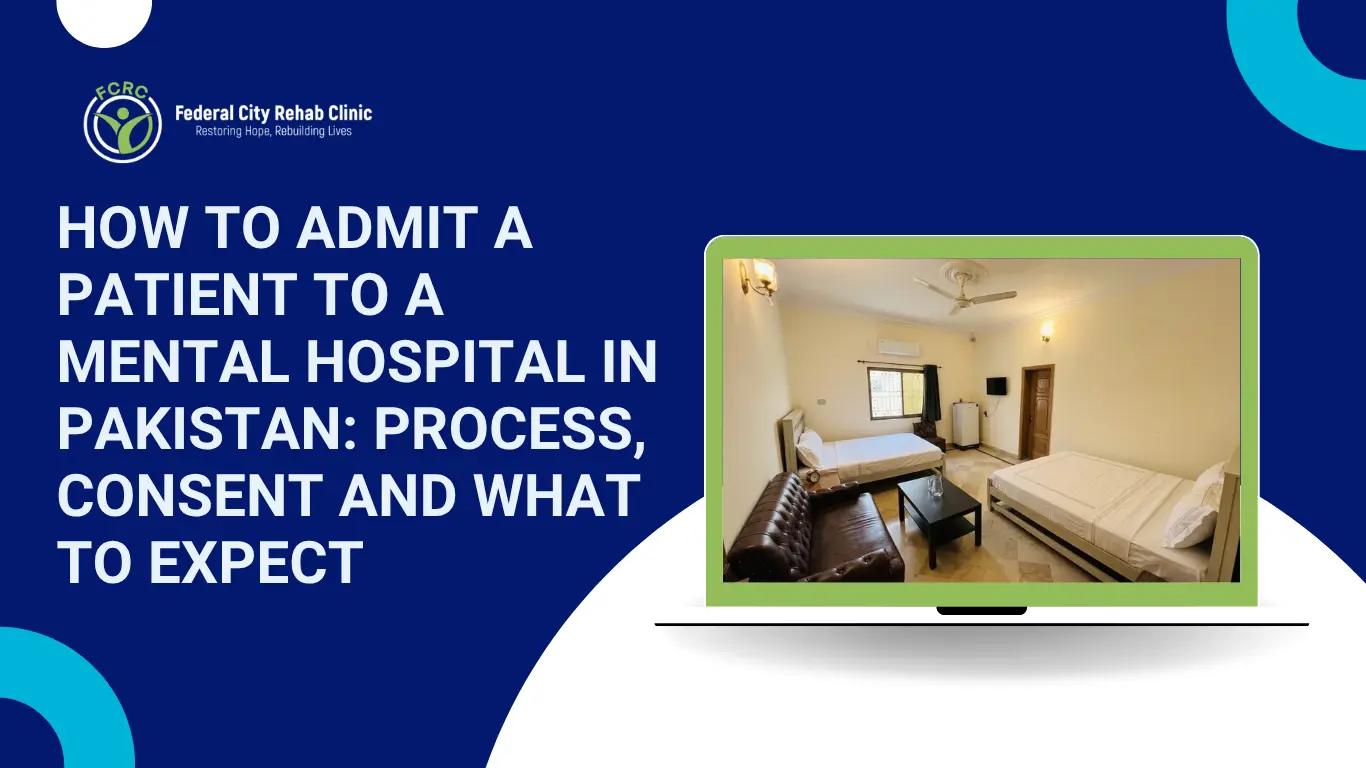
If the person refuses help and you are worried, our guide on how to admit a patient to a mental hospital in Pakistan explains the options.
Treatment: what happens after
A mental breakdown is treatable. Treatment depends on the underlying cause and may include:
- Assessment by a psychiatrist, with history and, where needed, tests
- Medication such as antidepressants, mood stabilizers or antipsychotics, only where indicated
- Psychotherapy, such as cognitive behavioral therapy, to build coping skills and work through the cause
- Rest and structure in the short term, with a gradual return to normal life
- Inpatient care when safety is at risk or home is not a safe place to recover. See inpatient rehabilitation and our mental hospital guide.
- Family involvement so that the home environment supports recovery
- Treating substance use where it is part of the picture
Recovery takes time. For general information on mental health conditions and care, see the World Health Organization fact sheet. Many people return to work and relationships fully, especially when they get help early.
How to reduce the chance of it happening again
- Treat stress early, before it builds
- Protect sleep
- Keep regular contact with people you trust
- Take breaks and leave work behind at times
- Limit alcohol and avoid sleeping tablets as a coping tool
- Keep taking prescribed medicine and attend follow up
- Notice your own warning signs and act on them
When to seek urgent help
Go to an emergency department or ask someone to take you now if:
- You or someone else is thinking about suicide or has harmed themselves
- Someone is violent or a danger to others
- A person is hearing voices, is very confused or has not slept for days
- Someone has taken too many tablets or a harmful substance
Frequently Asked Questions
Is a mental breakdown a real medical condition?
It is not a formal diagnosis. It is a popular phrase for a period when stress or illness overwhelms a person’s ability to cope. The cause may be severe stress, depression, anxiety or another condition that a doctor can identify.
How long does a mental breakdown last?
It varies from days to months, depending on the cause and how quickly help starts.
What does a mental breakdown feel like?
Often a mix of exhaustion, fear, sadness or numbness, with trouble sleeping, concentrating and managing daily tasks.
What is the difference between a mental breakdown and a panic attack?
A panic attack is a sudden surge of fear lasting minutes, with physical symptoms. A breakdown describes a longer period of being overwhelmed. A panic attack can be part of it.
Can a mental breakdown cause permanent damage?
Most people recover fully with treatment, especially when it starts early. Untreated, the underlying condition may worsen.
Do I need to go to the hospital?
Not always. Many people recover with outpatient treatment. Admission is considered if there is a risk to safety or home is not safe.
Does FCRC treat this?
Yes. Our psychiatry team offers assessment, outpatient care and inpatient programs, with stays that usually start at 30 days and extend to 60 or 90 days or longer where needed.
Talk to us
You do not have to wait for a crisis to ask for help. Call 0330 1454321 or message our team on WhatsApp for an assessment. You can also take our free mental health self check to see whether your symptoms deserve a professional look.