Schizophrenia Treatment in Islamabad, Pakistan
Psychiatrist led care in a safe, private setting in Bani Gala, for patients and families who have waited too long for answers.
شیزوفرینیا کا علاج: سمجھ بوجھ، ہمدردی اور ماہر نفسیاتی نگہداشت
client feedbacks
Stories of Recovery
Real Lives, Real Results
Every patient who walks through our doors carries a story. These are a few of the stories that walked back out, rebuilt, restored, and renewed. Names and details shared with full consent.
 Posted on Google
 Muhammad Umer
Trustindex verifies that the original source of the review is Google.
One the best rehab center in the peace of bani gala, Islamabad. 10/10Posted on Google Muhammad Ibrahim AfzalThe best addiction center in Islamabad. A friend of mine was admitted here and they provided the service.Posted on Google
 MALANG BROTHERSThe staff was professional, supportive, and respectful. The environment was comfortable and the overall experience was very good. I appreciate the team’s dedication and carePosted on Google
 Khan KhanBest facility for drug addiction treatmentPosted on Google
 Fozia Fozia khanMy experience at Federal City Rehab Clinic has been genuinely positive. The therapeutic environment is calm and well-suited to patient recovery, promoting both psychological and physical wellbeing. The clinical staff demonstrate a high level of professionalism, with consistent, patient-centered care. Medication administration and treatment protocols are followed with appropriate diligence, ensuring timely and accurate delivery of prescribed care. Hygiene and sanitation standards are well maintained throughout the facility, reflecting strong infection-control practices. Nutritional care is also handled thoughtfully, with meals catering appropriately to patient requirements. Overall, FCRC operates as a well-managed, clinically sound rehabilitation facility. Highly recommended.Posted on Google
 Malang JanExcellent rehabilitation center with professional staff, quality treatment, and compassionate care.Posted on Google
 M JHighly recommended for excellent treatment, caring staff, and quality patient care.Posted on Google
 Muhammad IlyasI have such great experiences here ! Very professional and authentic approach towards patient and families. Recommended for addictions and psychological treatmentPosted on Google
 Hidayat KingI had a very positive experience with this rehabilitation center. The staff are caring, respectful, and available whenever patients need support. The doctors, psychologists, and medical team are highly professional and genuinely dedicated to helping people recover. The environment is clean, safe, and peaceful. Patients receive their medications on time, nutritious meals are provided regularly, and daily therapy and activities are well organized. I highly recommend this rehabilitation center to anyone looking for quality care and a supportive recovery environment.Verified by TrustindexTrustindex verified badge is the Universal Symbol of Trust. Only the greatest companies can get the verified badge who has a review score above 4.5, based on customer reviews over the past 12 months. Read more
Service List
Therapist Detail
Abrar Ahmad | CEO | Consultant Clinical Psychologist | Addiction Therapist
Need Any Help ?
0330 1454321
Most families who contact us about schizophrenia are not afraid of the word itself. They are afraid of losing the person they know. A son who used to laugh at dinner now sits in silence, certain that someone is watching him. A daughter stops studying and stops answering her phone. Everyone at home is frightened, and nobody agrees on what is wrong.
Schizophrenia is a medical condition of the brain. It is not caused by black magic, by bad parenting or by weak faith. It is also treatable. The World Health Organization reports that at least one in three people with schizophrenia can fully recover, and that effective care exists for the rest.
At Federal City Rehab Clinic, treatment is led by a consultant psychiatrist and supported by clinical psychologists, in a calm and private setting in Bani Gala, Islamabad. Your family is part of the process from the first day. Prayer and spiritual comfort are welcome beside medical care, and never in place of it.
What is schizophrenia?
Schizophrenia is a long term mental health condition that changes how a person thinks, feels and understands the world around them. The World Health Organization estimates that about 1 in 300 people live with it worldwide. It usually begins in late adolescence or the twenties, and it tends to start earlier in men than in women.
Doctors call its central feature psychosis. A person in psychosis may hear, see or believe things that nobody else shares, and to them these experiences feel completely real. That is why arguing with them rarely helps, and why they often do not believe they are ill.
Schizophrenia is not a split personality, and it is not a flaw of character. It is a disorder of how the brain processes thought, perception and emotion, and it responds to treatment.
No two people are affected in the same way. Some have a single episode and recover fully. Some have episodes that come and go over the years. Others need steady treatment to stay well. What helps in every case is an early, accurate diagnosis and a plan that the whole family understands.
Signs and symptoms of schizophrenia
Symptoms usually build over weeks or months rather than appearing overnight. They fall into three groups.
Changes in what the person sees, hears and believes
- Hearing voices that comment, argue or give orders
- Seeing, smelling or feeling things that are not there
- Fixed beliefs that do not change with evidence, such as being watched, followed, poisoned or targeted
- A belief that thoughts are being placed in the mind, removed from it or broadcast to others
- Speech that is jumbled, hard to follow or unrelated to the question
- Behavior that seems strange or purposeless, or sudden agitation
Changes in energy, emotion and motivation
- Flat or reduced emotion, or reactions that do not match the situation
- Very little speech
- Loss of interest in things the person once enjoyed
- Poor self care, such as not bathing, eating or changing clothes
- Pulling away from family and friends
Changes in thinking and memory
- Trouble with attention and concentration
- Poor memory for recent events
- Difficulty planning or solving everyday problems
These thinking difficulties are often what stop a person from studying or working, even after the voices have settled. Good treatment addresses them too.
Early warning signs
Before the first full episode, many families look back and recall smaller changes: sleeping badly, falling grades, growing suspicion, odd remarks, irritability, or a slow withdrawal from friends. One sign on its own means little. A group of them lasting for weeks deserves a psychiatric opinion.
Is it time to seek help?
You do not need to wait for a crisis. Consider a psychiatric assessment if your family member:
- Hears voices or holds beliefs that are affecting daily life
- Has withdrawn from family, study or work for several weeks
- Sleeps very little, or has stopped caring for themselves
- Has stopped taking medicine that a doctor prescribed
- Is using cannabis, ICE or other drugs and has also changed in thinking or behavior
Seek help urgently if the person
- Talks about ending their life or harming someone else
- Hears voices that tell them to do things
- Refuses food or water
- Has not slept for several days and is becoming more agitated
- Is a danger to themselves or to others in any way
If someone talks about ending their life or hurting others, stay with them, keep the surroundings safe and get medical help straight away. Contact our admissions team immediately, or take the person to the nearest hospital emergency department. Our Emergency Patient Transfer Ambulance service can also bring a patient safely to our facility.
Causes and risk factors
Research has not found a single cause. Schizophrenia appears to develop when several influences meet, mainly inherited vulnerability and the environment a person lives in.
Family history
Having a close relative with schizophrenia raises the risk, but most people with an affected relative never develop it.
Cannabis
The World Health Organization notes that heavy cannabis use is associated with a higher risk of the disorder, especially when use starts young.
Stimulants such as ICE
These drugs can cause paranoia and hallucinations on their own. In some people the psychosis does not fully clear when the drug stops.
Stress, trauma and isolation
These do not cause schizophrenia by themselves, but they can bring on episodes in someone who is already vulnerable.
Myths that delay treatment
In many homes, the first explanation offered is jadu, saya or jinn. Others blame the parents, or say the person is lazy, spoiled or simply refusing to behave. None of this is true, and every month spent chasing these explanations is a month without effective treatment. Faith matters, and prayer can bring real comfort to a frightened household. But prayer and medical treatment work best together.
Schizophrenia and related conditions
Psychosis is not always schizophrenia. Several other conditions can look similar at first, and the right treatment depends on telling them apart.
- Psychosis caused by drugs or alcohol
- Bipolar disorder with psychotic features (see our Bipolar Disorder Treatment page)
- Severe depression with psychotic features
- Schizoaffective disorder, which combines psychosis with a major mood disorder
- Brief psychotic episodes after extreme stress
- Medical causes, such as thyroid problems, infections, epilepsy or head injury
The label matters. A person with bipolar disorder given the wrong medicine can become worse. A person whose psychosis comes from drugs may recover once the drug is out of the body and treated properly. A diagnosis is a careful clinical judgment built over time, not a quick label from a single visit.
How our psychiatrists diagnose schizophrenia
A diagnosis at FCRC rests on several sources, not on one conversation.
- A detailed history from the patient and from the family, including how symptoms began and what has already been tried
- A mental state examination by the consultant psychiatrist
- A physical examination and the tests the psychiatrist considers necessary, including drug screening where relevant
- Observation over the first days of the stay, which often gives the clearest picture of sleep, behavior and symptoms
Families are the most important witnesses to what changed and when. We listen closely to them, and we explain what we find in plain language.
how we work ?
Our schizophrenia treatment program in Islamabad, step by step
FCRC’s schizophrenia treatment program follows a clear clinical framework, personalised to every patient.
First contact and admission planning
When you contact our admissions team, we listen first. We ask about symptoms, safety, past treatment and any drug use, and we explain what to expect. If the patient is unwilling or unwell, we guide you on how to bring them in calmly and respectfully. Transport is provided for anyone who needs it.
Day zero assessment and program decision
Day zero covers complete documentation, all the necessary tests and a full assessment by the consultant psychiatrist. We then decide the program together with the family: where treatment should happen, for how long, and what the first priorities are.
Admission and Stabilisation
The first days focus on safety, sleep, calm and comfort. Our team observes the patient closely, begins medication carefully and reduces fear and agitation. A settled body and a quieter mind make every later step possible.
Active psychiatric treatment
The consultant psychiatrist adjusts the medicine step by step, reviews response and side effects, and treats any other condition that is present, including substance use. Progress is reviewed regularly and shared with the family.
Therapy, family work and rehabilitation
Once symptoms ease, therapy and daily structure help the person rebuild skills, confidence and routine. Families receive guidance at the same time, so that home is ready for the return.
Relapse prevention and aftercare
Before discharge, we prepare a written plan with the patient and family covering medicine, warning signs, follow up visits and what to do if symptoms return. Care continues through our outpatient and aftercare services.
Medication for schizophrenia
Antipsychotic medicine is the foundation of treatment. It reduces hallucinations, delusions and agitation, and it lowers the chance of relapse. Medication assistance is provided throughout treatment at FCRC.
How the right medicine is chosen
Antipsychotics fall into two broad groups, first generation and second generation. Your psychiatrist chooses between them by looking at the symptoms, the person’s past response, the likely side effects, their physical health and whether substance use is involved. Treatment usually starts at a low dose that is raised gradually.
How long it takes to work
Calming and better sleep may come within days. Voices and fixed beliefs usually fade more slowly, over several weeks, and a medicine needs a fair trial at the right dose before anyone decides it has failed. Patience at this stage matters, and so does honest reporting of how the patient feels.
Side effects
Antipsychotics can cause drowsiness, weight gain, raised blood sugar or cholesterol, stiffness, tremor, restlessness, dry mouth, constipation, and changes in periods or sexual function. Most can be reduced by changing the dose, the timing or the medicine. They should always be reported to the doctor and never managed by stopping the medicine alone.
When usual medicines are not enough
For the smaller group who do not respond to other medicines after a proper trial, psychiatrists may consider clozapine, which needs regular blood monitoring. For some people who find it hard to take tablets every day, a long acting injection given every few weeks may be an option where the psychiatrist thinks it is suitable.
Why stopping suddenly is dangerous
Stopping medicine too early is the most common reason symptoms return. Many people feel well, decide they no longer need it, and relapse within months. Any change to a dose should come from the psychiatrist after a review.
Looking after physical health
The World Health Organization reports that people with schizophrenia die about nine years earlier than the general population, often from heart, metabolic and infectious disease rather than from the illness itself. That is why our team watches weight, blood sugar and general health, and encourages regular meals, activity, sleep and stopping smoking.

Therapy and rehabilitation for schizophrenia
Medicine controls symptoms. Therapy and rehabilitation help a person live well. The World Health Organization lists psychoeducation, family interventions, cognitive behavioral therapy and life skills training as core parts of care, and our program is built around the same elements.
- Cognitive behavioral therapy. Our psychologists help the person make sense of unusual experiences, test frightening beliefs gently and cope with voices that remain.
- Psychoeducation. The patient and the family learn what the illness is, how medicine works, and how to spot warning signs early.
- Social and communication skills. Practice in conversation, routine and daily tasks rebuilds confidence after long periods of withdrawal.
- Structured days. Regular sleep, meals, exercise and activity steady the mind and make recovery measurable.
- Planning for study or work. Return to education or employment is planned in small steps, with realistic goals.
- Spiritual counseling. For patients who want it, spiritual counseling is available alongside clinical care.
Group sessions are introduced only when a patient is stable enough to benefit from them.
Schizophrenia and drug use
Many of the young people we see have used cannabis, ICE, heroin, alcohol or prescription pills. Sometimes the drug came first and triggered the illness. Sometimes the person began using to quiet the voices or to feel normal. Either way, drugs make psychosis worse, weaken the effect of medicine and raise the risk of relapse.
Treating one problem while ignoring the other rarely works. At FCRC, our psychiatrists and addiction therapists work as one team, so the patient is treated for both conditions at the same time. Where a supervised withdrawal is needed first, our Medical Detoxification service comes before the rest of treatment. You can read more about this approach on our Dual Diagnosis page, and about specific substances on our ICE Addiction Treatment and Cannabis Addiction Treatment pages.
Outpatient treatment
Outpatient care suits patients whose symptoms are controlled and who have a stable, supportive home. It is also the natural step down after a residential stay, with regular psychiatric reviews, therapy and medicine monitoring. See our Outpatient Program page for details.
Inpatient and outpatient care
FCRC offers Schizophrenia treatment through both residential inpatient and structured outpatient formats.
Inpatient treatment
Residential care is usually recommended for a first episode, for acute symptoms, for any risk to safety, when a patient is refusing medicine, when the diagnosis is unclear, or when drug use is part of the picture. Round the clock supervision allows safe medicine adjustment and close observation. You can learn more on our Inpatient Rehabilitation page.
How long does schizophrenia treatment take?
Recovery from schizophrenia happens in stages.
- Acute stage. The first weeks focus on safety, diagnosis and bringing symptoms under control.
- Recovery stage. Over the following months, therapy, skills and family work rebuild daily life.
- Maintenance stage. For years afterwards, steady medicine and regular reviews protect the gains.
Stays at FCRC usually start at 30 days, then 60 or 90 days and longer, depending on how the patient responds. A stay is one part of a long road, and our aftercare is designed to carry it forward.
When your family member refuses help
Lack of insight is part of the illness. A person who hears voices that feel real often cannot see why they would need a doctor, and this is not stubbornness.
What tends to help:
- Stay calm and speak simply, in a quiet place
- Do not argue about the voices or beliefs, and do not pretend to share them
- Acknowledge how frightening or tiring the experience must be
- Talk about things the person does agree with, such as poor sleep or feeling stressed
- Involve one trusted relative or elder, rather than a crowd
- Avoid threats, lies or tricks, because they damage the trust that treatment depends on
If you are unsure how to approach the conversation, contact our admissions team. We will guide you on the safest next step for your family.
Family involvement and visits
Schizophrenia affects the whole household, and families recover best when they understand what is happening. Our Family Support Program gives relatives clear information about the illness and medicine, practical advice on communication, and early warning signs to watch for at home.
Family visits are arranged by coordinating with our team in advance, so that each visit supports the patient’s progress and does not disrupt it. We also keep an eye on the family’s own wellbeing. Caring for someone with schizophrenia is exhausting, and looking after yourself is not selfish. It is part of the treatment.
Transport and arrival
Transport is provided to anyone who needs it, and we coordinate it with the family. For urgent situations, our Emergency Patient Transfer Ambulance service can bring a patient safely from home to our facility in Bani Gala. On arrival, the process begins with day zero: documentation, tests and the consultant’s assessment, so the family leaves knowing the plan.
Treatment for women
Schizophrenia affects women as well as men, and women often begin to show symptoms a little later. Our Female Rehabilitation program offers a fully private, all female environment for women who prefer it. If a woman is pregnant or planning a pregnancy, she should tell the psychiatrist early, so that medicines and care can be reviewed carefully.
Young people and first episodes
The late teens and early twenties are when schizophrenia most often begins, and families often mistake early symptoms for exam stress, rebellion or drug use alone. A first episode is a critical time. Treatment started early gives the best chance of a steady recovery. Our Youth and Adolescent Program offers specialised care for younger patients, with the family closely involved.
What affects the cost of treatment?
FCRC does not publish a fixed price, because every patient’s needs are different. The main factors are:
- The length of stay
- Inpatient or outpatient care
- The medication and tests the patient needs
- Whether supervised detox or treatment for drug use is also needed
- The choice of accommodation, including our Premium Executive Care program
Our admissions team will explain every cost openly before you decide, so nothing comes as a surprise.
After treatment: staying well
Staying well after discharge depends on a few steady habits.
- Taking medicine exactly as prescribed
- Keeping follow up appointments, even when feeling fine
- Protecting sleep and routine
- Staying away from cannabis, ICE and alcohol
- A calm home where problems are discussed without blame
- A gradual return to study or work
Warning signs of relapse include poor sleep, growing suspicion, withdrawal, returning voices, stopping medicine and using drugs again. When families know these signs, a small problem can be caught before it becomes an episode. Our Relapse Prevention program, Aftercare Planning and Outpatient Program support patients and families through this stage.
How to choose a schizophrenia treatment center
A good decision starts with good questions. Ask any center you consider:
- Is a consultant psychiatrist directly in charge of treatment?
- Is the facility accredited by the Islamabad Healthcare Regulatory Authority (IHRA)?
- How are side effects and physical health monitored?
- Will drug use be treated at the same time, by the same team?
- How are families included and informed?
- What is the plan after discharge?
- Will costs be explained openly, before admission?
Be cautious about any center that promises a guaranteed cure, or that discourages medicine and treats psychosis only with spiritual or herbal methods.
Why choose FCRC for schizophrenia treatment in Islamabad, Pakistan?
Because trust, experience and results matter most.
(اس لیے کہ اعتماد، تجربہ اور نتائج سب سے اہم ہیں۔)
500+
Patients Treated
15+ Years
Expert Care
24/7
Always Available
Clinical team
Treatment is led by a consultant psychiatrist and supported by clinical psychologists and addiction therapists who work together on every case.
Environment
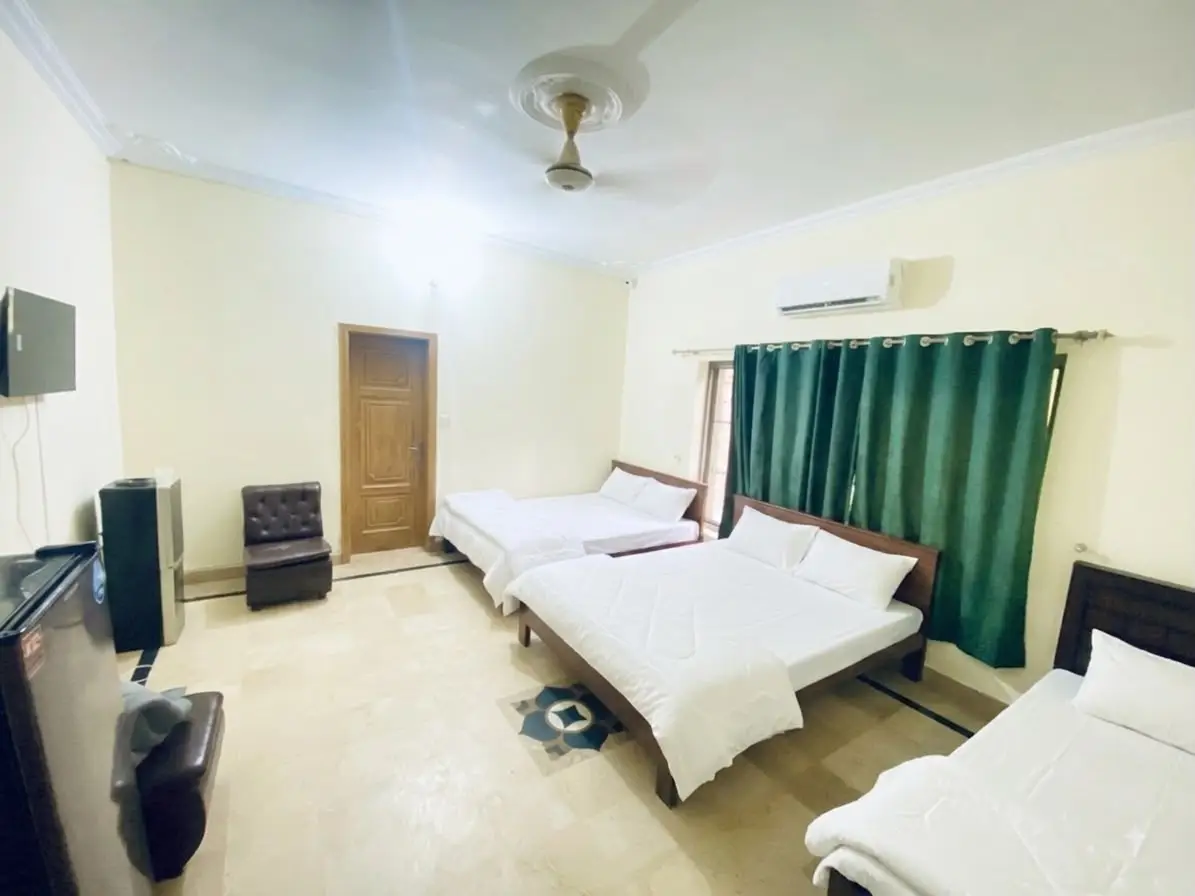
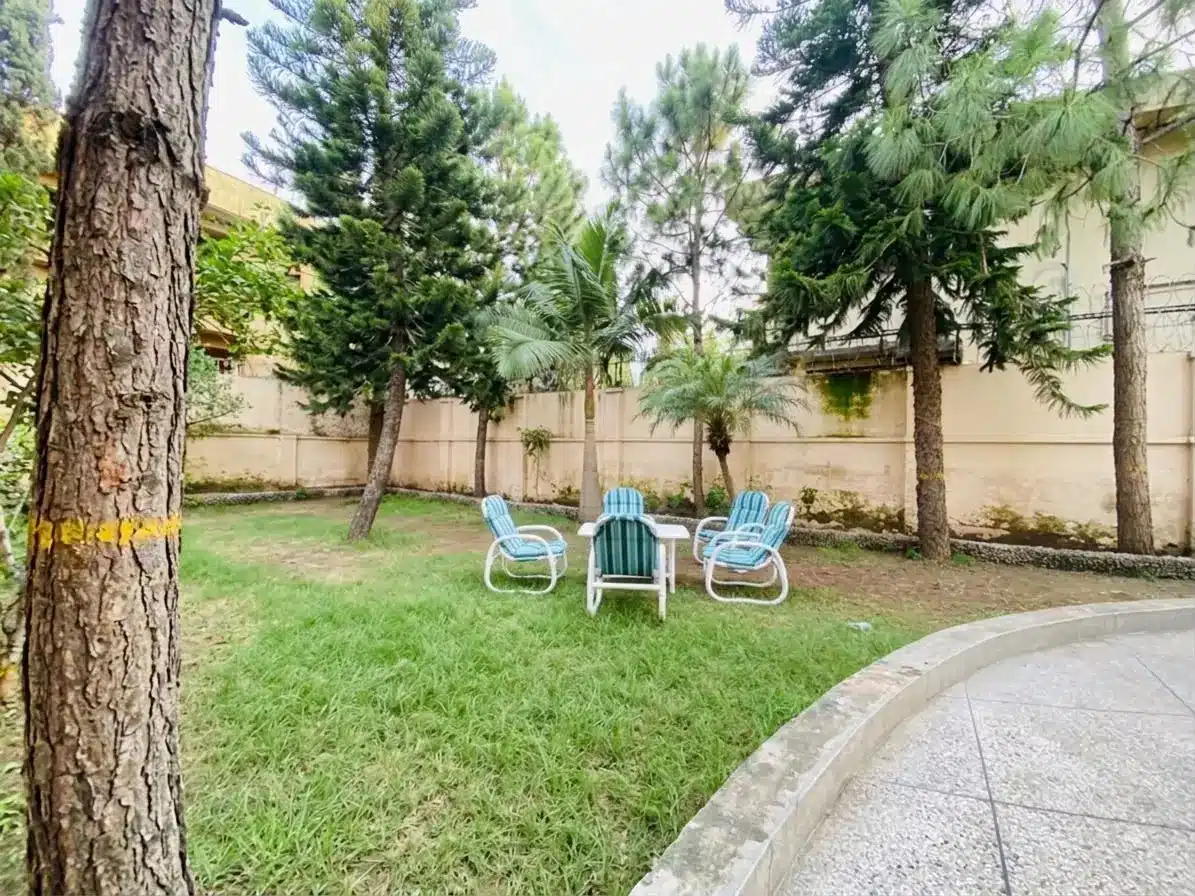
A calm, private and safe setting in Bani Gala, away from the noise and pressure that make symptoms worse.
Confidentiality
Strict privacy for patients and families, from the first call to long after discharge.
Safety
Round the clock supervision, careful medicine monitoring and a team trained to respond early.
Continuity
From first assessment to aftercare, the same team follows the patient, so nothing is lost between stages.
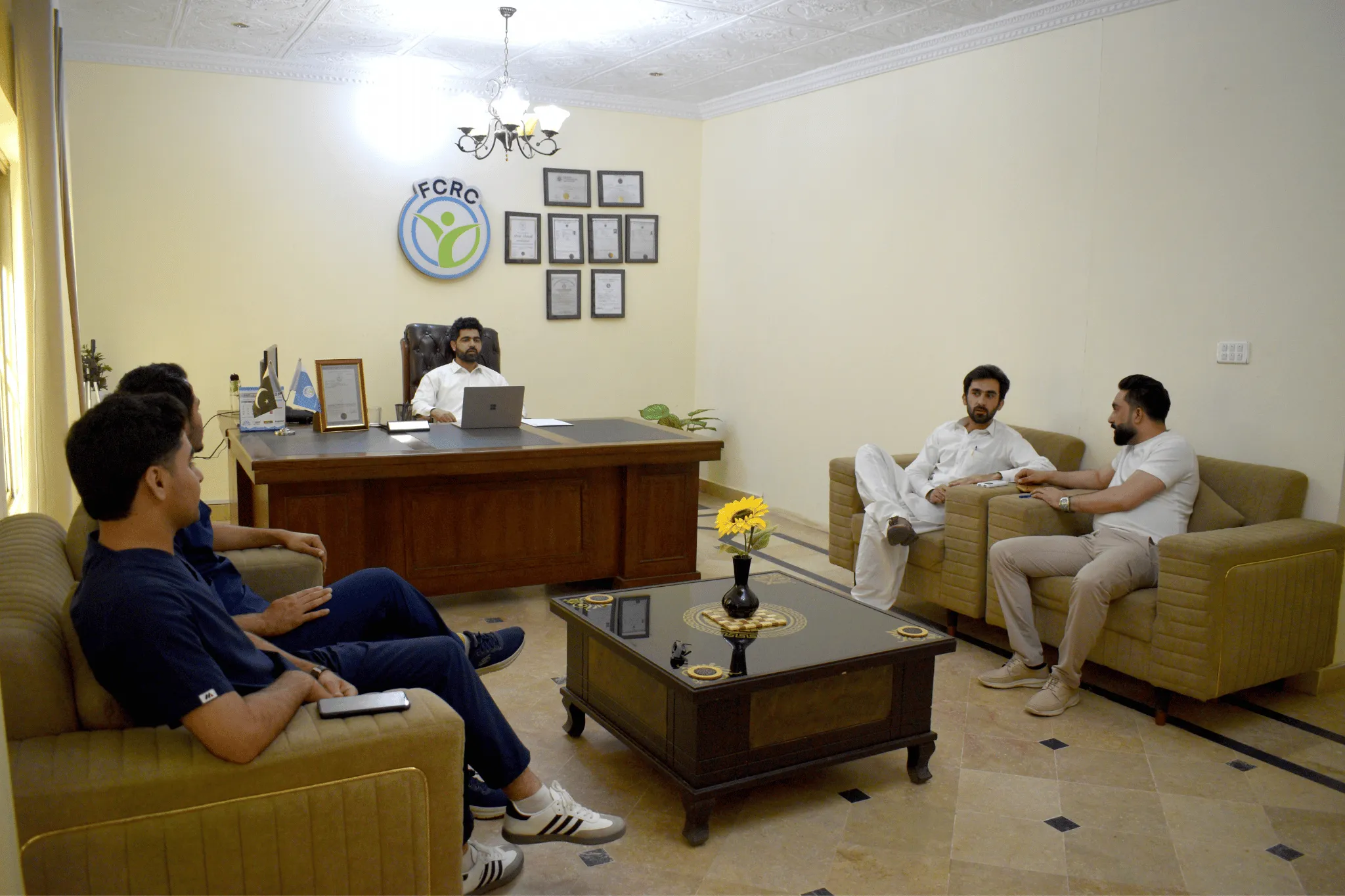
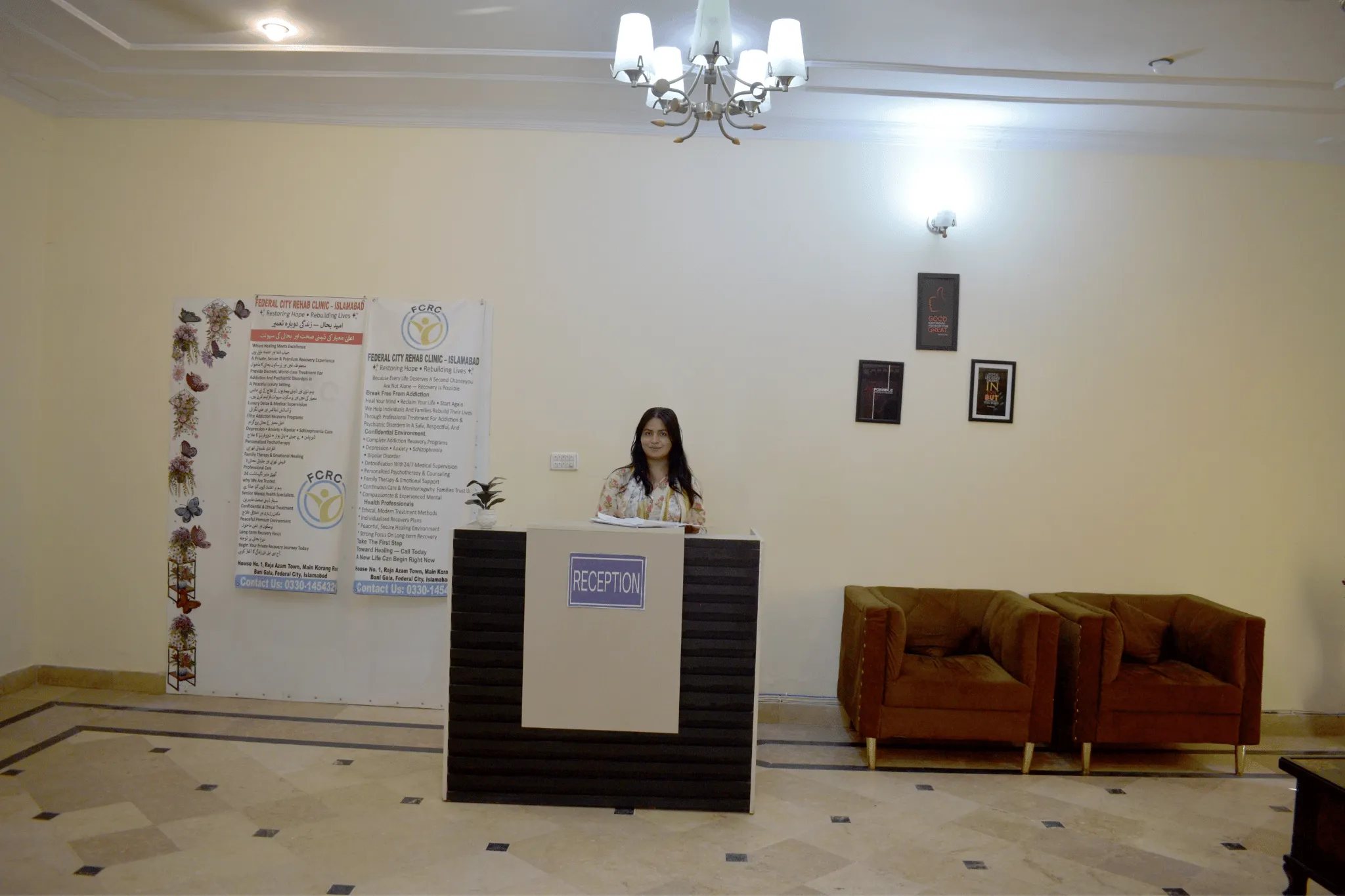
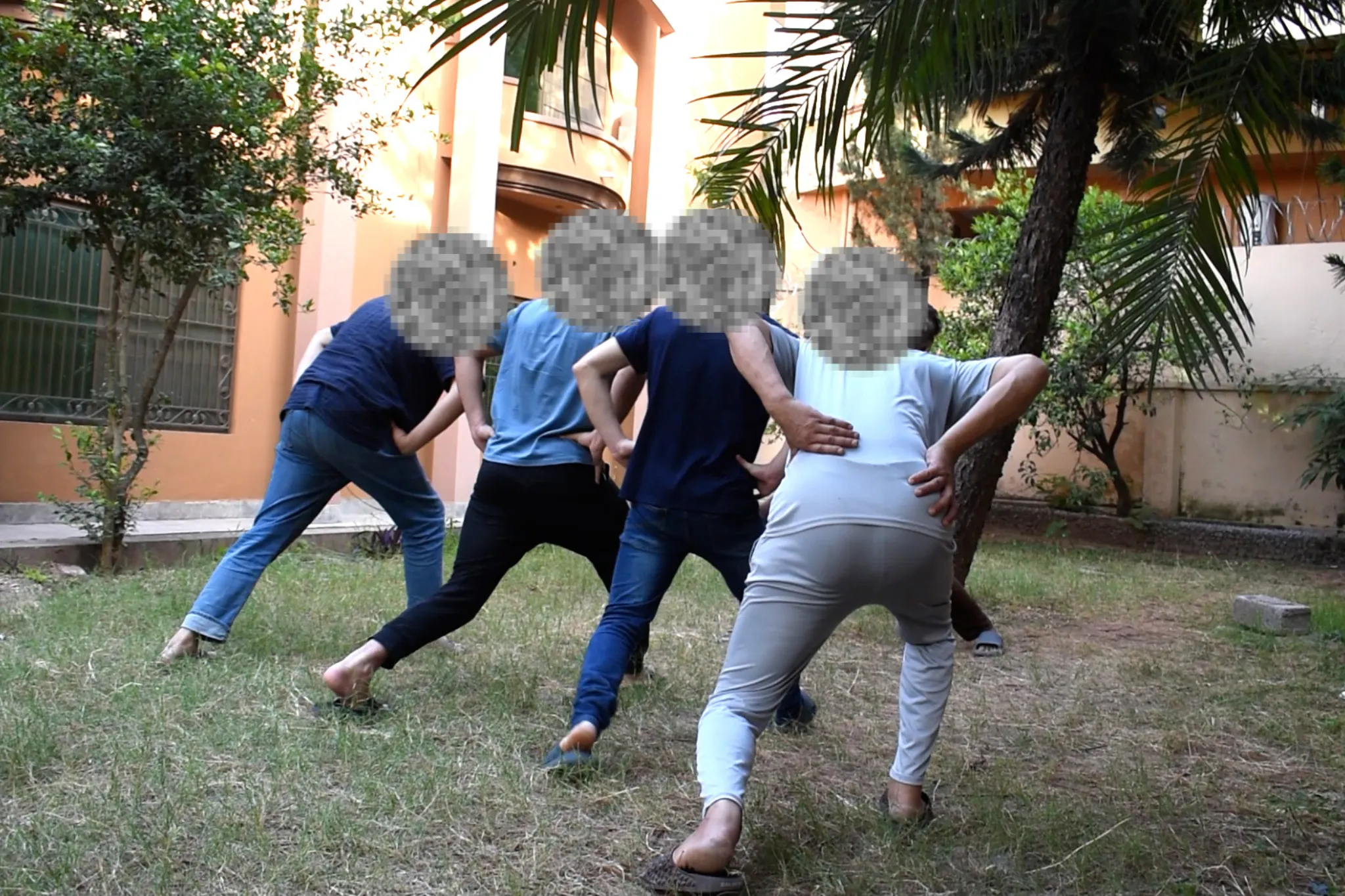
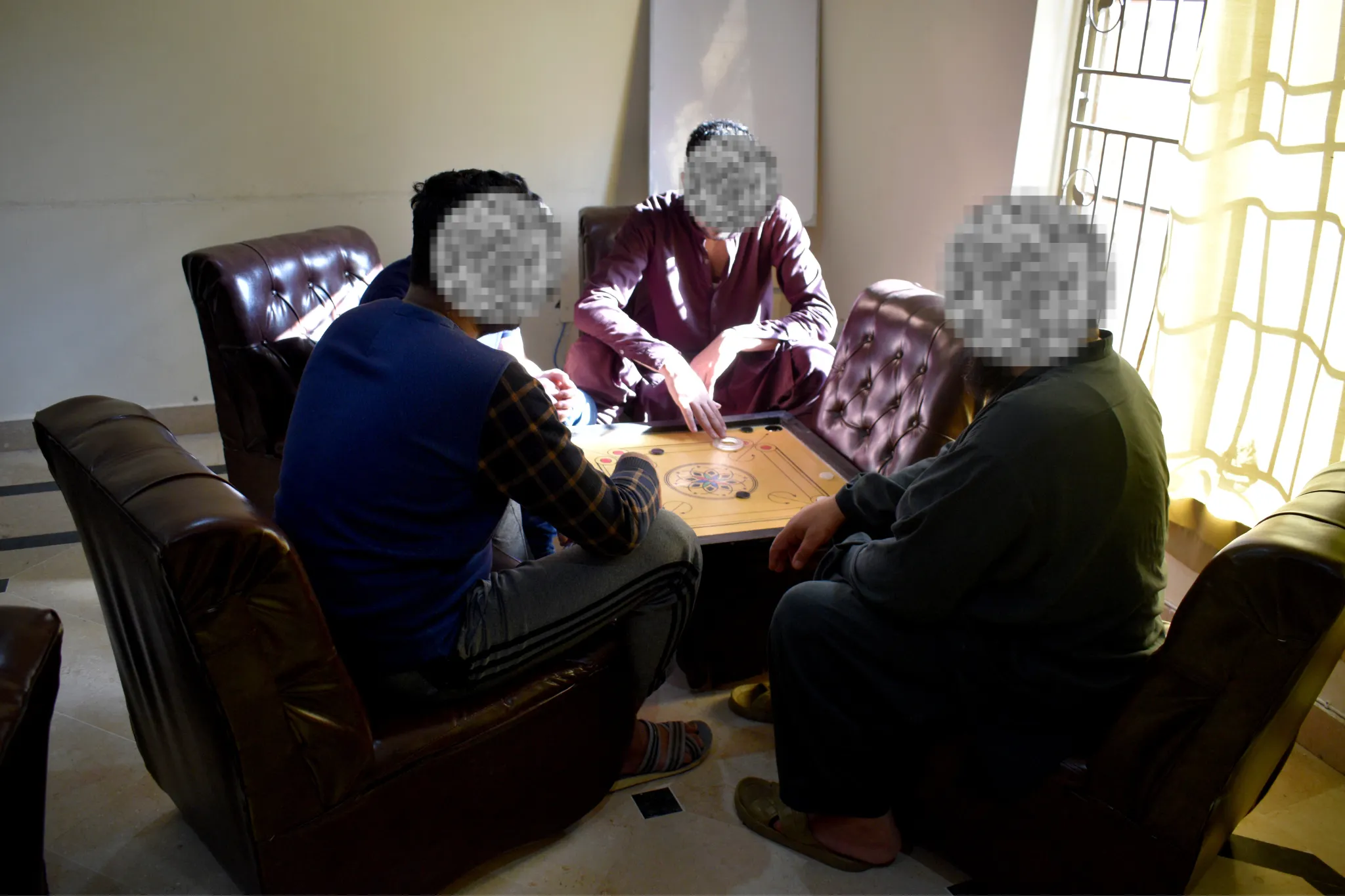
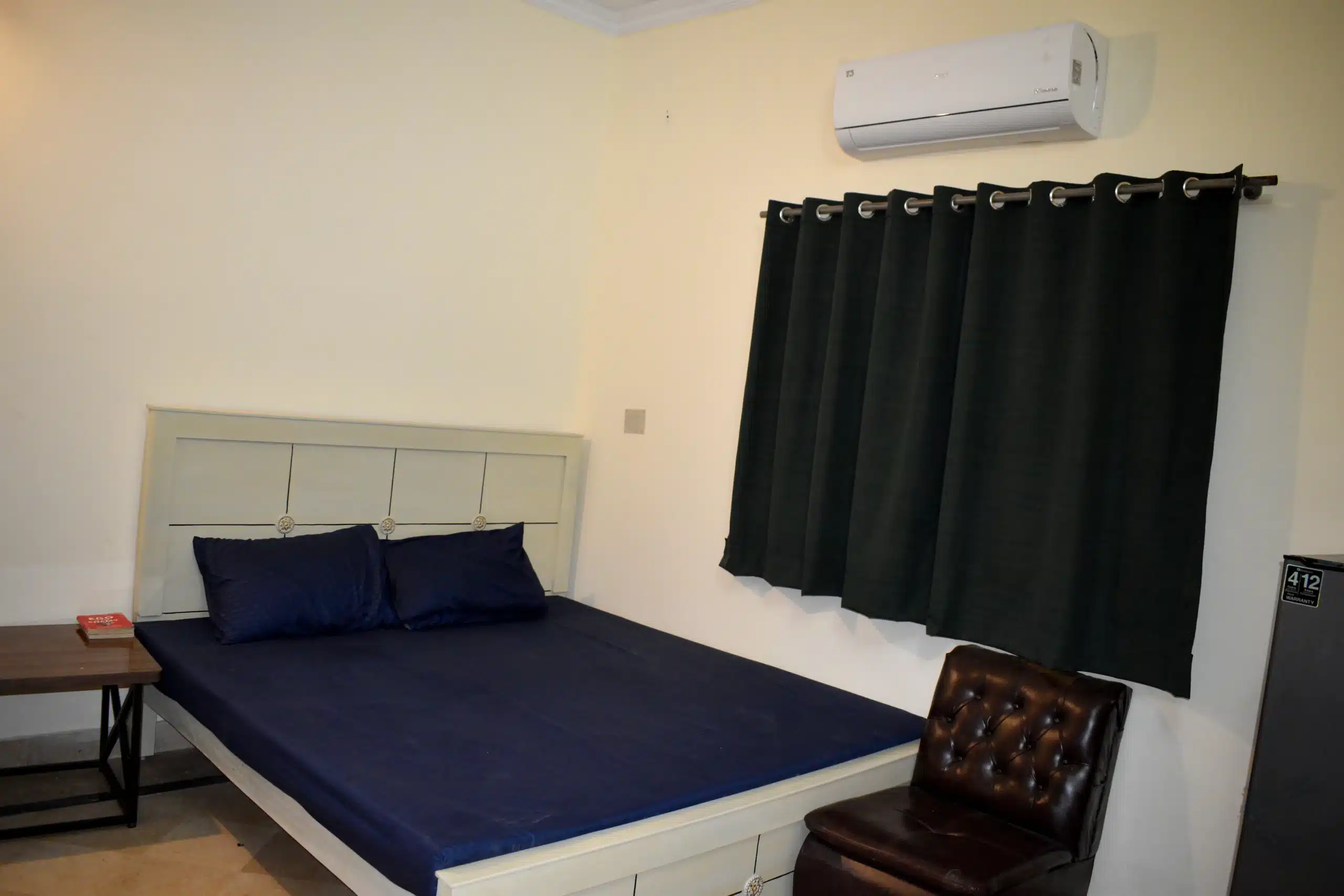
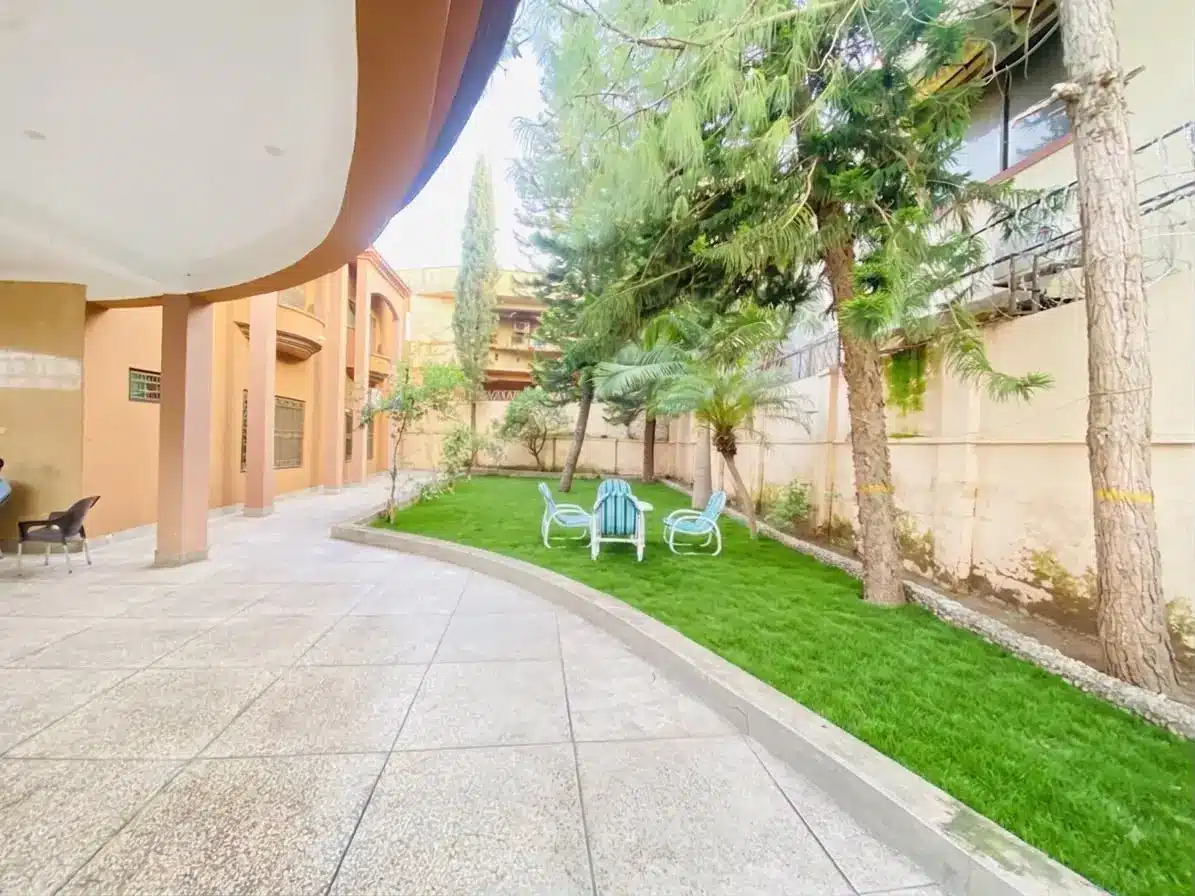
our facility
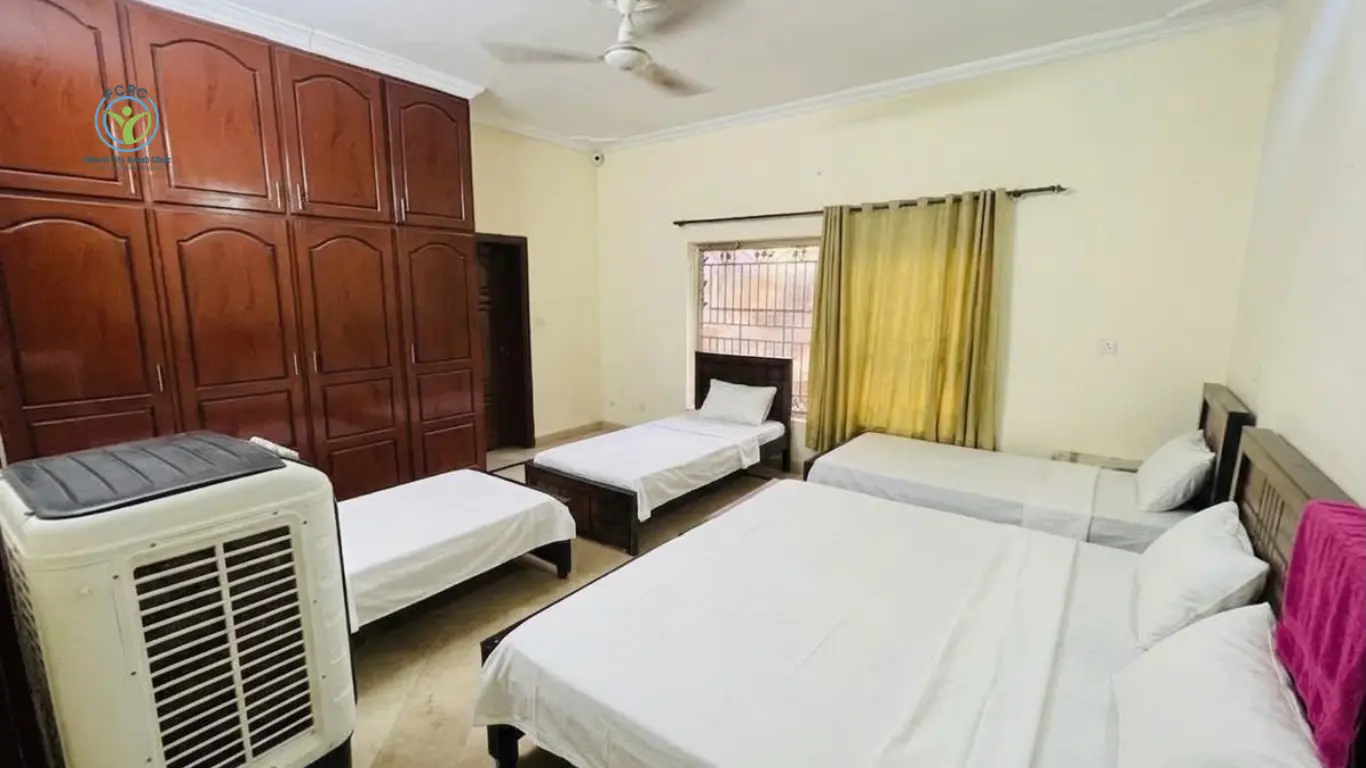
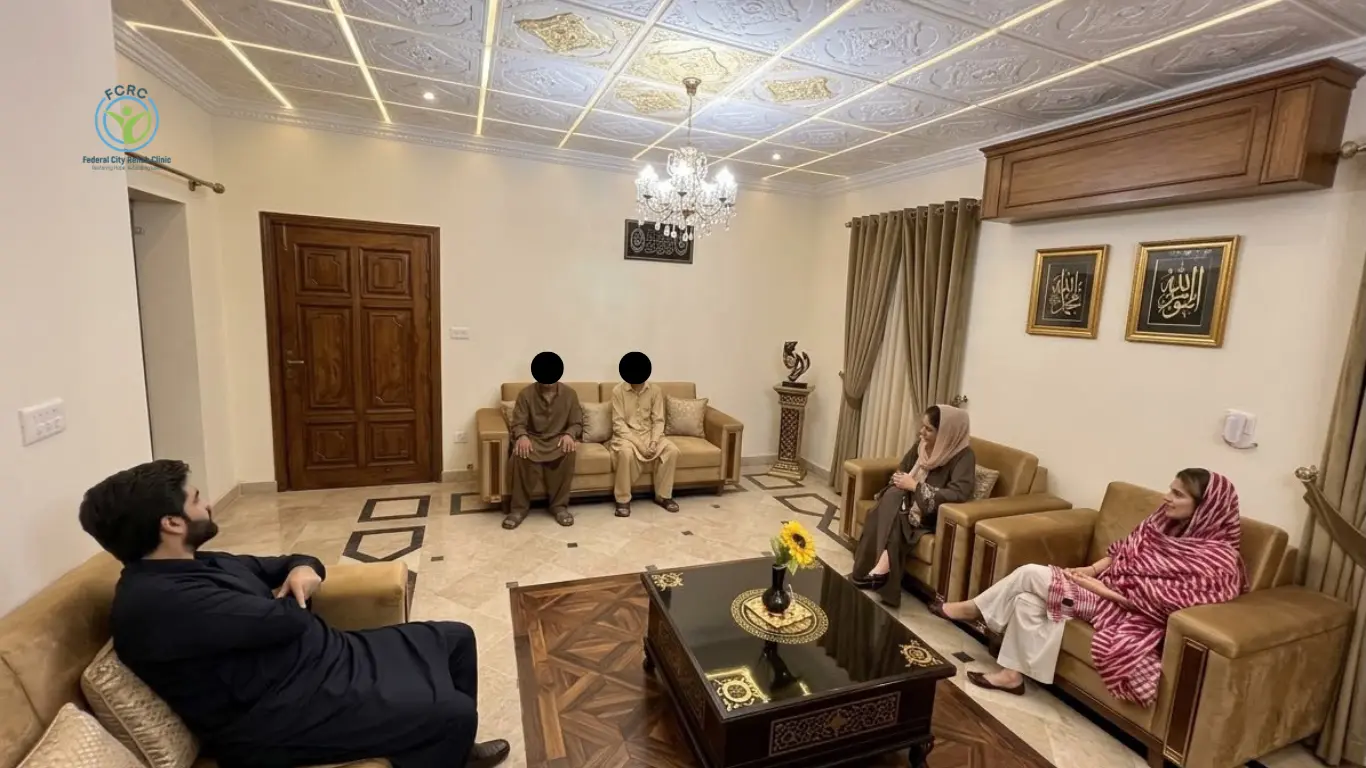
A Place Built for Healing


Who We Serve
- Adults and young adults with a first episode of psychosis or a long standing diagnosis
- Patients whose psychosis is linked to cannabis, ICE or other substances
- People with schizophrenia who also struggle with addiction
- Families looking for a second opinion or a clearer diagnosis
- Overseas Pakistanis arranging care for a relative in Islamabad (see our Rehabilitation for Overseas Pakistanis page)
frequently asked question
Can schizophrenia be cured?
Schizophrenia is usually managed over the long term rather than cured once and forgotten. But many people reach full remission, and with the right treatment most can return to family life, study or work.
Is schizophrenia caused by black magic, jinn or evil spirits?
No. It is a medical condition that comes from a mix of inherited and environmental factors. Prayer can bring real comfort to a family, and we encourage it, but it works best alongside proper psychiatric treatment.
Is schizophrenia the same as split personality?
No. This is a common misunderstanding. Schizophrenia affects how a person perceives reality and thinks. It does not create separate personalities.
Will my family member need medicine for life?
Many people need medicine for a long time, and some for life. The psychiatrist reviews the dose regularly and uses the lowest amount that works. Never stop medicine suddenly without medical advice.
How long do antipsychotics take to work?
Sleep and agitation often improve within days. Voices and fixed beliefs usually take several weeks to settle, and a medicine needs a fair trial before it is judged.
Are people with schizophrenia dangerous?
The great majority of people with schizophrenia are not violent. The risk is higher when the illness is untreated, and when drugs or alcohol are involved. This is one more reason to treat both early.
What if the patient refuses treatment or says they are not ill?
This is very common, because lack of insight is part of the illness. Please speak to our admissions team. We will guide you on how to approach your loved one safely and respectfully.
How long should a patient stay?
Stays usually start at 30 days, then 60 or 90 days and longer, depending on how the person responds. Outpatient care is also available.
Can family members visit during treatment?
Yes. Visits are arranged by coordinating with our team in advance, so that they support the patient’s recovery.
Can schizophrenia be treated at home or as an outpatient?
Sometimes, when symptoms are controlled, the home is supportive and the patient takes medicine reliably. For a first episode, severe symptoms, safety concerns or drug use, residential care is usually safer.
Can a person with schizophrenia study, work or marry?
Many can, with steady treatment and support. Recovery looks different for each person, and goals are best set step by step with the treating psychiatrist.
How much does treatment cost?
Cost depends on the length of stay, the level of care and the patient’s needs. Our admissions team will explain everything openly before admission.
Book Consultation
Take the First Step Today
You do not need to have everything figured out. You do not need to be certain. You only need to take one step, a conversation with our admissions team, and we will guide you from there at whatever pace feels right.
The team is available 24 hours a day, 7 days a week, 365 days a year. There is no pressure, no judgement and no obligation.
پہلا قدم صرف ایک فون کال ہے۔
0330 1454321
federalcityrehabclinc@gmail.com
Our location
House No. 1, Raja Azam Town, Main Korang Road, Bani Gala, Islamabad