Every patient who walks through our doors carries a story. These are a few of the stories that walked back out, rebuilt, restored, and renewed. Names and details shared with full consent.
 Posted on Google
 Muhammad Umer
Trustindex verifies that the original source of the review is Google.
One the best rehab center in the peace of bani gala, Islamabad. 10/10Posted on Google Muhammad Ibrahim AfzalThe best addiction center in Islamabad. A friend of mine was admitted here and they provided the service.Posted on Google
 MALANG BROTHERSThe staff was professional, supportive, and respectful. The environment was comfortable and the overall experience was very good. I appreciate the team’s dedication and carePosted on Google
 Khan KhanBest facility for drug addiction treatmentPosted on Google
 Fozia Fozia khanMy experience at Federal City Rehab Clinic has been genuinely positive. The therapeutic environment is calm and well-suited to patient recovery, promoting both psychological and physical wellbeing. The clinical staff demonstrate a high level of professionalism, with consistent, patient-centered care. Medication administration and treatment protocols are followed with appropriate diligence, ensuring timely and accurate delivery of prescribed care. Hygiene and sanitation standards are well maintained throughout the facility, reflecting strong infection-control practices. Nutritional care is also handled thoughtfully, with meals catering appropriately to patient requirements. Overall, FCRC operates as a well-managed, clinically sound rehabilitation facility. Highly recommended.Posted on Google
 Malang JanExcellent rehabilitation center with professional staff, quality treatment, and compassionate care.Posted on Google
 M JHighly recommended for excellent treatment, caring staff, and quality patient care.Posted on Google
 Muhammad IlyasI have such great experiences here ! Very professional and authentic approach towards patient and families. Recommended for addictions and psychological treatmentPosted on Google
 Hidayat KingI had a very positive experience with this rehabilitation center. The staff are caring, respectful, and available whenever patients need support. The doctors, psychologists, and medical team are highly professional and genuinely dedicated to helping people recover. The environment is clean, safe, and peaceful. Patients receive their medications on time, nutritious meals are provided regularly, and daily therapy and activities are well organized. I highly recommend this rehabilitation center to anyone looking for quality care and a supportive recovery environment.Verified by TrustindexTrustindex verified badge is the Universal Symbol of Trust. Only the greatest companies can get the verified badge who has a review score above 4.5, based on customer reviews over the past 12 months. Read more
Dr. Kifayat Ullah
MBBS, PhD (Public Health), MPH
0330 1454321
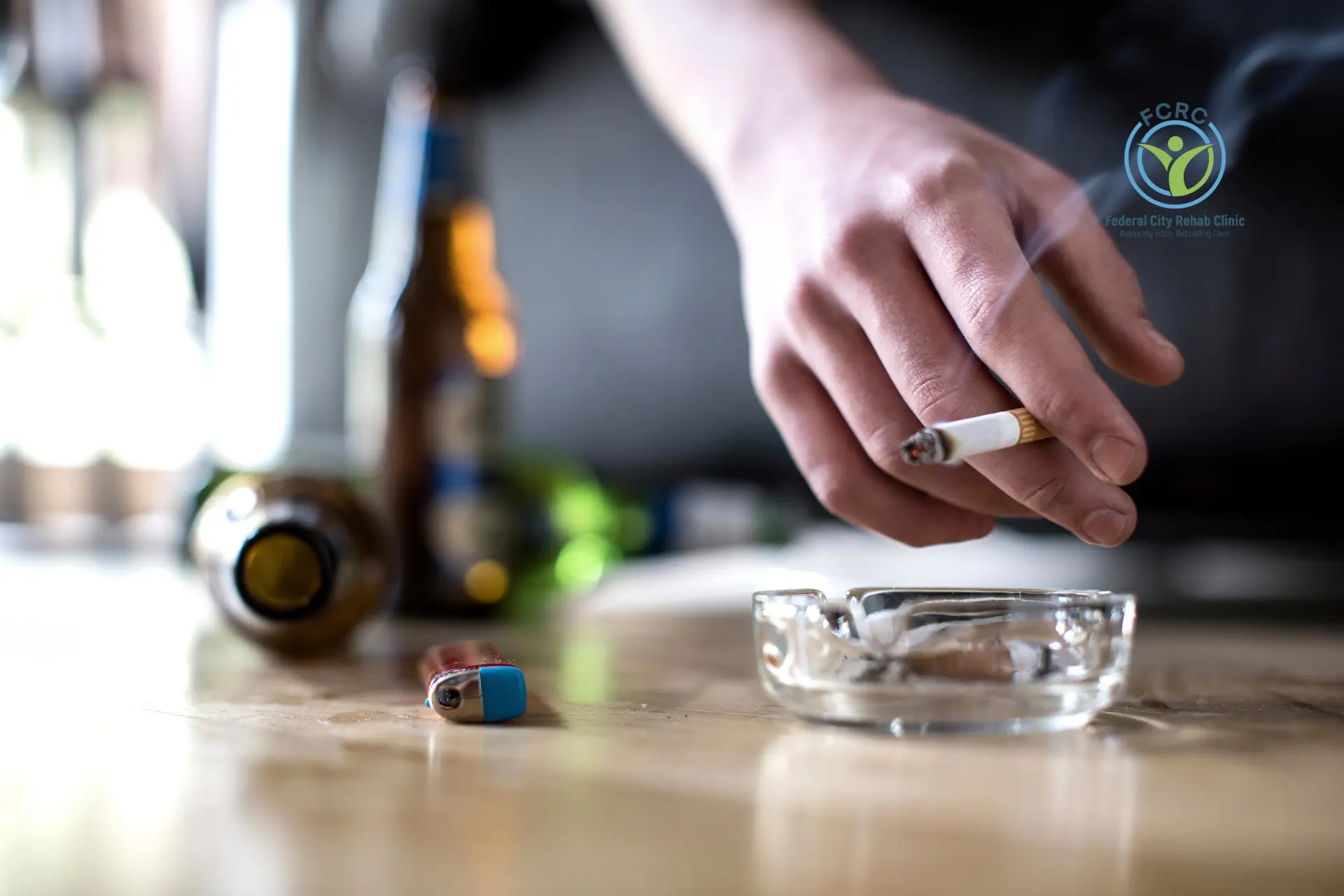
Alcohol addiction is one of the most misunderstood conditions in Pakistan. Because alcohol use carries significant social stigma, those who develop dependency often suffer in silence for years; hiding the extent of their use, managing the consequences alone, and delaying treatment far longer than they should.
If you are on this page, that silence may be ending. You are looking for help, for yourself or for someone you love. That decision matters, and you are in the right place.
At Federal City Rehab Clinic, we provide comprehensive, medically supervised alcohol addiction treatment in Islamabad, delivered with complete confidentiality, genuine clinical expertise, and the compassion that every patient deserves. We understand the social sensitivities around alcohol use in Pakistan, and we honour them absolutely. No judgement. No shame. Just expert care.
Whatever the duration of the dependency. Whatever has been tried before. Recovery is possible and FCRC is here to make it real.
Alcohol use disorder is a recognised medical condition, not a moral failing, not a lack of willpower, and not something that can be resolved simply by deciding to stop. According to the World Health Organization, alcohol causes more than 3 million deaths globally each year and is a leading contributor to disability, family breakdown, and mental health disorders worldwide.
Physical dependency on alcohol develops through a process of neurological adaptation. The brain adjusts to the constant presence of alcohol by altering its own chemistry, reducing the production of inhibitory neurotransmitters and increasing excitatory activity to compensate. When alcohol is removed, this chemical imbalance produces the withdrawal syndrome and it is this syndrome that makes alcohol one of the most medically dangerous substances to withdraw from without professional supervision.
Unlike most other substances, alcohol withdrawal can be life-threatening. Seizures, delirium tremens, severe cardiovascular instability, and in serious cases, death are all documented consequences of unsupervised alcohol withdrawal. This is the most important reason why anyone with significant alcohol dependency must never attempt to stop without medical support.
Many people with alcohol use disorder do not recognise the extent of their dependency or minimise it to themselves and those around them. The following signs are clinically recognised indicators that professional help is needed.
If any of these patterns are present, professional assessment is strongly recommended. FCRC’s clinical team is available for a confidential consultation at any time.
This point cannot be emphasised strongly enough. Alcohol withdrawal is medically unique among substance withdrawal syndromes in its potential for life-threatening complications.
The Mayo Clinic identifies alcohol withdrawal seizures and delirium tremens; a severe withdrawal state involving confusion, hallucinations, and dangerous cardiovascular instability as serious medical emergencies that require immediate clinical intervention. These complications can develop within 24 to 72 hours of the last drink in patients with significant alcohol dependency.
Attempting to manage alcohol withdrawal at home however well-intentioned is genuinely dangerous. Professional medical supervision is not a preference for alcohol detox. It is a clinical necessity.
At FCRC, all alcohol detoxification is conducted under 24/7 medical supervision. Our clinical team monitors every patient continuously throughout the detox period, manages withdrawal symptoms with evidence-based medication protocols, and responds immediately to any complications. Patient safety during detox is the absolute first priority.
Because trust, experience, and results matter most. (اس لیے کہ اعتماد، تجربہ اور نتائج سب سے اہم ہیں۔)
Expert Care
Patients Treated
Always Available
Bani Gala’s clean air and mountain calm create a recovery setting that no urban facility can match.
Board-certified psychiatrists and addiction specialists, decades of expertise, one purpose.
Nothing shared without your consent. Your secret is safe here.
آپ کی رازداری ہمارے لیے مقدس ہے
Round-the-clock medical monitoring from admission to discharge.



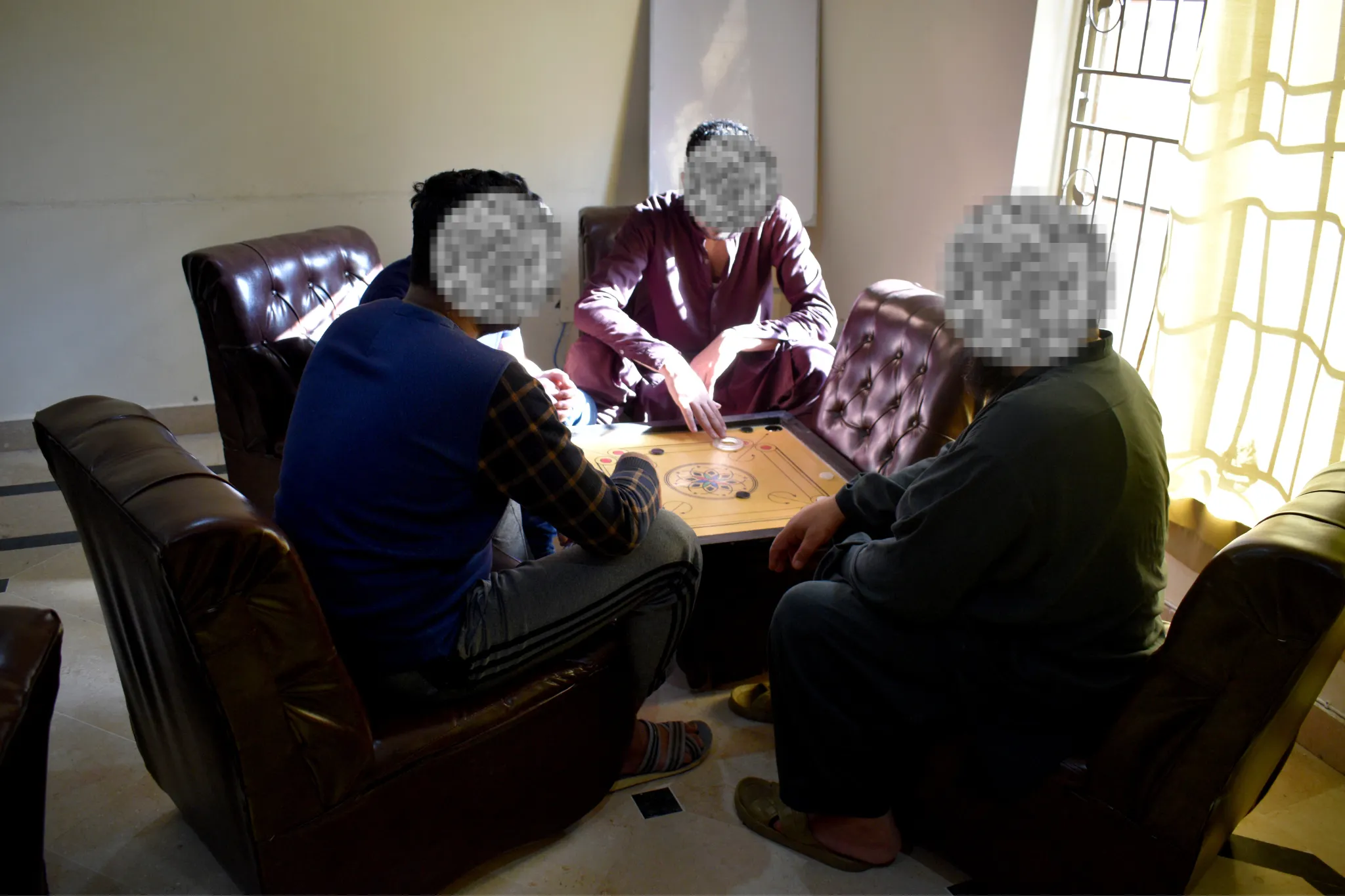


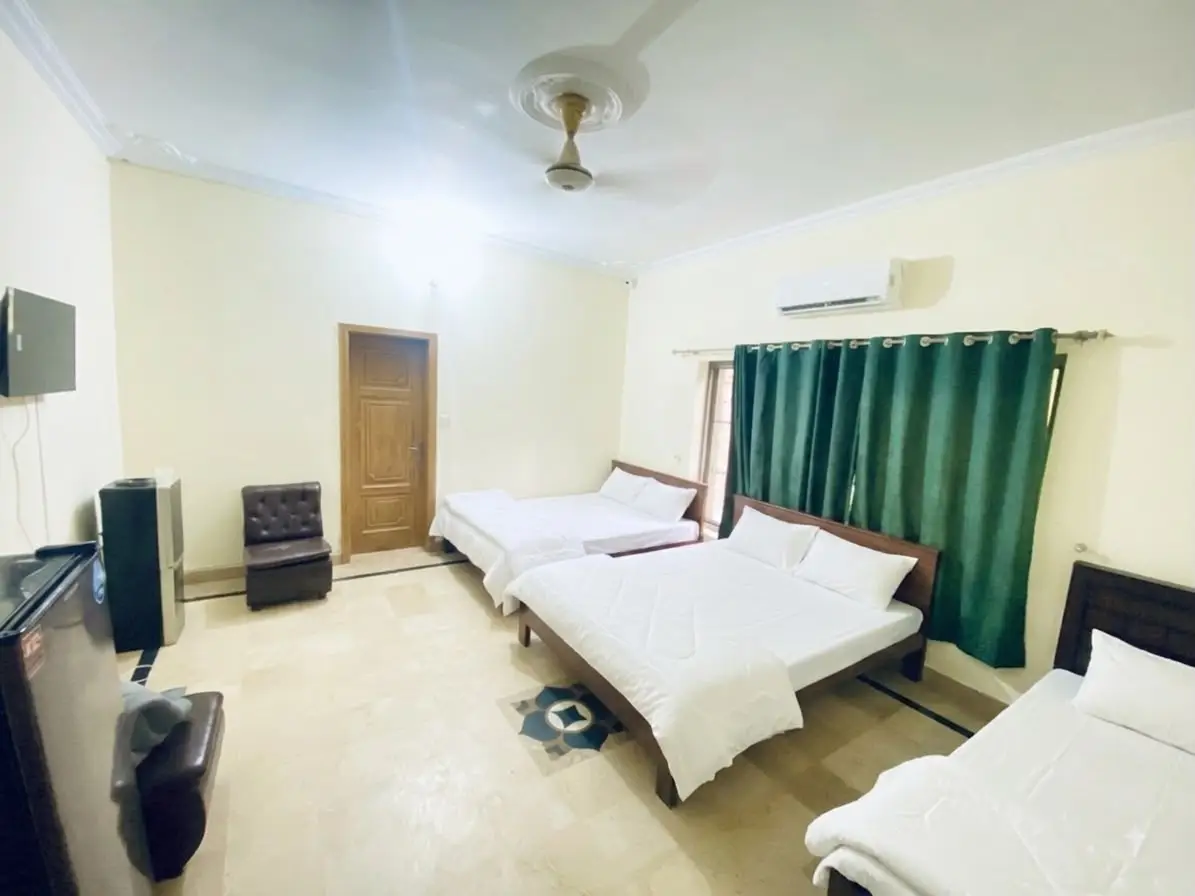
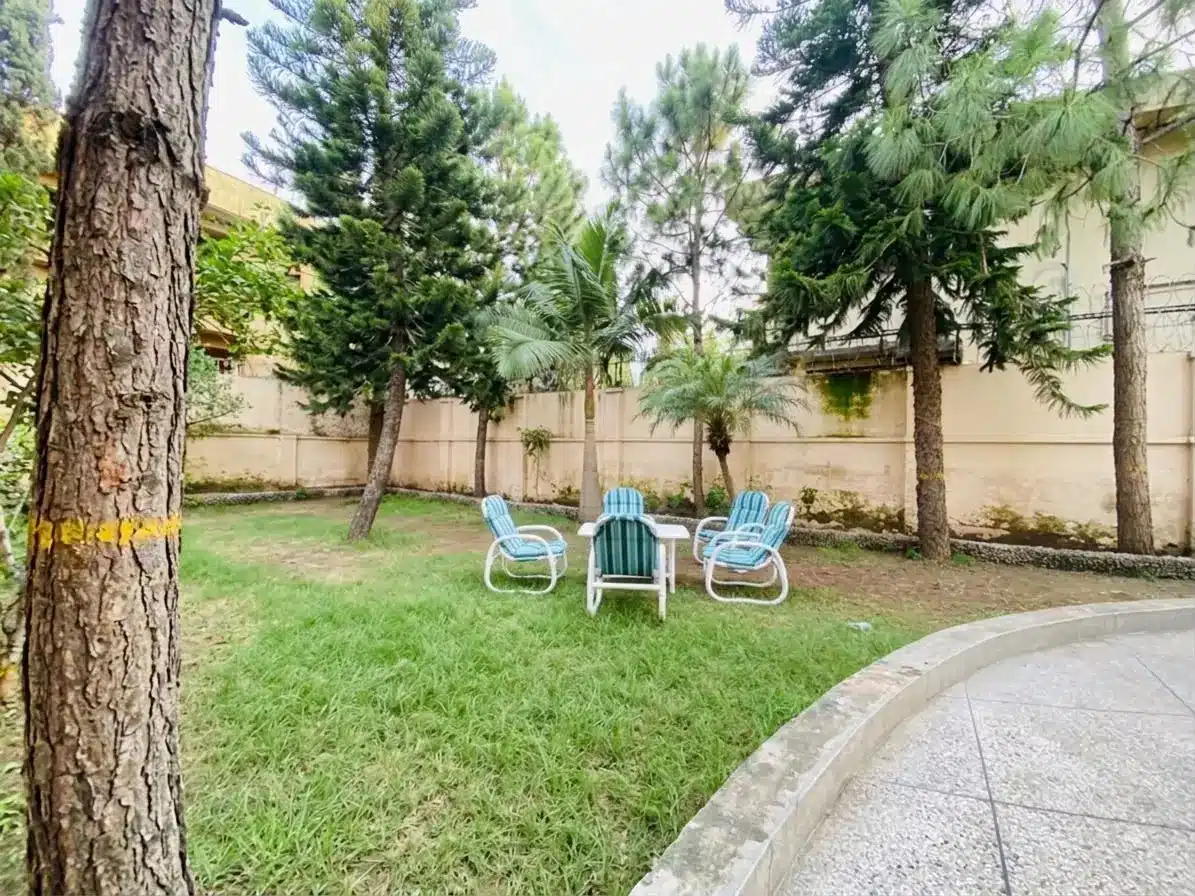

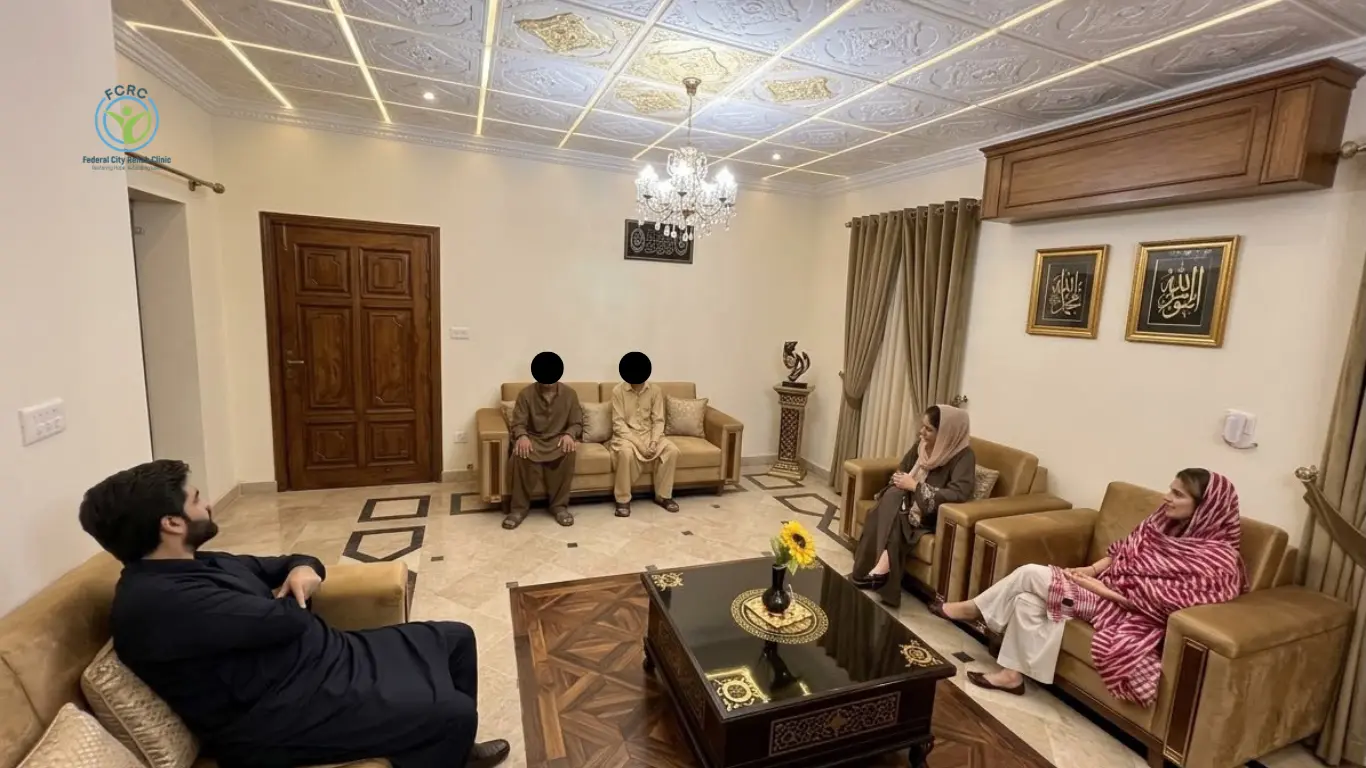
FCRC provides alcohol addiction treatment for patients from across Pakistan. We regularly admit patients from
For out-of-city patients, our admissions team provides full transport coordination and a discreet, professionally managed arrival process.
We operate a dedicated female rehabilitation programme for women who require a gender-specific care environment, with female clinical staff, gender-sensitive therapy, and absolute privacy.
FCRC’s alcohol addiction treatment programme follows a structured, clinically proven pathway, personalised to every patient’s individual circumstances and needs.
01
Every treatment journey begins with a thorough clinical assessment by our medical and psychiatric team. This covers the patient’s full history of alcohol use, their current physical health, including liver function, cardiovascular status, and nutritional condition, their mental health, their family situation, and their personal goals for recovery.
Alcohol dependency frequently causes significant physical health consequences that must be identified and managed alongside the addiction itself. Our assessment ensures nothing is missed and every aspect of the patient’s health is addressed within the treatment plan.
02
Following assessment, patients begin a medically supervised detoxification programme tailored to their specific withdrawal profile. FCRC’s detox protocols are evidence-based and designed to manage the withdrawal process as safely and comfortably as possible.
Where clinically indicated, medication including benzodiazepines for seizure prevention and symptom management, thiamine supplementation to prevent neurological complications, and other supportive treatments is used to stabilise the patient’s condition throughout detox. Medical staff are present and monitoring around the clock.
03
Following stabilisation, patients engage in FCRC’s intensive therapeutic programme, the core of the recovery process. Evidence-based psychological therapies are delivered by our licensed clinical psychologists and therapists.
Cognitive Behavioural Therapy (CBT) helps patients identify the triggers, thought patterns, and emotional states that drive alcohol use.
Motivational Interviewing builds and strengthens the patient’s internal commitment to recovery.
Group therapy provides peer connection, shared accountability, and therapeutic experience of being understood by others who have faced the same struggle.
Trauma-informed therapy addresses the underlying pain loss, abuse, chronic stress, unresolved grief.
Spiritual counselling integrates faith and values into the recovery process for patients who wish it.
04
Alcohol use disorder and mental health conditions are deeply interconnected. Depression, anxiety, PTSD, and bipolar disorder are all significantly more prevalent among people with alcohol dependency than in the general population and in many cases, untreated mental health conditions are the primary driver of alcohol use.
According to SAMHSA, co-occurring mental health and substance use disorders must be treated simultaneously for either condition to be effectively managed. At FCRC, all patients receive a comprehensive psychiatric assessment, and co-occurring conditions are treated within the same integrated programme. This dual diagnosis approach produces significantly better outcomes than treating alcohol dependency alone.
05
Alcohol dependency rarely affects only the person drinking. It reshapes family dynamics, erodes trust, creates financial strain, and leaves lasting emotional impact on spouses, children, and parents. At FCRC, family members are not peripheral to the treatment process, they are central to it.
Our family therapy programme helps loved ones understand the nature of alcohol use disorder, process their own emotional responses, establish healthy boundaries, and become effective partners in their family member’s recovery. For many patients, rebuilding family relationships is the most powerful motivation for sustained sobriety.
06
Before every patient is discharged, they complete a comprehensive relapse prevention programme, identifying their personal high-risk situations, triggers, and coping strategies, and establishing a structured post-discharge support plan. Every patient leaves FCRC with a written, personalised aftercare plan.
The FCRC team remains available to all former patients for follow-up support, guidance, and re-assessment after discharge. Our relationship with patients does not end on the day they leave the facility.
is available for patients with lower-severity alcohol dependency and a strong, supportive home environment, or as a step-down pathway following the completion of a residential programme. Our clinical team will recommend the most appropriate option following the initial assessment.
FCRC offers alcohol addiction treatment through both residential inpatient and structured outpatient formats.
is strongly recommended for moderate to severe alcohol dependency, particularly given the medical risks of alcohol withdrawal and the importance of removing patients from the environments and triggers that sustain drinking. Patients live within FCRC’s Bani Gala facility for 30, 60, or 90 days, immersed in a structured daily programme of medical care, therapy, and wellness activities in a safe, controlled environment.
You do not need to have everything figured out before reaching out. You do not need to be certain. You do not need to have made a final decision.
You simply need to take one step, a conversation with our admissions team. From there, we will guide you through everything at whatever pace feels right for you.
FCRC’s admissions team is available 24 hours a day, 7 days a week, 365 days a year. There is no pressure, no judgement, and no obligation.
0330 1454321
federalcityrehabclinc@gmail.com
Our location
House No. 1, Raja Azam Town, Main Korang Road, Bani Gala, Islamabad
Yes. Alcohol withdrawal is one of the few substance withdrawal syndromes that can be life-threatening without medical management. Seizures and delirium tremens are serious medical emergencies that can develop within 24 to 72 hours of the last drink in dependent patients. Professional medical supervision is essential.
FCRC offers 30, 60, and 90-day residential programmes, with extended options for complex cases. The medically supervised detox phase typically lasts five to ten days. The appropriate total programme duration is determined by clinical assessment.
Completely. No information about any patient is ever shared without explicit written consent. Patients may enquire anonymously before making any decision. All staff are professionally and contractually bound to strict confidentiality.
Yes. FCRC specialises in dual diagnosis treatment, identifying and treating co-occurring mental health conditions alongside alcohol dependency within a single integrated programme.
Yes. Family visits are encouraged and scheduled in coordination with the clinical team. Family therapy sessions are integrated into all FCRC programmes.
WhatsApp us