Depression Treatment in Pakistan: Signs, Types, and How to Get Help
Depression is not sadness. This is the most important thing to understand about the condition, and it is the misunderstanding that causes the most harm in Pakistan.
Sadness is a natural, temporary human emotion that arises in response to loss, disappointment, or difficult circumstances. It passes with time. Depression is a medical condition that changes the chemistry and function of the brain, producing a persistent state of low mood, emptiness, and inability to experience pleasure that does not pass with time and does not resolve through effort, positive thinking, or the removal of the circumstances that may have triggered it.
When families tell someone with depression to cheer up, pray harder, or count their blessings, they are responding to what they believe is sadness. What they are actually dealing with is a neurological condition that requires clinical treatment, in the same way that telling someone with pneumonia to breathe deeper does not address the infection causing their symptoms.
Pakistan has among the highest rates of depression in the region, yet treatment rates remain critically low. This guide explains what depression is, how to recognise it, what causes it, what the treatment options are, and how to access appropriate help in Pakistan.
What Is Depression?
Depression, clinically known as major depressive disorder, is a mental health condition characterised by persistent low mood, loss of interest or pleasure in activities that were previously enjoyable, and a range of cognitive, physical, and behavioural symptoms that significantly impair daily functioning.
The World Health Organization identifies depression as a leading cause of disability worldwide, affecting an estimated 280 million people globally. It is not a sign of weakness, a character flaw, or a failure of faith. It is a medical condition with a well-understood neurobiological basis and effective treatments.
In Pakistan, research published in the Journal of Pakistan Medical Association estimates that depression affects between 10 and 34 percent of the general population, with rates higher in urban populations, women, and people experiencing chronic stress or economic hardship. Despite this prevalence, the vast majority of people with depression in Pakistan never receive appropriate treatment.
Signs of Depression
Recognising depression requires looking beyond low mood alone. The full clinical picture of depression involves a cluster of symptoms across multiple domains that persist for at least two weeks and represent a change from the person’s previous functioning.
Emotional Signs
Persistent low mood or emptiness that does not lift, loss of interest or pleasure in activities that were previously enjoyed, feelings of worthlessness or excessive guilt, hopelessness about the future, and in some cases persistent irritability or agitation rather than sadness.
It is worth noting that depression does not always present as tearfulness or obvious sadness. Some people, particularly men in Pakistani society, present primarily with irritability, anger, physical complaints, or withdrawal rather than expressed sadness. This presentation is no less a depression and no less deserving of clinical attention.
Cognitive Signs
Difficulty concentrating or making decisions, slowed thinking, memory difficulties, and persistent negative thoughts about oneself, the world, and the future. In severe cases, thoughts of death or suicide may be present. If the person is having thoughts of harming themselves or ending their life, this is a psychiatric emergency requiring immediate professional assessment.
Physical Signs
Significant changes in sleep, either insomnia or sleeping far more than usual. Changes in appetite and weight, either significant reduction or increase. Persistent fatigue and loss of energy that does not improve with rest. Unexplained physical symptoms including headaches, chronic pain, and digestive problems that have no clear medical explanation.
Behavioural Signs
Withdrawal from social contact and previously enjoyed activities. Neglect of work, studies, and daily responsibilities. Reduced personal hygiene and self-care. In some cases, increased use of alcohol or other substances as a way of managing the emotional pain of depression.
Types of Depression
Depression is not a single, uniform condition. Understanding the different presentations helps ensure that the right treatment approach is applied.
Major Depressive Disorder
The most common form of clinical depression, involving episodes of significant depressive symptoms lasting at least two weeks and representing a clear change from normal functioning. Episodes may be single or recurrent, and severity ranges from mild to severe.
Functional Depression
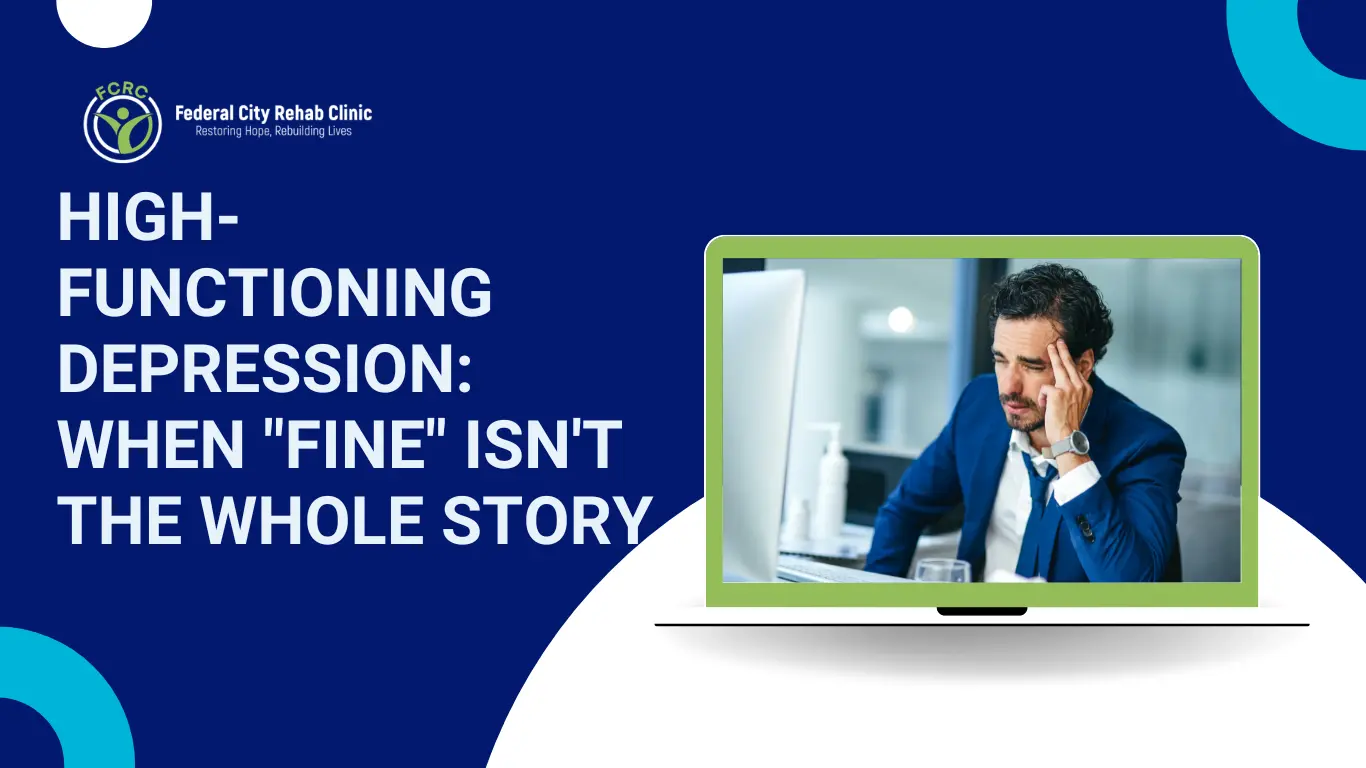
Functional depression, sometimes called high-functioning depression or dysthymia in its persistent form, describes a presentation in which the person continues to meet their daily obligations while living with significant and persistent depressive symptoms. They go to work, maintain their responsibilities, and appear to function, but they are doing so under the weight of a depression that depletes their energy, reduces their quality of life, and progressively erodes their wellbeing.
Functional depression is frequently unrecognised precisely because the person appears to be managing. Families and the individuals themselves often discount the severity of the symptoms because the person has not stopped functioning. The absence of obvious functional collapse does not mean the depression is mild or that treatment is not needed. Sustained functional depression carries significant risks including eventual breakdown, worsening into more severe depression, and substantially reduced quality of life over years or decades.
Persistent Depressive Disorder (Dysthymia)
A form of depression characterised by depressive symptoms that are less severe than major depression but persist for two years or more. People with dysthymia often describe their low mood as simply how they are rather than recognising it as a condition, which delays treatment significantly.
Depression with Anxiety
Depression and anxiety co-occur extremely commonly. Research published in JAMA Psychiatry indicates that more than half of people with major depression also meet criteria for an anxiety disorder. When both are present, treatment must address both conditions, as treating only one leaves a major driver of the other unaddressed.
Depression and Addiction
The relationship between depression and addiction is bidirectional and common. People with depression often use substances, particularly alcohol, cannabis, and opioids, to manage their symptoms. Sustained substance use worsens depression through its effects on brain chemistry. Both conditions require treatment simultaneously. Our Dual Diagnosis Program is designed precisely for this situation, providing integrated treatment for depression and addiction within a single clinical framework.
Postnatal Depression
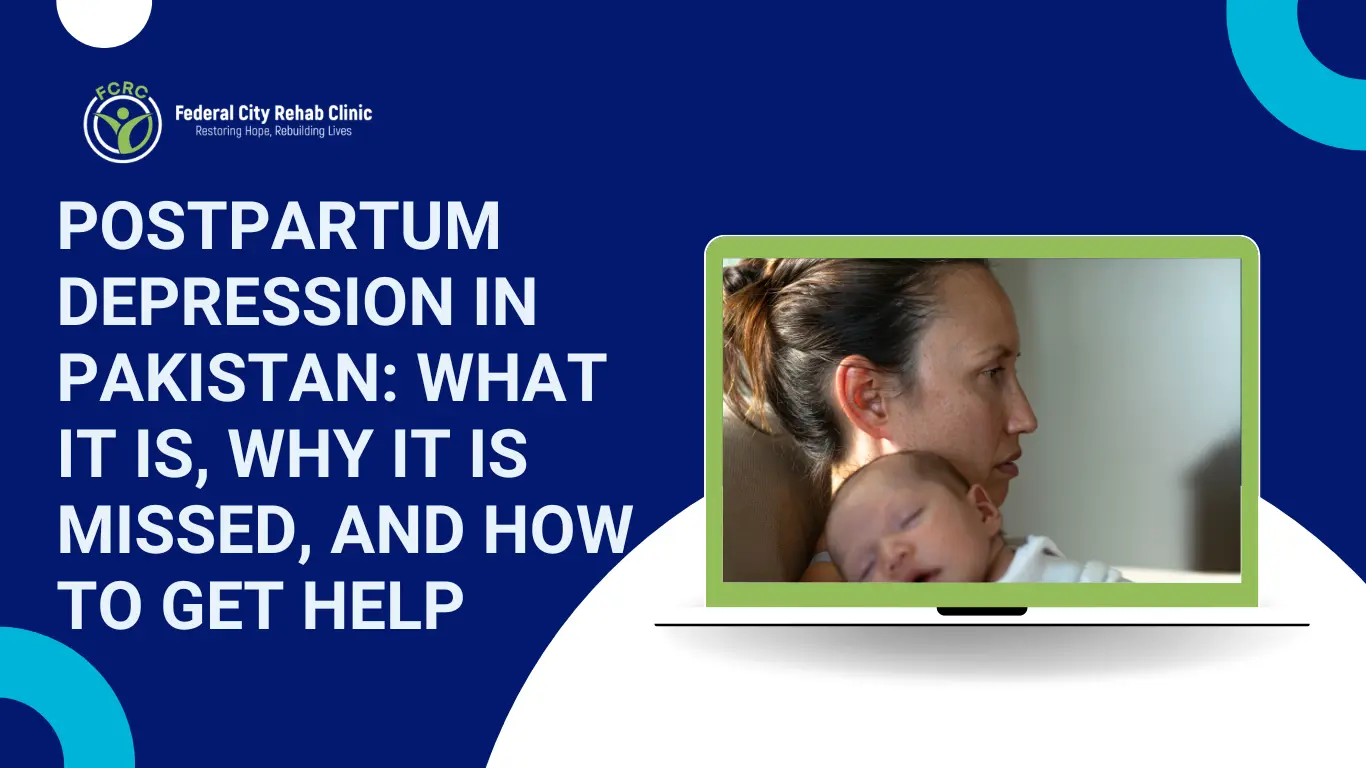
Depression occurring in the weeks and months following childbirth is common, clinically significant, and seriously undertreated in Pakistan. Postnatal depression is distinct from the brief period of emotional adjustment sometimes called the baby blues. It involves persistent depressive symptoms that interfere with the mother’s functioning and her ability to care for her infant. It requires prompt professional assessment and treatment and is not a reflection of the mother’s love for her child or her adequacy as a parent.
What Causes Depression?
Depression arises from an interaction of biological, psychological, and social factors. Understanding these factors is important both for making sense of why depression has developed and for designing effective treatment.
Biological Factors
Changes in the functioning of neurotransmitter systems, particularly serotonin, dopamine, and norepinephrine, are consistently associated with depression. These changes are not simply a deficiency of one chemical but a complex dysregulation of interconnected brain systems involved in mood, reward, energy, sleep, and appetite.
Genetic factors contribute meaningfully to depression risk. A family history of depression increases vulnerability, reflecting the heritability of the underlying neurobiological predispositions. Hormonal factors, including thyroid dysfunction and the hormonal changes associated with reproductive events in women, can trigger or worsen depression.
Chronic physical illness, chronic pain, and certain medications are also associated with increased depression risk, underlining the importance of medical assessment as part of any comprehensive depression evaluation.
Psychological Factors
Certain thinking patterns are associated with elevated depression risk and with the maintenance of depressive episodes once they have begun. These include a tendency to interpret events in highly negative and personal terms, a cognitive style that focuses on failures and discounts successes, rumination (repetitively dwelling on problems without moving toward solutions), and a pessimistic outlook that resists positive information.
Trauma and adverse early experiences, including childhood abuse, neglect, loss of a parent, and chronic unpredictability in the home environment, significantly increase the risk of depression across the lifespan. The mechanisms include both the psychological effects of adverse experiences and the neurobiological changes they produce in developing stress response systems.
Social and Environmental Factors
Chronic stress from financial pressures, relationship difficulties, workplace problems, and family conflict are significant contributors to depression. In Pakistan, specific social stressors including economic hardship, housing insecurity, gender-based pressures, displacement, and the weight of family obligations create a context in which depression is a predictable response to genuine adversity.
Social isolation and the absence of supportive relationships are among the strongest environmental risk factors for depression. Conversely, strong social support is one of the most powerful protective factors, which is why family involvement in treatment matters so much in the Pakistani context.
Depression Medicine in Pakistan
Medication for depression is an important component of treatment for many people, particularly those with moderate to severe presentations. Understanding what is available in Pakistan, how it works, and what the limitations are helps individuals and families make informed decisions.
Antidepressants Available in Pakistan
Selective Serotonin Reuptake Inhibitors (SSRIs) are the most widely prescribed and best tolerated first-line antidepressants. Medications in this class available in Pakistan include fluoxetine, sertraline, escitalopram, and paroxetine. They work by enhancing serotonin activity in the brain and typically take two to four weeks to produce meaningful improvement. They are not immediately effective and should not be stopped because they have not worked after a few days.
Serotonin-Norepinephrine Reuptake Inhibitors (SNRIs) including venlafaxine and duloxetine are also available and are effective for depression, particularly where anxiety or chronic pain co-occur.
Tricyclic antidepressants are older medications that remain available in Pakistan and are effective, though they carry more side effects than SSRIs and require more careful monitoring.
Mirtazapine is sometimes used where sleep disturbance and appetite loss are prominent features of the depression, as it has sedating and appetite-stimulating effects alongside its antidepressant action.
What the Best Anti-Depression Tablet in Pakistan Actually Means
This is one of the most commonly searched questions about depression treatment in Pakistan and it deserves a direct answer: there is no universally best antidepressant. The right medication for any individual depends on the specific nature of their depression, their symptom pattern, their medical history, any other medications they are taking, their previous response to antidepressants if they have taken them before, and their individual neurobiology.
What this means in practice is that identifying the right medication requires a proper psychiatric assessment followed by careful prescribing and monitoring. Starting an antidepressant without a psychiatric assessment, which is unfortunately possible in Pakistan given the over-the-counter availability of many prescription medications, carries real risks including inadequate treatment, side effects without appropriate monitoring, and dangerous interactions with other medications.
The appropriate approach is always to seek assessment from a qualified psychiatrist who can determine which medication, at what dose, is most appropriate for the individual’s specific presentation.
Important Points About Antidepressants
Antidepressants are not addictive in the way that benzodiazepines or opioids are. They do not produce euphoria or dependency. They work gradually and require consistent use over weeks before their effects become apparent. They should never be stopped abruptly without medical guidance, as doing so can cause discontinuation symptoms that are uncomfortable and sometimes mistaken for a return of depression.
Antidepressants are most effective when used alongside psychological therapy, particularly Cognitive Behavioural Therapy. Medication reduces symptoms. Therapy addresses the underlying patterns that generate and maintain depression. The combination produces significantly better outcomes and lower relapse rates than either alone.
Effective Depression Treatment in Pakistan
Effective treatment for depression combines the following components, tailored to the individual’s specific presentation and circumstances.
Comprehensive psychiatric and psychological assessment establishes the type and severity of depression, identifies any co-occurring conditions, assesses relevant medical factors, and forms the basis of an individualised treatment plan.
Cognitive Behavioural Therapy is the most evidence-supported psychological treatment for depression. The National Institute for Health and Care Excellence recommends CBT as the first-line psychological treatment for moderate to severe depression. It works by identifying and changing the thought patterns and behavioural habits that maintain depression, building the behavioural activation and cognitive skills that support mood recovery, and developing strategies for managing the risk of relapse.
Medication management where clinically indicated, prescribed and monitored by our consultant psychiatrist. The decision about whether medication is appropriate, which medication to use, and for how long is made individually on the basis of thorough assessment.
Treating co-occurring conditions is essential. Depression rarely presents in isolation. Co-occurring anxiety, substance use disorder, chronic pain, and trauma all require attention within the treatment plan. Our Dual Diagnosis Programme provides integrated care for patients presenting with both depression and a substance use disorder.
Family involvement through our Family Support Program addresses the family dynamics that can both contribute to depression and powerfully support recovery. Understanding what depression is, how to respond helpfully, and how to support the person without taking on their responsibilities entirely are all components of effective family involvement in treatment.
Residential rehabilitation is appropriate where depression is severe, where there is a significant suicide risk, where the home environment is not safe or supportive, or where co-occurring addiction requires a period of residential care. Our residential programme provides a structured, supported environment in which the most intensive work of recovery can take place, away from the stressors and environments associated with the depression.
When to Seek Help
Seek professional assessment for depression when low mood, loss of interest, or other depressive symptoms have persisted for more than two weeks. Seek immediate help if the person is having thoughts of suicide or self-harm.
Do not wait for the situation to become a crisis. Depression responds better to early treatment than to treatment that begins only after a prolonged period of untreated illness. The burden of suffering during the time before treatment is unnecessary, and the neurobiological changes of sustained depression make it progressively harder to treat.
Contact us today for a confidential assessment with our clinical team. WhatsApp us at any time to reach out privately, or call us to speak directly with a member of our team.
Frequently Asked Questions
Is depression a sin or a sign of weak faith in Islam?
No. Depression is a medical condition with a neurobiological basis, not a spiritual failing. Islamic scholars including those at major institutions have consistently clarified that mental illness, including depression, is an illness like any other and that seeking medical treatment is consistent with Islamic values. The Prophet Muhammad, peace be upon him, encouraged seeking treatment for illness. Caring for one’s mental health is an act of stewardship over the body and mind that God has entrusted to us.
How long does depression treatment take?
The duration of treatment depends on the type, severity, and individual circumstances. A first episode of moderate depression may respond well to a combination of medication and CBT over three to six months. Severe or recurrent depression typically requires longer treatment and ongoing management. The goal is not simply to resolve the current episode but to develop the skills and strategies that reduce the risk of future episodes.
Can depression go away without treatment?
Mild depression may resolve on its own over time, particularly if the triggering circumstances change. Moderate to severe depression very rarely resolves without treatment and typically worsens over time if untreated. Even where a depressive episode eventually resolves without treatment, the risk of recurrence is significantly higher than in people who received appropriate treatment, and the suffering during the untreated period is unnecessary given that effective treatments are available.
What is functional depression and is it as serious as regular depression?
Functional depression, in which the person continues to meet daily obligations while living with persistent depressive symptoms, is no less a depression and no less deserving of treatment than presentations that involve more visible functional collapse. The person is suffering, their quality of life is significantly reduced, and their risk of eventual breakdown or worsening into more severe depression is real. The appearance of functioning does not mean the depression is not serious.
Is depression more common in women in Pakistan?
Yes. Depression is approximately twice as prevalent in women as in men globally, and this pattern holds in Pakistan. Contributing factors include hormonal influences, the specific social stressors facing Pakistani women, higher rates of trauma exposure, and the cumulative effects of chronic stress related to domestic roles and limited autonomy in some settings. Men, however, are also significantly affected and are less likely to seek help, meaning that male depression is both common and systematically undertreated.
Where can I get depression treatment in Pakistan?
Federal City Rehab Clinic in Islamabad provides comprehensive depression assessment and treatment through our Mental Health and Psychiatric Treatment programme. Our clinical team includes a consultant psychiatrist and a clinical psychologist working in an integrated approach. Contact us, WhatsApp us, or call us to arrange a confidential assessment.