Anxiety disorder treatment in Islamabad, Pakistan
Expert psychiatric assessment and treatment for anxiety, panic attacks and constant worry, with medicine, therapy and family support in one private program.
بے چینی اور گھبراہٹ کا مؤثر علاج
client feedbacks
Stories of Recovery
Real Lives, Real Results
Every patient who walks through our doors carries a story. These are a few of the stories that walked back out, rebuilt, restored, and renewed. Names and details shared with full consent.
 Posted on Google

 Muhammad Umer
Trustindex verifies that the original source of the review is Google.
One the best rehab center in the peace of bani gala, Islamabad. 10/10Posted on Google Muhammad Ibrahim AfzalThe best addiction center in Islamabad. A friend of mine was admitted here and they provided the service.Posted on Google
 MALANG BROTHERSThe staff was professional, supportive, and respectful. The environment was comfortable and the overall experience was very good. I appreciate the team’s dedication and carePosted on Google
 Khan KhanBest facility for drug addiction treatmentPosted on Google
 Fozia Fozia khanMy experience at Federal City Rehab Clinic has been genuinely positive. The therapeutic environment is calm and well-suited to patient recovery, promoting both psychological and physical wellbeing. The clinical staff demonstrate a high level of professionalism, with consistent, patient-centered care. Medication administration and treatment protocols are followed with appropriate diligence, ensuring timely and accurate delivery of prescribed care. Hygiene and sanitation standards are well maintained throughout the facility, reflecting strong infection-control practices. Nutritional care is also handled thoughtfully, with meals catering appropriately to patient requirements. Overall, FCRC operates as a well-managed, clinically sound rehabilitation facility. Highly recommended.Posted on Google
 Malang JanExcellent rehabilitation center with professional staff, quality treatment, and compassionate care.Posted on Google
 M JHighly recommended for excellent treatment, caring staff, and quality patient care.Posted on Google
 Muhammad IlyasI have such great experiences here ! Very professional and authentic approach towards patient and families. Recommended for addictions and psychological treatmentPosted on Google
 Hidayat KingI had a very positive experience with this rehabilitation center. The staff are caring, respectful, and available whenever patients need support. The doctors, psychologists, and medical team are highly professional and genuinely dedicated to helping people recover. The environment is clean, safe, and peaceful. Patients receive their medications on time, nutritious meals are provided regularly, and daily therapy and activities are well organized. I highly recommend this rehabilitation center to anyone looking for quality care and a supportive recovery environment.Verified by TrustindexTrustindex verified badge is the Universal Symbol of Trust. Only the greatest companies can get the verified badge who has a review score above 4.5, based on customer reviews over the past 12 months. Read more
Service List
Therapist Detail
Dr. Obaid Ullah Khan | Consultant Psychiatrist
Need Any Help ?
0330 1454321
Anxiety is more than worry
Everyone feels anxious before an exam, an interview or a medical test. That kind of worry fits the situation and passes. An anxiety disorder is different. The fear is out of proportion, it keeps coming back, and it starts to control your day. You may avoid places, lie awake at night, check things again and again, or feel your heart racing for no reason you can name.
Many people in Pakistan live with this for years without help. Some think it is weak faith or a weak character. Others are told it is just stress, or they reach for tablets from a pharmacy that quiet the feeling for a few hours and create new problems later. Anxiety disorders are among the most common mental health conditions, and they respond well to the right treatment. The World Health Organization notes that effective psychological treatments and medicines exist for anxiety disorders.
This page explains the symptoms, the types of anxiety, how a psychiatrist diagnoses it and what treatment involves. If you want to talk to someone now, Talk to our admissions team on WhatsApp. Your message is confidential.
What is an anxiety disorder
An anxiety disorder is a condition in which fear or worry is intense, persistent and hard to control, and it interferes with work, study, relationships or sleep. It affects thoughts, the body and behavior together.
Normal anxiety and an anxiety disorder differ in four ways:
- Proportion. The fear is much bigger than the real danger.
- Persistence. It lasts for weeks or months, not hours.
- Control. You cannot switch it off, even when you know it is irrational.
- Impact. It limits what you do, where you go or how well you sleep.
Symptoms of anxiety
Symptoms usually build over weeks or months rather than appearing overnight. They fall into three groups.
Thoughts and feelings
- Constant worry about health, money, family or the future
- Feeling on edge, tense or unable to relax
- Fear that something bad is about to happen
- Difficulty concentrating, or the mind going blank
- Irritability
Body
- Racing or pounding heart
- Chest tightness, shortness of breath or dizziness
- Sweating, trembling, dry mouth
- Stomach upset, nausea or frequent trips to the toilet
- Muscle tension, headaches
- Poor sleep and tiredness
Behavior
- Avoiding people, places or situations
- Seeking reassurance again and again
- Delaying decisions or tasks
- Using tablets, alcohol or other substances to calm down
Physical symptoms are often the first thing people notice, which is why many visit a general doctor or a heart specialist first. If tests are normal and the symptoms keep returning, anxiety may be the cause. A psychiatrist can also check that no physical illness is being missed.
Types of anxiety disorder
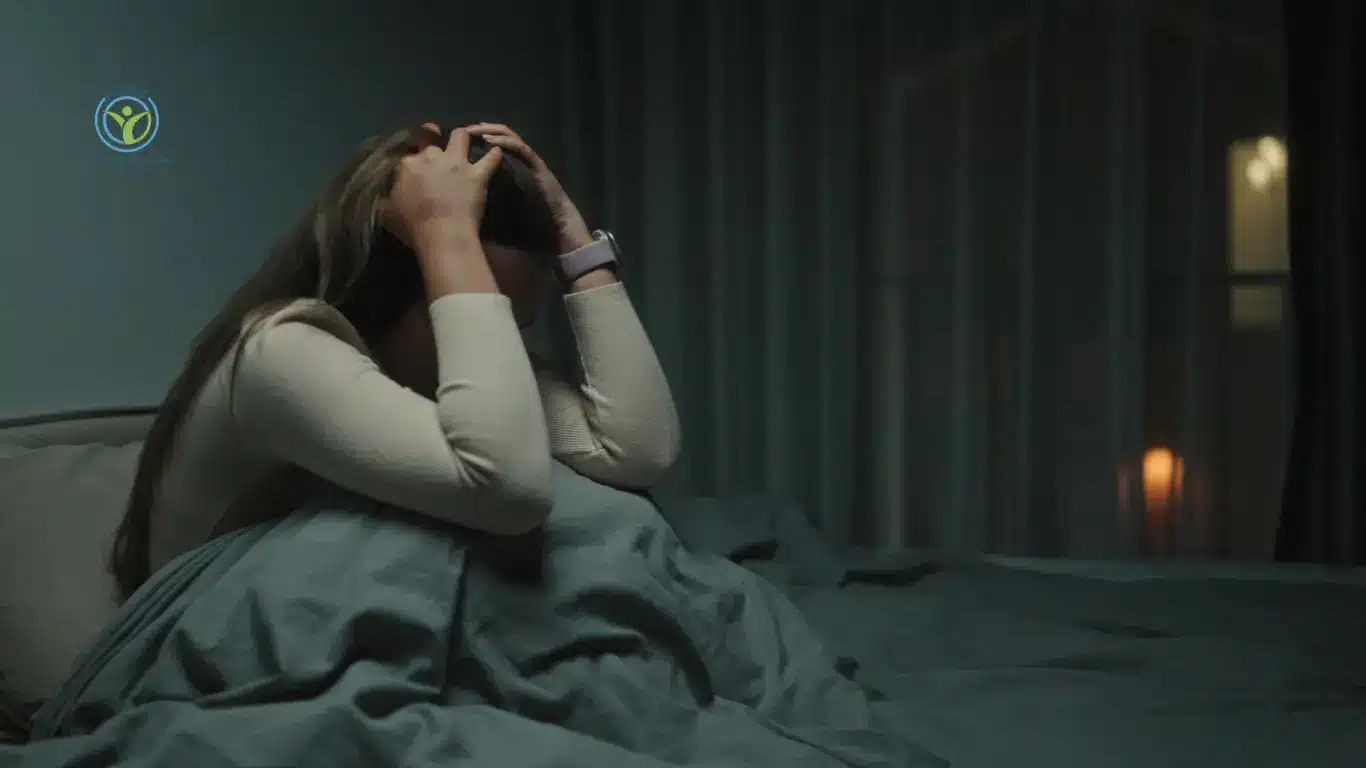
Generalized anxiety disorder
Excessive worry about many things on most days for six months or more, together with restlessness, tiredness, poor concentration, muscle tension or sleep problems.

Panic disorder
Sudden attacks of intense fear with physical symptoms, and fear of having another attack.

Social anxiety
Intense fear of being judged or embarrassed in front of others, including performance anxiety.

Health anxiety
Constant fear of having a serious illness despite normal tests.

Phobias
Strong fear of a specific object or situation, such as heights, flying or injections.

Separation anxiety
Excessive fear of being apart from a person you are attached to. It is not only a childhood condition.
OCD and trauma related conditions are separate diagnoses but often occur with anxiety. A psychiatrist will tell you if one of these fits better.
Panic attacks
A panic attack is a sudden surge of fear that usually peaks within minutes. You may feel your heart pounding, struggle to breathe, tremble, feel dizzy or fear that you are dying or losing control. It can feel like a heart attack, which is why many people go to the emergency room. If this has never happened before, or you are unsure, get medical help first. Once other causes are ruled out, panic attacks are treatable. If you have repeated attacks, or you avoid places in case another one comes, see a psychiatrist.

Anxiety and depression
Anxiety and depression frequently occur together, and each can make the other worse. See our Depression Treatment page. We assess both at the first visit, because treating only one can leave you unwell.
Causes and risk factors
There is rarely a single cause. Common contributors include:
- Family history of anxiety or other mental illness
- Long term stress, money worry or a demanding job
- Difficult childhood experiences or trauma
- Physical conditions such as thyroid problems
- Caffeine, nicotine and energy drinks
- Alcohol, tablets and drugs, which can cause or worsen anxiety, especially during withdrawal
- Poor sleep
Stress, burnout and anxiety
Long term stress can develop into anxiety. If you work in a high pressure role and feel exhausted, anxious and unable to switch off, see our Premium Executive Care page. Stress that does not lift after a rest is worth discussing with a psychiatrist.
Is it time to get help?
Consider a psychiatrist visit if:
- Worry or fear is present most days for several weeks
- You have had panic attacks, or fear the next one
- You avoid work, study, travel or social events because of anxiety
- Anxiety is disturbing your sleep
- You rely on tablets, alcohol or drugs to feel calm
- Physical symptoms keep returning even though tests are normal
You can also take our Free Mental Health Self Check, which includes the GAD-7 anxiety questionnaire and the PHQ-9 for low mood. It does not give a diagnosis, but it helps you decide whether to book a visit.
If you have chest pain, difficulty breathing or any symptom that could be a medical emergency, go to the nearest emergency department. If you or someone near you is thinking about suicide or self harm, treat it as an emergency and get help immediately.
how we work ?
Our anxiety treatment program in Islamabad, step by step
FCRC’s anxiety treatment program follows a clear clinical framework, personalised to every patient.
Private psychiatric assessment
A consultant psychiatrist asks about your symptoms, triggers, sleep, health, medicine, caffeine, alcohol and other substances, and family history. Tests such as a thyroid check may be ordered to rule out physical causes.
Diagnosis and explanation
You hear what type of anxiety you have, why it happens and what treatment can do, in plain language. Understanding the cycle of fear and body symptoms is already a relief for many people.
Personal treatment plan
The plan depends on the type and severity. It may include therapy, medicine or both.
Therapy
Our psychologists provide Counseling and Therapy, including CBT, which is among the best studied treatments for anxiety. CBT teaches you to recognize anxious thoughts, test them, face feared situations step by step and reduce avoidance. Breathing and relaxation skills are taught as tools, not as a cure.
Medicine when needed
When medicine helps, the psychiatrist chooses it carefully, explains side effects and reviews it regularly. See the section on medicine below.
Family support and follow up
Our Family Support Program helps relatives respond in a way that reduces anxiety rather than feeding it, for example by not offering constant reassurance. Follow up visits adjust the plan and our Aftercare Planning supports lasting recovery.
our facility
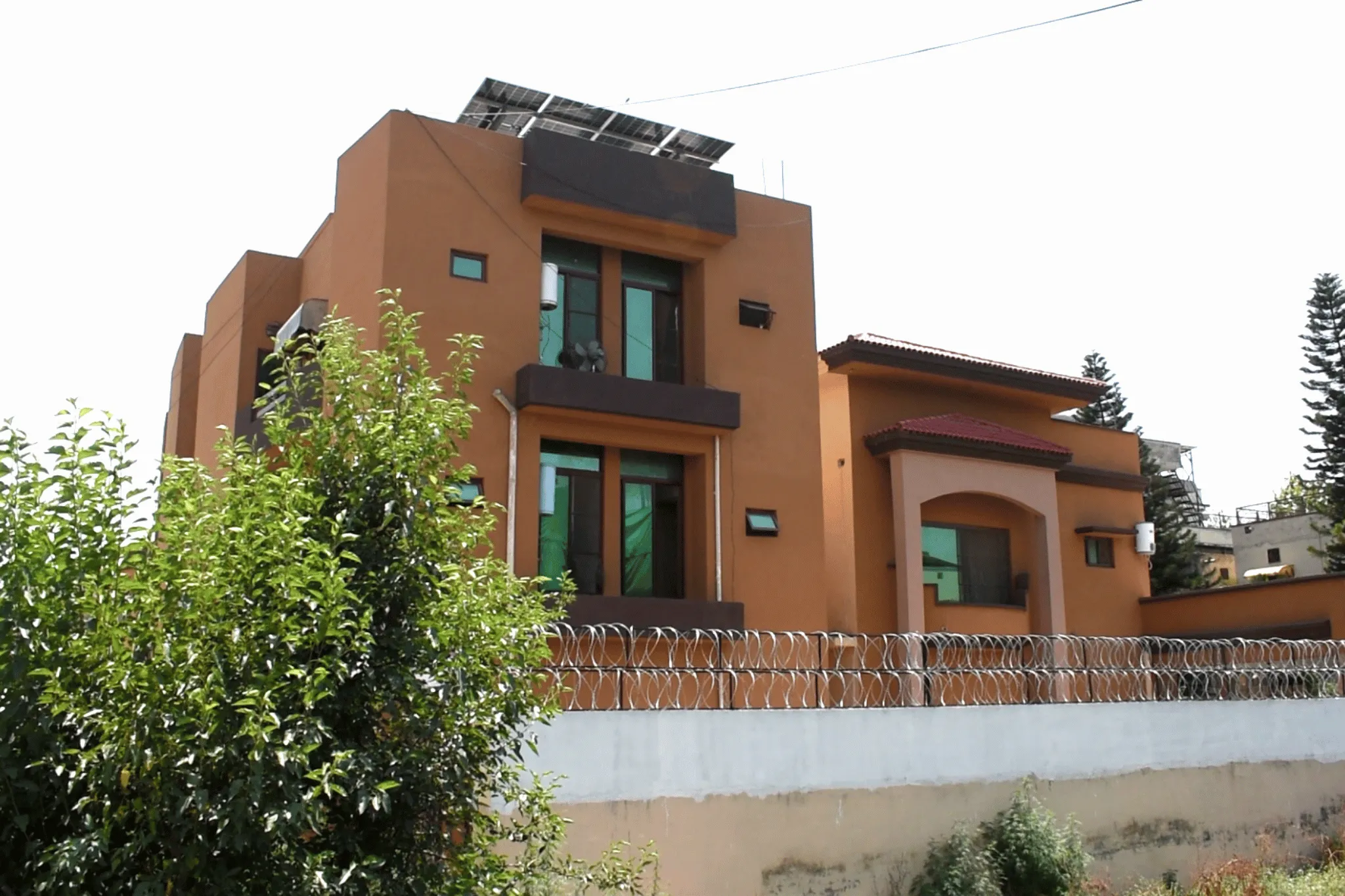
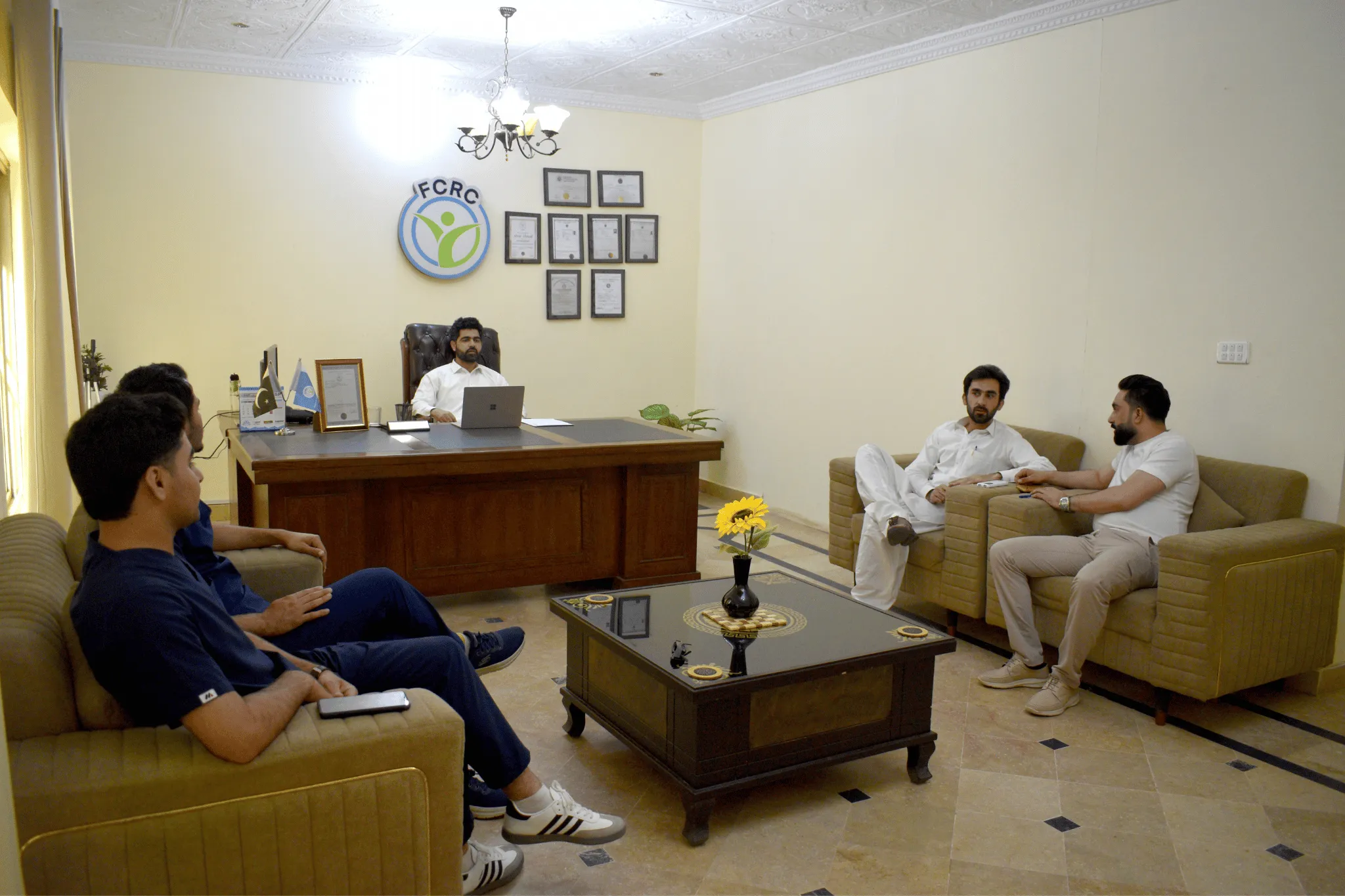
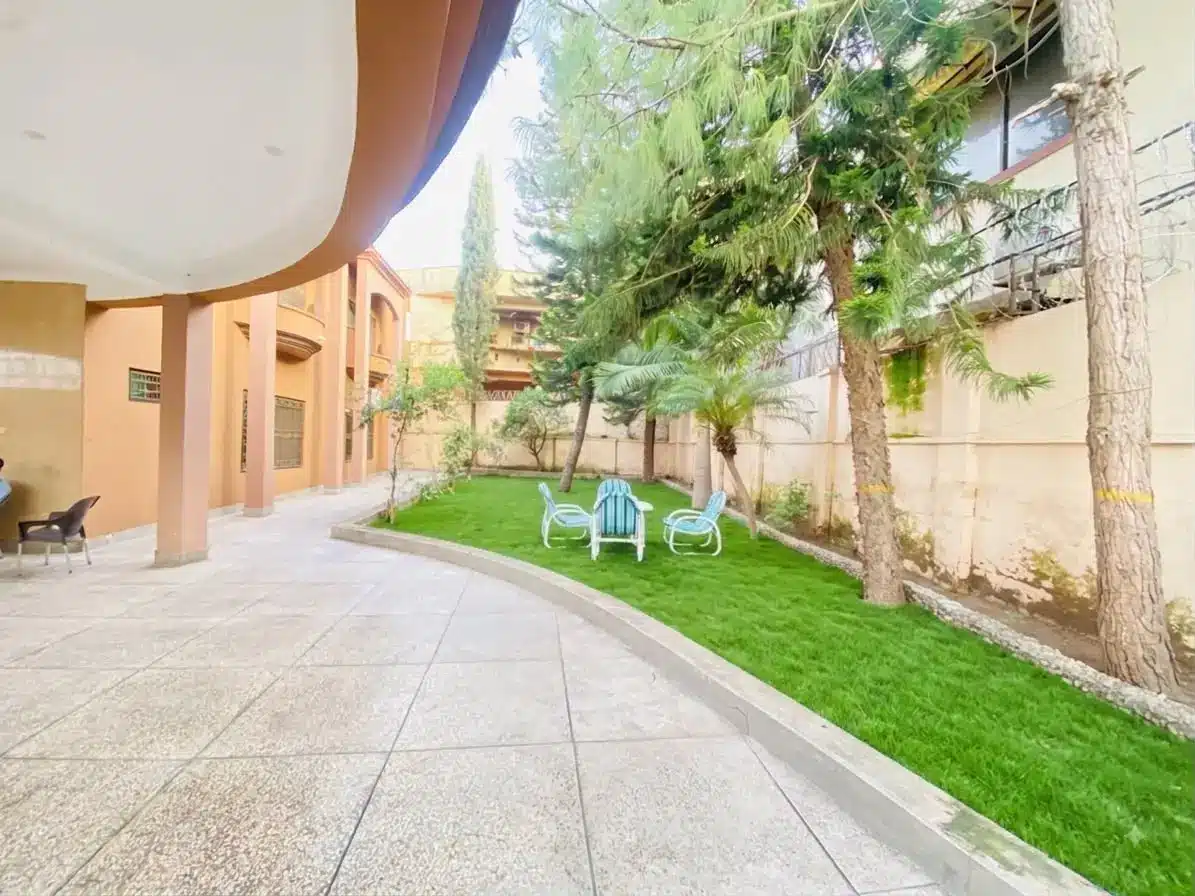
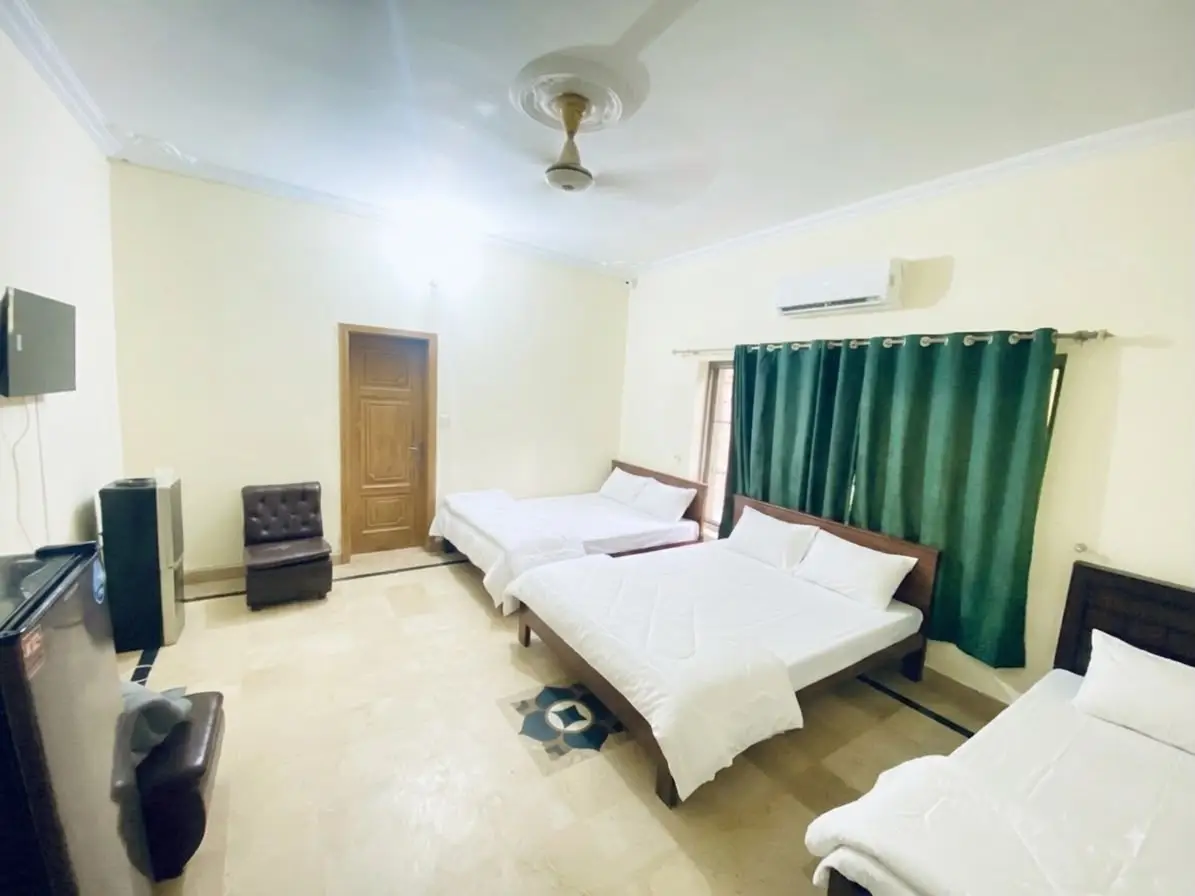
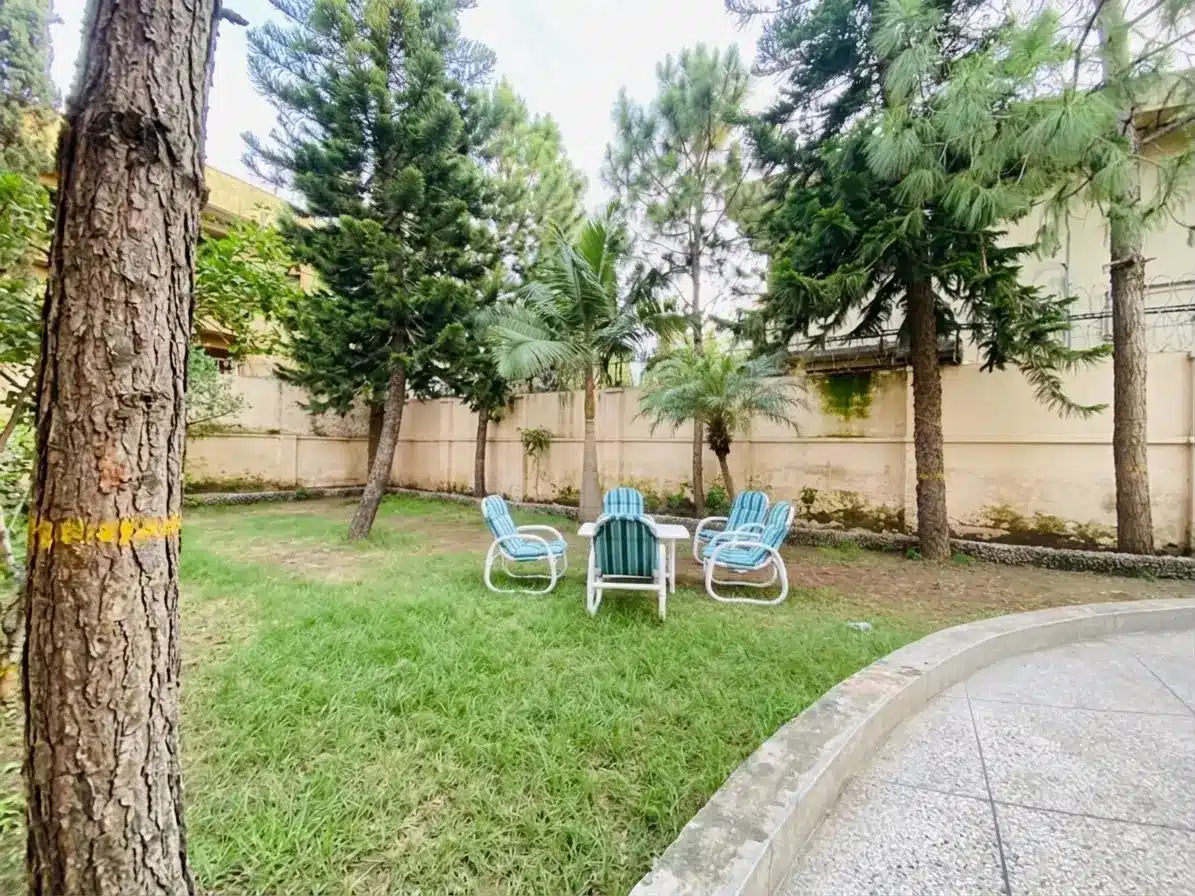
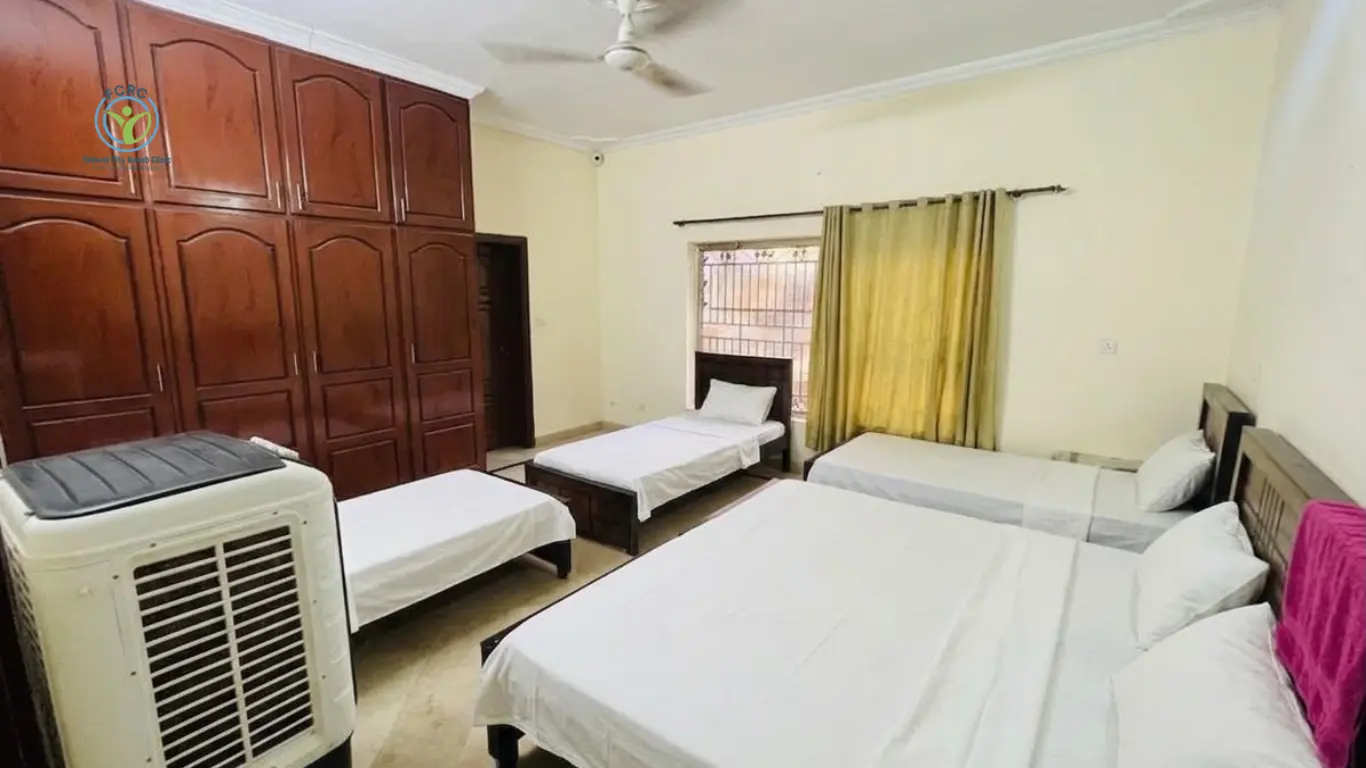
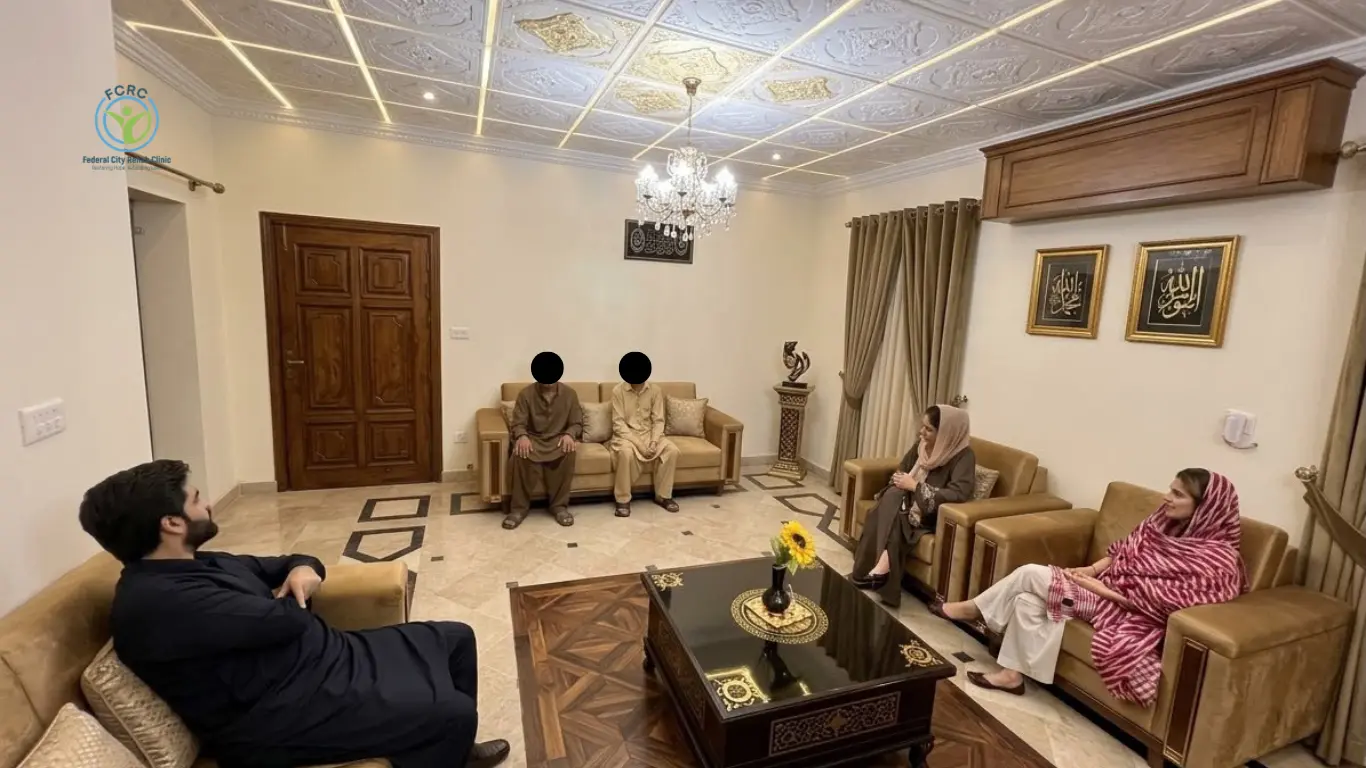
A Place Built for Healing

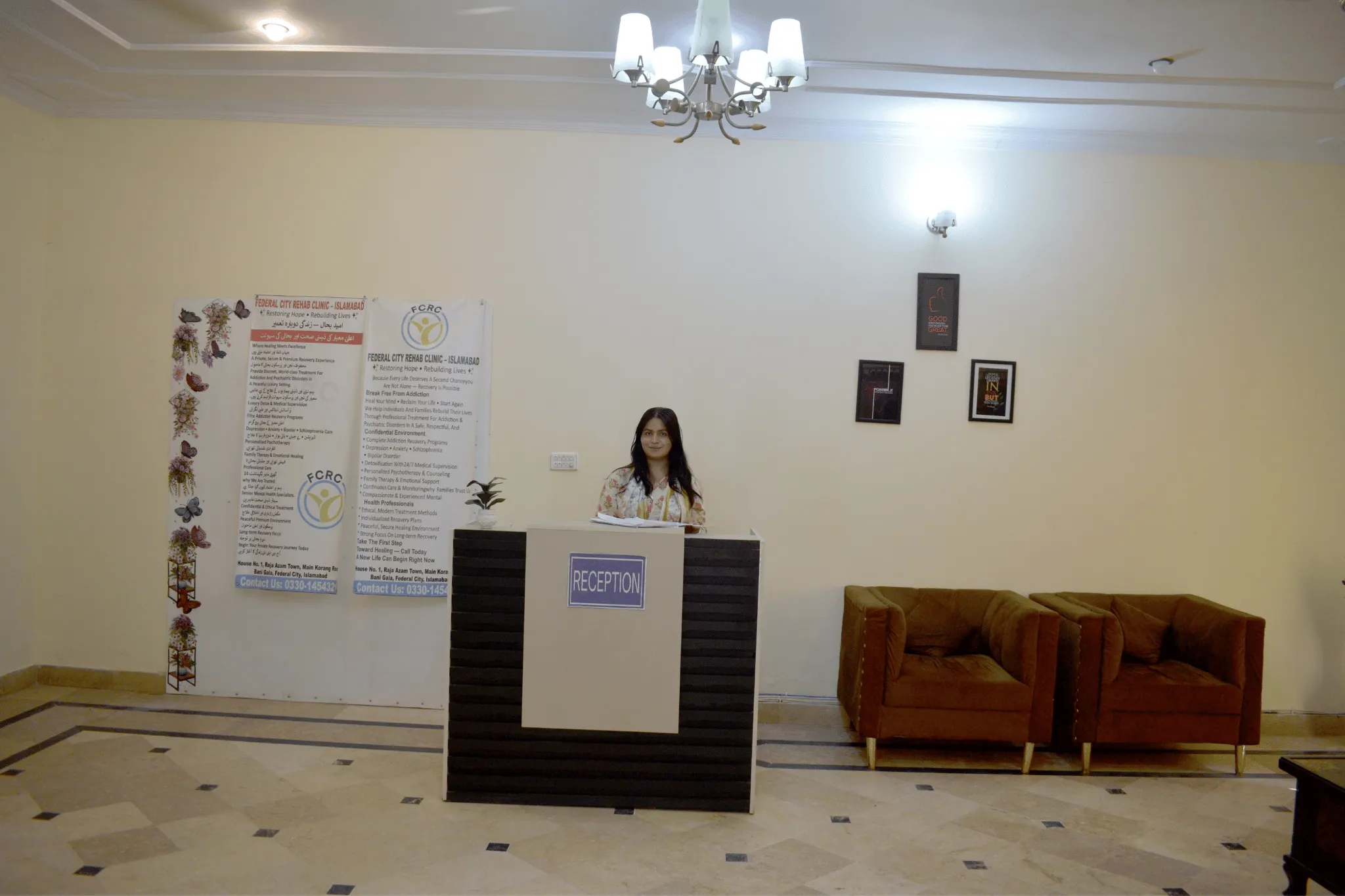
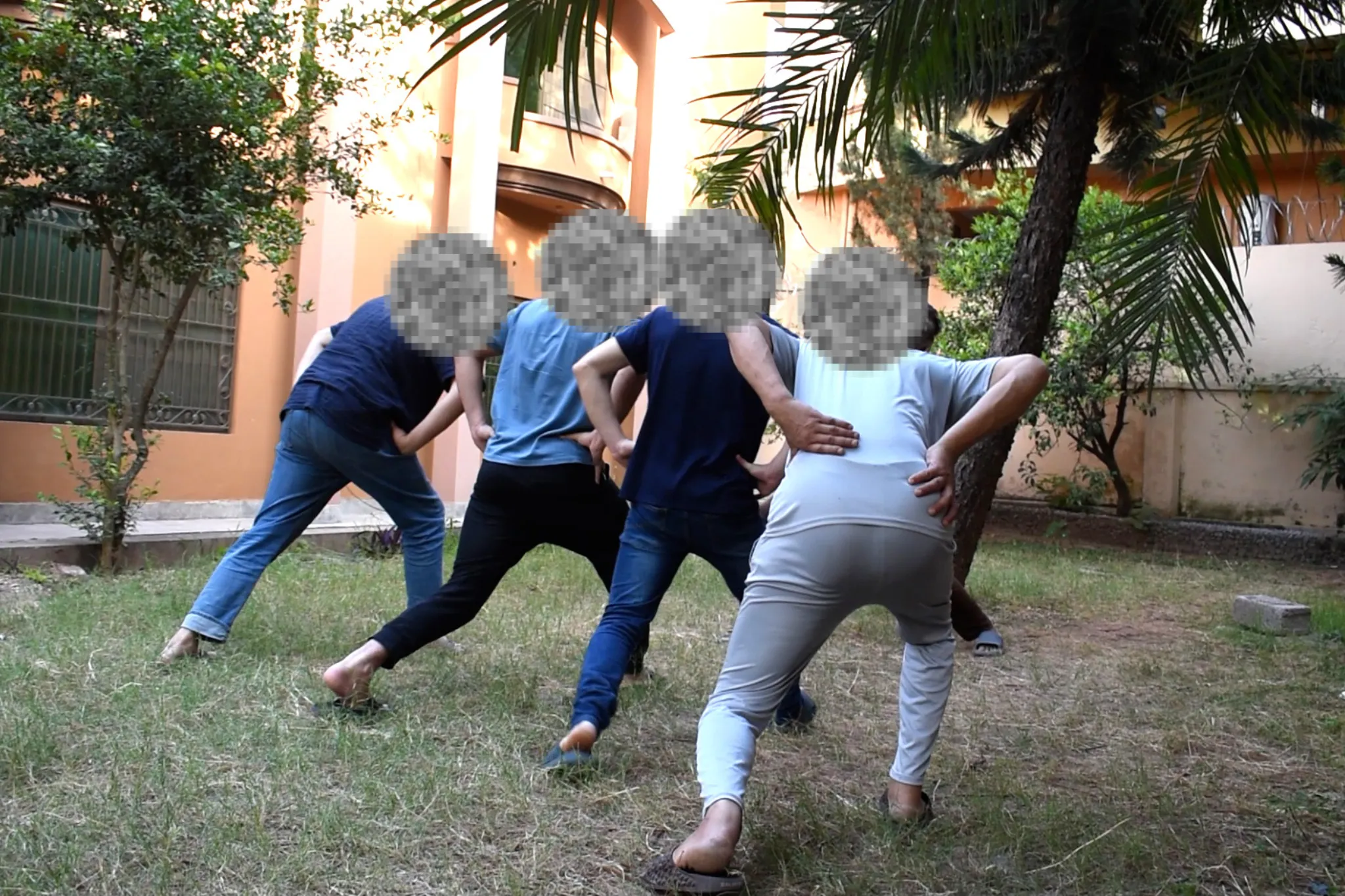
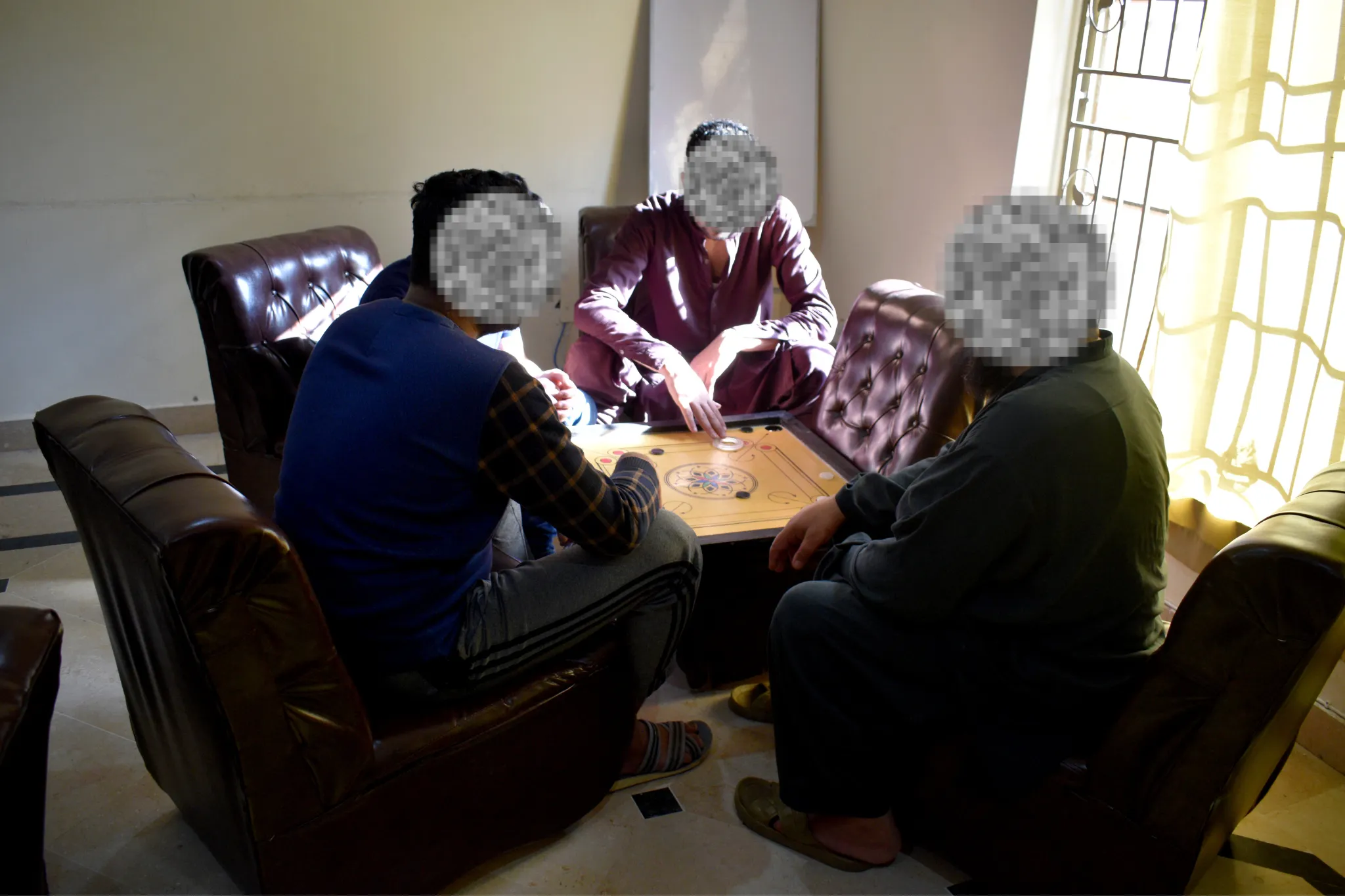
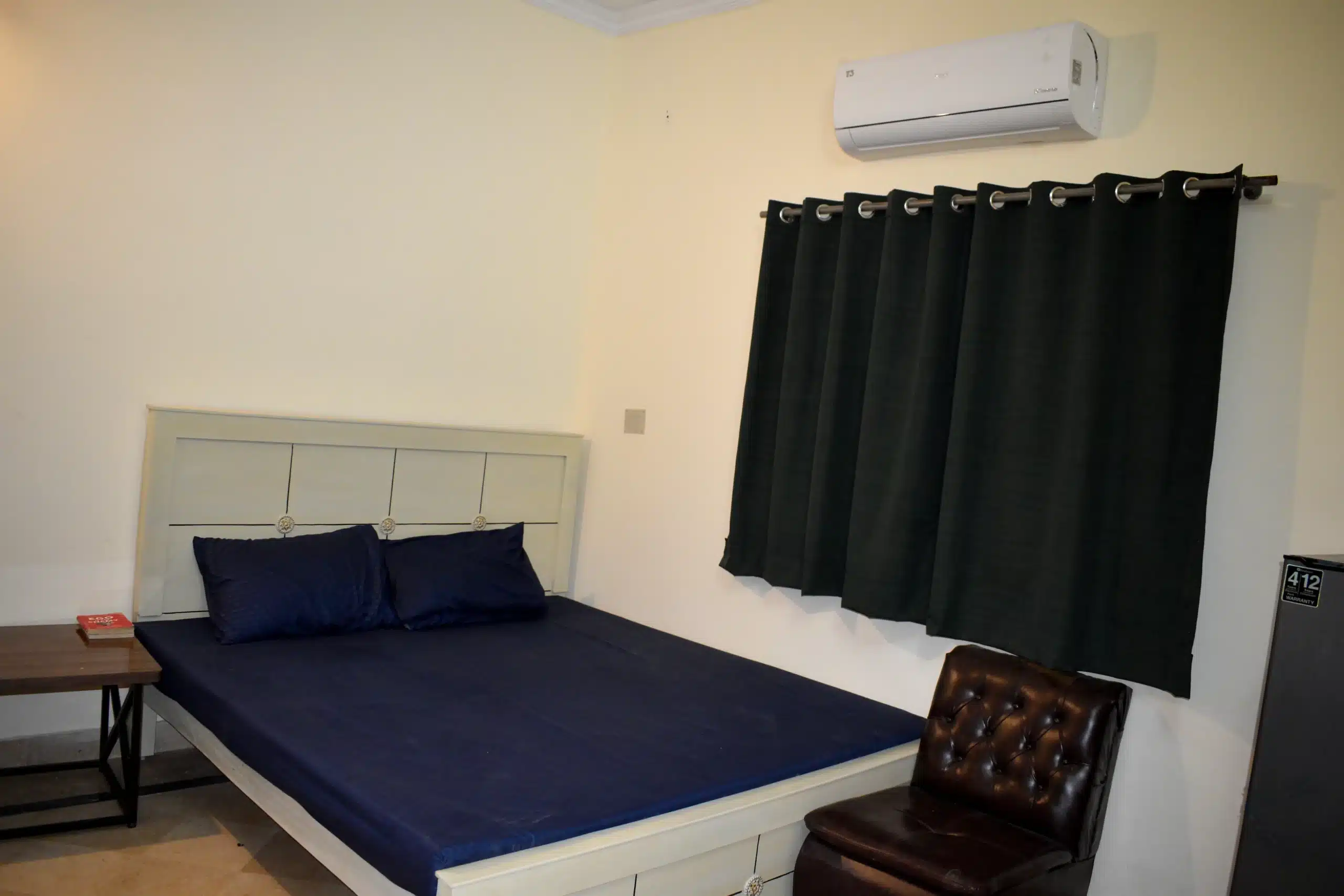
How to choose an anxiety treatment center in Islamabad?
- Choose a qualified psychiatrist who assesses you fully before prescribing.
- Look for a service that offers therapy as well as medicine, because CBT works.
- Be careful of anyone who offers a quick calming tablet with no plan to review it.
- Ask how dependence risks are managed.
- Check that addiction and depression are screened for.
Why choose FCRC for schizophrenia treatment in Islamabad, Pakistan?
Because trust, experience and results matter most.
(اس لیے کہ اعتماد، تجربہ اور نتائج سب سے اہم ہیں۔)
500+
Patients Treated
15+ Years
Expert Care
24/7
Always Available
Clinical team
Treatment is led by a consultant psychiatrist and supported by clinical psychologists who work together on every case, so therapy and medicine support each other.
Environment
A calm, private and safe setting in Bani Gala, away from the noise and pressure that keep anxiety going.
Confidentiality
Strict privacy for patients and families, from the first message to long after treatment ends. Nothing is shared without your agreement.
Safety
Careful medicine decisions, with attention to dependence risk, and a team trained to respond early if symptoms get worse. Residential care is available when needed.
Accreditation
Federal City Rehab Clinic is accredited by the Islamabad Healthcare Regulatory Authority (IHRA), so your care meets recognized standards for safety and quality.
Who We Serve
Patients from across Pakistan.
- We regularly see patients from
- Islamabad
- Rawalpindi
- Peshawar
- Lahore
- Multan
- Karachi
- Swat
- and all other major cities
- For patients from outside Islamabad who need to stay with us, our admissions team coordinates transport and a discreet, professionally managed arrival
- Adults and young adults with constant worry, panic attacks or social anxiety
- People whose anxiety disrupts sleep, work or study
- Patients who rely on sleeping tablets, sedatives or alcohol to cope
- People with anxiety together with depression or addiction
- Professionals under long term pressure who feel burned out
- Women can be seen in a private setting, and we operate a dedicated female rehabilitation program for women who need a gender specific care environment (see our Female Rehabilitation page)
- Overseas Pakistanis arranging care for their loved one in Islamabad (see our Rehabilitation for Overseas Pakistanis page)
Outpatient or residential care
Most people with anxiety do well with outpatient visits and therapy. Residential care is considered when anxiety is severe, when depression or addiction is also present, or when you need a calm setting away from daily pressure. See our Outpatient Rehab Program and Inpatient Rehab Program pages.
Anxiety medicine: what you should know
Many people search for the best medicine for anxiety. There is no single best medicine, and choosing one without a doctor is risky. Please keep these points in mind:
- Several types of medicine are used for anxiety, including antidepressants that are also effective for anxiety, and some other medicines for specific symptoms. A psychiatrist chooses based on your diagnosis, health and other medicine.
- Some medicines that calm anxiety quickly, including benzodiazepines such as Xanax and pregabalin, can cause tolerance and dependence, so they should only be taken under close medical supervision and usually for a short time. See our Xanax and Tramadol Addiction Treatment and Pregabalin Addiction Treatment pages.
- Beta blockers such as propranolol may ease physical symptoms such as a racing heart, but they do not treat the cause.
- Do not stop anxiety medicine suddenly. Withdrawal can be uncomfortable and sometimes dangerous.
- Do not share medicine or buy it without a prescription.
Anxiety and addiction
Many people begin using sleeping tablets, sedatives, cannabis or alcohol to cope with anxiety. These can calm the feeling for a short time, then make anxiety worse and create dependence. Our Dual Diagnosis Treatment page explains how we treat anxiety and addiction together.

What you can do alongside anxiety treatment
These habits support treatment, they do not replace it:
- Keep a regular sleep and meal routine
- Reduce caffeine, energy drinks and nicotine
- Stay active, for example with a daily walk
- Practice slow breathing during a surge of anxiety
- Face feared situations gradually instead of avoiding them
- Limit constant checking of symptoms online
- Talk to someone you trust
Prayer and dhikr bring calm to many people and can sit alongside treatment. Spiritual practice works best alongside proper medical care.
Supporting a family member with anxiety
- Listen without dismissing the fear, even if it seems irrational to you
- Avoid saying “just relax” or “there is nothing to worry about”
- Do not take over every task they avoid, because it keeps the anxiety going
- Encourage a psychiatrist visit and offer to go with them
- Look after your own wellbeing
Women, young people and special situations
Anxiety can look different in women, particularly around pregnancy, childbirth and menopause, and in young people, where it may show as school refusal, stomach aches or anger. Tell us at the first contact so that the right clinician is involved.
What affects the cost of treatment
We do not publish a fixed price here, because it depends on your needs. The main factors are:
- Whether you need outpatient visits or residential care
- The number of follow up visits and therapy sessions
- Tests and medicine required
- Family sessions
- Any other condition that needs treatment at the same time
Message us on WhatsApp and the admissions team will explain the cost clearly before you decide.
frequently asked question
What is the best treatment for anxiety?
CBT and medicine such as certain antidepressants are the best studied treatments. The right plan depends on the type and severity, and a psychiatrist decides after an assessment.
What are the first signs of an anxiety disorder?
Constant worry, restlessness, poor sleep, muscle tension, a racing heart and avoiding situations are common early signs.
What is the difference between anxiety and a panic attack?
Anxiety builds slowly and can last for hours or days. A panic attack is a sudden surge of intense fear that peaks within minutes. Anxiety is the broader condition, and panic attacks can be part of it.
Can anxiety cause chest pain?
Yes, anxiety can cause chest tightness and palpitations. But chest pain should always be checked by a doctor first, because it can have other causes.
Can anxiety be cured?
Many people recover fully or manage symptoms well with treatment. Anxiety can return during stress, so learning skills and having a plan matter.
How long does anxiety treatment take?
It varies. Many people notice improvement within weeks of starting therapy or medicine, and treatment continues for some months to protect against relapse.
Which tablet is best for anxiety in Pakistan?
There is no single best tablet, and some are habit forming. Please speak to a psychiatrist before taking any medicine for anxiety.
Is Xanax safe for anxiety?
Xanax is a benzodiazepine that can cause dependence and dangerous withdrawal if used for long or stopped suddenly. It should only be used under close medical supervision.
Can I treat anxiety without medicine?
Mild to moderate anxiety often improves with therapy and lifestyle changes. Some people need medicine as well. A psychiatrist will advise.
Is anxiety a sign of weak faith?
No. Anxiety is a medical condition. Faith can support recovery and works best alongside proper treatment.
How do I stop a panic attack?
Slow your breathing, remind yourself that the attack will pass, and stay where you are until it eases. If it is your first attack or you are unsure, get medical help.
Can you treat anxiety and addiction together?
Yes. We treat them under one plan. See our Dual Diagnosis Treatment page.
Book Consultation
Take the First Step Today
You do not need to have everything figured out. You do not need to be certain. You only need to take one step, a conversation with our admissions team, and we will guide you from there at whatever pace feels right.
The team is available 24 hours a day, 7 days a week, 365 days a year. There is no pressure, no judgement and no obligation.
پہلا قدم صرف ایک فون کال ہے۔
0330 1454321
federalcityrehabclinc@gmail.com
Our location
House No. 1, Raja Azam Town, Main Korang Road, Bani Gala, Islamabad