Aftercare Planning in Islamabad, Pakistan. Protecting the Progress You've Made
Medically supervised. Psychiatrically managed. Every step of the way.
بعد از علاج منصوبہ بندی — طبی نگرانی میں، مکمل رازداری کے ساتھ۔
patient feedbacks
Stories of Recovery
Real Lives, Real Results
Every patient who walks through our doors carries a story. These are a few of the stories that walked back out, rebuilt, restored, and renewed. Names and details shared with full consent.
 Posted on Google
 Muhammad Umer
Trustindex verifies that the original source of the review is Google.
One the best rehab center in the peace of bani gala, Islamabad. 10/10Posted on Google Muhammad Ibrahim AfzalThe best addiction center in Islamabad. A friend of mine was admitted here and they provided the service.Posted on Google
 MALANG BROTHERSThe staff was professional, supportive, and respectful. The environment was comfortable and the overall experience was very good. I appreciate the team’s dedication and carePosted on Google
 Khan KhanBest facility for drug addiction treatmentPosted on Google
 Fozia Fozia khanMy experience at Federal City Rehab Clinic has been genuinely positive. The therapeutic environment is calm and well-suited to patient recovery, promoting both psychological and physical wellbeing. The clinical staff demonstrate a high level of professionalism, with consistent, patient-centered care. Medication administration and treatment protocols are followed with appropriate diligence, ensuring timely and accurate delivery of prescribed care. Hygiene and sanitation standards are well maintained throughout the facility, reflecting strong infection-control practices. Nutritional care is also handled thoughtfully, with meals catering appropriately to patient requirements. Overall, FCRC operates as a well-managed, clinically sound rehabilitation facility. Highly recommended.Posted on Google
 Malang JanExcellent rehabilitation center with professional staff, quality treatment, and compassionate care.Posted on Google
 M JHighly recommended for excellent treatment, caring staff, and quality patient care.Posted on Google
 Muhammad IlyasI have such great experiences here ! Very professional and authentic approach towards patient and families. Recommended for addictions and psychological treatmentPosted on Google
 Hidayat KingI had a very positive experience with this rehabilitation center. The staff are caring, respectful, and available whenever patients need support. The doctors, psychologists, and medical team are highly professional and genuinely dedicated to helping people recover. The environment is clean, safe, and peaceful. Patients receive their medications on time, nutritious meals are provided regularly, and daily therapy and activities are well organized. I highly recommend this rehabilitation center to anyone looking for quality care and a supportive recovery environment.Verified by TrustindexTrustindex verified badge is the Universal Symbol of Trust. Only the greatest companies can get the verified badge who has a review score above 4.5, based on customer reviews over the past 12 months. Read more
Service List
Therapist Detail
Abrar Ahmad
CEO | Consultant Clinical Psychologist | Addiction Therapist
Need Any Help ?
0330 1454321
Finishing a treatment program is a genuine milestone, and it can also be a quietly frightening one. The structure, supervision, and daily support that made progress possible are suddenly gone, and a person is expected to walk back into the same home, the same routines, and sometimes the same pressures that existed before treatment began. Without a clear plan for that transition, even solid progress made during treatment can start to slip.
If you or someone you love is nearing the end of a treatment program, or has already completed one without much of a plan for what comes next, this is worth taking seriously. Not because relapse or setback is inevitable, but because the right plan meaningfully changes the odds.
At Federal City Rehab Clinic, aftercare planning is not an afterthought added at the last moment before discharge. It is built into the treatment process from early on, so that by the time a patient leaves, they and their family already know exactly what the next phase of recovery looks like.
Treatment does not end the day someone walks out of the facility. What happens in the months after is often what determines whether progress holds.
Understanding Aftercare Planning
According to the National Institute on Drug Abuse, addiction is a chronic, relapsing condition, and people recovering from it remain at risk of returning to old patterns for years, sometimes for life, even after successful treatment. This is not a sign that treatment has failed. It reflects the same reality seen in other chronic conditions, where ongoing management, not a single fixed course of treatment, is what sustains recovery over time.
Aftercare planning is the practical response to that reality. It is the structured bridge between the intensive, supervised environment of residential or outpatient treatment and the ordinary, unsupervised conditions of daily life, built specifically around the risks and resources unique to each patient.
What Aftercare Planning Involves
Relapse Risk Mapping
Before discharge, our clinical team works with each patient to identify their specific relapse risks, particular people, places, emotional states, or situations most likely to threaten their recovery, so the plan addresses real risks rather than generic ones.
Structured Ongoing Support
A plan is only useful if it is followed. Aftercare at FCRC typically includes a defined schedule of continued therapy, whether through our outpatient program, individual counseling, or group support, so a patient is never left to manage recovery entirely on their own immediately after discharge.
Impact on Families
Families are given a clear role in the aftercare plan, not just general encouragement to “be supportive.” This includes practical guidance on recognizing early warning signs, how to respond if a setback occurs, and how to maintain a home environment that reinforces rather than undermines recovery.
Why Choose FCRC for Aftercare Planning in Islamabad, Pakistan?
Because trust, experience, and results matter most.
(اس لیے کہ اعتماد، تجربہ اور نتائج سب سے اہم ہیں۔)
- Aftercare planning begins during treatment, not on the last day of discharge
- Individualized plans built around each patient's specific relapse risks
- Continued access to our clinical team, not a handoff to an unfamiliar provider
- Structured family involvement throughout the transition home

15+ Years
Expert Care
500+
Patients Treated
24/7
Always Available
our facility
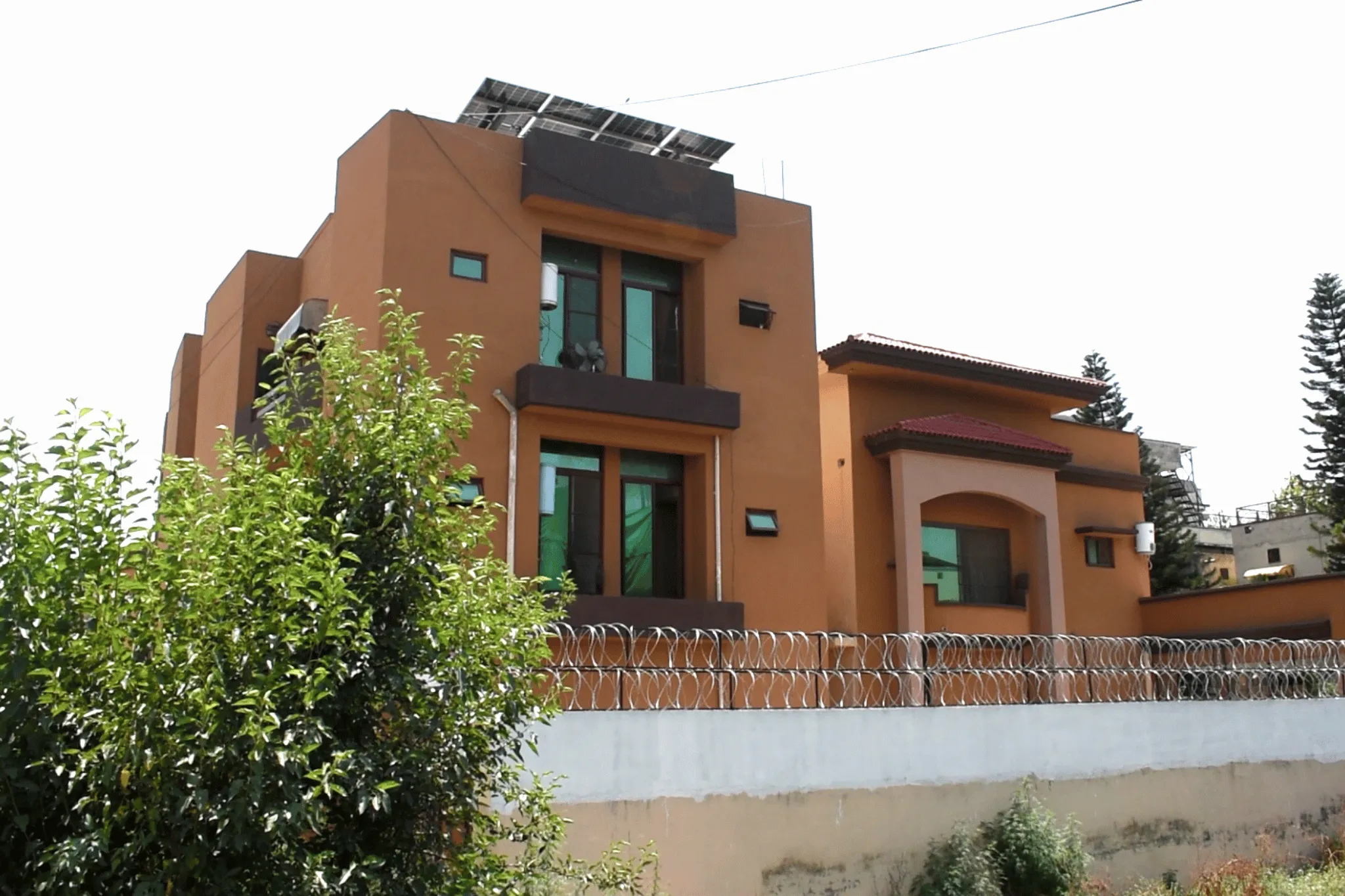
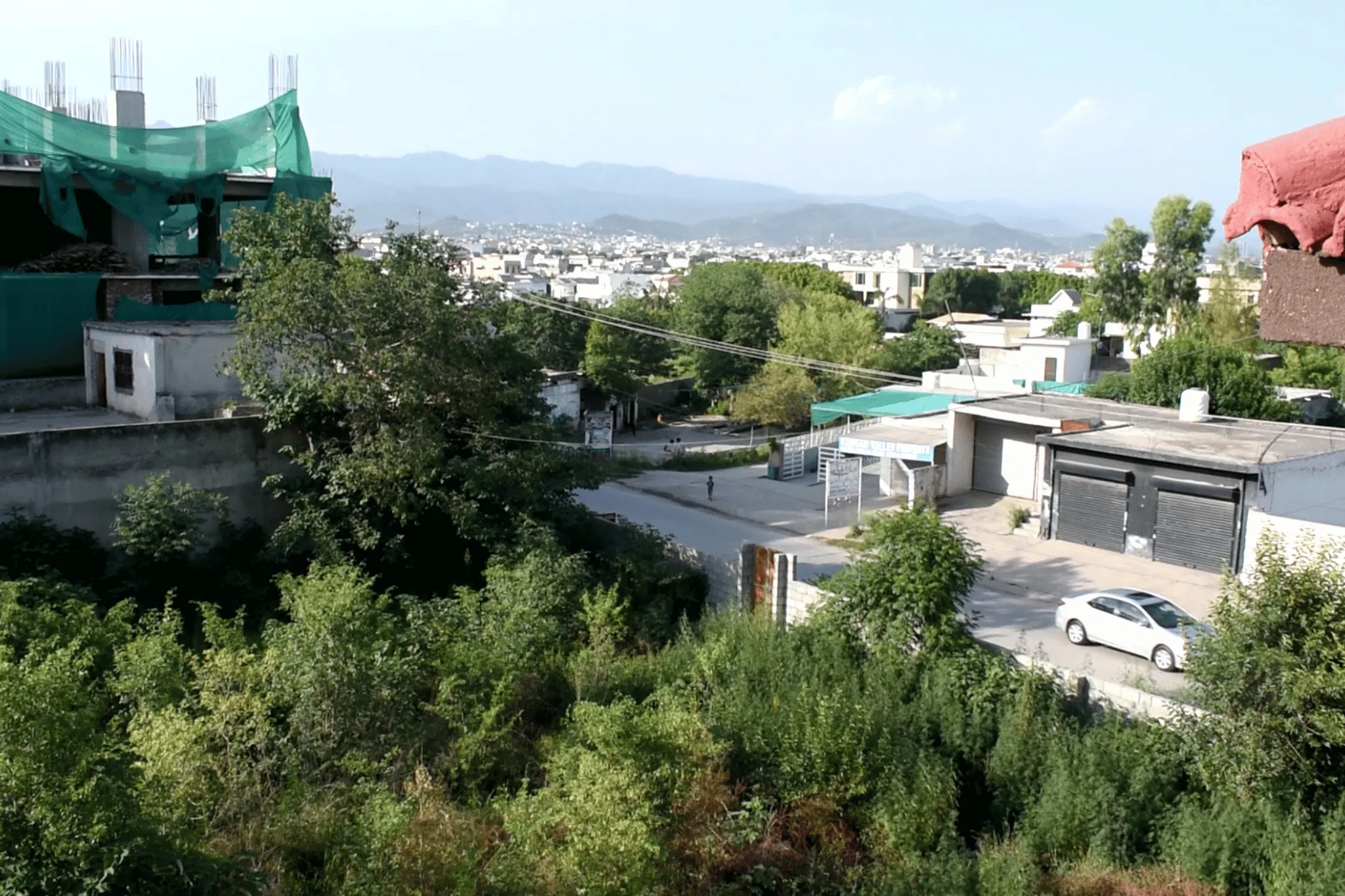
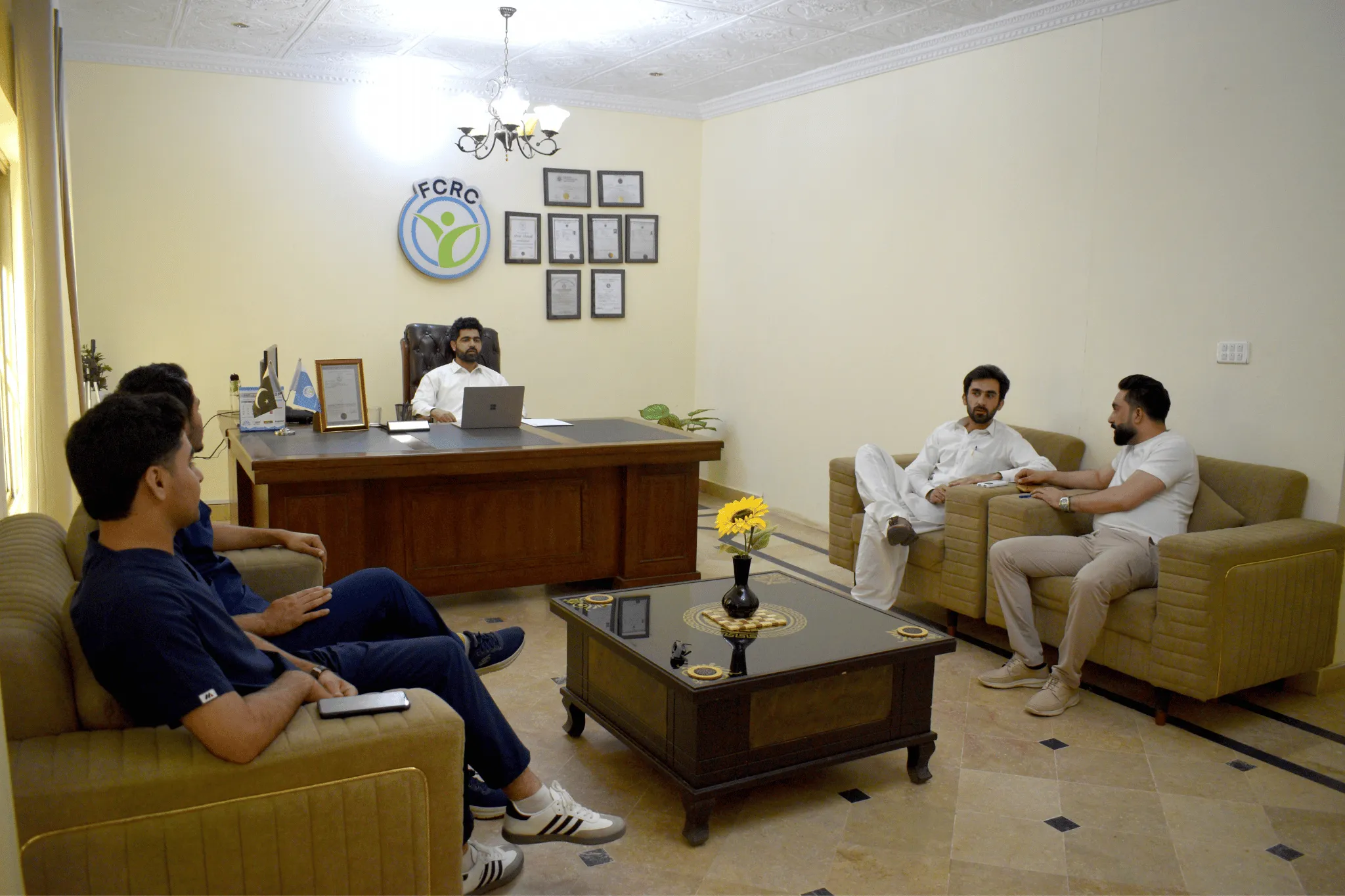
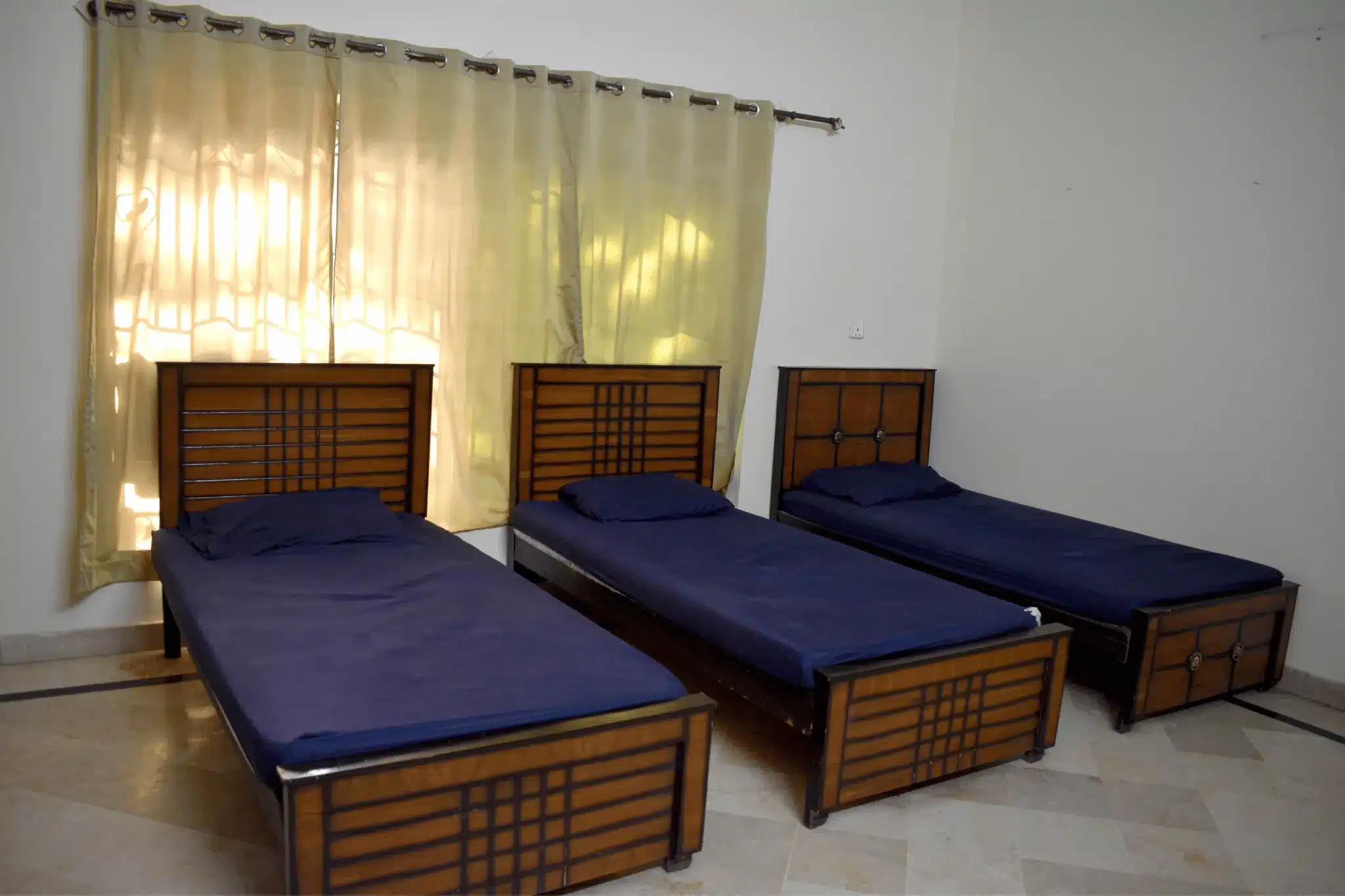
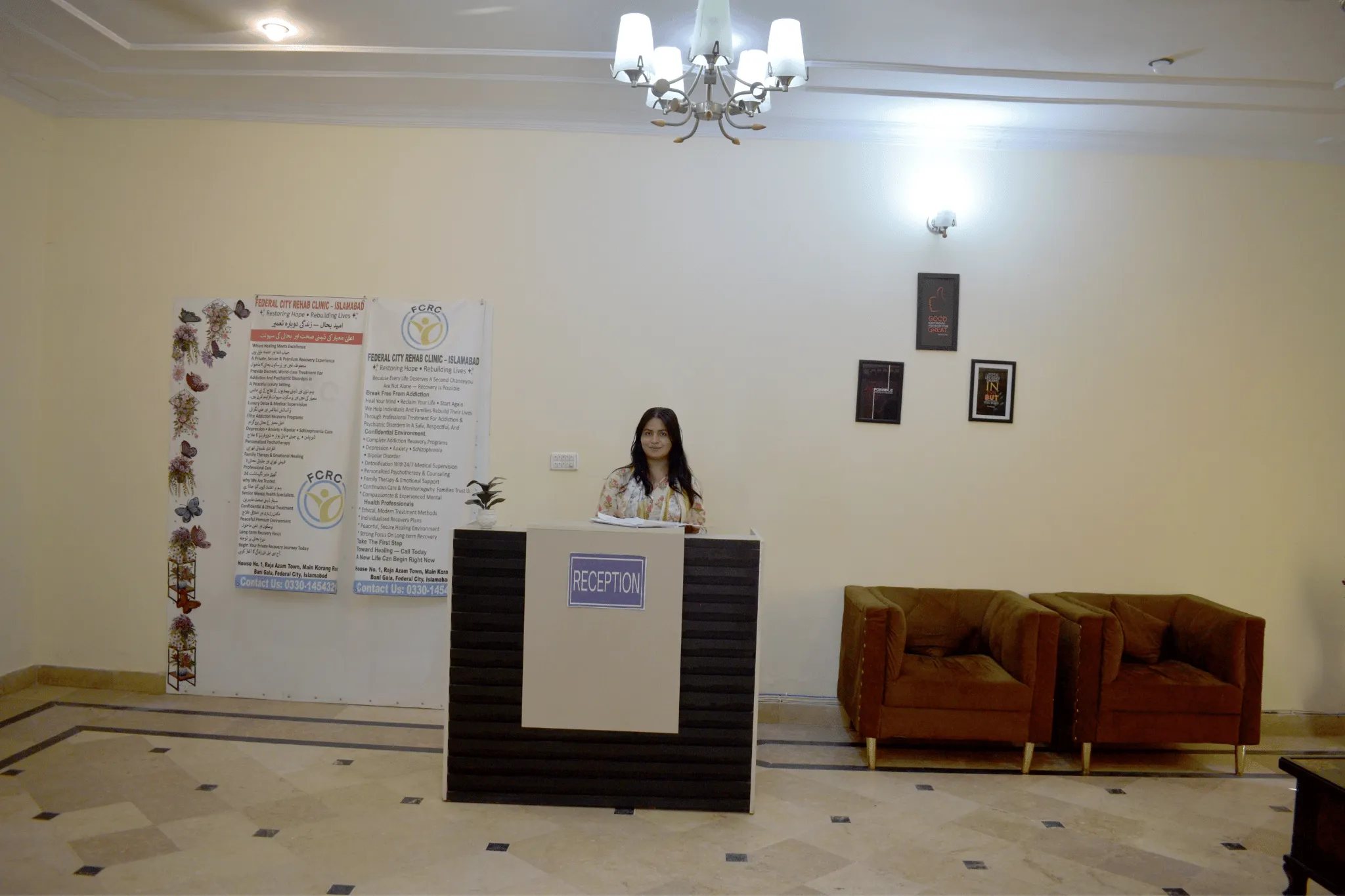
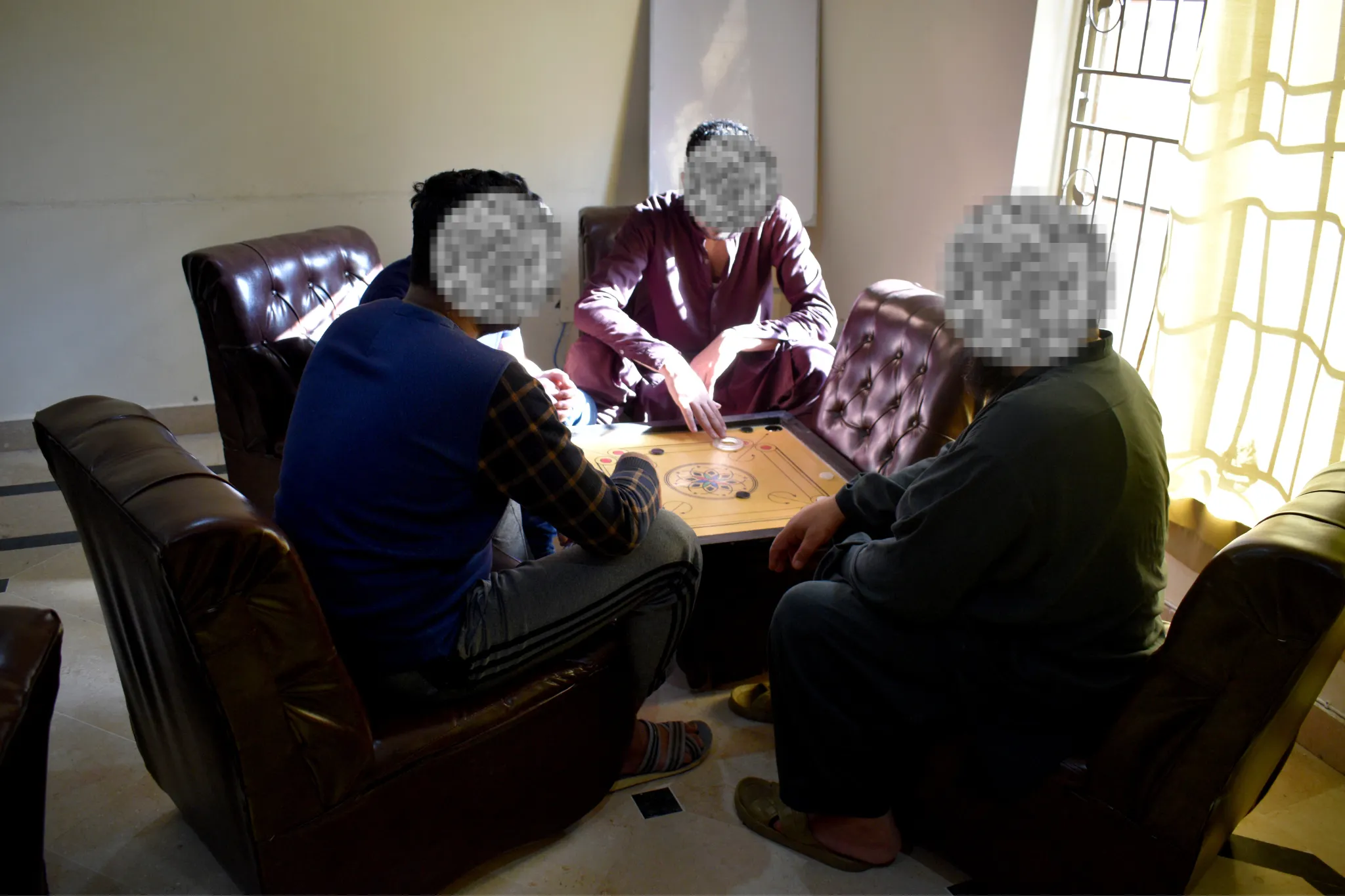
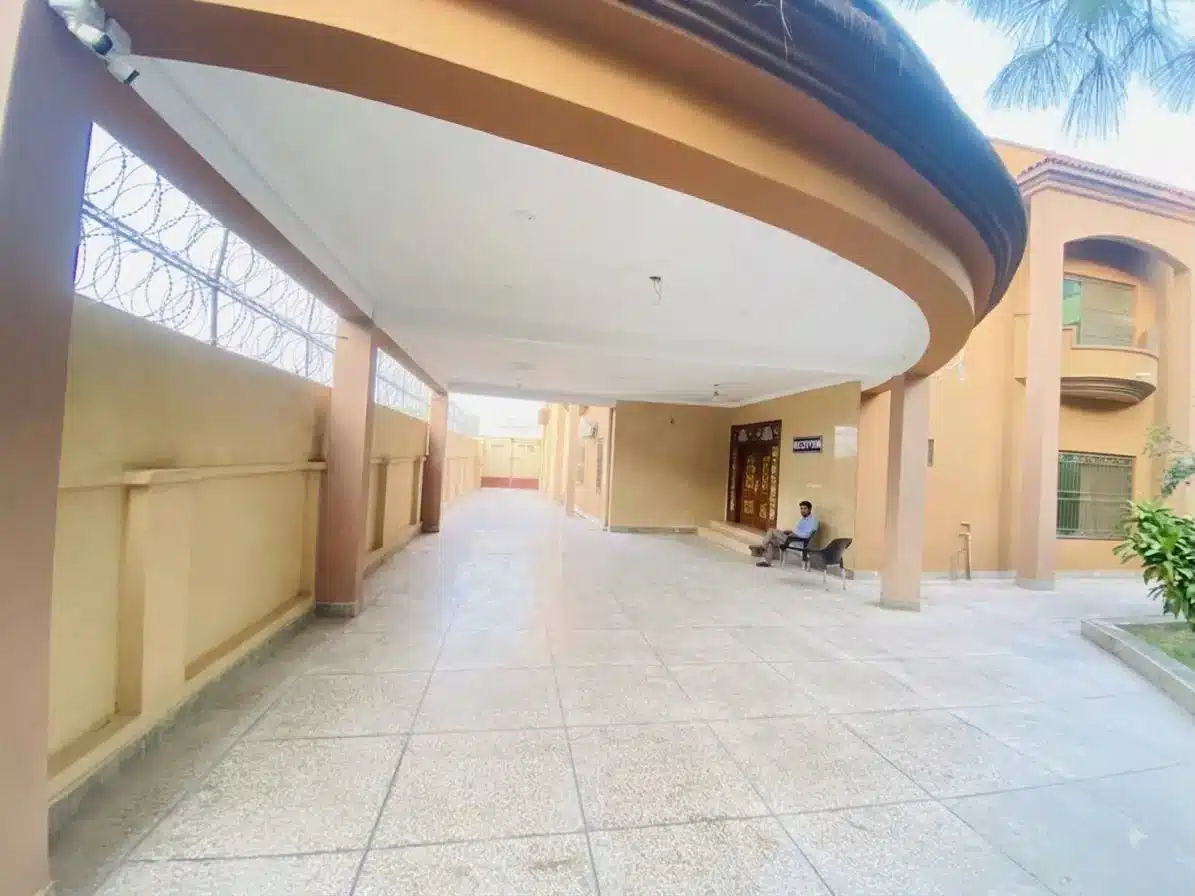
A Place Built for Healing


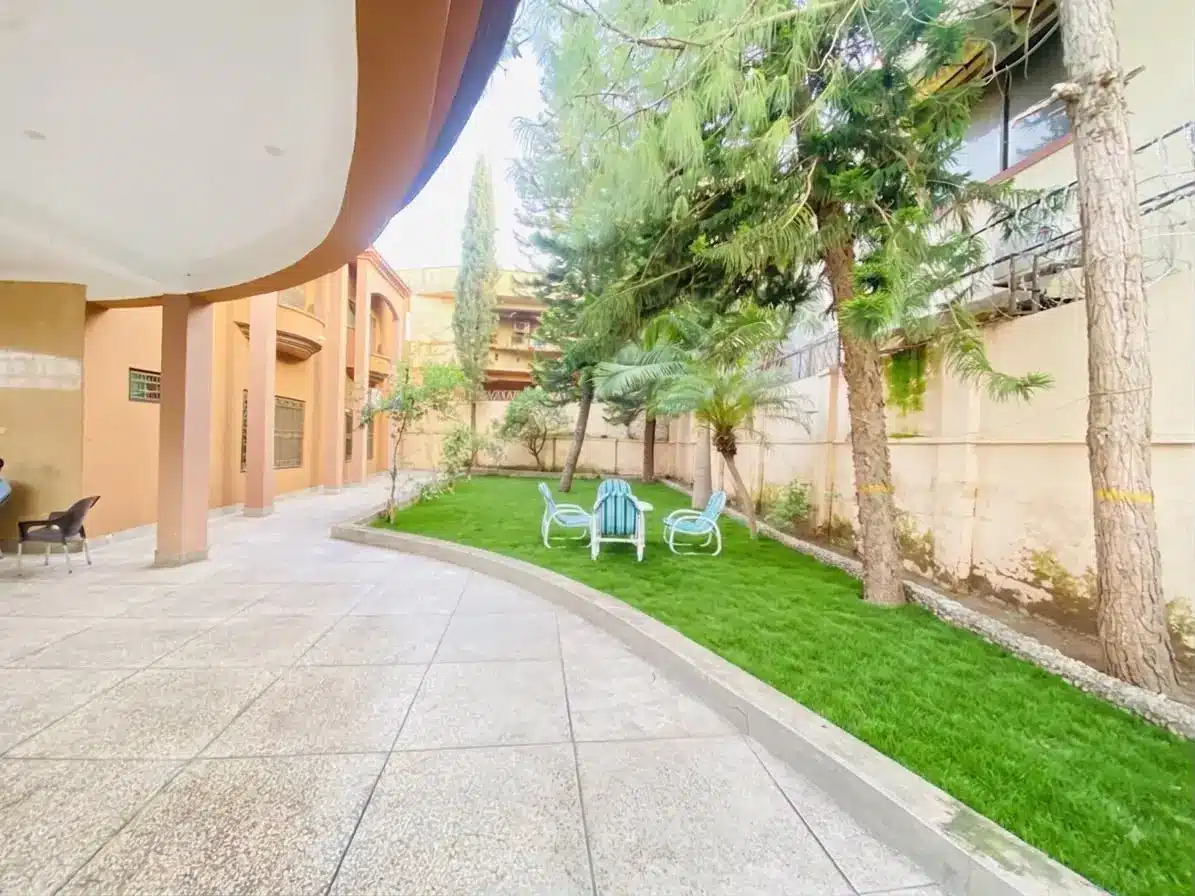
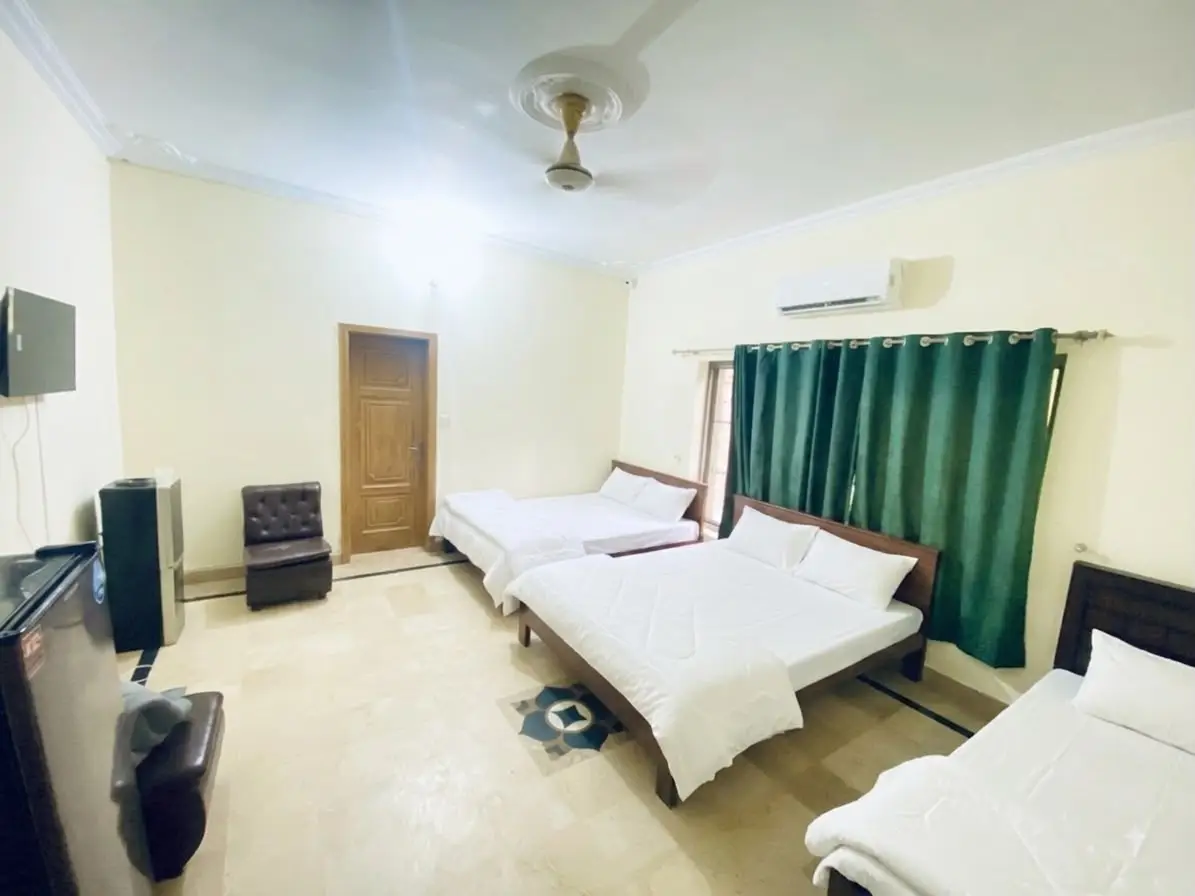
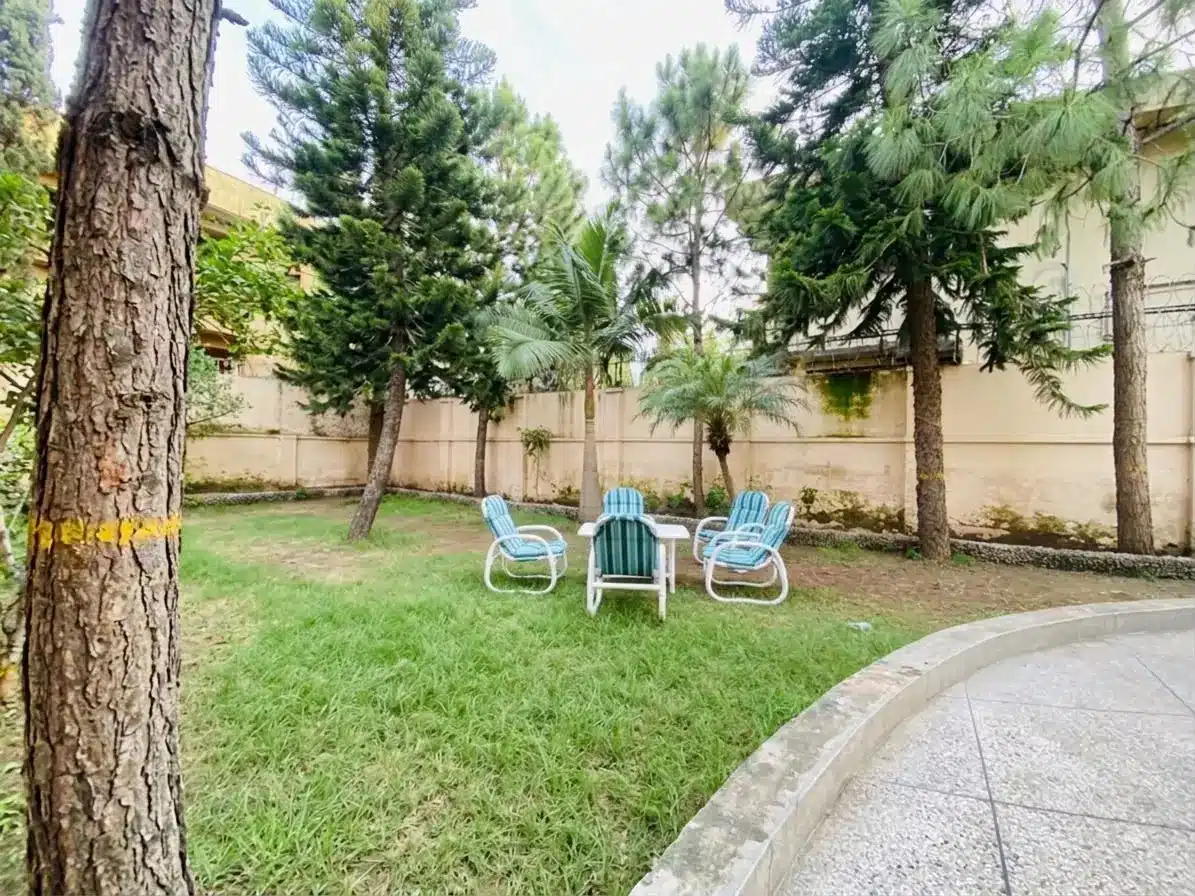
Who We Serve
FCRC provides aftercare planning for patients discharging from our own programs, as well as patients who completed treatment elsewhere and want a structured plan going forward. We work with patients and families from
- Islamabad
- Rawalpindi
- Peshawar
- Lahore
- Multan
- Karachi
- Swat
- and all other major cities.
Aftercare planning is also available through our dedicated female rehabilitation program, coordinated by female clinical staff for patients who require a gender-specific setting.
how we work ?
Our Aftercare Planning Program in Islamabad, Pakistan
FCRC builds every aftercare plan through a structured, individualized process that begins well before discharge.
01
Early Planning During Treatment
Aftercare planning begins during the active phase of treatment, not in the final days before discharge. This gives the clinical team time to genuinely understand the patient’s circumstances, support system, and specific risks, rather than assembling a plan under time pressure.
02
Relapse Prevention Strategy
Every patient works through a personalized relapse prevention plan, identifying specific triggers and building concrete coping strategies for the situations most likely to challenge their recovery.
03
Continuing Therapy Arrangements
Before discharge, a clear schedule of ongoing support is put in place, whether through our outpatient program, individual therapy, or group sessions, so there is no gap between residential care ending and continued support beginning.
04
Family Preparation
Family therapy sessions in the lead-up to discharge prepare relatives for their role in supporting recovery, including how to recognize early warning signs and respond constructively if a setback occurs.
05
Community and Peer Support Connections
Where appropriate, patients are connected with peer support resources and community-based recovery groups, extending their support network beyond formal clinical sessions.
06
Ongoing Check-Ins and Plan Adjustment
Aftercare is not a static document handed over at discharge. Our team maintains structured follow-up contact, adjusting the plan as the patient’s circumstances and needs evolve over the months following treatment.
Aftercare Within the Full Continuum of Care
Aftercare planning connects directly to the rest of a patient’s treatment journey, whether they are discharging from our inpatient rehabilitation program or completing a course of our outpatient program. For patients managing addiction alongside a psychiatric condition, aftercare planning also coordinates with ongoing dual diagnosis treatment, ensuring both aspects of recovery are supported after formal treatment ends.
Book Consultation
Take the First Step Today
You do not need to have everything figured out before reaching out. You do not need to be certain. You do not need to have made a final decision.
You simply need to take one step, a conversation with our admissions team. From there, we will guide you through everything at whatever pace feels right for you.
FCRC’s admissions team is available 24 hours a day, 7 days a week, 365 days a year. There is no pressure, no judgement, and no obligation.
0330 1454321
federalcityrehabclinc@gmail.com
Our location
House No. 1, Raja Azam Town, Main Korang Road, Bani Gala, Islamabad
frequently asked question
When does aftercare planning actually start?
At FCRC, it begins during active treatment, not in the final days before discharge, so the plan reflects a genuine understanding of the patient’s circumstances rather than being assembled quickly at the end.
Is aftercare planning only for people who completed treatment at FCRC?
No. We also work with patients and families who completed treatment elsewhere and want a structured, professionally guided plan for what comes next.
What happens if a patient experiences a setback after discharge?
A good aftercare plan anticipates this possibility rather than treating it as an unthinkable failure. Patients and families are given clear guidance on how to respond quickly, and our team remains available for continued support.
Does aftercare planning include family involvement?
Yes. Families are given a specific, practical role in the plan, not just general encouragement, including how to recognize warning signs and respond constructively.
How long does aftercare support typically last?
This is individualized based on each patient’s needs and is reviewed on an ongoing basis rather than fixed to a single set duration.
Is aftercare planning available as part of the outpatient program?
Yes. Aftercare planning is closely connected to our outpatient program, which often serves as the structured continuing care component of a patient’s overall plan.