Depression treatment in Islamabad, Pakistan
Expert psychiatric assessment and treatment for depression, with medicine, therapy and family support in one private program in Bani Gala.
ڈپریشن قابل علاج ہے، آپ اکیلے نہیں ہیں
client feedbacks
Stories of Recovery
Real Lives, Real Results
Every patient who walks through our doors carries a story. These are a few of the stories that walked back out, rebuilt, restored, and renewed. Names and details shared with full consent.
 Posted on Google

 Muhammad Umer
Trustindex verifies that the original source of the review is Google.
One the best rehab center in the peace of bani gala, Islamabad. 10/10Posted on Google Muhammad Ibrahim AfzalThe best addiction center in Islamabad. A friend of mine was admitted here and they provided the service.Posted on Google
 MALANG BROTHERSThe staff was professional, supportive, and respectful. The environment was comfortable and the overall experience was very good. I appreciate the team’s dedication and carePosted on Google
 Khan KhanBest facility for drug addiction treatmentPosted on Google
 Fozia Fozia khanMy experience at Federal City Rehab Clinic has been genuinely positive. The therapeutic environment is calm and well-suited to patient recovery, promoting both psychological and physical wellbeing. The clinical staff demonstrate a high level of professionalism, with consistent, patient-centered care. Medication administration and treatment protocols are followed with appropriate diligence, ensuring timely and accurate delivery of prescribed care. Hygiene and sanitation standards are well maintained throughout the facility, reflecting strong infection-control practices. Nutritional care is also handled thoughtfully, with meals catering appropriately to patient requirements. Overall, FCRC operates as a well-managed, clinically sound rehabilitation facility. Highly recommended.Posted on Google
 Malang JanExcellent rehabilitation center with professional staff, quality treatment, and compassionate care.Posted on Google
 M JHighly recommended for excellent treatment, caring staff, and quality patient care.Posted on Google
 Muhammad IlyasI have such great experiences here ! Very professional and authentic approach towards patient and families. Recommended for addictions and psychological treatmentPosted on Google
 Hidayat KingI had a very positive experience with this rehabilitation center. The staff are caring, respectful, and available whenever patients need support. The doctors, psychologists, and medical team are highly professional and genuinely dedicated to helping people recover. The environment is clean, safe, and peaceful. Patients receive their medications on time, nutritious meals are provided regularly, and daily therapy and activities are well organized. I highly recommend this rehabilitation center to anyone looking for quality care and a supportive recovery environment.Verified by TrustindexTrustindex verified badge is the Universal Symbol of Trust. Only the greatest companies can get the verified badge who has a review score above 4.5, based on customer reviews over the past 12 months. Read more
Service List
Therapist Detail
Abrar Ahmad | CEO | Consultant Clinical Psychologist | Addiction Therapist
Need Any Help ?
0330 1454321
Depression is an illness, not a weakness
Many people with depression are told to be strong, pray more, go out more or stop thinking so much. Families mean well, but this advice leaves the person feeling that they are failing at something that should be easy. Depression is not sadness that you can switch off. It is a medical condition that changes how the brain handles mood, energy, sleep, concentration and motivation.
The good news is that depression is treatable. The World Health Organization describes depression as a common mental disorder that can be treated with psychological therapy, medicine or both, depending on how severe it is. Most people who get the right treatment improve, and many recover fully.
This page explains the symptoms, the types of depression, how a psychiatrist diagnoses it, what treatment involves and when to ask for more support. If you want to speak to someone now, Talk to our admissions team on WhatsApp. Your message is confidential.
What is depression
Depression, also called major depressive disorder when it is severe, is a persistent low mood or loss of interest that lasts at least two weeks and interferes with daily life. It affects thoughts, feelings, the body and behavior at the same time.
It is different from normal sadness in three ways:
- Duration. Sadness after a loss or a bad week passes. Depression stays for weeks or months.
- Depth. You may feel empty or numb rather than simply sad, and nothing feels enjoyable.
- Impact. Work, studies, relationships and self care start to suffer.
Symptoms of depression
Depression looks different in different people. Common symptoms include:
Mood and thoughts
- Feeling low, empty, hopeless or numb most of the day
- Loss of interest in things you used to enjoy
- Guilt, worthlessness or harsh self criticism
- Difficulty concentrating or making decisions
- Thoughts that life is not worth living
Body
- Sleeping too little or too much
- Tiredness that rest does not fix
- Changes in appetite or weight
- Aches, headaches or stomach problems with no clear physical cause
- Moving or speaking more slowly, or feeling restless
Behavior
- Withdrawing from family and friends
- Missing work or study
- Irritability or anger, which is common in men
- Using tablets, alcohol or other substances to cope
You do not need every symptom. If several last more than two weeks, it is worth seeing a psychiatrist. In many families, depression shows up as physical complaints, anger or tiredness rather than sadness, which is one reason it is missed.
High functioning depression
Some people keep working, caring for family and meeting every responsibility while feeling empty inside. From outside they look fine. This is often called high functioning depression, and it is still depression.
Types of depression
- Major depressive disorder. Intense symptoms most of the day, nearly every day, for at least two weeks.
- Persistent depressive disorder. A lower grade but long lasting depression, often for two years or more.
- Postpartum depression. Depression after childbirth.
- Depression in bipolar disorder. Low periods that alternate with high or irritable periods. This needs different treatment, so a careful diagnosis matters. See our Bipolar Disorder Treatment page.
- Psychotic depression. Severe depression with false beliefs or hearing or seeing things that others do not.
- Seasonal pattern and situational depression. Depression linked to a time of year or to a major life event.
Depression and anxiety together
Depression and anxiety often occur together. A psychiatrist treats both when they are present, because treating only one can leave the person unwell. See our Anxiety Disorder Treatment page.
Causes and risk factors
There is rarely one cause. Depression usually comes from a mix of:
- Family history of depression or other mental illness
- Changes in brain chemistry and stress hormones
- Long term stress, loss, bereavement or trauma
- Money, work or relationship pressure
- Physical illness, thyroid problems or low vitamin levels
- Sleep problems
- Alcohol, tablets or drugs, which can cause or worsen depression
It is not caused by weak faith or a lack of willpower. Faith can be a real source of strength during recovery, and many families find comfort in prayer and duas. Spiritual practice works best alongside proper medical care.
Is it time to get help
Consider booking a psychiatrist visit if:
- Low mood or loss of interest has lasted more than two weeks
- You are struggling to work, study or look after yourself
- You are using sleeping tablets, alcohol or drugs to cope
- You have tried to manage alone and things are getting worse
- A family member says you have changed
You can also take our Free Mental Health Self Check, which uses the PHQ-9 questionnaire for low mood and the GAD-7 for anxiety. It does not give a diagnosis, but it helps you decide whether to book a visit. Online depression tests are screening tools only. Only a clinician can diagnose depression.
If you or someone near you is thinking about suicide or self harm, treat it as an emergency. Go to the nearest emergency department now, or ask a trusted person to take you there. Do not leave the person alone.
How our psychiatrists diagnose schizophrenia
A diagnosis at FCRC rests on several sources, not on one conversation.
- A detailed history from the patient and from the family, including how symptoms began and what has already been tried
- A mental state examination by the consultant psychiatrist
- A physical examination and the tests the psychiatrist considers necessary, including drug screening where relevant
- Observation over the first days of the stay, which often gives the clearest picture of sleep, behavior and symptoms
Families are the most important witnesses to what changed and when. We listen closely to them, and we explain what we find in plain language.
how we work ?
Our depression treatment program in Islamabad, step by step
FCRC’s depression treatment program follows a clear clinical framework, personalised to every patient.
Private psychiatric assessment
A consultant psychiatrist listens to your story and asks about mood, sleep, appetite, thoughts, past episodes, family history, physical health and any medicine or substances you use. Tests are ordered when needed to rule out medical causes such as thyroid problems.
Diagnosis and explanation
You are told what type of depression you have, how severe it is and what it means, in plain language. Your family can join if you wish.
Personal treatment plan
The plan is matched to severity. Mild depression may respond to therapy and lifestyle changes. Moderate and severe depression usually needs medicine, often with therapy.
Medicine
When antidepressants are needed, the psychiatrist chooses the medicine based on your symptoms, health and other medicines, explains side effects and reviews progress. See the section on medicine below.
Therapy
Our psychologists provide Counseling and Therapy, including CBT, which helps change the thinking and behavior patterns that keep depression going.
Family support and follow up
Our Family Support Program helps relatives understand depression and support recovery. Follow up visits adjust treatment, and our Aftercare Planning supports you after the acute phase.
Antidepressants: what to expect
Many people are worried about antidepressants. These points help:
- Antidepressants are not addictive in the way that sleeping tablets or sedatives can be, but they should still be stopped only under medical advice, because stopping suddenly can cause discomfort and relapse.
- They usually take several weeks to work. Side effects can appear before benefits, which is why you should keep your follow up visits and tell the psychiatrist what you are noticing.
- The first medicine does not always suit. If one does not work, there are other options.
- Do not take a friend’s or a relative’s medicine. The right choice depends on the person.
- Do not mix antidepressants with alcohol or other tablets without medical advice.
- Medicine sold as “depression tablets” or sleeping tablets from a pharmacy without a prescription is not a safe way to treat depression. Some of these can cause dependence. See our Xanax and Tramadol Addiction Treatment page.

Depression and addiction
Depression and substance use often feed each other. People may drink or use tablets or drugs to escape low mood, and these substances then worsen depression. Treating only one leaves the other in place. Our Dual Diagnosis Treatment page explains how we treat both together.
Therapy for depression
Therapy is a main treatment for mild to moderate depression and works well alongside medicine for more severe depression. Our therapists use approaches such as CBT, behavioral activation and supportive counseling. Therapy helps you understand patterns, rebuild routines, challenge harsh thoughts and prepare for future low periods.
When depression does not improve
If you have taken treatment properly and still feel unwell, this is sometimes called treatment resistant depression. It does not mean you cannot recover. The psychiatrist reviews the diagnosis, checks for medical causes and substance use, adjusts or changes the medicine, and adds or changes therapy. Do not give up on treatment because one medicine did not work.
Outpatient or residential care
Many people with depression recover with outpatient visits. Residential care is considered when depression is severe, when there is a risk to safety, when home is not a supportive environment, or when depression is combined with addiction. Our Outpatient Rehab Program and Inpatient Rehab Program pages explain the difference.
Supporting someone with depression
If a family member is depressed:
- Listen without trying to fix or lecture
- Avoid phrases such as “be strong” or “think of others who have it worse”
- Encourage a psychiatrist visit and offer to go with them
- Help with small daily tasks, sleep and meals
- Take any talk of self harm seriously and get help straight away
- Look after your own wellbeing
Start the conversation gently and in private, and offer to go with them to the first appointment.
Women, new mothers and young people
Depression can look different in women, particularly around pregnancy and childbirth, and in young people, where irritability or school refusal may be the main sign. Tell us at the first contact so the right clinician is involved.
What affects the cost of treatment
We do not publish a fixed price here, because it depends on your needs. The main factors are:
- Whether you need outpatient visits or residential care
- Length of treatment and number of follow up visits
- Tests and medicine required
- Therapy sessions and family sessions
- Any other condition that needs treatment at the same time
Message us on WhatsApp and the admissions team will explain the cost clearly before you decide.
How to choose depression treatment
- Look for a qualified psychiatrist who completes a full assessment before prescribing.
- Choose a service that offers both medicine and therapy and does not rely on only one.
- Ask how follow up and medicine review work.
- Check that addiction and other conditions are screened, not ignored.
- Be careful of anyone promising a quick cure or asking you to stop prescribed medicine.
For comparing options, see our Psychiatrist in Islamabad page.
Why choose FCRC for Depression treatment in Islamabad, Pakistan?
Because trust, experience and results matter most.
(اس لیے کہ اعتماد، تجربہ اور نتائج سب سے اہم ہیں۔)
500+
Patients Treated
15+ Years
Expert Care
24/7
Always Available
Clinical team
Consultant psychiatrist led care with psychologists in one team
Environment
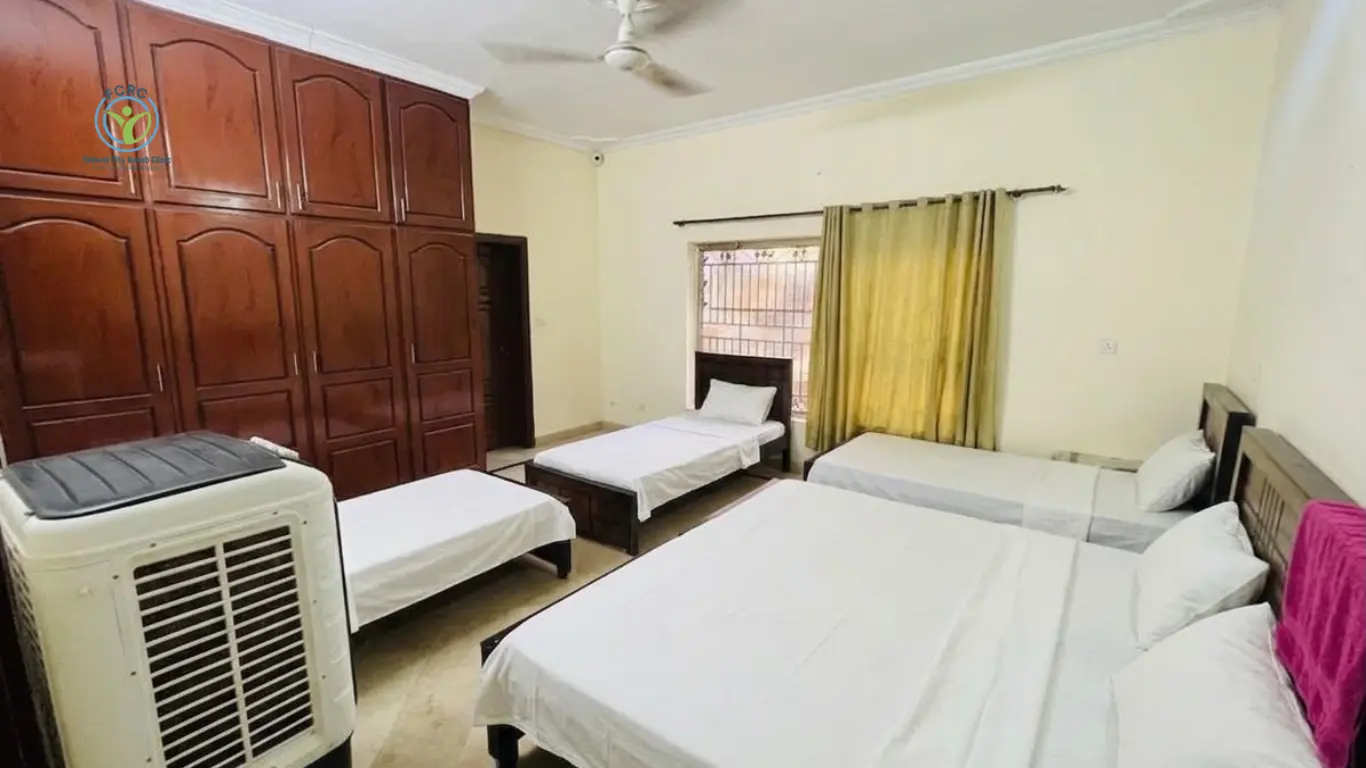
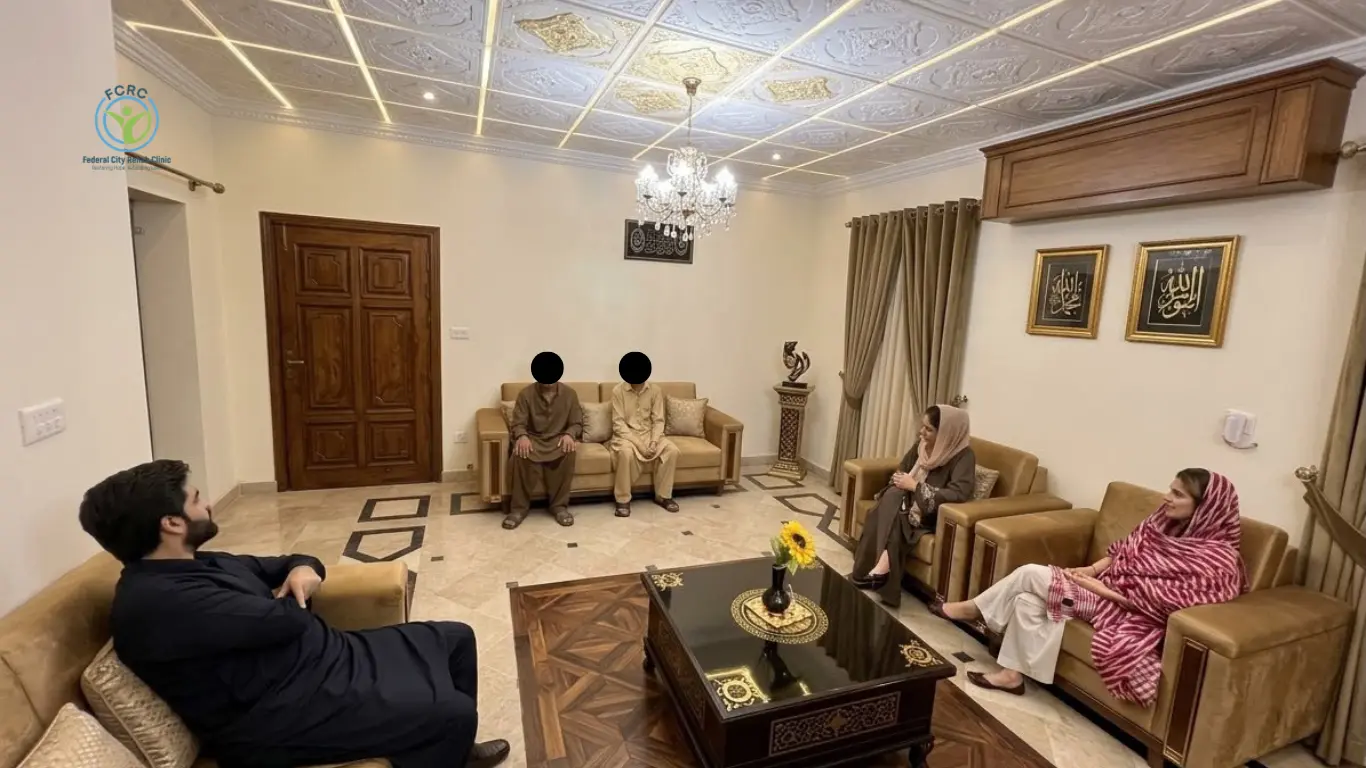
A calm, private and safe setting in Bani Gala, away from the noise and pressure that make symptoms worse.
Confidentiality
Strict privacy for patients and families, from the first call to long after discharge.
Safety
Round the clock supervision, careful medicine monitoring and a team trained to respond early.
Continuity
Depression, anxiety and addiction treated together when they occur together
our facility
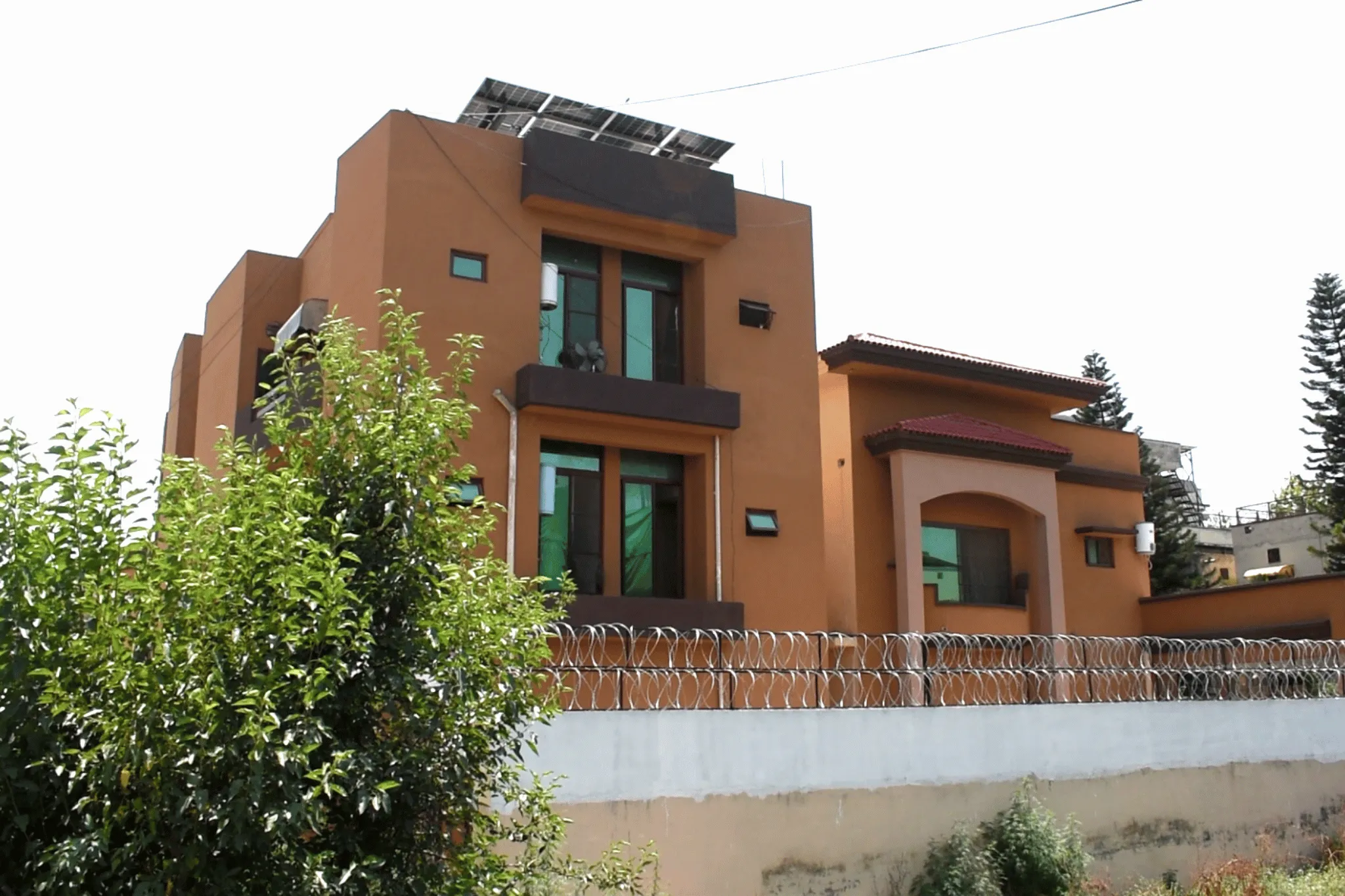
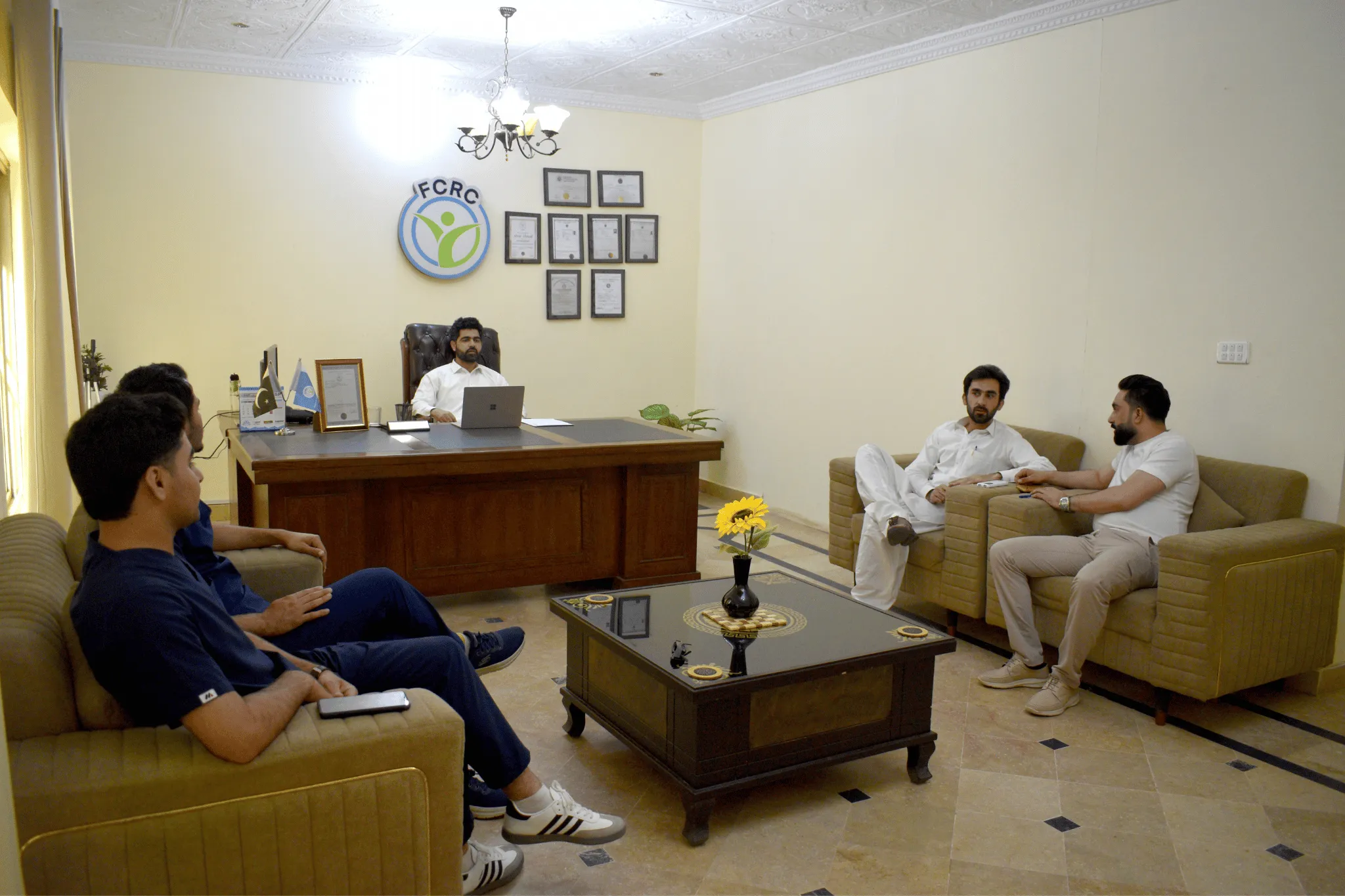
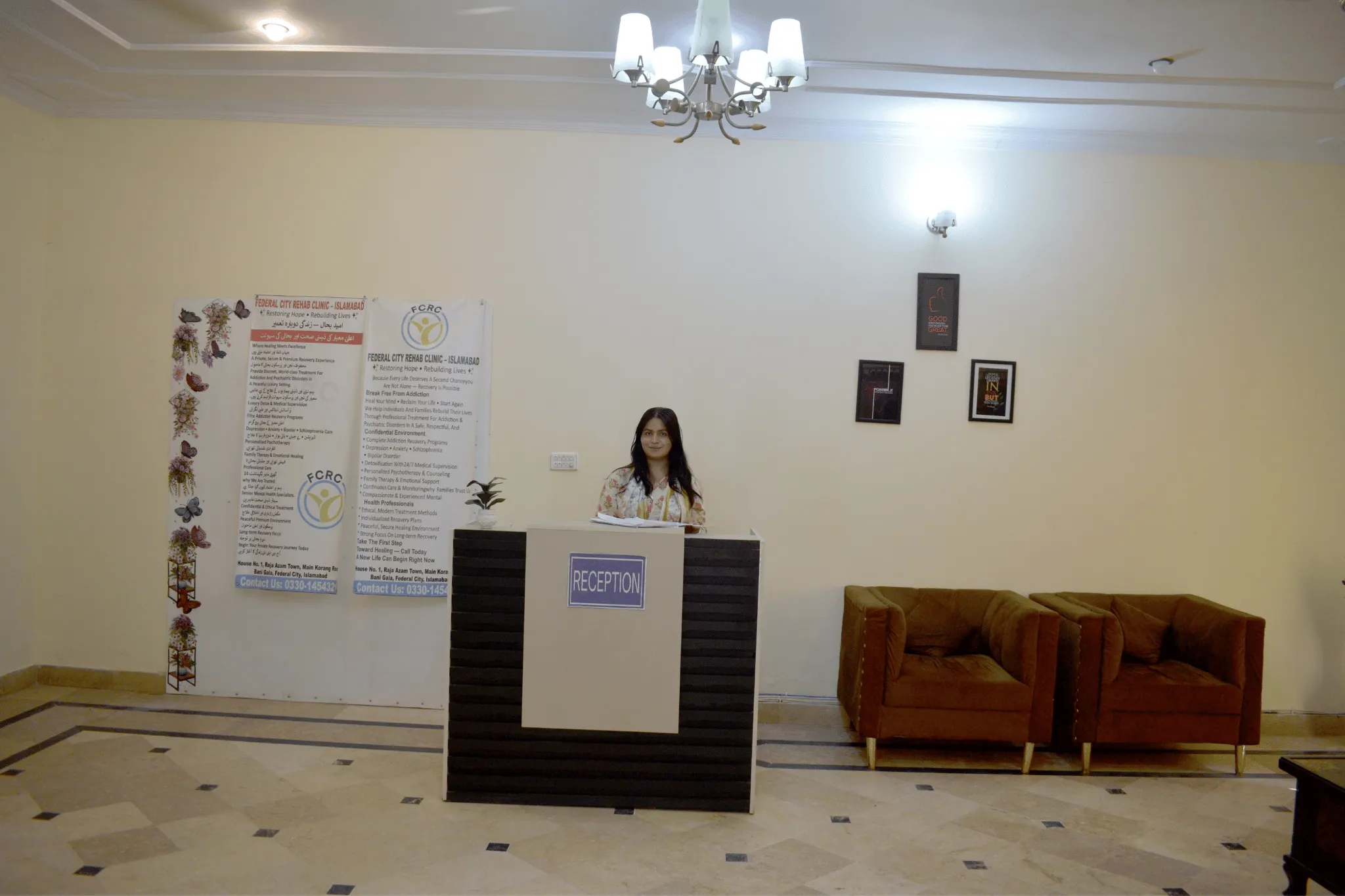
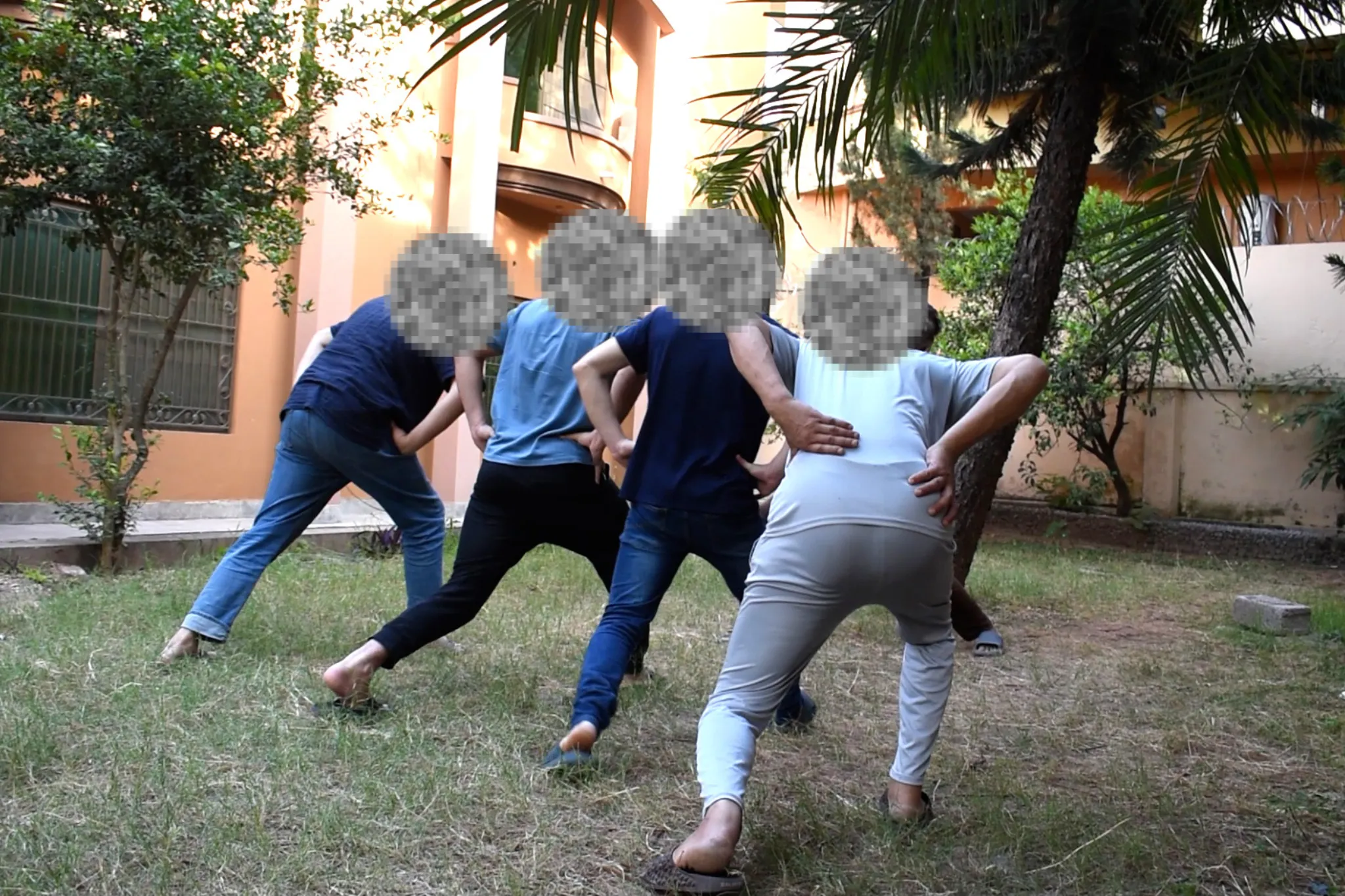
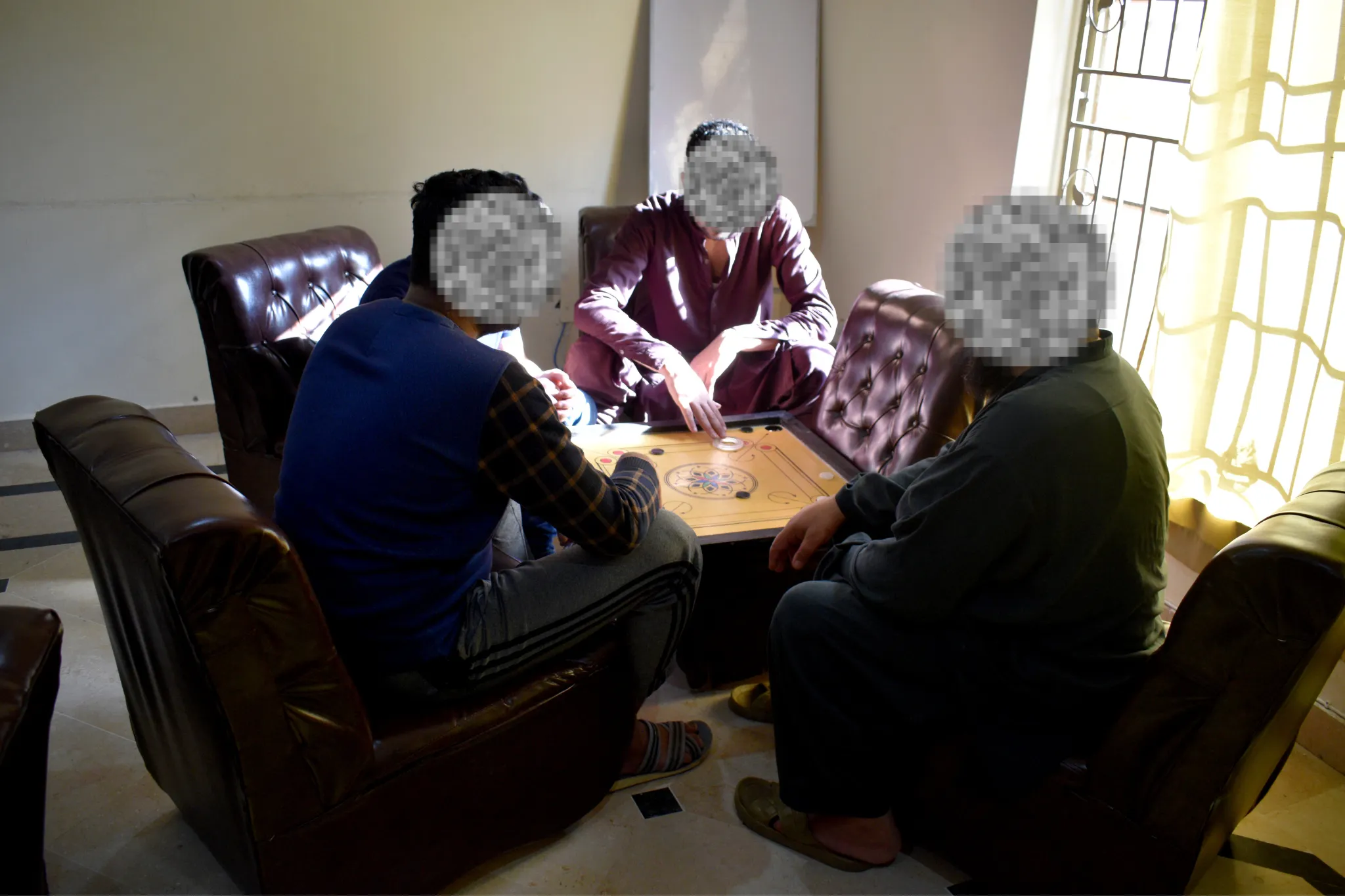
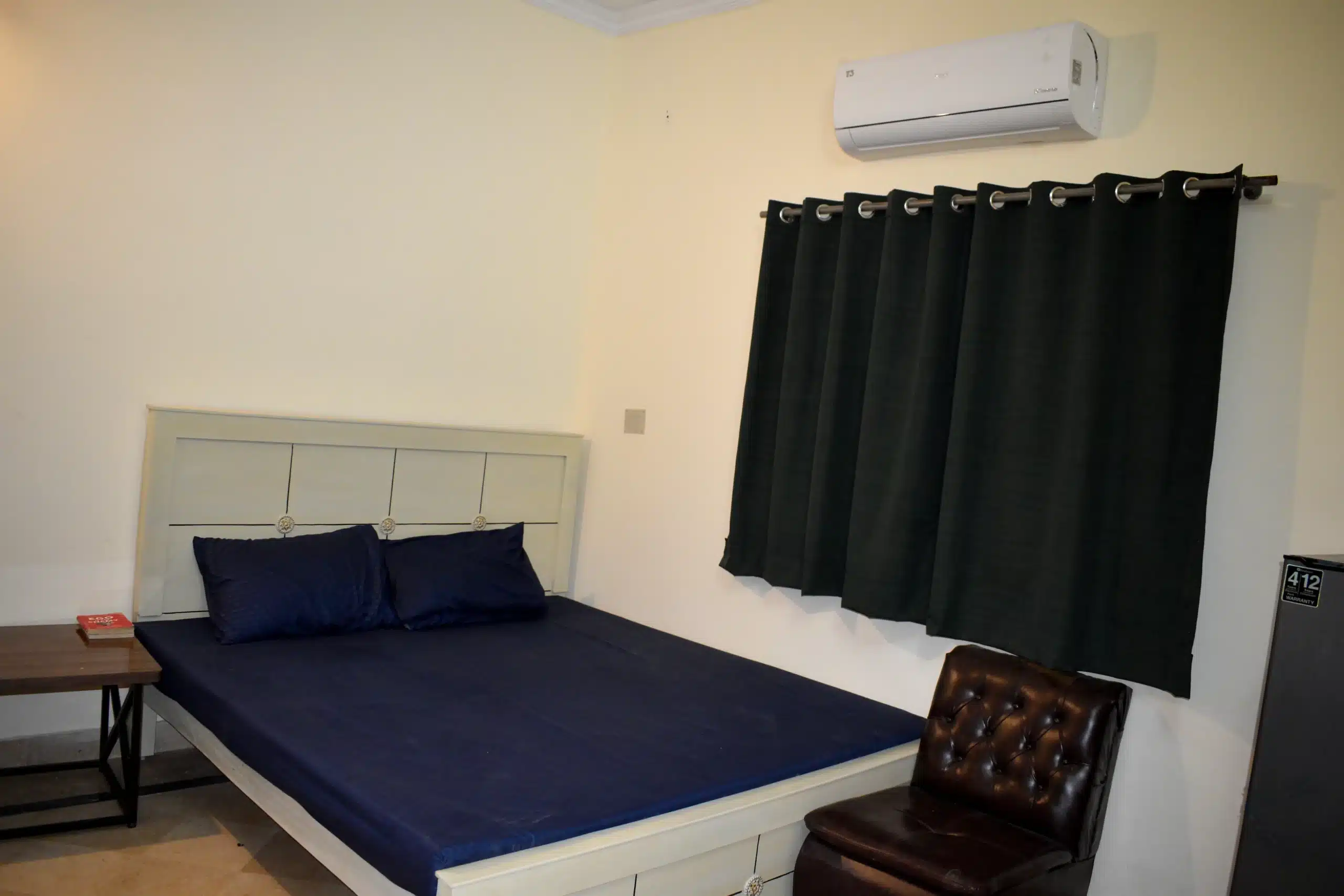
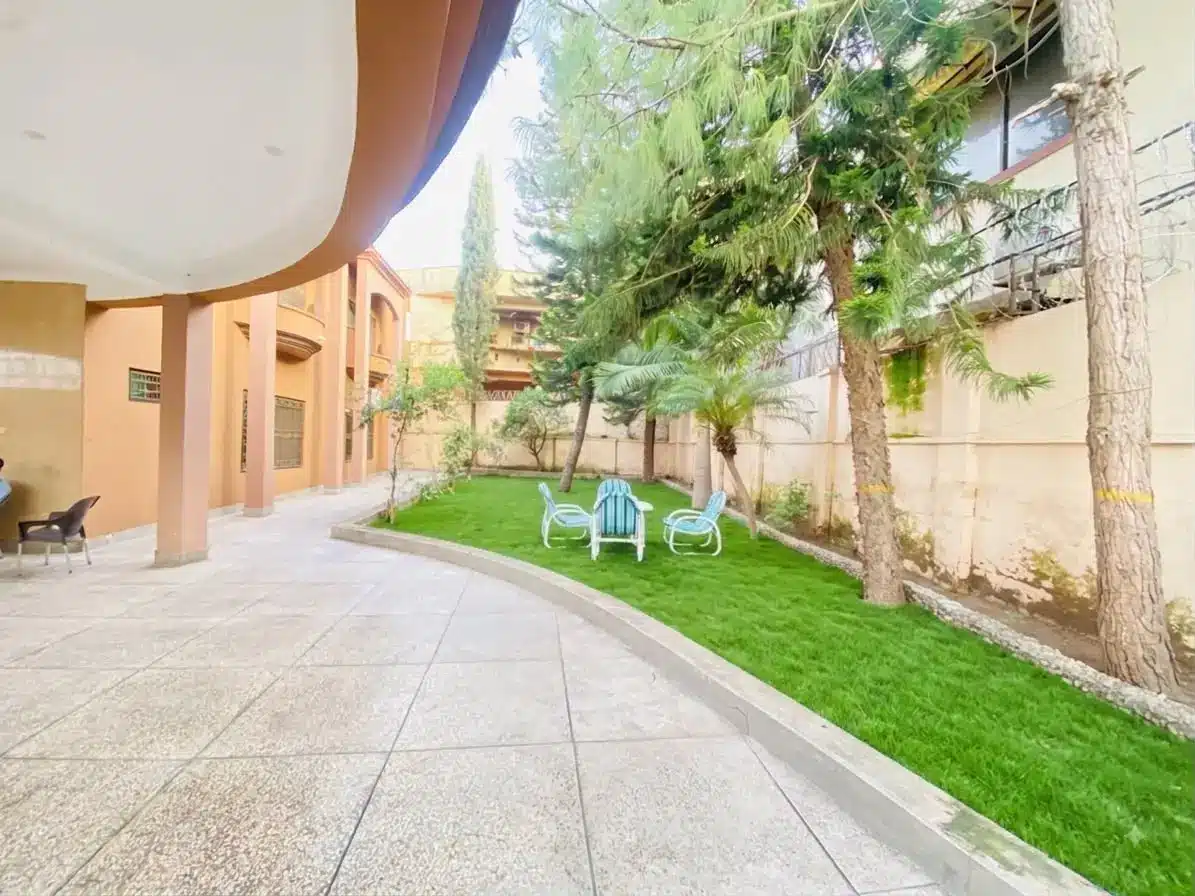
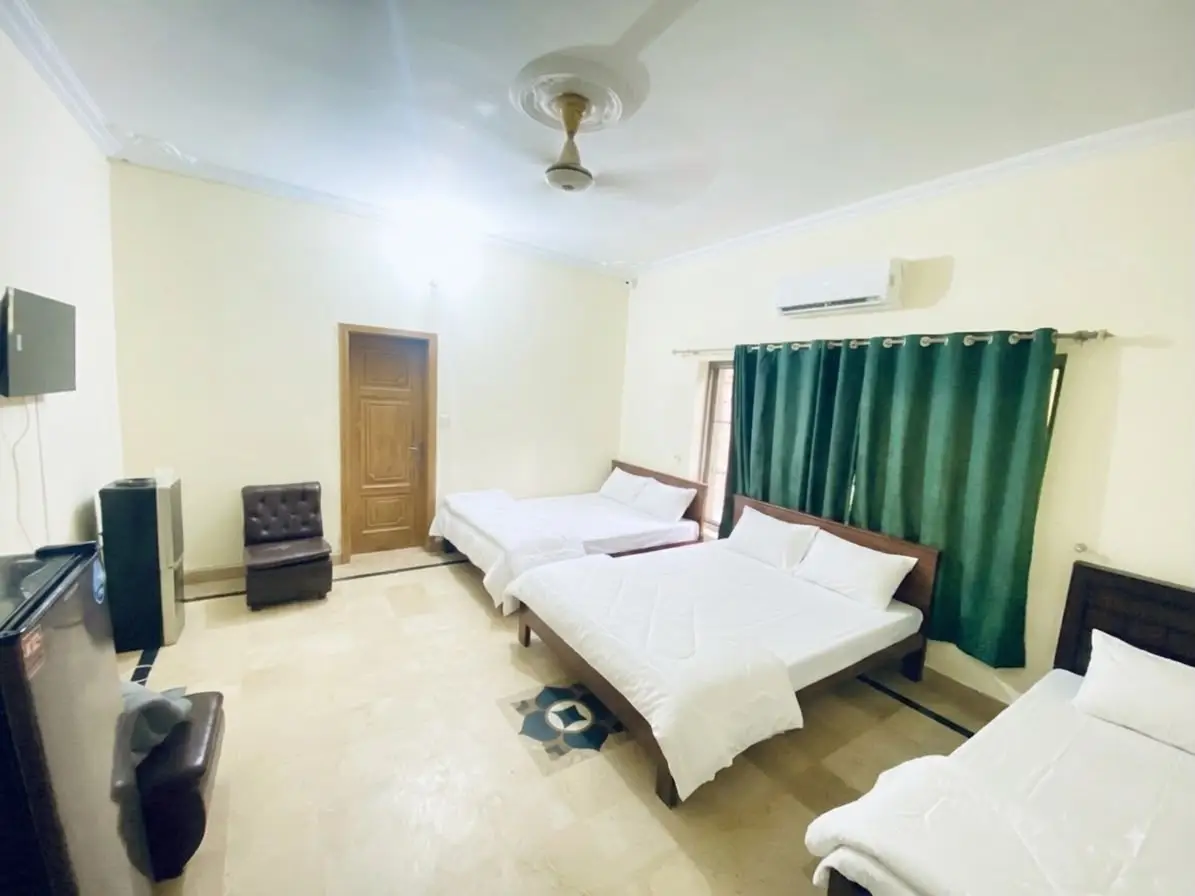
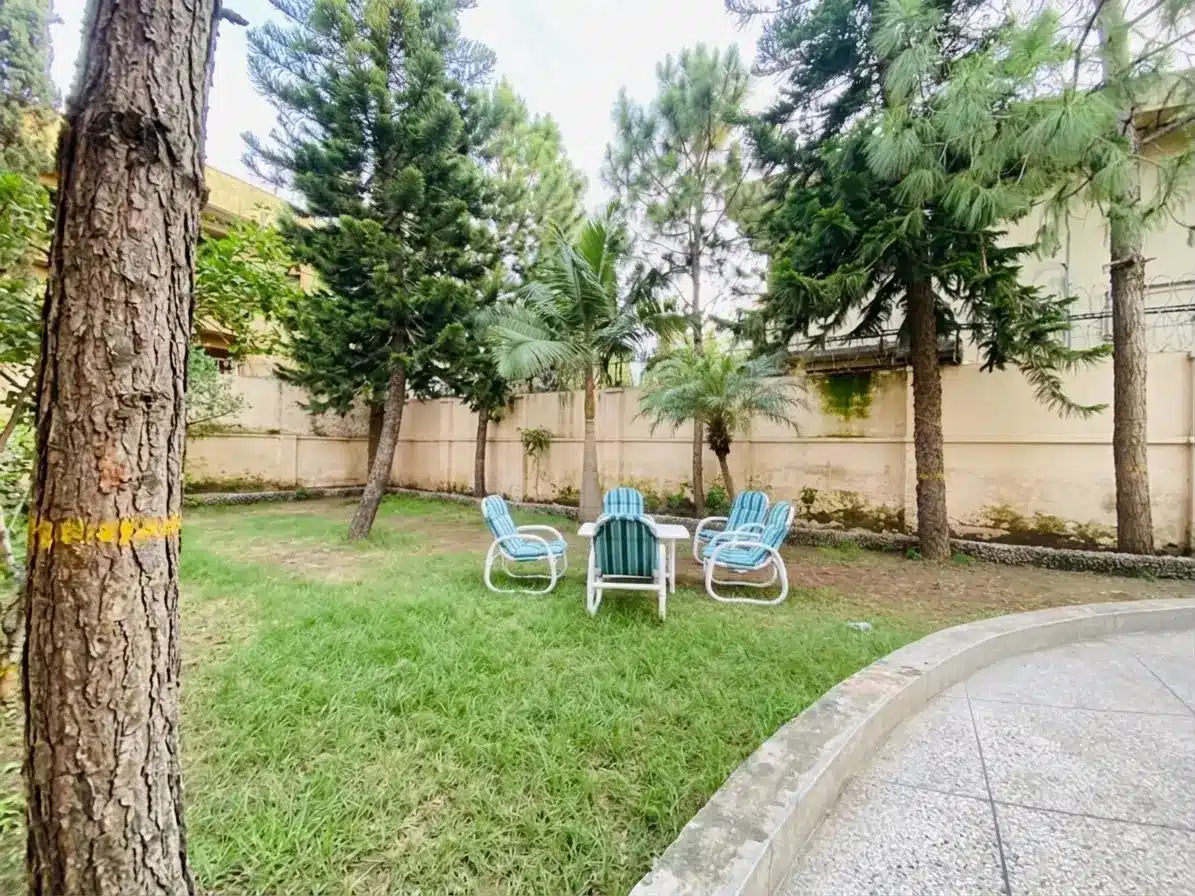
A Place Built for Healing

Who We Serve
- Adults and young adults with long lasting low mood, loss of interest or exhaustion
- People whose depression comes with anxiety, sleep problems or substance use
- Patients who have taken medicine without improvement and want a second opinion
- Women who want to be seen by a psychiatrist in a private setting
- Families looking for help for a relative who has withdrawn or stopped functioning
- Overseas Pakistanis arranging care for a relative in Islamabad (see our Rehabilitation for Overseas Pakistanis page)
frequently asked question
What is the best treatment for depression?
It depends on severity. Mild depression often improves with therapy. Moderate to severe depression usually needs medicine, often with therapy. A psychiatrist decides after assessment.
How do I know if I have depression or just stress?
Stress usually eases when the situation improves. Depression lasts at least two weeks, affects most areas of life and often continues without a clear reason. A psychiatrist can tell the difference.
What are the first signs of depression?
Poor sleep, constant tiredness, loss of interest, irritability and withdrawing from people are common early signs.
Can depression be cured?
Many people recover fully with treatment, and others manage it well over the long term. Depression can return, so follow up and relapse planning matter.
How long does depression treatment take?
It varies. Improvement often starts within weeks, but treatment commonly continues for several months after you feel better to prevent relapse. Your psychiatrist will advise you.
Are antidepressants addictive?
Antidepressants are not addictive in the way sedatives and sleeping tablets can be, but they should not be stopped suddenly. Ask your psychiatrist about stopping safely.
Which medicine is best for depression in Pakistan?
There is no single best medicine. The right one depends on your symptoms, health history, age and other medicine. Please do not choose or change a medicine yourself.
Can depression be treated without medicine?
Mild to moderate depression can sometimes be treated with therapy and lifestyle changes alone. Severe depression usually needs medicine as well.
Is depression linked to weak faith?
No. Depression is a medical condition. Faith can support recovery, and it works best alongside proper treatment.
Does depression cause physical symptoms?
Yes. Fatigue, aches, headaches, stomach problems and sleep changes are common.
Can I take a depression test online?
An online test can show whether you may need help, but it cannot diagnose depression. Try our Free Mental Health Self Check, then see a psychiatrist if the result worries you.
What should I do if I have thoughts of suicide?
Get help immediately. Go to the nearest emergency department or ask someone you trust to stay with you and take you. Tell your psychiatrist about these thoughts.
Book Consultation
Take the First Step Today
You do not need to have everything figured out. You do not need to be certain. You only need to take one step, a conversation with our admissions team, and we will guide you from there at whatever pace feels right.
The team is available 24 hours a day, 7 days a week, 365 days a year. There is no pressure, no judgement and no obligation.
پہلا قدم صرف ایک فون کال ہے۔
0330 1454321
federalcityrehabclinc@gmail.com
Our location
House No. 1, Raja Azam Town, Main Korang Road, Bani Gala, Islamabad