OCD treatment in Islamabad, Pakistan
Expert psychiatric assessment and treatment for obsessive compulsive disorder (OCD), with medicine and specialist therapy in one private program in Bani Gala.
وسوسوں اور بار بار کے خیالات کا مؤثر علاج
client feedbacks
Stories of Recovery
Real Lives, Real Results
Every patient who walks through our doors carries a story. These are a few of the stories that walked back out, rebuilt, restored, and renewed. Names and details shared with full consent.
 Posted on Google

 Muhammad Umer
Trustindex verifies that the original source of the review is Google.
One the best rehab center in the peace of bani gala, Islamabad. 10/10Posted on Google Muhammad Ibrahim AfzalThe best addiction center in Islamabad. A friend of mine was admitted here and they provided the service.Posted on Google
 MALANG BROTHERSThe staff was professional, supportive, and respectful. The environment was comfortable and the overall experience was very good. I appreciate the team’s dedication and carePosted on Google
 Khan KhanBest facility for drug addiction treatmentPosted on Google
 Fozia Fozia khanMy experience at Federal City Rehab Clinic has been genuinely positive. The therapeutic environment is calm and well-suited to patient recovery, promoting both psychological and physical wellbeing. The clinical staff demonstrate a high level of professionalism, with consistent, patient-centered care. Medication administration and treatment protocols are followed with appropriate diligence, ensuring timely and accurate delivery of prescribed care. Hygiene and sanitation standards are well maintained throughout the facility, reflecting strong infection-control practices. Nutritional care is also handled thoughtfully, with meals catering appropriately to patient requirements. Overall, FCRC operates as a well-managed, clinically sound rehabilitation facility. Highly recommended.Posted on Google
 Malang JanExcellent rehabilitation center with professional staff, quality treatment, and compassionate care.Posted on Google
 M JHighly recommended for excellent treatment, caring staff, and quality patient care.Posted on Google
 Muhammad IlyasI have such great experiences here ! Very professional and authentic approach towards patient and families. Recommended for addictions and psychological treatmentPosted on Google
 Hidayat KingI had a very positive experience with this rehabilitation center. The staff are caring, respectful, and available whenever patients need support. The doctors, psychologists, and medical team are highly professional and genuinely dedicated to helping people recover. The environment is clean, safe, and peaceful. Patients receive their medications on time, nutritious meals are provided regularly, and daily therapy and activities are well organized. I highly recommend this rehabilitation center to anyone looking for quality care and a supportive recovery environment.Verified by TrustindexTrustindex verified badge is the Universal Symbol of Trust. Only the greatest companies can get the verified badge who has a review score above 4.5, based on customer reviews over the past 12 months. Read more
Service List
Therapist Detail
Dr. Obaid Ullah Khan | Consultant Psychiatrist
Need Any Help ?
0330 1454321
You are not weak, and you are not alone
People with OCD often suffer in silence for years. They wash their hands until the skin cracks, check the stove or the door again and again, repeat a prayer because it did not feel right, or fight thoughts that horrify them and that they never wanted. Many feel ashamed. Some are told it is a lack of faith, a bad habit or something to ignore. Families often do not know what they are seeing.
OCD is a medical condition. It is not a character flaw and it is not a test of faith. The thoughts are not a sign of what you want or who you are. The National Institute of Mental Health describes OCD as a common, long lasting disorder in which a person has uncontrollable, recurring thoughts and behaviors that they feel the urge to repeat. It is also treatable, and most people improve with the right care.
This page explains the symptoms, the types of OCD, how a psychiatrist diagnoses it and what treatment involves. If you want to talk to someone now, Talk to our admissions team on WhatsApp. Your message is confidential.
What is OCD
Obsessive compulsive disorder has two parts.
Obsessions are unwanted thoughts, images or urges that keep coming back and cause fear, disgust or doubt. You cannot dismiss them, even though you may know they make little sense.
Compulsions are actions or mental rituals that you feel you must do to reduce the distress or to prevent something bad from happening. They bring short relief, then the doubt returns and the cycle repeats.
OCD becomes a disorder when it takes more than about an hour a day, causes real distress, or interferes with work, study, relationships or daily life. In Urdu it is often described as وسوسے کی بیماری.
Symptoms of OCD
Common compulsions
- Washing and cleaning again and again
- Checking doors, locks, appliances or messages
- Repeating a prayer, a phrase or an action until it feels right
- Counting, tapping or arranging things
- Asking others for reassurance again and again
- Mental rituals such as silent praying, replaying events or neutralizing a thought with another thought
- Avoiding places or people that trigger the fear
Common obsessions
- Fear of germs, dirt or contamination
- Doubt that you locked, switched off or closed something
- Fear of harming someone, even though you would never want to
- Unwanted violent, sexual or blasphemous thoughts
- A need for things to be exactly in order or symmetrical
- Doubt about whether prayer, wudu or ghusl was done correctly
Many rituals are invisible. A person can look calm while fighting an exhausting battle inside.
Types of OCD
OCD can take different forms, and one person may have more than one.

Contamination OCD
Fear of germs, illness or being unclean, often with heavy washing.

Checking OCD
Repeated checking to prevent harm or a mistake.

Symmetry and order OCD
A need for things to feel exactly right.
Harm and intrusive thought OCD
Unwanted violent or sexual thoughts that horrify the person.

Religious OCD, also called scrupulosity
Fear of having sinned, doubts about prayer, purity or faith, and endless repeating of worship. This is not a weakness of faith. It is OCD attaching itself to what matters most to you, and it needs a clinician who understands both.

Relationship and health related OCD
Constant doubt about a partner or constant fear of a serious illness.
OCD or something else
OCD is different from being tidy, careful or religious. It is also different from anxiety, although the two often occur together. A psychiatrist will assess whether your symptoms fit OCD, anxiety, depression, tic disorders or another condition. See our Anxiety Disorder Treatment and Depression Treatment pages.
Causes and risk factors
No single cause is known. OCD is linked to a mix of:
- Family history of OCD or other mental illness
- Differences in how certain brain circuits work
- Stressful or traumatic life events
- Personality traits such as a strong need for control or perfection
- In some children, a sudden onset after an infection, which needs a doctor to assess
It is not caused by weak faith, poor parenting or lack of willpower.
Is it time to get help?
Consider seeing a psychiatrist if:
- Obsessions or rituals take more than an hour a day
- You feel unable to stop even though you want to
- Rituals make you late, tired or unable to work or study
- Hands, skin or health are being damaged by washing or checking
- You avoid places, people or tasks because of fear
- You are using tablets, alcohol or other substances to cope
- Your family is being pulled into your rituals
You can also take our Free Mental Health Self Check. It uses questionnaires for low mood and anxiety. It does not test for OCD, but it can help you decide whether to book a visit.
If you or someone near you is thinking about suicide or self harm, treat it as an emergency. Go to the nearest emergency department and do not leave the person alone.
how we work ?
Our OCD treatment program in Islamabad
FCRC’s OCD treatment program follows a clear clinical framework, personalised to every patient.
Private psychiatric assessment
A consultant psychiatrist listens to your story and asks about your thoughts, rituals, how much time they take, what you avoid, your mood, sleep, family history and any medicine or substances you use. We make the assessment unhurried, because many people find it hard to say aloud what their thoughts are.
Diagnosis and explanation
You are told whether you have OCD, how severe it is and what it means, in plain language. For many people it is a relief to learn that these thoughts have a name and that they are common in OCD.
Personal treatment plan
The plan depends on severity. Mild OCD may respond to therapy alone. Moderate and severe OCD usually needs therapy together with medicine.
Specialist therapy: ERP
The main therapy for OCD is exposure and response prevention, known as ERP, a form of CBT. Step by step, and at a pace agreed with you, you face the feared thought or situation without performing the ritual, and you learn that the fear fades and nothing terrible happens. Our psychologists also use wider CBT and Counseling and Therapy to deal with the beliefs and stress that feed OCD.
Medicine when needed
When medicine helps, the psychiatrist chooses it carefully, explains side effects and reviews progress. See the section on medicine below.
Family support and follow up
Our Family Support Program teaches relatives how to stop joining in rituals and how to give reassurance in a way that helps rather than feeds the cycle. Follow up visits adjust treatment, and our Aftercare Planning supports lasting recovery.
our facility
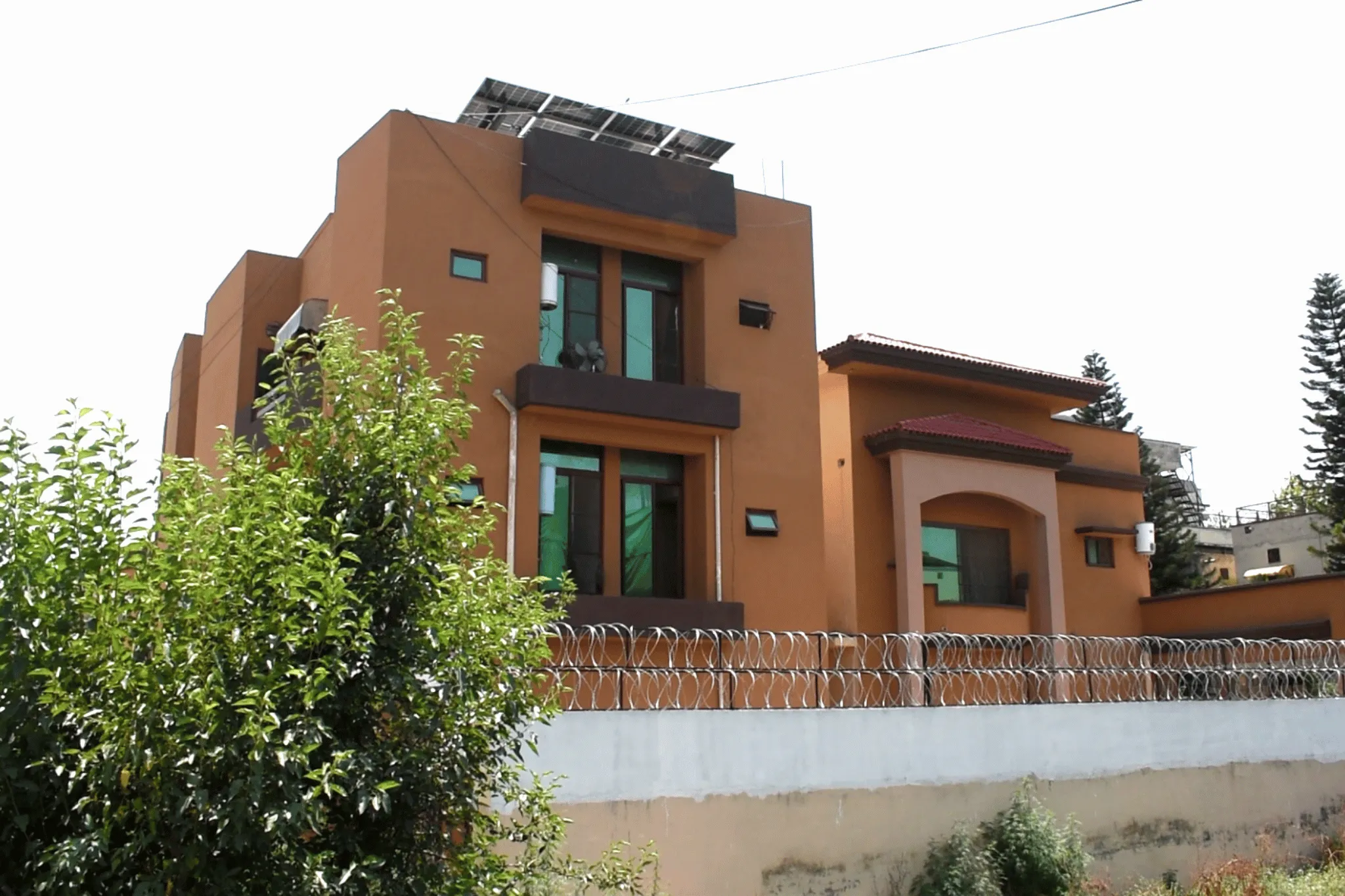
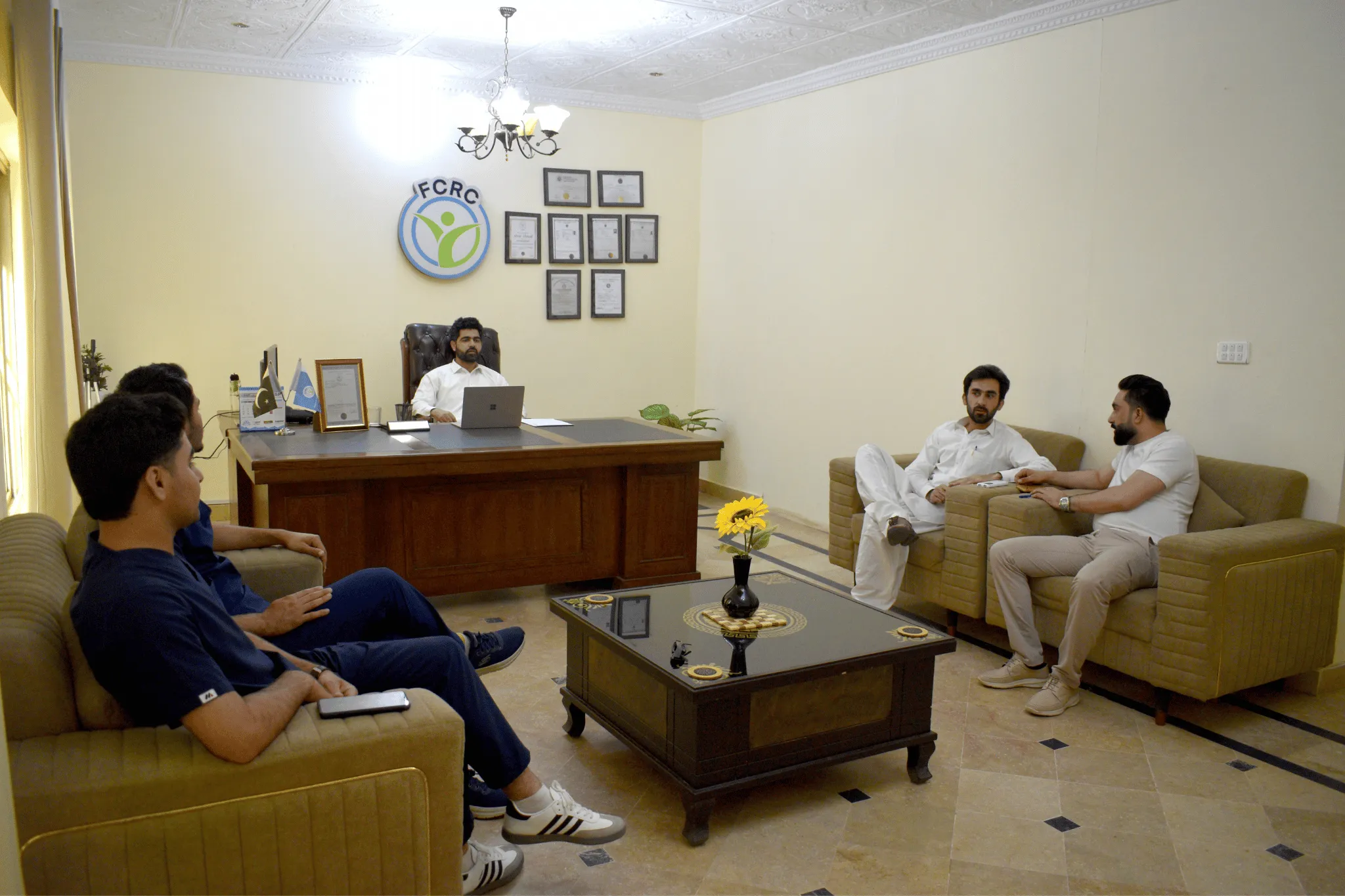
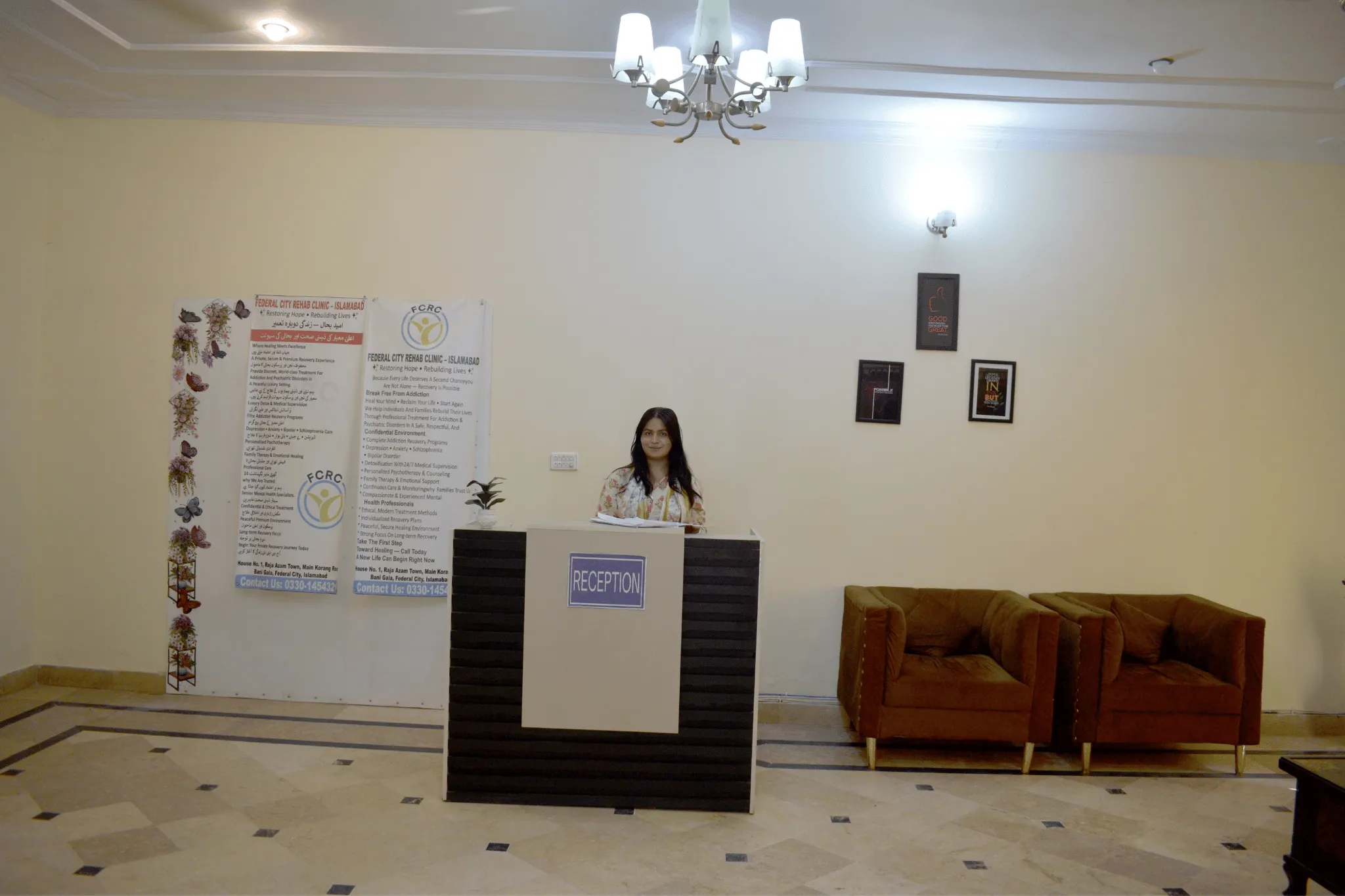
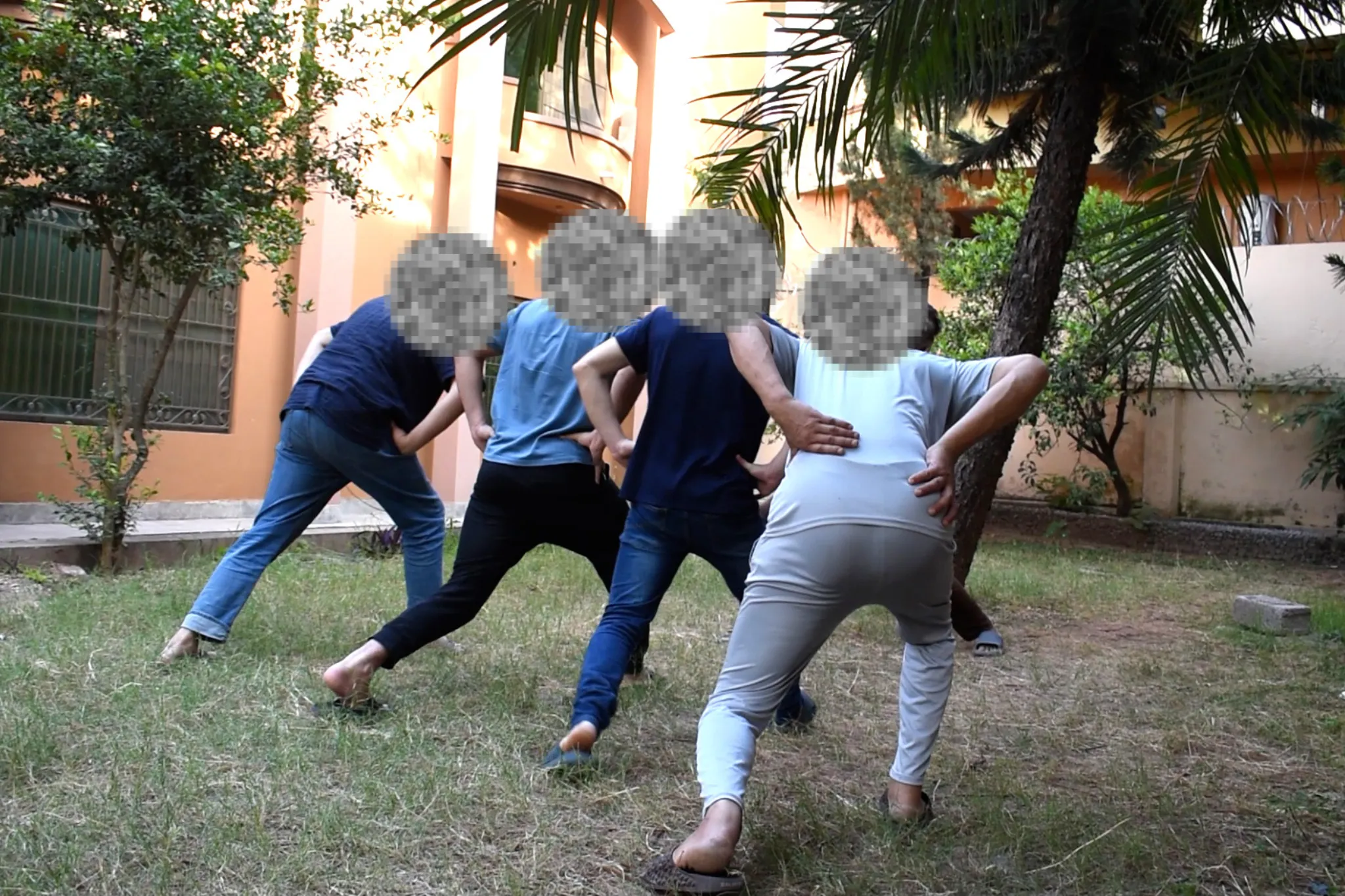
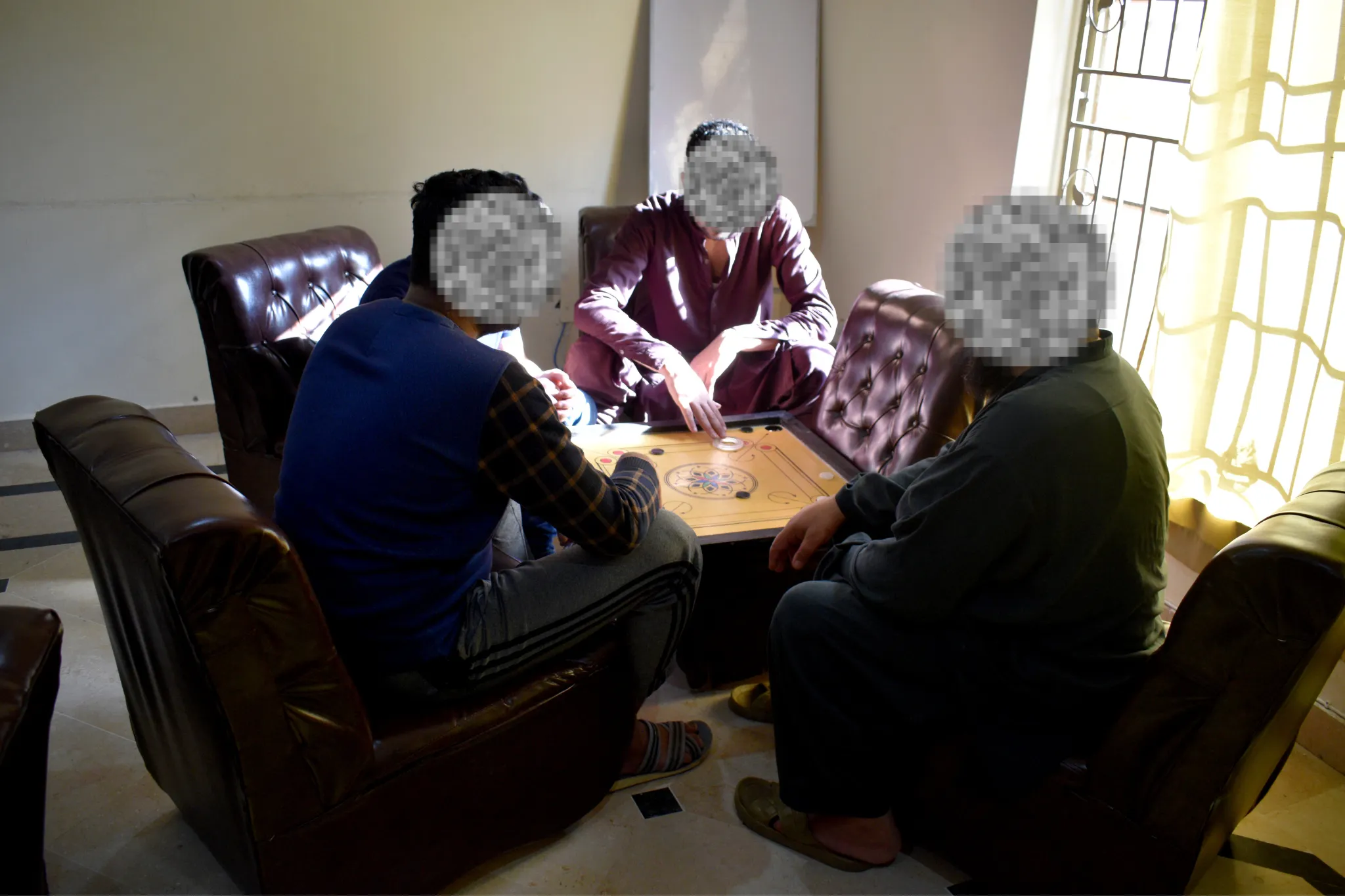
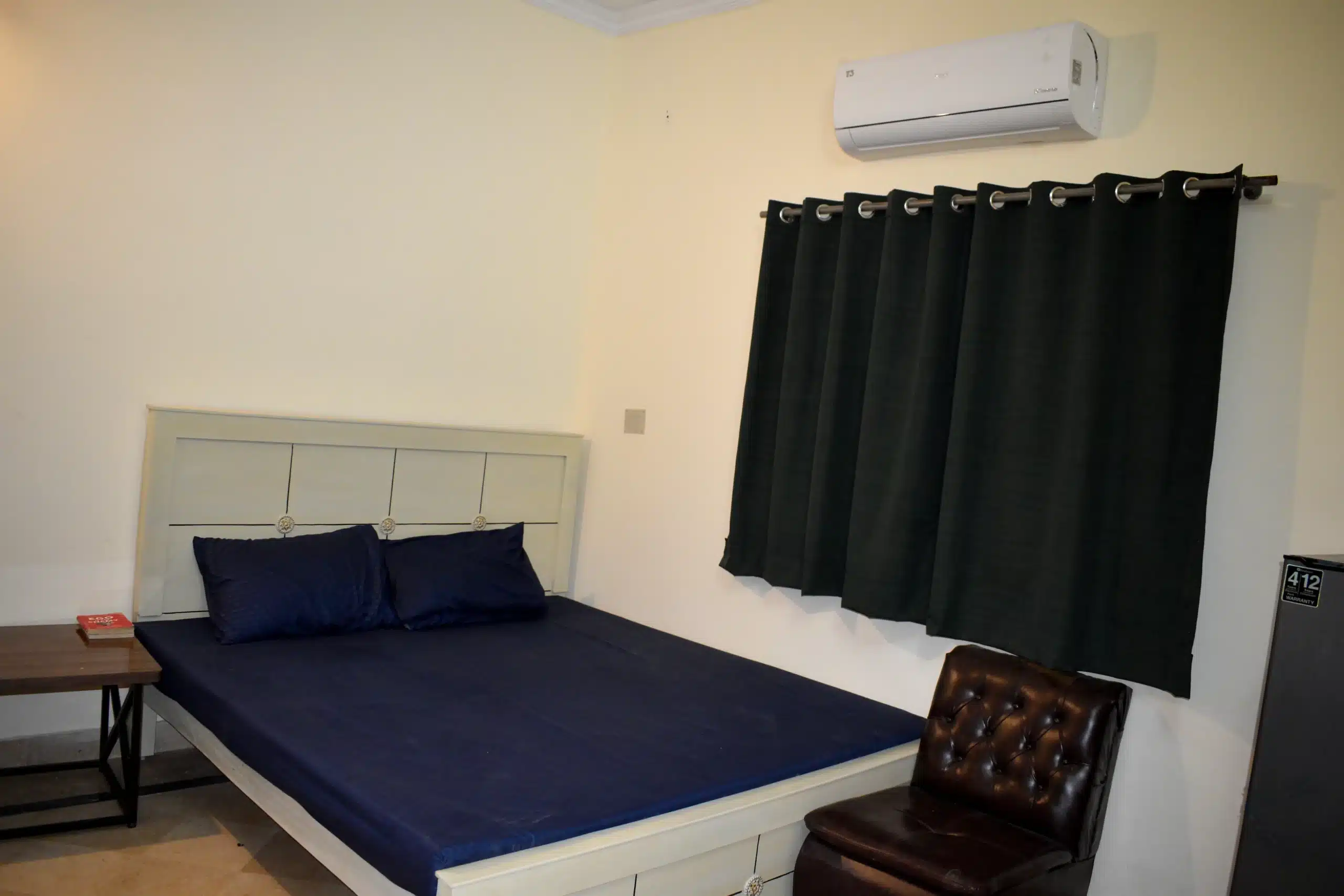
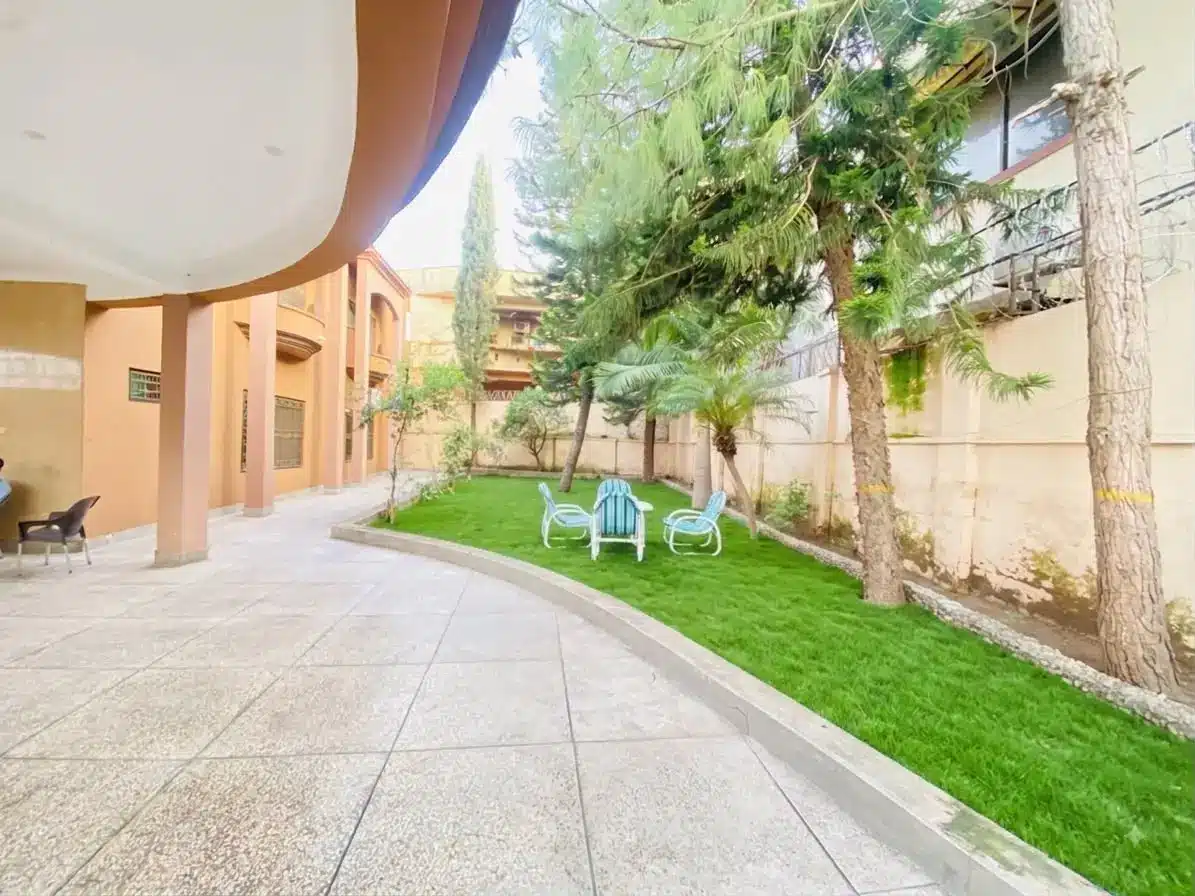
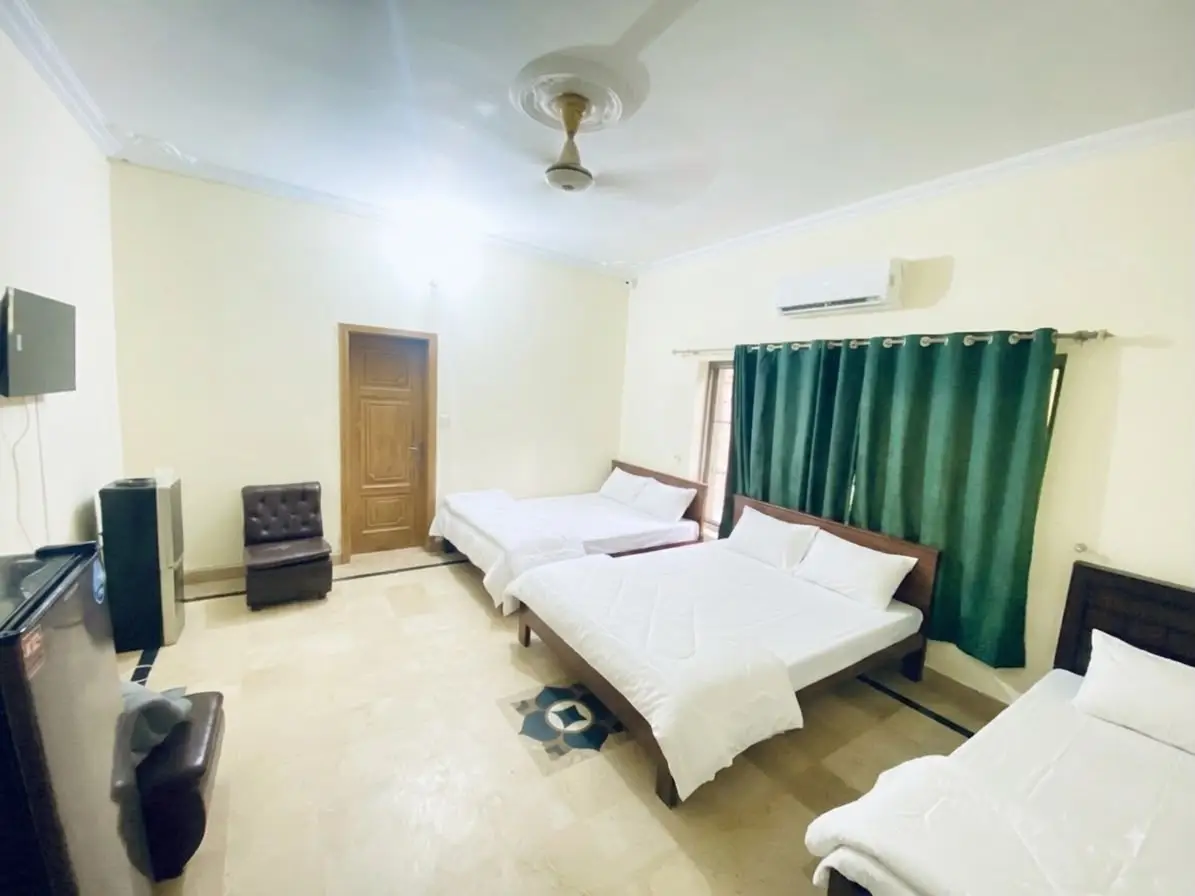
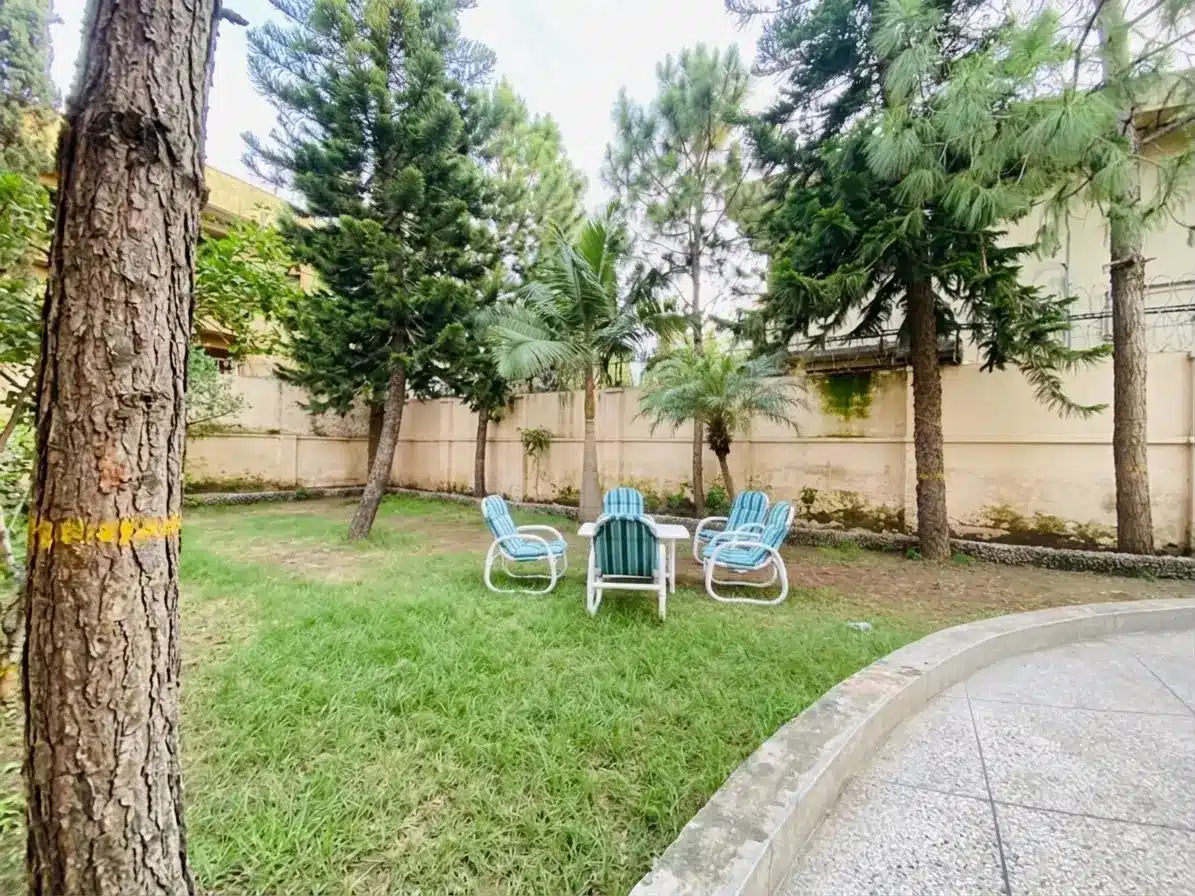
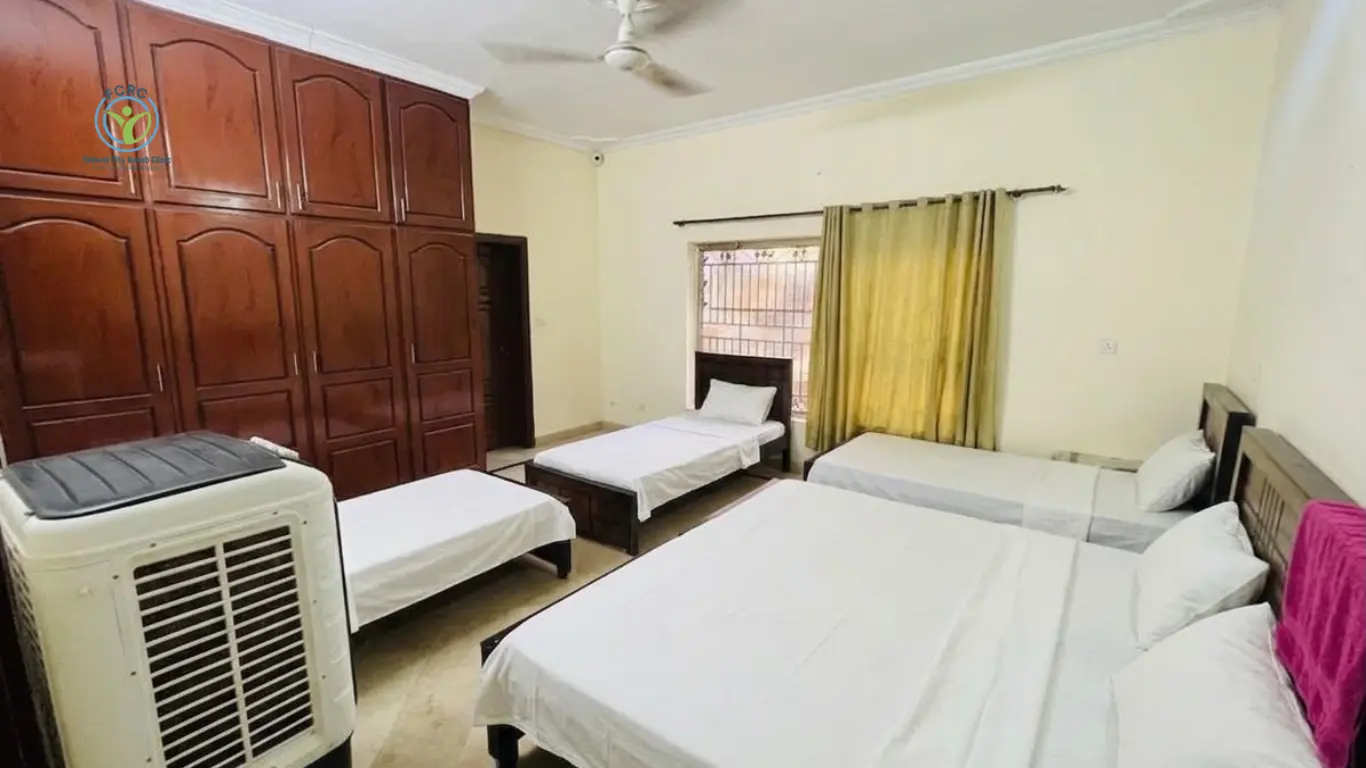
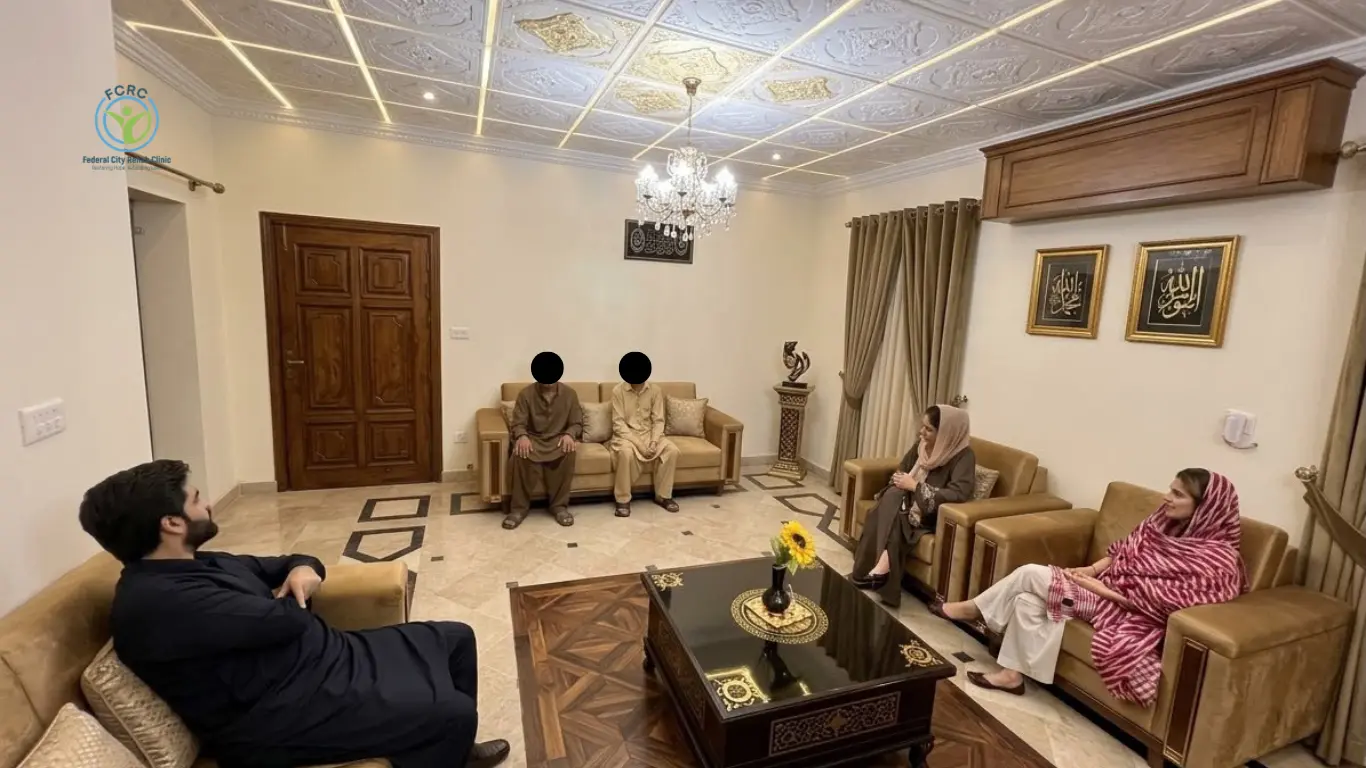
A Place Built for Healing

How to choose an OCD treatment center in Islamabad?
- Choose a qualified psychiatrist who completes a full assessment before prescribing.
- Ask whether ERP is offered. Talking therapy that only reassures does not treat OCD.
- Be careful of anyone who promises a quick cure or tells you to stop prescribed medicine.
- Ask how family members will be involved.
- Check that depression, anxiety and addiction are screened for.
- If your obsessions are religious, choose a clinician who is respectful of your faith.
Why choose FCRC for OCD treatment in Islamabad, Pakistan?
Because trust, experience and results matter most.
(اس لیے کہ اعتماد، تجربہ اور نتائج سب سے اہم ہیں۔)
500+
Patients Treated
15+ Years
Expert Care
24/7
Always Available
Clinical team
Treatment is led by a consultant psychiatrist and supported by clinical psychologists who work together on every case, so medicine and ERP therapy are planned as one.
Environment
A calm, private and safe setting in Bani Gala, away from the daily triggers and pressure that keep rituals going.
Confidentiality
Strict privacy for patients and families, from the first message to long after treatment ends. Nothing is shared without your agreement.
Safety
Careful assessment at the first visit, close medicine monitoring and a team trained to respond early if symptoms get worse. Residential care is available when needed.
Accreditation
Federal City Rehab Clinic is accredited by the Islamabad Healthcare Regulatory Authority (IHRA), so your care meets recognized standards for safety and quality.
Who We Serve
Patients from across Pakistan.
- We regularly see patients from
- Islamabad
- Rawalpindi
- Peshawar
- Lahore
- Multan
- Karachi
- Swat
- and all other major cities
- For patients from outside Islamabad who need to stay with us, our admissions team coordinates transport and a discreet, professionally managed arrival
- Adults and young adults with repeated unwanted thoughts and rituals such as washing, checking or repeating
- People whose OCD centers on prayer, purity or religious doubt
- People whose OCD comes with depression, anxiety or substance use
- Patients who have taken medicine without enough improvement and want a second opinion
- Families looking for help for a relative whose rituals are taking over daily life
- Women can be seen in a private setting, and we operate a dedicated female rehabilitation program for women who need a gender specific care environment (see our Female Rehabilitation page)
- Overseas Pakistanis arranging care for their loved one in Islamabad (see our Rehabilitation for Overseas Pakistanis page)
Outpatient or residential care
Many people with OCD improve with outpatient visits and regular therapy. Residential care is considered when OCD is severe, when rituals prevent normal life, when depression or addiction is also present, or when a calm place away from daily triggers is needed to start ERP safely. See our Outpatient Rehab Program and Inpatient Rehab Program pages.
Medicine for OCD
- Certain antidepressants, particularly a group called SSRIs, are the main medicines used for OCD. A psychiatrist may also use other medicines when the first choice does not work fully.
- OCD medicine often needs higher doses and more time than medicine for depression. Improvement can take several weeks to months, so please do not stop early.
- Side effects are explained at the start, and your psychiatrist reviews them at every visit.
- Do not start, stop or change a medicine on your own.
- Tablets bought for sleep or “nerves” without a prescription are not a treatment for OCD and some can cause dependence. See our Xanax and Tramadol Addiction Treatment and Pregabalin Addiction Treatment pages.
Medicine alone does not teach you to face the fear. That is why therapy is a core part of our plan.
OCD treatment without medicine
Some people prefer to start with therapy, and for mild OCD this can be enough. ERP has strong evidence behind it. If symptoms are severe, if therapy alone is not enough, or if depression is also present, your psychiatrist may recommend adding medicine. The decision is made together with you.
When OCD does not improve
If symptoms persist after proper treatment, the psychiatrist reviews the diagnosis, checks that therapy and medicine are being used correctly and for long enough, looks for other conditions such as depression, and adjusts the plan. OCD that has resisted treatment can still improve. Do not give up after one attempt.
OCD and religion
For many people in Pakistan, OCD appears around prayer, wudu, ghusl and purity. A person may repeat prayers for hours or fear that every act of worship is invalid. This is not a sign of weak faith or of excessive piety. It is a medical condition that makes faith feel like a burden. Treatment does not ask you to give up your faith. It helps you practice it without fear and exhaustion. We encourage you to tell us at your first visit if your obsessions are religious, so that your care is planned with respect.
OCD and addiction
Some people use alcohol, tablets or drugs to quiet obsessive thoughts. These can bring brief relief and then make OCD and mood worse, and they create dependence. Our Dual Diagnosis Treatment page explains how we treat OCD and addiction together.

Supporting a family member with OCD
- Learn that the rituals are driven by fear, not by choice
- Do not scold or tell them to stop. It does not work
- Try not to take part in rituals or give repeated reassurance. Your psychiatrist or therapist will guide you
- Praise effort in facing fears, not only results
- Encourage a visit to a psychiatrist and offer to go along
- Look after your own wellbeing
Children and young people
OCD often begins in childhood or the teenage years. If your child has rituals, extreme hand washing, distress when things are out of place or sudden new fears, please tell us when you contact us so that the right clinician is involved.
What affects the cost of OCD treatment
We do not publish a fixed price here, because it depends on your needs. The main factors are:
- Whether you need outpatient visits or residential care
- The number of follow up visits and therapy sessions
- Tests and medicine required
- Family sessions
- Any other condition that needs treatment at the same time
Message us on WhatsApp and the admissions team will explain the cost clearly before you decide.
frequently asked question
What is the best treatment for OCD?
ERP, a type of CBT, is the main therapy, and certain antidepressants called SSRIs are the main medicines. Many people do best with both. A psychiatrist decides after assessment.
What are the first signs of OCD?
Repeated unwanted thoughts, rituals that take a lot of time, extreme hand washing or checking, and distress when rituals are interrupted.
Is OCD just being clean or perfect?
No. Being tidy is a preference. OCD brings fear, takes hours, and does not feel like a choice.
Can OCD be cured?
Many people improve a great deal and some recover fully. OCD can return during stress, so follow up and relapse planning matter.
How long does OCD treatment take?
It varies. ERP usually takes several weeks to months. Medicine often takes several weeks to work and is continued for some time after you feel better. Your psychiatrist will advise you.
Which medicine is best for OCD in Pakistan?
There is no single best medicine. The right one depends on your symptoms, health history and other medicine. Please do not choose or change a medicine yourself.
Can OCD be treated without medicine?
Mild OCD can often be treated with ERP alone. More severe OCD usually needs medicine as well.
Is religious OCD a sign of weak faith?
No. It is a medical condition. Treatment helps you practice your faith without fear and exhaustion.
Are intrusive thoughts dangerous?
Unwanted violent or sexual thoughts are common in OCD and do not mean you will act on them. People with OCD are usually horrified by them. Tell your psychiatrist so that you can be properly helped.
Can children have OCD?
Yes. OCD often starts in childhood or the teenage years. Tell us the age of the patient when you contact us.
Is OCD the same as anxiety?
They are different conditions that often occur together. OCD involves obsessions and compulsions, while anxiety disorders involve excessive worry or fear. A psychiatrist can tell them apart.
Can you treat OCD and addiction together?
Yes. We treat them under one plan. See our Dual Diagnosis Treatment page.
Book Consultation
Take the First Step Today
You do not need to have everything figured out. You do not need to be certain. You only need to take one step, a conversation with our admissions team, and we will guide you from there at whatever pace feels right.
The team is available 24 hours a day, 7 days a week, 365 days a year. There is no pressure, no judgement and no obligation.
پہلا قدم صرف ایک فون کال ہے۔
0330 1454321
federalcityrehabclinc@gmail.com
Our location
House No. 1, Raja Azam Town, Main Korang Road, Bani Gala, Islamabad