Cocaine: What It Is, Effects, Addiction And Treatment
Most people who search for cocaine in Pakistan are not users. They saw the word in a film or a news story, or they are worried about a son, a husband or a friend who is acting differently. This guide is for both groups. It explains what cocaine is, how it affects the body, why it is dangerous, how addiction develops, what withdrawal looks like and how treatment works.
It is general information, not medical advice. If you are worried about your own use or someone else’s, Talk to our admissions team on WhatsApp. Your message is confidential.
What is cocaine?
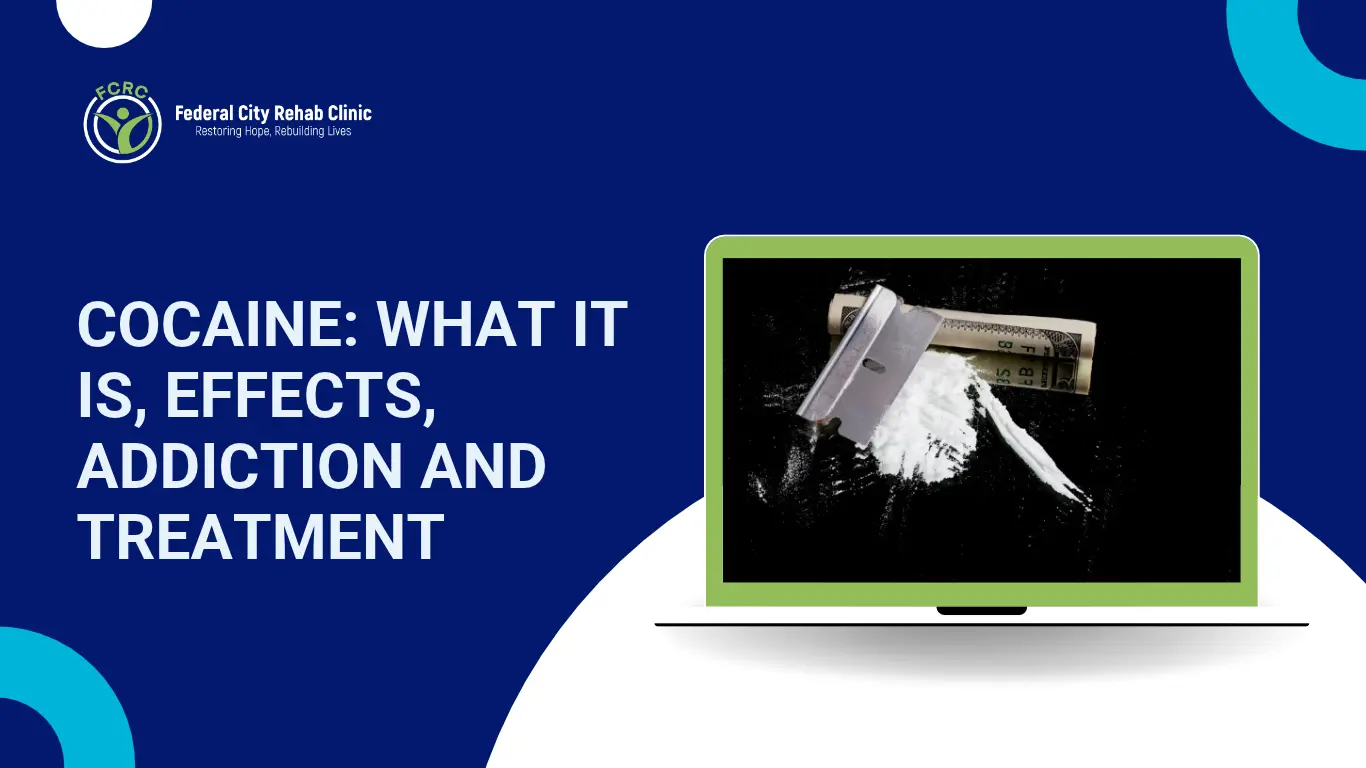
The cocaine drug is a powerful, addictive stimulant. According to the US National Institute on Drug Abuse (NIDA), it is made from the leaves of the coca plant, which is native to South America. A stimulant speeds up the brain and the body. Cocaine is sold illegally, and it has only very limited medical uses, such as local anesthesia in some eye, ear and throat surgeries.
MedlinePlus adds that street cocaine is usually a white powder that dealers often mix with other substances. So a person using it rarely knows exactly what they are taking.
Cocaine meaning in simple words: the cocaine drug is a stimulant taken to feel energetic and confident for a short time. The price is a hard crash afterward, serious risk to the heart and a high chance of addiction.
Cocaine plant and the main forms
The coca plant grows in South America, not in Pakistan. The drug is made from its leaves and reaches users as one of two forms, as NIDA explains:
- Cocaine powder (cocaine hydrochloride). It is usually snorted, and sometimes rubbed on the gums or dissolved and injected.
- Crack cocaine. This is a smokable form. The name comes from the crackling sound of the rock as it is heated. Smoking and injecting get the drug into the blood faster than snorting does, which is why they carry a higher risk of addiction.
What does cocaine do to the body?
Cocaine floods the brain with dopamine, the chemical linked to pleasure and reward. NIDA says the effects begin almost immediately after a single dose and usually fade within minutes to an hour. People often feel euphoric, energetic and talkative. Heart rate, blood pressure and body temperature all go up. Some people feel restless, anxious or paranoid instead.
Because the high is so short, people often take more again and again. That repeated cycle is how a habit forms quickly.
Cocaine side effects
Short term effects can include:
- A racing heart and high blood pressure
- Raised body temperature and sweating
- Little sleep and no appetite
- Restlessness, irritability and anxiety
- Paranoia, and in large amounts erratic or violent behavior
Serious events can happen at any time, including the first time. MedlinePlus lists heart attack, stroke and coma. NIDA says cocaine has significant and well recognized toxic effects on the heart and blood vessels, and that sudden death can occur even on first use.
Long term effects depend on how the drug is used:
- Snorting can damage the nose and the wall between the nostrils, and affect smell and swallowing.
- Smoking crack can harm the lungs.
- Injecting can cause skin infections, collapsed veins and a higher risk of HIV and hepatitis C.
- Any heavy use can cause weight loss and poor nutrition, memory and attention problems, severe mood changes and, in some people, psychosis.
Mixing cocaine with alcohol or other drugs
Mixing makes cocaine more dangerous.
- Alcohol. NIDA says cocaine and alcohol together produce a substance called cocaethylene, which may increase the toxic effect on the heart.
- Opioids. NIDA warns that because cocaine wears off sooner, mixing it with an opioid can lead to an opioid overdose.
- Other tablets or powders. Street cocaine can be cut with other drugs. NIDA names fentanyl contamination as a major contributor to rising overdose deaths in the United States. Anyone who uses powder bought on the street cannot know what is in it.
Pink cocaine
“Pink cocaine” is not a type of cocaine. According to the US Drug Enforcement Administration, it is a pink powder, dyed with food coloring, whose contents are unknown until tested. Lab tests have found mixtures of ketamine and MDMA, methamphetamine, and in some cases fentanyl and other drugs. The DEA says it likely contains no cocaine at all. Every batch is different, and taking an unknown mixture can be deadly.
Cocaine overdose: emergency signs
There is no specific medicine that reverses a cocaine overdose, according to MedlinePlus. Care focuses on treating the effects, such as a heart attack or seizures. Take someone to an emergency department at once, or call an ambulance, if they have:
- Chest pain, a very fast or irregular heartbeat or trouble breathing
- A seizure
- A very high temperature, or severe confusion
- Sudden weakness on one side, facial drooping or trouble speaking (signs of a stroke)
- Extreme agitation, hallucinations or violent behavior
- Collapsed or cannot be woken
Do not leave the person alone, and tell the doctors everything they took, including alcohol.
Is cocaine addictive?
Yes. NIDA explains that repeated use changes the brain’s reward pathway, so a person becomes more focused on getting the drug than on family, work or other natural rewards. Tolerance builds, so more is needed for the same effect.
MedlinePlus describes cocaine use disorder as a chronic brain disorder in which people keep using despite harm to health, work, school or relationships. It is not a lack of willpower.
Signs of cocaine addiction in a person you love:
- Sudden bursts of energy and talk, followed by crashes and long sleep
- Large pupils, a runny or bleeding nose, sniffing or weight loss
- Money going missing, borrowing or secrecy
- Irritability, paranoia, mood swings or aggression
- Late nights, new friends and dropped responsibilities
- Missing work or study
- Lying about where they have been
None of these proves cocaine use on its own. Many conditions cause similar changes. A private assessment is the way to find out.
Cocaine withdrawal
Cocaine withdrawal is different from heroin or alcohol withdrawal. MedlinePlus says there are usually no obvious physical signs such as vomiting or shaking. The symptoms are mostly mental and emotional:
- A “crash” soon after use stops, with fatigue and sleepiness
- Depressed mood, anxiety and irritability
- Strong cravings
- Restlessness and agitation
- Vivid, unpleasant dreams, and increased appetite
- Sometimes extreme suspicion or paranoia
MedlinePlus notes that cravings and depression can last for months after long term heavy use. Depression is the main danger in this phase, and it can bring thoughts of self harm. If someone says they want to die, or you are worried they might hurt themselves, do not leave them alone and take them to an emergency department.
This is why withdrawal should not be handled alone. Medical supervision keeps a person safe, treats the mood symptoms and prevents an early return to use. Our guide to substance abuse signs, causes and treatment in Pakistan gives more background.
Cocaine addiction treatment
NIDA and MedlinePlus both state that no medicine is currently approved to treat cocaine use disorder. Treatment relies on behavioral therapy, supported by care for the mental health problems that so often sit underneath.
What works, according to NIDA:
- Cognitive behavioral therapy (CBT) teaches a person to recognize triggers and high risk situations, and to cope without the drug.
- Contingency management gives small rewards for staying drug free, and may help people reach early abstinence.
- Therapeutic communities are drug free residences, sometimes lasting six to twelve months.
- Aftercare and recovery groups help prevent relapse once the first phase is over.
MedlinePlus adds that outpatient care is about as effective as inpatient care for most people, so care should begin with the least restrictive option, and that a live in program suits severe cases.
How FCRC treats cocaine addiction
At Federal City Rehab Clinic in Bani Gala, Islamabad, care starts with a private assessment by a clinician. We look at what was used, how often, any alcohol or other drugs, physical health (the heart in particular), mood, sleep and safety. Then we agree a plan with the person and, where they want it, the family.
- Medical stabilization and supervised withdrawal.
- Psychiatric care for depression, anxiety, paranoia or any other condition, which is often present.
- Therapy, including CBT and relapse prevention.
- Residential or outpatient care. Stays usually start at 30 days, then 60 or 90 and longer if needed, and we also offer outpatient care.
- Family support and aftercare.
We treat patients from all over Pakistan, and we provide transport to anyone who needs it. If the main drug is a different stimulant, see our guides to the ice drug in Pakistan and crystal meth withdrawal in medical supervision. For more on general drug treatment, see our Drug Addiction Treatment page.
How to help someone who uses cocaine
- Choose a calm moment. Speak when the person is not high or crashing.
- Describe what you have seen, not who they are. “I noticed you have not slept for days and I am worried” works better than “you are an addict”.
- Do not argue or shame. It pushes people into hiding.
- Offer a concrete next step, such as a private assessment, and offer to come along.
- Protect yourself. Do not give money that could buy the drug, and do not accept threats or violence.
- Call for emergency help if there is chest pain, a seizure, collapse or talk of suicide.
Frequently Asked Questions
What is cocaine?
Cocaine is an addictive stimulant drug made from the leaves of the coca plant. It speeds up the brain and heart for a short time and is sold illegally.
What does cocaine mean?
It is the name of a stimulant drug, taken for a short burst of energy and confidence. It is highly addictive and risky for the heart.
What is the cocaine plant?
It is the coca plant, which grows in South America. Cocaine is extracted from its leaves.
What is the difference between cocaine and crack cocaine?
Both are the same drug in different forms. Cocaine is a powder that is usually snorted, while crack is a smokable rock. Smoking acts faster and carries a higher risk of addiction.
How long do the effects of cocaine last?
NIDA says the effects usually fade within minutes to an hour, which is why people use it again and again. The crash and mood symptoms can last longer.
Is cocaine addictive?
Yes. It changes the brain’s reward system, and tolerance and dependence can develop quickly.
What are the side effects of cocaine?
A racing heart, high blood pressure, anxiety, paranoia and sleeplessness in the short term. Heart attack, stroke and seizures are serious risks. Long term, there is damage to the nose, lungs and heart, and mental health problems.
Can cocaine cause death the first time?
Yes. NIDA says sudden death can occur even on first use, most often from cardiac arrest or seizures.
What happens if you mix cocaine and alcohol?
The body produces cocaethylene, which may increase the toxic effect on the heart, according to NIDA. The mix is more dangerous than either alone.
What are cocaine withdrawal symptoms?
Fatigue, low mood, anxiety, irritability, strong cravings, restlessness, strange dreams and sometimes paranoia. Cravings and depression can last for months.
Is there a medicine to treat cocaine addiction?
No medicine is currently approved for it. Treatment relies on therapy such as CBT, contingency management, and care for any anxiety or depression.
What is pink cocaine?
It is a pink powder of unknown content, often containing ketamine, MDMA or other drugs, and sometimes no cocaine at all, according to the DEA. It can be deadly.
Can cocaine addiction be treated without admission?
For some people outpatient care works, according to MedlinePlus. A clinician decides after an assessment, based on how severe the addiction is, mental health and safety.